
Key Takeaways
- The Super El Niño effect on Southern California increases the likelihood of above-average rainfall and stronger winter storms that can expose hidden roof vulnerabilities.
- Heavy rain often reveals problems that developed during months of dry weather and UV exposure, including deteriorated underlayment, damaged flashing, and cracked tiles.
- Roofing demand spikes once the first storms arrive, leading to longer wait times, fewer scheduling options, and more expensive emergency repairs.
- Scheduling a roof inspection before rainy season gives homeowners time to address issues proactively while installation timelines are shorter.
- Summer and early fall offer the greatest scheduling flexibility for roof repairs or replacements in Southern California.
Quick Links
- What Is a Super El Niño?
- Why the Super El Niño Effect on Southern California Matters for Homeowners
- Southern California’s Climate Creates Unique Roofing Challenges
- Why Roofing Wait Times Get Longer in the Fall
- Why a Super El Niño Could Increase Roofing Demand
- The Most Common Roofing Problems After Heavy Rain
- How a Professional Roof Evaluation Helps You Prepare
- What Homeowners Can Do Right Now
- People Also Ask
- Frequently Asked Questions
Understanding the Super El Niño Effect on Southern California Before It Is Too Late
You have heard the forecasts. Another Super El Niño may be forming, and meteorologists are warning that Southern California could see a significantly wetter winter than normal. If you are like most homeowners, you might be wondering whether your roof can handle it.
The frustrating reality is that most roofing problems stay invisible during dry months. Cracks in underlayment, worn flashing, and aging sealants do not announce themselves until the first heavy rain pushes water into your attic, walls, or ceilings. By then, the repair is larger, more disruptive, and more expensive than it needed to be.
This guide explains what a Super El Niño means for Southern California homeowners, why it matters for your roof, and what you can do now to prepare while you still have time and options.
What Is a Super El Niño?
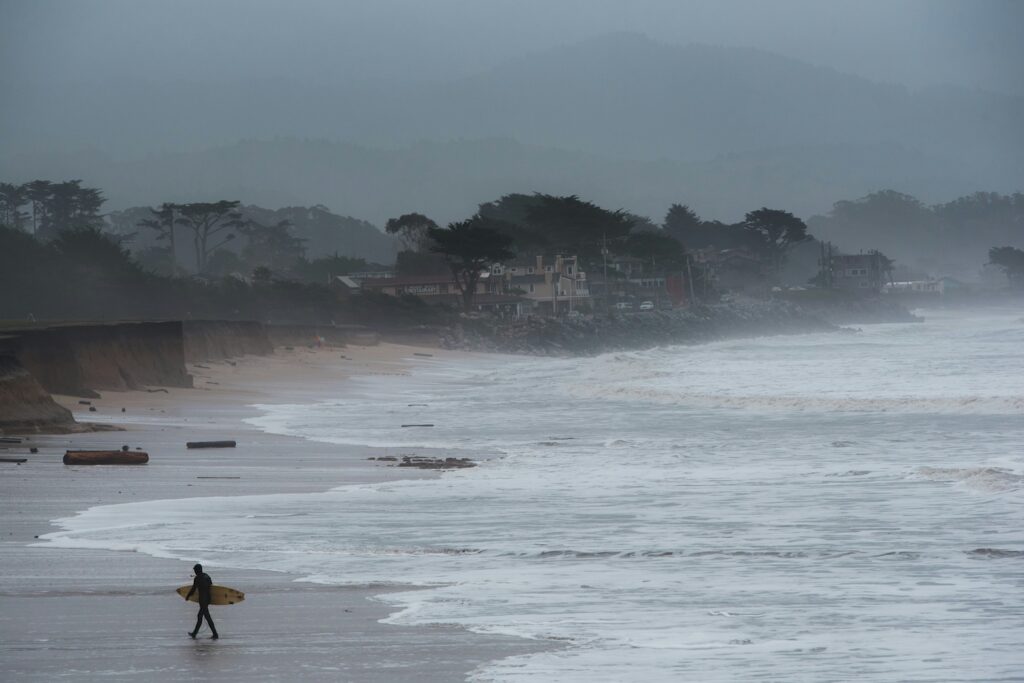
An El Niño occurs when ocean temperatures in the central and eastern Pacific Ocean rise above normal levels. This shift alters atmospheric circulation patterns across the globe, redirecting storm tracks and changing precipitation patterns.
A Super El Niño is an especially strong El Niño event. Sea surface temperatures rise well beyond typical El Niño thresholds, amplifying the weather impacts across the western United States.
Historically, some of Southern California’s wettest winters have occurred during major El Niño years. The National Weather Service has documented that strong El Niño events can bring heavy rain events, flooding, strong storms, mudslides and debris flows, and increased roof leaks and water damage.
- Heavy rain events
- Flooding
- Strong storms
- Mudslides and debris flows
- Increased roof leaks and water damage
Every El Niño event is different. No one can predict exactly how much rain any specific area will receive. However, meteorologists generally agree on one thing: a stronger El Niño increases the potential for wetter conditions in Southern California.
Q: Does a Super El Niño guarantee heavy rain in Southern California?
A: No. Every weather pattern is different. However, a Super El Niño often increases the likelihood of above-average rainfall and stronger winter storms across parts of Southern California.
Why the Super El Niño Effect on Southern California Matters for Homeowners
For homeowners, the concern is not simply the amount of rain. The concern is what the rain reveals.
After months of dry weather and intense UV exposure, many roofing systems develop issues that remain hidden until the first major storm arrives. The combination of year-round sun and sudden seasonal rain is particularly hard on roofing systems in Southern California.
The most common problems we see include:
- Small leaks that suddenly become active
- Cracked or deteriorated underlayment, which is the waterproof layer beneath your tiles or shingles
- Damaged flashing around chimneys, vents, and roof penetrations
- Broken or slipped roof tiles
- Blocked gutters and drainage systems
- Failed sealants around vents and penetrations
Many homeowners discover problems only after water stains appear inside the home. By then, the damage may already include dry rot, damaged insulation, mold growth, interior drywall repairs, and structural concerns.
- Dry rot
- Damaged insulation
- Mold growth
- Interior drywall repairs
- Structural concerns
Q: Why do roof leaks often appear during the first major rain?
A: Months of heat and UV exposure weaken roofing materials gradually. The first sustained rain exposes small vulnerabilities, such as cracked sealants or thinned underlayment, that developed during the dry season.
Southern California’s Climate Creates Unique Roofing Challenges
Homeowners often assume roofs only suffer damage during storms. In reality, Southern California roofs experience year-round stress from multiple environmental factors.
Intense UV Exposure
Southern California’s high UV index accelerates the aging of asphalt shingles, sealants, flashing components, waterproof coatings, and synthetic underlayments. Over time, UV radiation causes these materials to become brittle and crack, reducing their ability to keep water out.
Santa Ana Winds
Strong seasonal winds can loosen tiles, damage flashing, blow debris onto roofs, and expose vulnerable areas. Wind-driven debris is a common cause of surface damage that goes unnoticed until rain arrives.
Long Dry Seasons
Extended periods without rain allow hidden roof issues to go unnoticed. A small crack that forms in May may not reveal itself until December, after it has had months to worsen.
Seasonal Rain Events
When rain finally arrives, it can be intense. Heavy storms quickly exploit even minor roofing deficiencies that accumulated during the dry months.
This is why a roof inspection before rainy season is so important for Southern California homeowners.
Q: Does Southern California weather shorten roof lifespan?
A: Yes. UV exposure, wind, heat cycles, and seasonal rains can all accelerate roof deterioration if systems are not regularly maintained. Most roofing manufacturers recommend inspections every one to two years in this climate.
Why Roofing Wait Times Get Longer in the Fall
One of the biggest misconceptions homeowners have is that they can simply schedule roofing work once rain arrives. Unfortunately, that is often when demand spikes dramatically.
Every year, the pattern repeats:
- More emergency leak calls
- Higher repair demand
- Longer installation timelines
- Reduced scheduling flexibility
- Greater competition for roofing crews
As soon as the weather changes, homeowners who have delayed projects often decide to move forward all at once. The result is longer wait times and increased stress.
If your roof already has known issues, waiting until the rainy season begins can significantly limit your options. At August Roofing and Solar, with over 30 years of experience serving Southern California, we see this cycle every year. Homeowners who schedule a roof inspection before rainy season consistently have more options and better outcomes.
Q: Is summer the best time to replace a roof in Southern California?
A: For many homeowners, yes. Summer and early fall often provide shorter wait times, more scheduling flexibility, and the opportunity to complete projects before seasonal rains begin.
Why a Super El Niño Could Increase Roofing Demand
A potential Super El Niño adds another layer of urgency to normal seasonal patterns. If forecasts point toward a wetter-than-normal season, more homeowners are likely to schedule inspections, address deferred repairs, replace aging roofs, upgrade gutters and drainage systems, and improve roof hardening and weather resistance.
- Schedule inspections
- Address deferred repairs
- Replace aging roofs
- Upgrade gutters and drainage systems
- Improve roof hardening and weather resistance
This increased demand puts additional pressure on installation schedules across the region. Planning ahead provides several clear advantages:
- Greater scheduling flexibility
- More time to evaluate options and compare materials
- Ability to address issues before storms arrive
- Less likelihood of emergency repairs during rainy weather
The Super El Niño effect on Southern California is not just about weather. It is about the ripple effect that weather forecasts create across the entire roofing industry, from material availability to crew scheduling.
The Most Common Roofing Problems After Heavy Rain
After major storm seasons, our team commonly encounters several recurring issues that could have been prevented with proactive maintenance.
Active Roof Leaks
Small vulnerabilities often become significant water intrusion issues during sustained rain. A hairline crack in underlayment can allow gallons of water into your home over the course of a single storm.
Underlayment Failure
The underlayment is the waterproof barrier beneath your visible roofing material. After years of UV exposure and heat cycling, this layer can become brittle and fail, which is one of the most common causes of leaks in Southern California homes.
Damaged Flashing
Flashing is the metal or composite material used to seal transitions on your roof, such as where the roof meets a chimney, vent, or wall. Over time, flashing can corrode, separate, or crack, allowing water to penetrate.
Tile Movement
Strong winds and age can loosen or crack roofing tiles. Tile roofing systems, which are common across Southern California, rely on proper alignment and overlap to shed water effectively. Even one displaced tile can create a water entry point.
Clogged Gutters
Blocked drainage systems cause water to back up under the roofline, potentially damaging fascia boards and allowing water to enter the attic or walls.
Interior Water Damage
When leaks go unaddressed, they frequently result in ceiling stains, drywall damage, mold growth, and damaged insulation. These secondary repairs often cost more than the original roof repair would have.
- Ceiling stains
- Drywall damage
- Mold growth
- Damaged insulation
Q: Can heavy rain cause a healthy roof to leak?
A: Usually, no. Heavy rain exposes existing weaknesses that have been developing over time. A well-maintained roof in good condition should handle even heavy rain without leaking.
How a Professional Roof Evaluation Helps You Prepare
One of the best ways to prepare for a potentially wet winter is through a proactive roof inspection before rainy season. At August Roofing and Solar, our Roof Health Evaluations are designed to provide education and clarity, not pressure. We require no deposit to get started.
Step 1: Roof Inspection
We evaluate roofing materials, flashing, underlayment condition, ventilation, drainage systems, and signs of active or potential leaks. This includes checking components that homeowners cannot easily see from the ground.
Step 2: Photo Documentation
We document visible conditions with photographs so homeowners can clearly understand what we are seeing. This creates a transparent record of your roof’s current state.
Step 3: Condition Review
We explain what is functioning properly, what should be monitored over time, what may require attention soon, and which issues are urgent versus preventative. This helps homeowners prioritize effectively.
Step 4: Transparent Recommendations
If repairs or replacement are recommended, we outline scope of work, material options, expected timelines, and potential risks of delaying. This process helps homeowners make informed decisions with confidence.
- Scope of work
- Material options
- Expected timelines
- Potential risks of delaying repairs
The National Roofing Contractors Association (NRCA) recommends professional inspections at least twice per year, especially in climates with significant weather variability like Southern California.
Q: How often should roofs be inspected in Southern California?
A: Most homes should receive a professional roof inspection every one to two years and always before the rainy season begins. Homes with older roofs or known issues may benefit from more frequent evaluations.
What Homeowners Can Do Right Now
You cannot control the weather. But you can control how prepared your home is for it.
Schedule a Roof Inspection
Identify issues before storms arrive. A free roof evaluation gives you a clear picture of where your roof stands.
Address Existing Leaks
Small problems often become larger and more expensive after heavy rain. What costs a few hundred dollars to fix today could cost thousands after a storm.
Clean Gutters and Drainage Systems
Proper drainage helps prevent water intrusion. Gutters should be cleared of debris, and downspouts should direct water away from your foundation.
Trim Overhanging Trees
Reduce the risk of debris and storm-related damage. Branches that hang over your roofline can scratch surfaces, clog gutters, and fall during high winds.
Plan Ahead
If your roof is aging or nearing replacement, acting now may provide more scheduling flexibility than waiting until later in the year. This is especially true if the Super El Niño effect on Southern California drives higher-than-normal roofing demand this season.
People Also Ask
What is the Super El Niño effect on Southern California?
A Super El Niño can increase the likelihood of wetter-than-normal conditions, stronger storms, and above-average rainfall across parts of Southern California. This can lead to increased roof leaks, flooding, and property damage for homeowners who have not prepared.
Will a Super El Niño cause more roof leaks?
Heavy rains from a Super El Niño often expose existing weaknesses in roofing systems. Homes with aging materials, damaged flashing, or deteriorated underlayment are at higher risk of leaks during prolonged or intense storms.
Is it better to replace my roof before rainy season?
For many homeowners, yes. Completing roofing work before the rainy season provides shorter wait times, reduces the risk of emergency repairs, and allows for more thorough material and contractor evaluation.
Why do roofing companies get busier in the fall?
Demand typically increases when homeowners discover leaks during the first major storms of the season. This creates a surge in service requests that extends lead times significantly.
Frequently Asked Questions
How does the Super El Niño effect on Southern California impact homes?
A Super El Niño can increase the potential for heavy rainfall, which may expose existing roof vulnerabilities and increase the risk of water damage. Homes with deferred maintenance are especially susceptible to leaks, dry rot, and mold during wetter-than-normal winters.
Will roofing prices go up during rainy season?
Pricing can be affected by material costs and increased demand. However, the bigger concern for most homeowners is reduced scheduling flexibility and longer installation timelines, which can leave your home exposed during storms.
Can I wait until I see a leak to take action?
Waiting until an active leak develops often means more damage and fewer scheduling options. By the time water appears inside your home, the underlying damage to underlayment, decking, and insulation may already be extensive.
What if I am not sure whether my roof needs work?
A professional roof inspection provides clarity and helps you make informed decisions without pressure. At August Roofing and Solar, our evaluations include photo documentation and a plain-language condition review so you understand exactly what your roof needs.
Should I inspect my roof before the Super El Niño effect on Southern California arrives?
Yes. A professional roof evaluation can identify vulnerabilities and help you prepare before heavy rain events occur. This is especially important for roofs older than 15 years or homes that have not been inspected in the past two years.
Prepare Your Roof Before the Rain Arrives
No one can predict exactly what this winter will bring. But if a Super El Niño does lead to a wetter season in Southern California, homeowners with aging or damaged roofs could face increased risks of leaks, water damage, and emergency repairs.
The good news is that there is still time to prepare. The Super El Niño effect on Southern California does not have to catch you off guard.
If you have been thinking about a roof repair or replacement, now may be the ideal time to take advantage of shorter wait times and greater scheduling flexibility before fall demand increases.
Contact August Roofing and Solar today to schedule your free, no-obligation Roof Health Evaluation.
Call (805) 519-8099 or reach out to our team with your questions. We are here to help you understand your options, prepare for the season ahead, and protect your home with confidence.