
Key Takeaways
- A solar roof leak in Thousand Oaks is most often caused by improper penetration sealing during panel installation, not by the panels themselves.
- Solar-only installers frequently lack the roofing expertise to evaluate whether a roof can safely support panels, leading to costly water damage.
- Thousand Oaks homeowners should always have a thorough roof inspection performed before any solar panel mounting to identify aging materials, weakened decking, or compromised flashing.
- Solar panel roof damage repair typically requires removing panels, fixing the underlying roof system, and reinstalling panels correctly, which doubles project cost if not done right the first time.
- Choosing a contractor certified in both roofing and solar eliminates the gap in accountability that causes most installation-related leaks in Southern California.
Quick Links
- Why Solar Roof Leaks Matter for Thousand Oaks Homeowners
- How a Poor Solar Installation Causes Roof Leaks
- Penetrations Gone Wrong: The Leading Cause
- Flashing Failures During Solar Installation
- Roof Age and Condition: A Hidden Risk Factor
- Why Solar-Only Companies Miss Roofing Red Flags
- Signs Your Solar Installation Is Causing a Roof Leak in Thousand Oaks
- Solar Panel Roof Damage Repair: What the Fix Actually Involves
- How to Prevent Solar Roof Leaks Before They Start
- Thousand Oaks Climate Factors That Accelerate Leak Damage
- Choosing the Right Roofing and Solar Contractor in Thousand Oaks
- People Also Ask
- Frequently Asked Questions
Why Solar Roof Leaks Matter for Thousand Oaks Homeowners
A solar roof leak in Thousand Oaks is more common than most homeowners realize, and it rarely has anything to do with the solar panels themselves. The leak almost always traces back to how the panels were mounted to your roof. If you are a Thousand Oaks homeowner who invested in solar energy expecting lower utility bills and long-term savings, discovering water stains on your ceiling can feel like a betrayal of that entire decision.
You are not alone. Across Southern California, thousands of homeowners have experienced roof leaks within months or even years of a solar installation. The frustration compounds quickly. You paid for solar panels, and now you face a second bill for roof repairs, plus the cost of removing and reinstalling the panels to access the damaged area beneath them.
This post explains exactly how solar installations cause roof leaks, what to look for, and how Thousand Oaks homeowners can protect themselves before and after going solar. Every section is written to help you make an informed decision about your home, which is likely your largest financial investment.
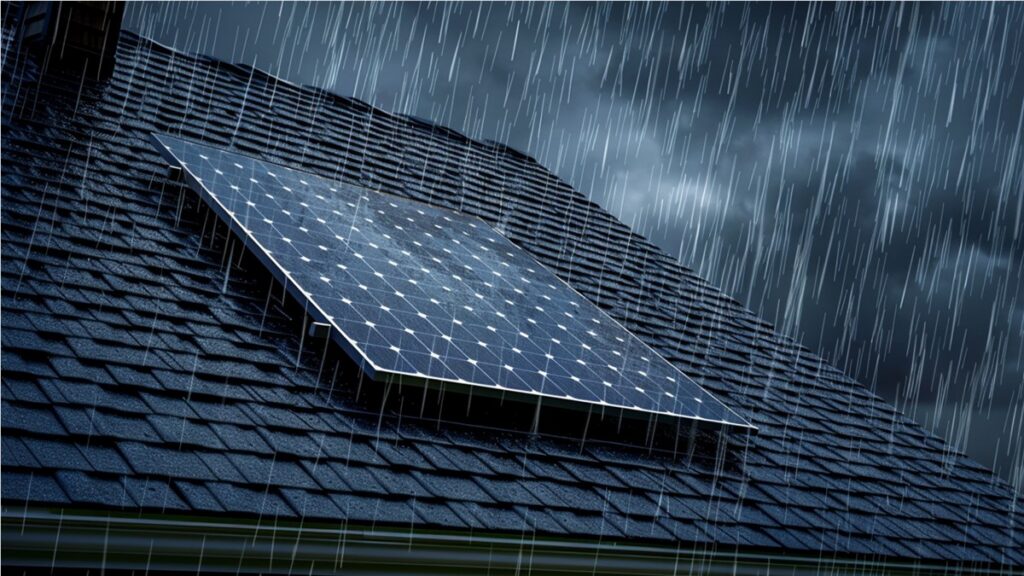
How a Poor Solar Installation Causes Roof Leaks in Thousand Oaks
Solar panels provide real benefits, including reduced electricity costs through Southern California Edison and a smaller carbon footprint. However, the installation process introduces risk to your roof system if not handled with proper roofing knowledge. The panels themselves are waterproof. The problem is what happens at the attachment points where mounting hardware meets roofing material.
A typical residential solar array requires dozens of lag bolts or screws driven through shingles, underlayment, and roof decking. Each one of those penetrations is a potential entry point for water. When a trained roofing professional handles the installation, each penetration is sealed, flashed, and inspected. When a solar-only crew handles it, critical roofing steps are sometimes skipped or done incorrectly.
Here are the five most common ways solar installations go wrong and cause leaks.
Penetrations Gone Wrong: The Leading Cause of Solar Roof Leaks
The single most common cause of a solar roof leak in Thousand Oaks is improper sealing at roof penetration points. Every solar racking system requires mounting brackets, called stanchions or L-feet, to be bolted directly into the roof structure. This means drilling through shingles, underlayment (the waterproof membrane beneath shingles), and plywood decking.
When done correctly, each penetration receives a dedicated flashing boot or mounting seal, along with roofing-grade sealant rated for UV exposure and temperature swings. When done incorrectly, the installer may rely on a thin bead of silicone caulk that degrades within a year or two under Thousand Oaks sun exposure.
Sealant failure does not cause an immediate leak. Instead, water slowly migrates through the unsealed gap during rain events. Over time, the plywood decking absorbs moisture, weakens, and the leak becomes visible inside the home as a ceiling stain, peeling paint, or mold growth.
Q: How many penetrations does a typical residential solar install require?
A: Most residential solar arrays require between 30 and 60 individual roof penetrations, depending on the system size and racking type. Each penetration must be individually sealed and flashed to prevent water intrusion.
Flashing Failures During Solar Installation
Flashing is a thin piece of metal, usually aluminum or galvanized steel, that directs water away from vulnerable areas on a roof. You can see flashing around chimneys, vent pipes, skylights, and wall-to-roof transitions. During solar installation, flashing should be installed at every mounting point to create a secondary water barrier beyond the sealant.
Solar-only installers sometimes skip flashing entirely or install it incorrectly. A common mistake is placing the flashing on top of shingles rather than weaving it beneath the overlapping shingle above. When flashing sits on top, water runs under the flashing edge instead of being directed away from the penetration.
Another issue occurs when installers damage existing flashing around chimneys or vents while positioning solar panels. A dislodged piece of chimney flashing may go unnoticed during installation but will channel water directly into the roof structure during the next rain.
Q: Can damaged flashing be repaired without removing solar panels?
A: In most cases, no. Solar panels and their racking systems sit directly over or adjacent to flashing areas, so panels must be temporarily removed to access, repair, or replace compromised flashing.
Roof Age and Condition: A Hidden Risk Factor in Thousand Oaks
Not every roof is ready for solar panels. A roof nearing the end of its service life, typically 20 to 30 years for asphalt shingles in Southern California, may not have the structural integrity to support the added weight and stress of a solar array. The average residential solar system adds 2 to 4 pounds per square foot to a roof’s load. That weight is manageable for a healthy roof but can accelerate deterioration on one that is already compromised.
Thousand Oaks homes built in the 1970s through 1990s may still have original or second-generation roofing. Shingles become brittle with age, especially under the high UV index that inland Ventura County experiences during summer months. When an installer drills through brittle shingles, the material cracks beyond the drill point, creating pathways for water that no amount of sealant can reliably block.
A responsible installer will conduct a full roof inspection before proposing a solar design. If the roof has fewer than 10 years of remaining service life, the better approach is to re-roof first and then install solar on a fresh, structurally sound surface. This eliminates the costly scenario of removing panels, repairing or replacing the roof, and reinstalling panels later.
Why Solar-Only Companies Miss Roofing Red Flags
The solar industry and the roofing industry require different licenses, different training, and different field experience. A California C-46 solar contractor license does not require roofing knowledge. A C-39 roofing license does not require solar knowledge. Most solar companies hold only the C-46 and subcontract roofing work, or they skip roofing evaluations altogether.
This creates a gap in accountability. The solar installer optimizes panel placement for energy production, which is their expertise. But they may position panels over areas with known drainage challenges, aging materials, or previous repairs. Without roofing experience, these risks go unidentified until a leak appears months later.
Poor communication compounds the problem. When a solar company subcontracts the roof assessment to a separate roofer, information can be lost between teams. The roofer may flag an issue that never reaches the solar installation crew. The result is a system installed on a roof that was never fully cleared for the work.
August Roofing and Solar holds certifications in both roofing and solar, with over 30 years of experience serving Thousand Oaks and surrounding communities including Westlake Village, Newbury Park, Agoura Hills, and Moorpark. This dual expertise means one team evaluates the roof, designs the solar layout, and performs the installation, eliminating the communication gaps that lead to leaks.
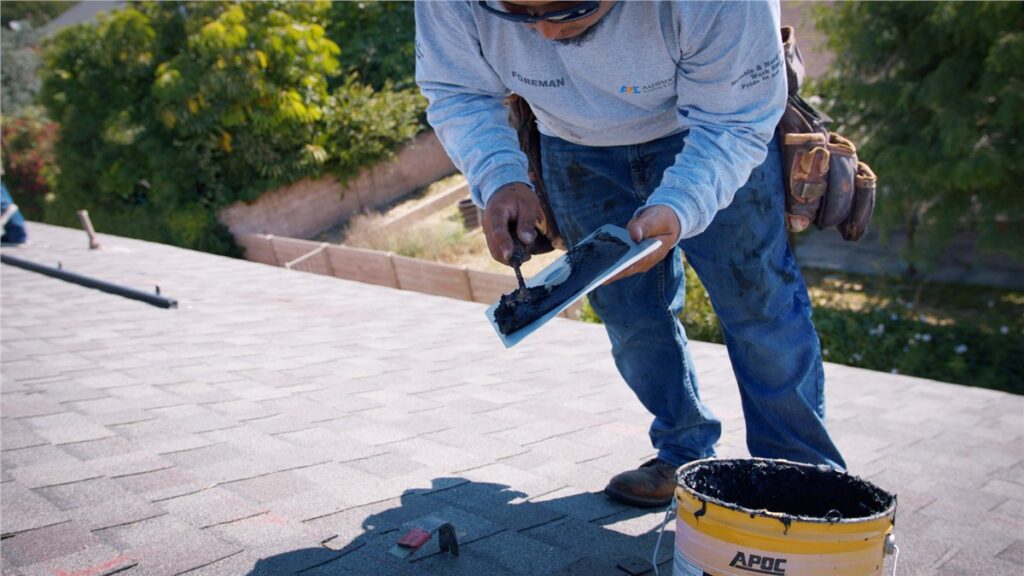
Signs Your Solar Installation Is Causing a Roof Leak in Thousand Oaks
Solar-related roof leaks are often slow and hidden. The panels themselves act as a canopy over the roof surface, which can mask visible signs of damage during a casual inspection. Here are the warning signs Thousand Oaks homeowners should watch for:
- Ceiling stains or discoloration in rooms directly beneath the solar array, especially after a rain event.
- Musty or damp odor in the attic, which can indicate moisture accumulation in the decking or insulation.
- Peeling interior paint or bubbling drywall on upper-floor ceilings or walls.
- Visible daylight in the attic when looking up at the underside of the roof deck near mounting points.
- Mold or dark staining on attic rafters near where solar panel mounts penetrate the roof.
- Granule loss or cracked shingles visible around the edges of the solar array where panels do not fully cover the roof.
If you notice any of these signs, the next step is to schedule a professional roof inspection. Waiting allows moisture to spread, increasing the scope and cost of the eventual repair. In Thousand Oaks, where winter rain events can be concentrated and heavy, even a small leak can cause significant damage over a single storm season.
Solar Panel Roof Damage Repair: What the Fix Actually Involves
Solar panel roof damage repair is not as simple as patching a leak. Because the panels and racking system sit directly over the affected area, the repair process involves multiple stages, each adding time and cost.
Step 1: Panel removal. A licensed solar technician disconnects the electrical system and removes the panels and racking from the damaged section of roof. This must be done carefully to avoid damaging the panels or voiding their manufacturer warranty.
Step 2: Roof repair or replacement. Once the roof surface is exposed, a roofing crew assesses the extent of the damage. This may range from replacing a few shingles and resealing penetrations to replacing entire sections of decking and underlayment if moisture has spread.
Step 3: Reinstallation. After the roof repair passes inspection, the solar panels are reinstalled with proper flashing, sealant, and mounting hardware. If the original installation used substandard materials or methods, the reinstallation should correct those deficiencies.
This three-stage process can cost $5,000 to $15,000 or more depending on the extent of damage. It also means your solar system is offline during the repair, reducing your energy production and any credits through Southern California Edison’s Net Energy Metering (NEM) program.
Q: Who is responsible for the cost of solar panel roof damage repair?
A: Responsibility depends on your installation contract and warranty. Some solar companies include a roof penetration warranty, but many do not. If the leak resulted from installer error, you may have a claim against the solar company. Review your contract carefully and consult with a licensed roofing professional.
How to Prevent Solar Roof Leaks Before They Start
Prevention is far less expensive than repair. Thousand Oaks homeowners considering solar, or those who already have panels, can take several steps to reduce the risk of a solar-related roof leak.
- Get an independent roof inspection before solar installation. A qualified roofing contractor, separate from your solar company, can assess whether your roof is structurally ready for panels. August Roofing and Solar offers no-cost roof consultations with no deposit required.
- Ask about flashing at every penetration point. Do not accept an installation plan that relies solely on sealant. Industry best practice, as outlined by the National Roofing Contractors Association (NRCA), calls for metal flashing at all roof penetrations.
- Request a roof penetration warranty in writing. A reputable installer will guarantee the waterproof integrity of every mounting point for a defined period, typically 10 to 25 years.
- Consider re-roofing before solar if your roof is older than 15 years. Combining a roof replacement with a solar installation saves money compared to doing them separately and ensures the roof system is designed to support panels from the start.
- Choose a contractor licensed and experienced in both roofing and solar. A single-source contractor controls quality at every stage and eliminates the finger-pointing that occurs when separate companies handle the roof and the solar system.
Thousand Oaks Climate Factors That Accelerate Leak Damage
Thousand Oaks sits in the Conejo Valley, an inland area of Ventura County that experiences a distinct climate pattern. Summers bring sustained heat, often exceeding 95 degrees, with a high UV index that degrades sealants and roofing materials faster than in cooler coastal cities like Oxnard or Ventura. This thermal cycling, where roofing materials expand in extreme daytime heat and contract overnight, stresses sealant bonds at solar mounting points.
Winter brings concentrated rain events, sometimes delivering several inches within a 24-hour period. A compromised seal that held through months of dry weather can fail during a single heavy storm. The Santa Ana winds, which are common in fall and early winter, add another layer of risk. High wind speeds can shift racking hardware by fractions of an inch, enough to break a marginal sealant bond and open a pathway for wind-driven rain.
Wildfire risk is also relevant. Thousand Oaks falls within or adjacent to CAL FIRE-designated wildfire zones. California’s Title 24 building code and CAL FIRE ember-resistant roofing requirements affect material choices for both roofing and solar installations. A solar installation that disrupts the fire-rated integrity of a roof assembly may create a code compliance issue in addition to a leak risk.
Choosing the Right Roofing and Solar Contractor in Thousand Oaks
The most reliable way to prevent a solar roof leak in Thousand Oaks is to choose a contractor who understands both the roof system and the solar system as a single integrated project. Here is what to look for:
- Dual licensing. Verify that the contractor holds both a C-39 roofing license and a C-46 solar license in California.
- Local experience. A contractor familiar with Thousand Oaks building codes, HOA requirements in communities like Thousand Oaks proper, Dos Vientos, and Lang Ranch, and Ventura County permitting processes will avoid delays and compliance issues.
- Comprehensive warranty. The warranty should cover both the roof penetrations and the solar system performance. A single warranty from a single company simplifies any future claims.
- Pre-installation roof assessment. Any contractor who proposes solar without first evaluating your roof condition is skipping a step that protects you.
August Roofing and Solar serves Thousand Oaks and the broader Southern California region with a team trained in both disciplines. Our process begins with a thorough roof evaluation, continues through a solar design that respects the roof’s drainage and structural system, and includes a warranty that covers both the roof and the solar installation. We require no deposit to begin.
People Also Ask
Do solar panels void a roof warranty?
Solar panels do not automatically void a roof warranty, but improper installation can. If the installer damages roofing materials or fails to seal penetrations correctly, the roofing manufacturer may deny warranty claims for those affected areas. Always confirm with your roofing warranty provider before scheduling a solar installation.
How do I know if my roof leak is caused by solar panels?
If the leak location on your ceiling corresponds to the area directly beneath your solar array, the panels are a likely contributor. A professional roof inspection, which may include removing a section of panels, can confirm whether the leak originates at a mounting penetration point.
Should I replace my roof before installing solar panels?
If your roof is more than 15 years old or shows signs of wear such as curling shingles, granule loss, or soft spots, replacing the roof before solar installation is the more cost-effective long-term approach. This avoids the expense of removing and reinstalling panels later when the roof eventually needs replacement.
Can I sue my solar company for roof damage?
You may have legal recourse if your installation contract includes a workmanship warranty and the leak resulted from installer negligence. Document all damage, obtain an independent roof inspection report, and consult with a construction attorney familiar with California contractor law.
Frequently Asked Questions
What causes a solar roof leak in Thousand Oaks?
A solar roof leak in Thousand Oaks is most commonly caused by improper sealing at the points where mounting hardware penetrates the roof surface. Inadequate flashing, degraded sealant, and installation on aging roofing materials are the primary contributing factors. The panels themselves are waterproof and do not cause leaks.
How much does solar panel roof damage repair cost in Thousand Oaks?
Solar panel roof damage repair typically costs between $5,000 and $15,000, depending on the extent of water damage and whether decking or underlayment replacement is needed. The cost includes panel removal, roof repair, and panel reinstallation. Getting the installation done correctly the first time avoids this expense entirely.
How can I prevent a solar roof leak in Thousand Oaks?
Prevent a solar roof leak in Thousand Oaks by having a professional roof inspection before installation, choosing a contractor certified in both roofing and solar, requiring flashing at every penetration point, and obtaining a written roof penetration warranty. If your roof is older than 15 years, consider re-roofing before adding panels.
Does homeowners insurance cover solar-related roof leaks?
Standard homeowners insurance policies generally cover sudden and accidental water damage, but they may not cover damage resulting from poor workmanship or gradual leaks. Your insurer will likely investigate whether the leak was caused by installer error. If it was, they may pursue a subrogation claim against the solar company.
Who should I hire to fix a roof leak under my solar panels in Thousand Oaks?
Hire a contractor who is licensed in both roofing (C-39) and solar (C-46) to fix a roof leak under solar panels. A dual-licensed contractor can remove panels, repair the roof, and reinstall panels under a single scope of work and warranty. This approach eliminates coordination issues between separate roofing and solar companies.
Protect Your Thousand Oaks Home with the Right Expertise
A solar roof leak in Thousand Oaks is a preventable problem. Whether you are planning a new solar installation or dealing with a leak from an existing one, the most important step is working with a contractor who treats your roof and your solar system as one integrated project. August Roofing and Solar has served Thousand Oaks and neighboring communities for over 30 years with the roofing and solar expertise needed to get the job done right the first time.
If you have questions about your roof’s readiness for solar or you suspect a leak related to an existing installation, schedule a free roof inspection with our team. There is no deposit required, and no obligation. Call us at (805) 519-8099 or reach out online.