
Key Takeaways
- A solar-ready roof replacement prepares the roof structure, underlayment, flashing, waterproofing, and attachment points before solar panels are installed, helping homeowners avoid costly panel removal and reinstallation later.
- Full roof replacement, tile reset, shingle roof replacement, and flat roof replacement can all support future solar installation when planned with solar readiness in mind.
- Southern California climate factors like intense UV exposure, Santa Ana winds, and seasonal rain make roof condition especially important before adding solar panels.
- Working with a combined roofing and solar contractor reduces coordination issues, protects warranties, and ensures the roof system and solar system are designed to work together.
- A professional roof inspection is the first step to determine whether your roof is ready for solar now or needs replacement first.
Quick Links
- Why Solar Readiness Starts With the Roof
- What Is a Solar-Ready Roof?
- Why You Should Think About Solar Before Replacing Your Roof
- Roof Replacement Services That Support Future Solar
- What August Roofing Evaluates Before Calling a Roof Solar-Ready
- Why a Solar-Ready Roof Replacement Matters in Southern California
- Already Have Solar? Roof Replacement Requires Extra Planning
- Should You Replace the Roof and Install Solar at the Same Time?
- Common Mistakes to Avoid With a Solar-Ready Roof Replacement
- Questions to Ask Before Replacing Your Roof
- Why Work With a Roofing and Solar Company?
- People Also Ask
- Frequently Asked Questions
Why Solar Readiness Starts With the Roof
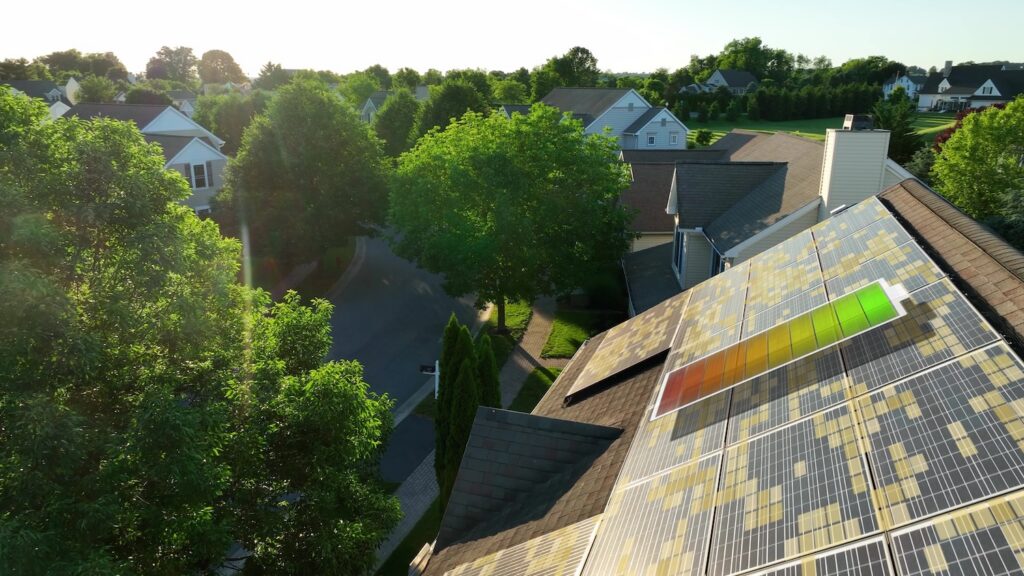
A solar-ready roof replacement is one of the smartest investments a homeowner can make before going solar. Yet many homeowners across Southern California find themselves in an expensive bind: they installed solar panels on a roof that needed replacement within a few years, and now they are facing the cost of panel removal, storage, roof work, and reinstallation.
If you are thinking about replacing your roof and solar is anywhere in your plans, even years from now, this is the most important planning window you will get. Once a new roof is installed, changing critical details like vent placement, penetration locations, or underlayment type becomes significantly more difficult and expensive.
Solar panels can last 25 to 30 years. But they are only as dependable as the roof beneath them. If your roof is older, leaking, or approaching the end of its useful life, installing solar first can create a problem that is entirely avoidable.
A roof-first approach helps homeowners answer one fundamental question: is this roof ready to protect the home and support solar for the long term?
That question carries extra weight in Southern California, where roofing systems endure intense sun, seasonal heat, Santa Ana winds, wildfire risk, and winter rain that can expose hidden weaknesses quickly. A roof that looks acceptable from the street may have aging underlayment, cracked tiles, worn flashing, drainage issues, or hidden dry rot underneath.
What Is a Solar-Ready Roof?
A solar-ready roof is a roofing system that has been evaluated and prepared for possible solar installation in the future. This does not always mean solar panels are installed immediately. It means the roof has been designed, repaired, or replaced with future solar in mind.
A solar-ready roof typically includes:
- Strong, inspected roof decking free of dry rot or soft spots
- Quality underlayment rated for long-term performance
- Properly sealed flashing at all transitions and penetrations
- Reliable waterproofing across the entire system
- Roof material in good condition with decades of remaining life
- Smart vent and pipe placement that does not interfere with future panel layout
- Good drainage, especially on flat or low-slope sections
- Structural readiness to support the weight of panels and racking
- Future attachment point planning
- Electrical and battery-readiness considerations
The goal is straightforward: make sure the roof is truly ready before panels are attached to it. For homeowners who plan to add solar later, this kind of planning reduces future complications, protects the home from leaks, and makes the solar installation process smoother when the time comes.
Q: Does a solar-ready roof cost more than a standard roof replacement?
A: In most cases, the core cost is similar. Solar-readiness primarily involves planning decisions, such as vent placement and underlayment selection, rather than expensive add-ons. The real savings come from avoiding the cost of panel removal and roof rework later.
Why You Should Think About Solar Before Your Roof Replacement
Even if solar is a “someday” project, your roof replacement before solar is the best time to address it. Once the new roof is finished, certain details become locked in. Vent placement, roof penetrations, flashing configurations, underlayment choices, waterproofing strategy, and attachment planning all affect how efficiently solar can be installed later.
When roofing and solar are planned separately, homeowners often encounter issues like:
- Broken tiles during solar installation due to foot traffic and attachment drilling
- Extra roof penetrations that increase leak risk
- Waterproofing concerns around new solar attachments
- Panels installed on a roof with limited remaining life
- Unexpected structural limitations discovered during solar installation
- Higher costs if solar must be removed for future roof repairs
- Confusion between roofing and solar contractors if a leak develops
At August Roofing and Solar, with over 30 years of experience serving Southern California homeowners, we understand both sides of this equation. We know how roofing details affect solar performance, and we know how solar attachments affect roof protection.
Roof Replacement Services That Support Future Solar Installation
The right service for a solar-ready roof replacement depends on your current roof type, condition, budget, home design, and long-term energy goals. Here are the most common options.
Full Roof Replacement
A full roof replacement is often the strongest option when the existing roof is worn, leaking, damaged, or near the end of its useful life. This service typically includes removing the old roofing system entirely, inspecting the roof deck, repairing damaged areas, installing new underlayment and roofing materials, and completing all waterproofing details.
For future solar, a full replacement creates the strongest possible foundation. It gives you a fresh roofing system with decades of life before panels are added. That matters because once panels are installed, any roof work underneath them becomes significantly more involved.
A full roof replacement may be the right choice if:
- Your roof is old or heavily worn
- You have recurring leaks
- There is visible damage across multiple areas
- The underlayment is failing
- You want to change roofing materials
- You want a roof that is ready for solar later
- You are planning long-term home improvements
Tile Reset
Many Southern California homes have concrete or clay tile roofs. Tile can be beautiful, durable, and important to the character of the home. But tile roofs are often misunderstood.
In many cases, the tile itself may still look good while the underlayment beneath it is aging. Since underlayment is the primary waterproofing layer that protects the home, a tile roof can develop serious problems even when the visible surface appears mostly intact.
A tile reset involves removing existing tiles, replacing the underlayment, making needed deck repairs, and reinstalling the usable tiles. This can be a strong option for homeowners who want to preserve the look of their home while improving roof performance and solar readiness.
A tile reset may be worth discussing if:
- Your tile roof has aging underlayment (underlayment is the waterproof barrier between the tile and the roof deck)
- You want to preserve the home’s architectural style
- You have broken or slipped tiles
- You are seeing leaks but the tile is still usable
- You want to prepare the roof for future solar
Tile roofs require extra care when solar is involved. Attachment methods, tile cutting, and waterproofing around mounts must be handled with precision. This is an area where working with a combined roofing and solar team makes a significant difference.
Q: Can I do a tile reset instead of a full roof replacement before solar?
A: Yes, in many cases. If the tiles are still in good condition, a tile reset allows you to replace the underlayment and repair the deck without purchasing entirely new tiles. This can be a cost-effective way to prepare for solar while preserving your home’s appearance.
Shingle Roof Replacement
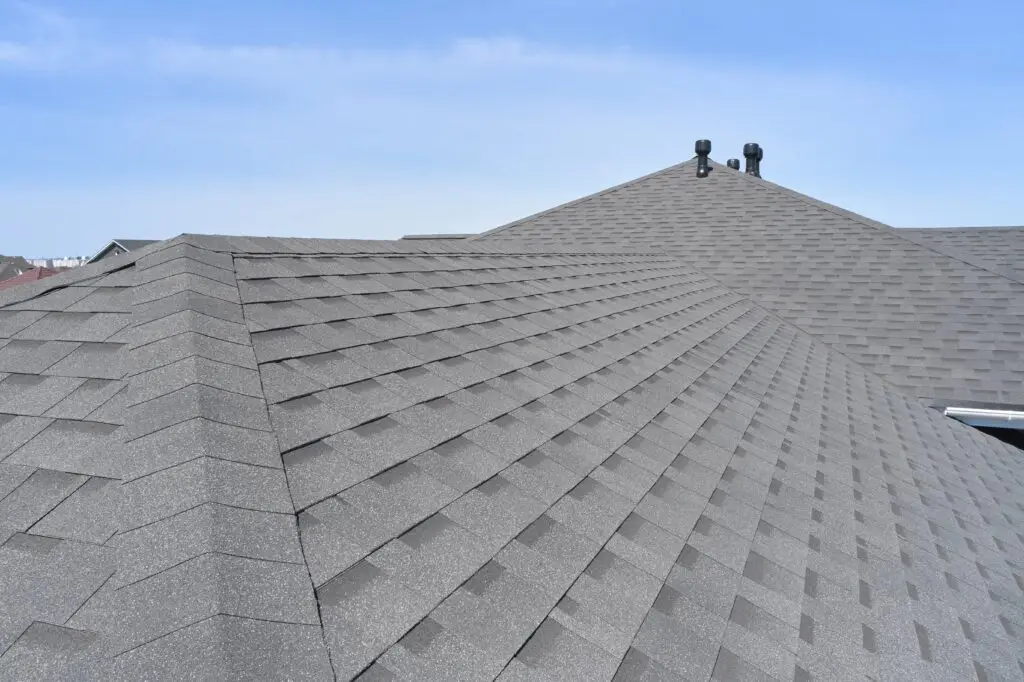
Shingle roofs can work well with solar when they are in good condition and properly installed. For homeowners considering future solar, a shingle roof replacement creates a clean, practical foundation for panel installation. It also gives the contractor an opportunity to inspect decking, improve flashing, review ventilation, and confirm the system is ready for long-term exposure.
A shingle replacement may be the right choice if your shingles are curling, cracked, or missing, you have granule loss or visible wear, or your roof is near the end of its expected 20- to 30-year life span.
Flat and Low-Slope Roof Replacement
Flat and low-slope roofs are common on many Southern California homes, additions, and modern designs. These roofs require special attention before solar installation because drainage and waterproofing are critical. Water does not shed from a flat roof the same way it does from a steep-slope roof.
If the roof has ponding water, worn membrane areas, poor drainage, or weak flashing, adding solar can make future repairs more difficult. Key considerations include drainage path, ponding water, membrane condition, attachment method, waterproofing, maintenance access, panel layout, roof load capacity, and future serviceability.
What August Roofing Evaluates Before Calling a Roof Solar-Ready
A solar-ready roof replacement is not just about having enough space for panels. Before recommending solar readiness, August Roofing and Solar evaluates the full roof system.
Roof Age and Remaining Life
The age of the roof helps determine whether it makes sense to install solar now or replace the roof first. If a roof is within 5 to 10 years of its end of life, installing solar may create significant extra costs later when panels need removal for roof replacement.
Roof Deck Condition
The roof deck is the structural surface beneath the roofing materials, typically plywood or oriented strand board (OSB). If the deck has dry rot, damage, sagging, or soft spots, those issues must be addressed before solar installation. A strong deck supports both the roofing system and the added weight of solar attachments.
Underlayment Quality
Underlayment is one of the most critical parts of the roof system. It protects the home from water intrusion underneath the visible roof covering. On tile roofs especially, underlayment condition is a major factor in solar readiness. California’s Title 24 building energy standards may also influence underlayment and material choices during replacement.
Flashing, Penetrations, and Drainage
Flashing protects vulnerable areas where the roof meets walls, vents, chimneys, skylights, valleys, or other transitions. Every pipe, vent, skylight, or attachment point deserves inspection. Solar installation adds additional roof attachments, so the roof should already be well-sealed and properly detailed. For both sloped and flat roofs, water needs a clear path off the roof surface.
Solar Layout and Electrical Planning
Future solar planning should consider sun exposure, roof planes, shade patterns, vent locations, skylight placement, roof access, panel arrangement, and inverter or battery location. Many homeowners are also considering battery storage (programs like California’s SGIP battery rebate can offset costs), EV charging, or future electrical panel upgrades. A roof replacement is the right time to start that conversation, even if those upgrades happen later.
Why a Solar-Ready Roof Replacement Matters in Southern California
Southern California homeowners face specific roofing and solar challenges that make a solar-ready roof replacement especially important. Our roofs endure long stretches of direct sunlight, seasonal heat, dry conditions, Santa Ana winds, wildfire risk, coastal moisture in some areas, and winter rain that can expose roof weaknesses quickly.
Sun, Heat, and UV Exposure
The high UV index across Southern California ages roofing materials faster than in many other regions. Heat contributes to expansion and contraction cycles, which can affect sealants, roof components, and penetration points over time. A solar-ready roof should be built with these long-term exposure conditions in mind.
Santa Ana Winds
Strong offshore winds can lift loose materials, move debris, and stress roof components. If roofing materials are already loose or aging, wind events can make those issues worse. Before installing solar, homeowners should confirm the roof system is secure and rated for local wind conditions.
Rainy Season and Wind-Driven Rain
Southern California may go months with little rain, but the first major storm can reveal hidden problems. Small weaknesses in flashing, underlayment, valleys, or roof penetrations can become active leaks during wind-driven rain. Replacing or preparing the roof before adding solar helps reduce this risk significantly.
Wildfire and Ember Risk
In many communities, homeowners need to consider CAL FIRE ember-resistant roofing requirements. Roof valleys, gutters, vents, and areas where dry leaves or embers can collect all deserve attention. A thorough roof inspection can identify maintenance needs and roof-hardening opportunities before problems occur.
Already Have Solar? Roof Replacement Requires Extra Planning
Some homeowners are not planning for future solar because they already have it. If your home has existing solar panels and the roof needs replacement, the project requires careful coordination for safe solar removal and reinstallation.
Panels, wiring, attachments, and waterproofing all need to be handled carefully. In some cases, utility coordination with Southern California Edison or updated net metering documentation under NEM 3.0 may be required.
August Roofing and Solar helps homeowners follow the right sequence:
- Inspect the roof thoroughly
- Assess the existing solar system condition
- Safely remove and store panels
- Complete roof repair or full replacement
- Reinstall and test the solar system
- Review performance and closeout documentation
This keeps the roofing and solar work coordinated under one team instead of leaving the homeowner caught between multiple contractors. August Roofing requires no deposit to begin work, which gives homeowners additional confidence in the process.
Q: Will my solar warranty be affected if panels are removed for roof replacement?
A: It depends on who removes and reinstalls them. Using a qualified roofing and solar contractor who follows manufacturer guidelines helps protect your panel warranty. Always confirm warranty terms before any removal work begins.
Should You Replace the Roof and Install Solar at the Same Time?
Sometimes, yes. For homeowners who are ready for solar now and have a roof that needs replacement, bundling both projects can create a smoother, more efficient process. The roof can be prepared properly, solar can be designed with the new roof in mind, and the homeowner has one coordinated plan.
But not every homeowner needs to do both at once. Some may choose to replace the roof now and add solar later. Others may need a tile reset before solar. Some may need a roof repair before deciding on a larger project. The right timing depends on roof condition, energy goals, budget, timeline, and how current utility rate structures like NEM 3.0 affect solar savings.
That is why the inspection matters. A professional evaluation removes the guesswork and gives you clear data to make the right decision for your home.
Common Mistakes to Avoid With a Solar-Ready Roof Replacement
When planning a roof replacement before solar, homeowners should be aware of these common and costly mistakes.
Mistake 1: Installing Solar on an Aging Roof
This often leads to higher costs later when panels need to be removed for roof replacement. If the roof has less than 10 to 15 years of remaining life, replacement should happen first.
Mistake 2: Assuming the Visible Roof Surface Tells the Whole Story
A roof may look acceptable from the ground while the underlayment, flashing, or decking underneath needs serious attention. Only a professional inspection reveals the full picture.
Mistake 3: Treating Roofing and Solar as Separate Decisions
Solar affects the roof. The roof affects solar. Planning them together helps reduce confusion, protect warranties, and avoid rework.
Mistake 4: Ignoring Flat Roof Drainage Before Solar
Flat roof solar can work well, but drainage and waterproofing must be addressed first. Ponding water under or around solar panels can cause accelerated membrane failure.
Mistake 5: Waiting Until a Leak Forces the Decision
A leak can turn a planned project into an urgent one with fewer options and higher costs. A proactive inspection gives homeowners more control over timing and budget.
Mistake 6: Not Asking About Future Battery Storage
Even if you do not install a battery now, understanding what future readiness requires, such as electrical panel capacity and conduit routing, can save significant retrofit costs later.
Questions to Ask Before Replacing Your Roof
If you may add solar in the future, ask your roofing contractor these questions during the planning phase:
- Is my current roof a good candidate for solar?
- How much useful life does my roof have left?
- Should I replace the roof before installing solar?
- Is a tile reset an option for my home?
- How will the underlayment be handled?
- Are there any signs of dry rot or deck damage?
- How will flashing and roof penetrations be addressed?
- Will vent placement affect future panel layout?
- Is my flat roof draining properly?
- Can this roof support future solar attachments structurally?
- Should I plan for battery storage or electrical upgrades now?
- Who handles solar removal and reinstallation if needed?
A trustworthy contractor should be able to answer these questions clearly and without pressure. If they cannot, that is worth noting.
Why Work With a Roofing and Solar Company?
Homeowners often run into problems when roofing and solar are handled by separate companies that do not coordinate well. When issues arise, accountability becomes unclear.
If a leak appears near a solar attachment, who is responsible? If the roof needs replacement, who removes the panels? If the solar layout conflicts with roof vents, who solves the problem? If the roof is not ready for solar, who explains the options honestly?
Working with a combined roofing and solar company simplifies these conversations. At August Roofing and Solar, we bring both disciplines together under one licensed, certified team. We handle roof repairs, full re-roofs, tile resets, flat roof systems, solar installation, solar repair, and solar removal and reinstallation.
That gives homeowners a clearer path, fewer handoffs, and a single point of accountability for the entire project.
People Also Ask
How long should a roof last before installing solar panels?
Most roofing and solar professionals recommend that the roof have at least 15 to 20 years of remaining useful life before solar panels are installed. If the roof is older than that, replacing the roof first is generally the more cost-effective approach.
Does a new roof increase solar panel efficiency?
A new roof does not directly increase the electrical efficiency of solar panels. However, a properly installed roof with correct ventilation can help manage attic temperatures, and a clean roof layout with well-planned vent placement allows for a more optimal panel arrangement.
Can I finance a roof replacement and solar installation together?
Yes, many homeowners finance both projects together, especially when working with a combined roofing and solar contractor. Bundling the projects can streamline the financing process and may reduce overall project costs compared to completing them separately.
What happens if I need roof repairs after solar panels are installed?
If roof repairs are needed under or near solar panels, the panels may need to be temporarily removed and reinstalled. This adds cost and complexity, which is one of the primary reasons roofing professionals recommend completing roof work before solar installation.
Frequently Asked Questions
Should I replace my roof before installing solar panels?
If your roof is older, leaking, damaged, or near the end of its useful life, it is generally better to complete a solar-ready roof replacement before installing panels. This avoids the cost and disruption of removing and reinstalling panels later when roof work becomes necessary.
What roof replacement services work well with future solar installation?
Full roof replacement, tile reset, shingle roof replacement, and flat roof replacement can all support future solar installation when they are planned properly. The right service depends on your roof type, current condition, and long-term energy goals.
What does solar-ready roof replacement mean?
A solar-ready roof replacement means the roof has been evaluated and prepared for future solar panel installation. This typically includes strong waterproofing, proper flashing, roof deck repairs or verification, good drainage, smart vent placement, and planning for future solar attachments and electrical upgrades.
Can solar panels be installed on tile roofs in Southern California?
Yes, solar panels can be installed on many tile roofs, but the roof condition, underlayment quality, tile type, and attachment method all matter. A professional roof inspection should always be completed before solar installation on any tile roof to identify hidden issues beneath the tiles.
What if I already have solar and need a new roof?
If you already have solar panels and need a new roof, the panels will typically need to be safely removed, stored, and reinstalled after the roofing work is complete. This process should be handled by qualified professionals who understand both roofing systems and solar system requirements to protect warranties and ensure proper reconnection.
Build the Roof for the Future You Want
A solar-ready roof replacement is not just about solving today’s roofing problem. It is a chance to prepare your home for the next 20, 30, or more years of protection and energy performance.
If solar may be part of your future, the roof should be part of the conversation now. A well-planned solar-ready roof replacement helps protect your home, reduce future complications, and give you more flexibility when you are ready to move forward with solar, battery storage, or other energy upgrades.
At August Roofing and Solar, we help Southern California homeowners make confident decisions with clear inspections, professional recommendations, and roofing and solar expertise under one roof.
Schedule your free roof inspection today. We will help you understand your roof’s condition, your solar-readiness options, and the smartest next step for your home.