
Key Takeaways
- Solar power in Pasadena converts sunlight into usable electricity through photovoltaic cells, an inverter, and a mounting system that connects to your home and the utility grid.
- Pasadena homeowners can significantly reduce their electricity bills through net energy metering (NEM), which credits surplus energy sent back to the grid.
- Southern California’s high UV index and over 280 sunny days per year make Pasadena one of the most productive regions in the country for residential solar energy.
- A properly installed solar array can increase your Pasadena home’s property value while providing decades of clean, renewable energy.
- Understanding system components, local incentives, and installer qualifications before committing helps homeowners avoid costly mistakes.
Quick Links
- Why Understanding Solar Power Matters for Pasadena Homeowners
- How Does Solar Power Work?
- What Equipment Is Necessary for a Solar Array in Pasadena?
- Benefits of Solar Power for Pasadena Homeowners
- How Net Metering Works in California
- What to Expect During Solar Panel Installation in Pasadena
- Is Your Pasadena Roof Ready for Solar?
- Choosing a Qualified Solar Installer
- People Also Ask
- Frequently Asked Questions
Why Understanding Solar Power Matters for Pasadena Homeowners
If you are a homeowner in Pasadena, you have probably noticed your electricity bills climbing year after year. Southern California Edison rate increases, combined with the intense inland heat that drives up air conditioning usage from May through October, can leave you feeling like there is no relief in sight. You may have seen solar panels on your neighbors’ roofs in neighborhoods like South Pasadena, Altadena, or San Marino and wondered whether the investment actually pays off.
Solar power in Pasadena is not a trend. It is a practical response to rising energy costs in a region that receives some of the highest solar irradiance in the United States. This guide explains how solar energy systems work at a component level, what equipment is involved, how California-specific programs affect your savings, and what to evaluate before making a decision.
The goal is straightforward: give you the technical and financial understanding you need so that when you do move forward, you move forward with confidence.
How Does Solar Power Work?
Solar panels generate electricity through a physical property called the photovoltaic effect. When sunlight strikes the silicon cells inside a panel, it excites electrons in the material. These energized electrons create a flow of direct current (DC) electricity. This process happens silently, with no moving parts, every time sunlight reaches the panel surface.
Your home electrical system, however, operates on alternating current (AC) electricity. A device called an inverter converts the DC output from the panels into AC power that your appliances, HVAC system, and lighting can use. Without the inverter, the electricity generated by the panels would be incompatible with your home.
Once converted, the AC electricity flows through your home’s electrical panel, powering whatever is drawing energy at that moment. Any surplus electricity is sent to the utility grid through your meter, which is where net metering credits come into play. At night or during cloudy periods, your home draws power from the grid as usual.
Q: Do solar panels produce electricity on cloudy days?
A: Yes. Solar panels still generate electricity under cloud cover, though at reduced output, typically 10 to 25 percent of their rated capacity. Pasadena’s climate means most days provide strong, direct sunlight, so annual production remains high even with occasional marine layer or overcast mornings.
Q: What is the photovoltaic effect in simple terms?
A: The photovoltaic effect is the process by which certain materials, like silicon, convert light energy directly into electrical energy. When photons from sunlight hit the silicon cells, they knock electrons loose, creating an electrical current.
What Equipment Is Necessary for a Solar Array in Pasadena?
A residential solar energy system consists of several interconnected components. Understanding each one helps you evaluate proposals from installers and ensures you know what is being placed on your roof and why.
Solar Panels
Modern residential panels are typically monocrystalline silicon, which offers the highest efficiency ratings, generally between 20 and 22 percent, for the space they occupy. Each panel is rated in watts, and most residential panels range from 370 to 430 watts. The number of panels your home needs depends on your electricity consumption, roof space, and the direction your roof faces.
Mounting System and Racking
The mounting framework secures the panels to your roof at the optimal angle for sunlight exposure. In Pasadena, south-facing roof planes provide the best year-round production. West-facing surfaces are the second-best option, capturing afternoon sun during peak energy demand hours. The racking must be engineered to withstand local wind loads, including occasional Santa Ana wind events that can produce gusts exceeding 60 miles per hour.
Inverter
There are two primary inverter configurations. A string inverter connects all panels in a series and converts the combined DC output to AC at one central point. Microinverters, by contrast, are installed on each individual panel and convert DC to AC at the panel level. Microinverters are generally preferred for roofs with partial shading or multiple orientations because they allow each panel to operate independently.
Electrical Panel and Meter
Your home’s main electrical panel distributes the solar-generated electricity throughout the house. In some older Pasadena homes, the existing electrical panel may need to be upgraded to accommodate the solar system. Your utility meter is also replaced or reconfigured to measure both the electricity you consume and the electricity you export to the grid.
Optional: Battery Storage
A solar battery, such as the Tesla Powerwall or Enphase IQ Battery, stores surplus energy for use during the evening or during grid outages. California’s Self-Generation Incentive Program (SGIP) offers rebates on battery storage systems, making them more financially accessible for qualifying homeowners.
Benefits of Solar Power for Pasadena Homeowners
The advantages of solar energy extend beyond environmental responsibility. For Pasadena homeowners specifically, solar addresses real financial and practical concerns driven by the local climate and utility rate structure.
Reduced Electricity Bills
Most Pasadena homes with solar panels remain connected to the Southern California Edison grid. During daylight hours, the panels produce more electricity than the home consumes. That surplus flows back to the grid, generating credits on your utility account. Over a 12-month billing cycle, many homeowners offset 80 to 100 percent of their electricity costs.
This is especially impactful in Pasadena and neighboring communities like Arcadia, La Canada Flintridge, and Monrovia, where summer temperatures regularly exceed 95 degrees and air conditioning accounts for a large portion of monthly electricity use.
Increased Property Value
According to the U.S. Department of Energy, homes with owned solar energy systems sell for more than comparable homes without solar. Buyers in the Pasadena market recognize the long-term savings and are willing to pay a premium for a home that already has a functioning system in place.
Protection Against Rate Increases
Southern California Edison has increased residential rates consistently over the past decade. By generating your own electricity, you reduce your exposure to future rate hikes. The electricity your panels produce is essentially locked in at zero marginal cost for the life of the system, which is typically 25 to 30 years.
Environmental Impact
A typical residential solar array in Southern California offsets approximately 3 to 4 tons of carbon dioxide per year. Over the life of the system, that is equivalent to planting hundreds of trees. Solar energy produces no emissions, no noise, and no waste during operation.
Q: How much can a Pasadena homeowner save with solar?
A: Savings depend on system size, electricity usage, and roof orientation. Most Pasadena homeowners save between $1,200 and $2,400 per year on electricity costs. Over a 25-year system lifespan, total savings commonly exceed $30,000.
How Net Metering Works in California
Net metering, known in California as Net Energy Metering (NEM), is the billing arrangement that makes residential solar financially viable. Understanding how it works is essential before committing to a solar panel installation in Pasadena.
Under NEM, your utility meter tracks electricity flow in both directions. When your solar panels produce more electricity than your home uses, the surplus is exported to the grid and you receive a credit. When your home draws electricity from the grid at night or during high-usage periods, those credits offset the cost.
California transitioned to NEM 3.0 in April 2023, which changed the credit structure for new solar customers. Under NEM 3.0, export credits are lower than under the previous program, which means the value of each kilowatt-hour sent to the grid has decreased. This shift has made battery storage more financially attractive, because storing surplus energy for self-consumption during evening hours avoids the reduced export rates.
If you are considering solar panel installation in Pasadena, understanding whether your system will be enrolled under NEM 2.0 or NEM 3.0 affects your payback timeline and system design. A knowledgeable installer will model both scenarios for you and recommend a system size, and potentially a battery, that maximizes your return.
Q: Is NEM 3.0 still worth it for Pasadena homeowners?
A: Yes. While export credits are lower under NEM 3.0, solar panels still significantly reduce electricity costs. Pairing solar with battery storage allows you to consume more of your own energy during peak evening hours, which improves the financial return.
What to Expect During Solar Panel Installation in Pasadena
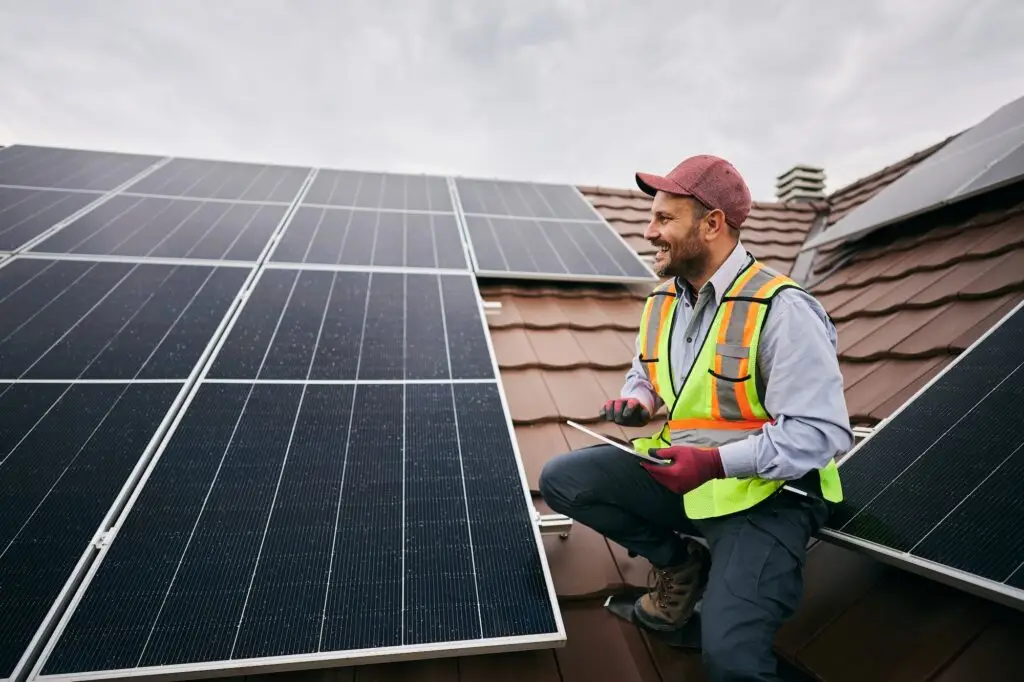
The solar panel installation process in Pasadena typically takes between one and three days of on-roof work, though the full timeline from contract to activation spans four to eight weeks due to permitting and utility interconnection.
Step 1: Site Assessment and System Design
The installer evaluates your roof’s condition, angle, orientation, and shading. In Pasadena, many homes have mature trees that can cast shadows on portions of the roof, so shade analysis is a critical step. The installer also reviews your electricity bills to determine the optimal system size.
Step 2: Permitting
Your installer submits plans to the City of Pasadena Building and Safety Division for a solar photovoltaic permit. California’s Solar Rights Act streamlines this process, but permit approval typically takes one to two weeks. Your installer handles this paperwork.
Step 3: Installation
On installation day, the crew mounts the racking system to your roof, attaches the panels, installs the inverter, and connects the system to your electrical panel. For most Pasadena homes, this takes one to two days. A well-organized crew minimizes disruption to your daily routine.
Step 4: Inspection and Interconnection
After installation, the city inspector verifies that the system meets code. Once approved, Southern California Edison reviews and approves the interconnection application. Only after the utility grants Permission to Operate (PTO) can you begin generating credits. This final step can take two to four weeks.
Is Your Pasadena Roof Ready for Solar?
Before installing solar panels, it is essential to confirm that your roof is in good condition and structurally sound. Solar panels are designed to last 25 to 30 years. If your roof needs replacement within the next 5 to 10 years, it is more cost-effective to address the roof first.
Removing solar panels to replace a roof, and then reinstalling them, adds significant cost and complexity. This is why experienced installers assess roof condition as part of the initial site evaluation.
In Pasadena and surrounding areas like Eagle Rock, Highland Park, and Glendale, common roofing materials include concrete tile, clay tile, and asphalt shingles. Each material requires different mounting hardware and attachment methods. Tile roofs, for example, require specialized tile hooks that slide beneath the tiles without drilling through them.
If your roof needs attention before solar, August Roofing offers both roofing and solar services, which means you can coordinate both projects with a single contractor. With over 30 years of experience and no deposit required to begin work, August Roofing simplifies the process of preparing your home for solar.
Q: How do I know if my roof is too old for solar panels?
A: If your roof is more than 15 years old, or if you notice cracked tiles, missing shingles, or visible wear, schedule a professional roof inspection before proceeding with solar. A qualified inspector can assess remaining lifespan and recommend whether repairs or replacement should come first.
Choosing a Qualified Solar Installer
Not all solar installers deliver the same quality of workmanship or customer experience. Choosing the right installer is one of the most important decisions you will make in this process.
Look for the following qualifications when evaluating solar companies in Pasadena:
- Active C-46 (Solar) and C-39 (Roofing) contractor licenses issued by the California Contractors State License Board
- Manufacturer certifications from panel and inverter brands
- A track record of installations in Pasadena and the San Gabriel Valley
- Transparent pricing with no hidden fees or required deposits
- Willingness to assess and address roof condition before panel installation
August Roofing and Solar is a licensed and certified contractor with over 30 years of experience serving homeowners across Southern California. Because we handle both roofing and solar, we can evaluate your entire roof system and ensure the structure is sound before panels go on. We require no deposit to begin work, and every project is managed by our in-house team.
Whether your home is in Pasadena, Altadena, San Marino, or anywhere in the greater San Gabriel Valley, working with a company that understands both your roof and your solar system protects your investment for decades. Learn more about our company and experience.
People Also Ask
How many solar panels does a Pasadena home need?
Most Pasadena homes require between 15 and 25 solar panels, depending on electricity usage and available roof space. A home that consumes 10,000 kWh per year typically needs a 7 to 8 kW system, which translates to approximately 18 to 20 panels.
How long do solar panels last in Southern California?
Solar panels are designed to last 25 to 30 years. Most manufacturers guarantee at least 80 percent of original production capacity at the 25-year mark. Southern California’s dry climate is favorable for panel longevity because there is minimal risk of moisture-related degradation.
Does Pasadena require a permit for solar panel installation?
Yes. The City of Pasadena requires a building permit for all solar photovoltaic installations. Your installer submits the permit application and engineering plans on your behalf. California’s Solar Rights Act limits the fees and processing times cities can impose.
Can I install solar panels on a tile roof in Pasadena?
Yes. Solar panels can be installed on concrete tile, clay tile, and flat tile roofs using specialized tile hooks and mounting hardware. The installer removes select tiles, attaches the mounting brackets to the roof deck, and replaces the tiles around the hardware to maintain the waterproof seal.
Frequently Asked Questions
What is the cost of solar power in Pasadena?
The average cost of a residential solar system in Pasadena ranges from $15,000 to $30,000 before the federal solar tax credit. The 30 percent federal Investment Tax Credit (ITC) reduces the net cost significantly. Your actual cost depends on system size, equipment selection, and roof complexity.
How long does it take for solar power in Pasadena to pay for itself?
Most solar power systems in Pasadena achieve payback within 6 to 9 years, depending on system cost, electricity usage, and net metering credits. After the payback period, the electricity your system generates is essentially free for the remaining 15 to 20 years of its lifespan.
Do I need a battery with solar panels in Pasadena?
A battery is not required, but it improves self-consumption and provides backup power during grid outages. Under NEM 3.0, batteries are more financially beneficial because they allow you to store surplus energy and use it during peak evening hours rather than exporting it at reduced credit rates.
What happens to my solar panels during a power outage?
Without a battery, your solar panels will shut down during a grid outage for safety reasons. This is a requirement called anti-islanding, which protects utility workers from unexpected electricity on the power lines. A battery with backup capability allows your home to operate independently during an outage.
Is solar power in Pasadena worth it with NEM 3.0?
Yes. Solar power in Pasadena remains a strong financial investment under NEM 3.0. While export credits are lower than under NEM 2.0, the combination of self-consumption savings, the federal tax credit, and optional battery storage still delivers a compelling return on investment for most homeowners.
If you are exploring solar power in Pasadena and want a clear, honest assessment of what a system would look like for your home, contact August Roofing and Solar for a free consultation. We will evaluate your roof, review your energy usage, and provide a transparent proposal with no deposit required.