
Key Takeaways
- Solar panels for first-time homeowners in Ventura County can reduce electricity bills by 50% or more, thanks to the region’s high UV index and over 270 sunny days per year.
- California’s NEM (net energy metering) policy allows Ventura County homeowners to receive bill credits for surplus solar energy sent back to the Southern California Edison grid.
- Installing solar panels increases a home’s resale value by approximately 4%, giving first-time buyers a built-in return on investment from day one.
- Ventura County’s climate, including coastal marine layer mornings and intense inland afternoon sun, is well-suited for solar energy production across cities like Oxnard, Thousand Oaks, Camarillo, and Simi Valley.
- California’s Title 24 building code already requires solar on most new construction, making it a standard feature rather than an optional upgrade for new homeowners.
Quick Links
- Why This Decision Matters Before You Move In
- How Solar Panels Reduce Your Electricity Bills
- California Solar Incentives and Net Metering for Ventura County
- How Solar Energy Supports Environmental Sustainability
- Solar Panels Help Keep Your Home Cooler
- Solar Energy Savings Ventura County: Return on Investment
- How Solar Increases Home Value for First-Time Buyers
- Choosing a Solar Installer in Ventura County
- People Also Ask
- Frequently Asked Questions
Why This Decision Matters Before You Move In
Solar panels for first-time homeowners in Ventura County represent one of the most impactful financial decisions you can make during your first year of homeownership. Getting it right from the start means lower monthly costs, better long-term equity, and fewer surprises on your Southern California Edison bill.
If you have recently closed on your first home in Oxnard, Thousand Oaks, Camarillo, or Simi Valley, you are probably staring at a long list of expenses. Between mortgage payments, property taxes, insurance, and maintenance, the monthly total can feel staggering. One line item you can actually control is your electricity bill.
In Ventura County, average residential electricity costs through Southern California Edison continue to climb year over year. For a first-time buyer already stretching to cover a mortgage, those utility bills add real pressure. Solar energy offers a way to lock in lower energy costs from the beginning, rather than absorbing rate increases for decades.
This guide explains exactly how solar works for first-time homeowners in this region, what financial incentives apply, and how to evaluate whether the investment makes sense for your specific home and budget.
How Solar Panels Reduce Your Electricity Bills
Solar panels reduce electricity bills by generating power directly from sunlight and offsetting the amount of energy you need to purchase from the utility grid. In Ventura County, where homes receive an average of 270 or more sunny days per year, solar panels typically offset 50% to 90% of a household’s annual electricity consumption.
Here is how the system works at a basic level. Photovoltaic (PV) cells in each solar panel convert sunlight into direct current (DC) electricity. An inverter, a box-sized device typically mounted near your electrical panel, converts that DC power into alternating current (AC) electricity, which is what your appliances, lights, and HVAC system use. Any electricity your panels produce that you do not immediately use flows back to the Southern California Edison grid, earning you bill credits under California’s net metering program.
The average California household spends roughly $2,400 per year on electricity. For a first-time homeowner in Ventura or Moorpark, a properly sized solar system can reduce that figure to $300 to $600 per year, depending on home size, roof orientation, and daily energy usage patterns.
Modern solar panels are also remarkably durable. Most manufacturers warrant panels for 25 years, and degradation rates are typically less than 0.5% per year. This means a panel producing 400 watts today will still produce approximately 350 watts after 25 years.
Routine maintenance is minimal. In most cases, occasional rain in the winter months is enough to keep panels clean, though homes near agricultural areas in Oxnard or Camarillo may benefit from an annual rinse to remove dust buildup.
Q: Do solar panels work on cloudy days in coastal Ventura County?
A: Yes. Solar panels still generate electricity on cloudy or overcast days, though at reduced output, typically 10% to 25% of their rated capacity. In coastal areas like Ventura and Oxnard, the morning marine layer usually burns off by midday, allowing panels to produce at full capacity during peak afternoon hours.
Q: Will I still have an electricity bill after installing solar?
A: In most cases, yes, but it will be significantly smaller. Southern California Edison charges a minimum monthly connection fee regardless of solar production. However, your actual energy charges will drop substantially, often to near zero during sunny months.
California Solar Incentives and Net Metering for Ventura County
California offers several financial incentives that make solar panels for first-time homeowners in Ventura County more affordable. Understanding these programs before you commit helps you calculate realistic payback timelines.
The most significant incentive is the federal Investment Tax Credit (ITC), which allows homeowners to deduct 30% of the total solar installation cost from their federal income taxes. For a $20,000 system, that translates to a $6,000 tax credit. This credit applies to both purchased and financed systems, though it does not apply to leased panels.
California’s Net Energy Metering (NEM) program is the second major benefit. Under NEM 3.0, the current version of the policy, homeowners receive credits on their utility bill for excess solar energy exported to the grid. The credit rate varies by time of day, with afternoon exports earning less than evening exports. This structure makes pairing solar with a home battery increasingly valuable, since you can store daytime energy and use it during expensive evening rate periods instead of exporting it at a lower value.
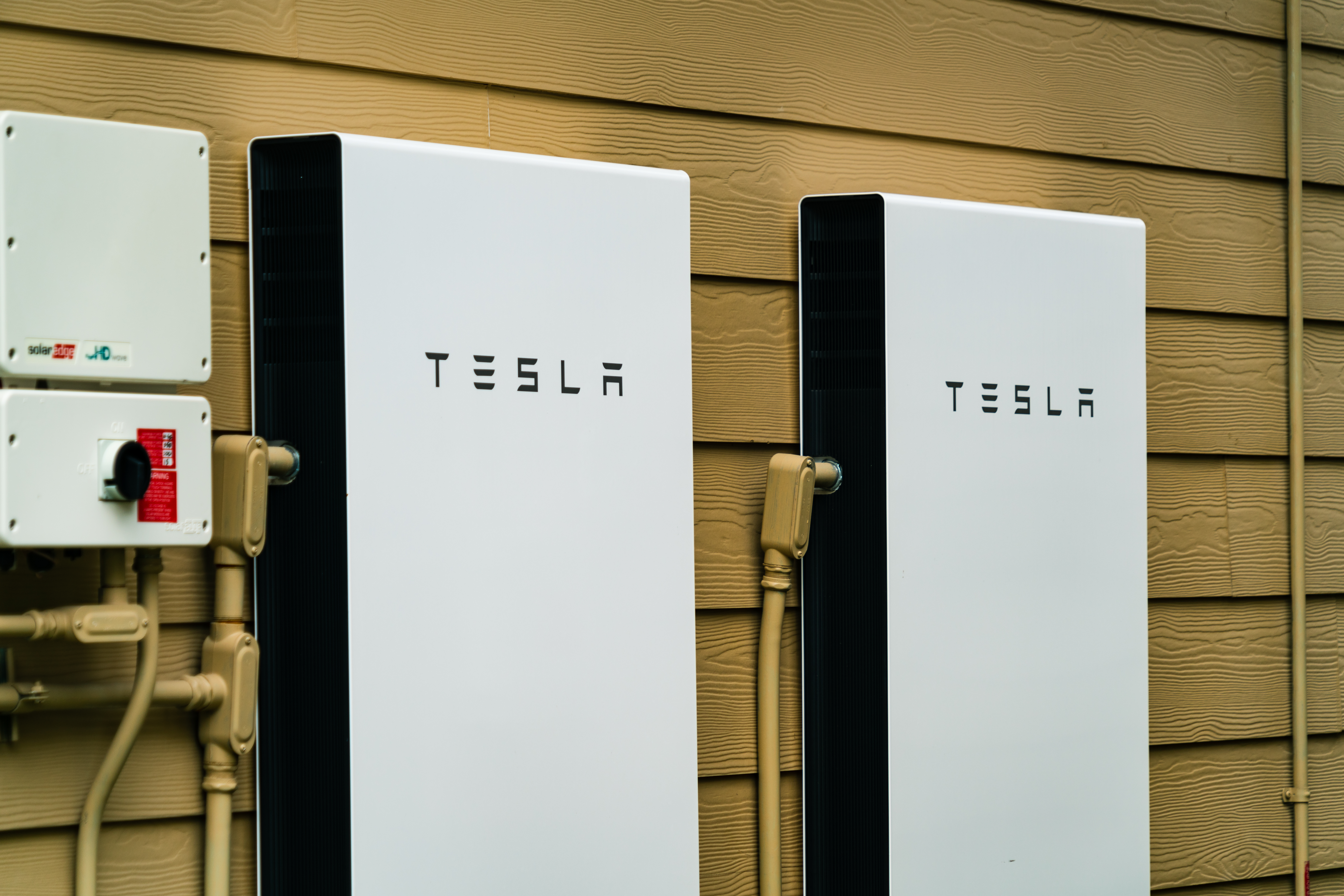
For homeowners interested in battery storage, the Self-Generation Incentive Program (SGIP) provides rebates on qualifying battery systems. Depending on your income level and location relative to wildfire zones, the rebate can cover 15% to 100% of battery costs. Several Ventura County neighborhoods, particularly in Simi Valley, Moorpark, and areas near the Thousand Oaks foothills, fall within CAL FIRE high fire hazard severity zones, which may qualify for enhanced SGIP rebates.
California’s Title 24 building code requires solar panels on most new residential construction built after January 2020. If you are buying a newly built home in Ventura County, solar panels may already be included. For existing homes, adding solar is optional but strongly incentivized by the programs described above.
How Solar Energy Supports Environmental Sustainability
Solar power produces electricity without burning fossil fuels, which means it generates no direct greenhouse gas emissions during operation. A typical residential solar system in Ventura County offsets approximately 3 to 4 metric tons of carbon dioxide per year, the equivalent of planting roughly 100 trees annually.
The manufacturing process for solar panels does require energy and raw materials. However, studies from the U.S. Department of Energy show that modern PV panels generate enough clean energy within 1 to 3 years of installation to fully offset the energy used in their production. Given that panels last 25 years or more, the net environmental benefit is substantial.
For first-time homeowners who want to reduce their household’s environmental impact, solar is one of the most effective single actions available. Unlike changes in driving habits or diet, which require ongoing daily effort, solar panels produce clean energy automatically once installed. You do not need to change any behavior after the system is operational.
Ventura County’s air quality also benefits from widespread solar adoption. The region occasionally experiences poor air quality days, particularly during Santa Ana wind events that carry wildfire smoke or when stagnant air traps vehicle emissions in the inland valleys around Simi Valley and Thousand Oaks. Every home that reduces its grid electricity consumption contributes to lower demand on natural gas peaker plants, which are among the most polluting power generation sources in Southern California.
Solar Panels Help Keep Your Home Cooler
Solar panels provide a passive cooling benefit by shading the roof surface underneath them. Research conducted at the UC San Diego Jacobs School of Engineering found that solar panels reduced the amount of heat reaching the roof by approximately 38%, resulting in measurable indoor temperature reductions.
This effect is especially relevant in Ventura County, where inland cities like Simi Valley and Thousand Oaks regularly experience summer temperatures above 95 degrees Fahrenheit. In these areas, air conditioning can account for 30% to 50% of a home’s total electricity usage during peak summer months. By reducing roof surface temperatures, solar panels decrease the thermal load on your HVAC system, which means your air conditioner runs less frequently.
The cooling benefit works through a simple mechanism. Solar panels are mounted several inches above the roof surface using a racking system. This creates an air gap that allows ventilation beneath the panels while the panels themselves absorb and convert sunlight into electricity rather than allowing it to heat your roofing material. The result is a cooler attic space and reduced heat transfer into your living areas.
Coastal homeowners in Ventura and Oxnard already benefit from cooler ocean breezes, so the cooling effect of solar panels is most pronounced for inland properties. Regardless of location, the reduced cooling load translates to additional solar energy savings in Ventura County beyond the direct electricity generation.
Q: Does the type of roofing material affect how well solar panels cool the house?
A: Yes. Darker roofing materials like standard asphalt shingles absorb more heat, so the shading benefit of solar panels is more noticeable on these roofs. Lighter tile roofs, common in Ventura County, already reflect more heat, but solar panels still provide a measurable cooling benefit regardless of roofing material.
Solar Energy Savings Ventura County: Return on Investment
The average solar panel system in Ventura County pays for itself in 5 to 8 years through electricity savings and tax incentives. After the payback period, all electricity generated by the system is essentially free, creating a return on investment that continues for 15 to 20 additional years.
Consider a straightforward example. A 7-kilowatt solar system, appropriate for a mid-sized home in Camarillo or Newbury Park, costs approximately $18,000 to $22,000 before incentives. After the 30% federal tax credit, the net cost drops to $12,600 to $15,400. If the system saves $1,800 to $2,200 per year on electricity, the payback period falls between 6 and 8 years.
After payback, those annual savings continue for the remaining life of the panels. Over a 25-year panel lifespan, total electricity savings can range from $30,000 to $55,000, depending on future utility rate increases. Southern California Edison has raised residential rates by an average of 3% to 5% per year over the past decade, which means solar savings actually increase over time as the rates you are avoiding continue to climb.
For first-time homeowners, this math is particularly compelling. If you plan to stay in your home for 10 or more years, solar panels will almost certainly save you more money than they cost. Even if you sell before the payback period ends, the increase in home value (covered in the next section) typically offsets the remaining system cost.
At August Roofing and Solar, we help first-time homeowners understand these numbers before making a commitment. With over 30 years of experience serving Ventura County, we provide transparent estimates with no deposit required, so you can evaluate the investment without financial pressure.
How Solar Increases Home Value for First-Time Buyers
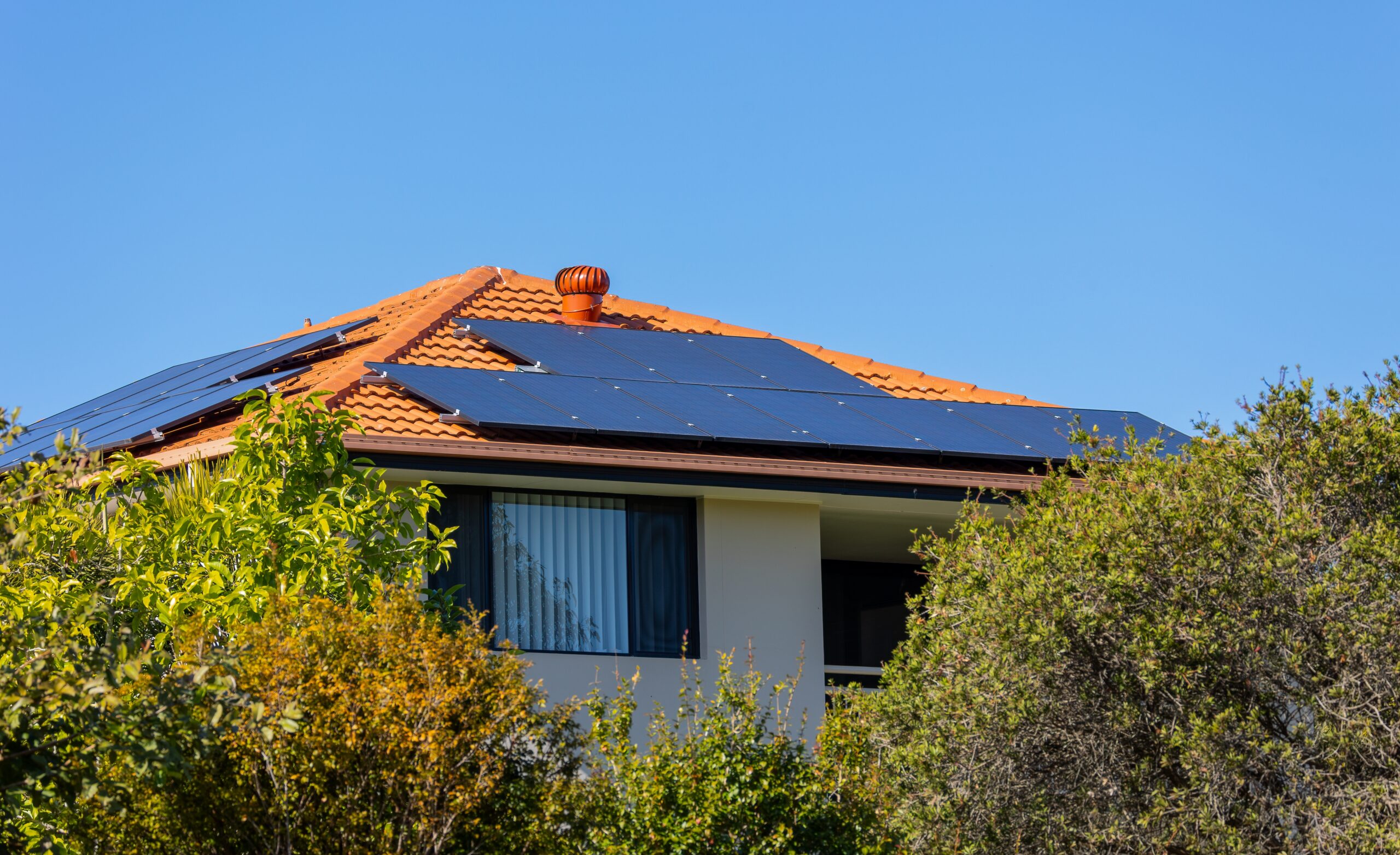
Homes with owned solar panel systems sell for approximately 4.1% more than comparable homes without solar, according to research from the Lawrence Berkeley National Laboratory. For a $700,000 home in Ventura County, that premium translates to roughly $28,700 in additional resale value.
This premium exists because buyers recognize the long-term utility savings that come with an existing solar system. A home with solar already installed means the next owner avoids the upfront cost and installation process while immediately benefiting from reduced electricity bills. In competitive Ventura County real estate markets like Thousand Oaks and Camarillo, solar can make a listing more attractive and reduce time on market.
It is important to distinguish between owned and leased solar systems. Owned systems, whether purchased outright or financed through a solar loan, transfer cleanly to the new owner and add appraised value. Leased systems require the buyer to assume the lease agreement, which some buyers view as a complication. For first-time homeowners considering solar, purchasing the system outright or financing it typically provides the best long-term financial outcome.
Home appraisers in California are increasingly trained to account for solar value using the PV Value tool, which calculates the present value of a solar system based on its age, size, and expected remaining energy production. This means the value solar adds to your home is not speculative. It is calculated using standardized methods recognized by the appraisal industry.
Q: Does solar add value to a home even if the panels are 10 years old?
A: Yes. As long as the panels are still producing electricity efficiently, they add value. A 10-year-old system with 15 years of remaining useful life still represents significant future energy savings for the next owner, which appraisers factor into the home’s value.
Choosing a Solar Installer in Ventura County
Selecting the right solar installer is as important as deciding to go solar in the first place. The quality of the installation affects system performance, roof integrity, and warranty coverage for decades.
Look for an installer that holds a C-46 solar contractor license and a C-39 roofing license in California. This dual licensing matters because solar installation involves penetrating your roof surface to mount the racking system. An installer who understands both roofing and solar can ensure that panel mounting points are properly sealed and flashed, preventing leaks that could cause costly water damage.
Ask about workmanship warranties in addition to panel and inverter manufacturer warranties. A reputable installer will warranty their labor and roof penetrations for at least 10 years. Also verify that the company carries general liability insurance and workers compensation coverage.
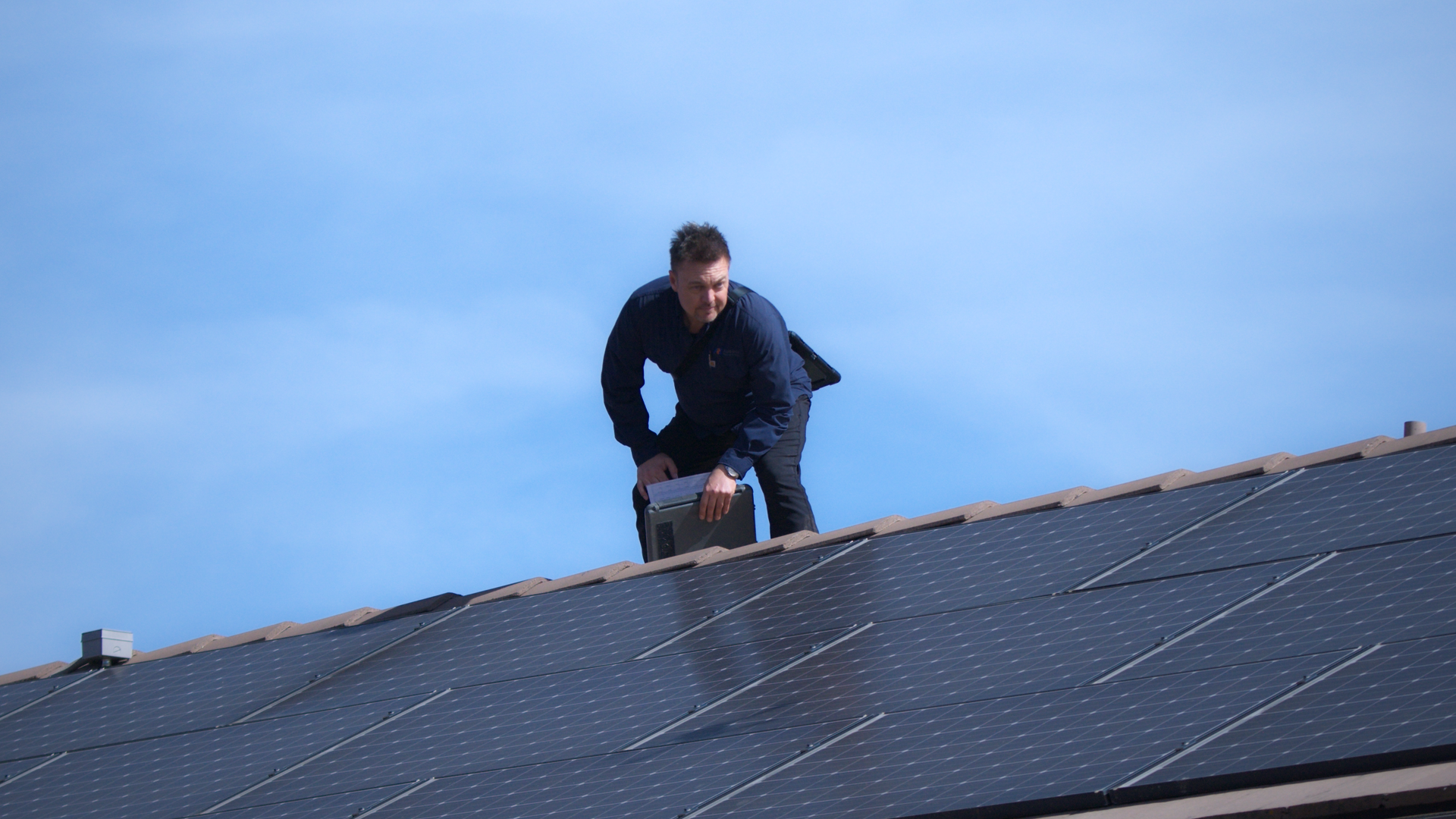
August Roofing and Solar holds both roofing and solar licenses and has served Ventura County homeowners for over 30 years. We complete a thorough roof inspection before every solar installation to verify that your roof is in sound condition. If repairs are needed, we handle them before panels go on, which protects both your roof warranty and your solar investment. Our process requires no deposit, so you can move forward with confidence.
Before signing with any installer, request at least three written proposals and compare system size, panel brand, inverter type, estimated annual production, and total cost. Be cautious of quotes that seem unusually low, as they may involve lower-quality equipment or subcontracted labor with less accountability.
People Also Ask
Is it worth getting solar panels as a first-time homeowner?
Yes, solar panels are generally a worthwhile investment for first-time homeowners in areas with strong sunlight like Ventura County. The combination of reduced electricity bills, federal tax credits, and increased home value typically produces a positive return within 5 to 8 years. After payback, the ongoing energy savings improve your monthly cash flow for the remaining life of the system.
How much do solar panels cost in Ventura County?
A typical residential solar panel system in Ventura County costs between $18,000 and $25,000 before incentives, depending on system size and equipment quality. After the 30% federal tax credit, net costs range from $12,600 to $17,500. Exact pricing depends on your roof layout, shading conditions, and electricity usage.
Do solar panels increase property taxes in California?
No. California’s Property Tax Exclusion for Solar Energy Systems (under Revenue and Taxation Code Section 73) excludes the added value of a qualifying solar energy system from property tax reassessment through January 1, 2025. This means your solar panels will not increase your property tax bill during the exclusion period.
Can I install solar panels on a tile roof in Ventura County?
Yes. Solar panels can be installed on tile roofs, which are common in Ventura County. The installation requires special tile hooks or brackets that attach to the roof deck beneath the tiles. An experienced installer will remove and replace tiles carefully to maintain waterproofing integrity. This is one reason it is important to choose a contractor with both roofing and solar expertise.
Frequently Asked Questions
What size solar system does a first-time homeowner in Ventura County need?
Most Ventura County homes require a solar system between 5 and 9 kilowatts, depending on annual electricity usage, roof space, and sun exposure. A qualified installer will review your past 12 months of Southern California Edison bills and use satellite imaging of your roof to recommend the right system size. Oversizing or undersizing the system affects both your savings and your payback timeline.
How long do solar panels last in Ventura County’s climate?
Solar panels typically last 25 to 30 years in Ventura County’s climate. The region’s moderate temperatures and minimal severe weather are ideal for panel longevity. Salt air exposure in coastal cities like Ventura and Oxnard can cause minor frame corrosion over time, but modern panels use corrosion-resistant aluminum frames and tempered glass designed to withstand coastal conditions.
Are solar panels for first-time homeowners in Ventura County a good investment if I plan to sell in 5 years?
It depends on your financing method. If you purchase solar panels outright, the increase in home resale value typically recovers most or all of the investment within 5 years. If you finance the system with a solar loan, your monthly payments may be offset by electricity savings, and the home value increase at sale helps cover any remaining loan balance. Leased systems are less ideal for short-term ownership because the lease transfer can complicate the sale.
Do I need a new roof before installing solar panels for first-time homeowners in Ventura County?
If your roof is more than 15 years old or shows signs of wear, it is generally recommended to repair or replace it before installing solar panels. Removing and reinstalling panels to do roof work later adds significant cost, typically $2,000 to $5,000. A reputable installer will inspect your roof condition and advise you honestly. At August Roofing and Solar, we handle both roofing and solar under one contract, simplifying the process.
What happens to solar panels during Santa Ana wind events or wildfires in Ventura County?
Solar panels are engineered to withstand winds up to 140 mph when properly installed, which exceeds typical Santa Ana wind speeds. During wildfire smoke events, panel output decreases due to reduced sunlight, similar to heavy cloud cover. Panels resume normal production once the air clears. If you live in a CAL FIRE high hazard zone in areas like Simi Valley or Moorpark, your roof must also meet ember-resistant requirements, which is an additional reason to work with an installer experienced in local building codes.
Solar panels for first-time homeowners in Ventura County offer a rare combination of immediate monthly savings, long-term financial return, and increased property value. Whether you recently purchased your first home in Camarillo, Newbury Park, or anywhere in the county, understanding how solar fits your budget and roof is the critical first step. If you are ready to explore whether solar makes sense for your home, schedule a free roof and solar assessment with August Roofing and Solar or call (805) 519-8099 to speak with our team.