
Key Takeaways
- Solar panel removal for roof replacement is necessary when panels must come off so the roof underneath can be repaired, reset, or fully replaced. The process is called solar R&R (remove and reinstall).
- The solar panel removal and install cost depends on system size, roof type, equipment condition, permitting, and whether upgrades or hidden repairs are needed. Public estimates range from $275 to $300 per panel, but total project cost varies significantly.
- The most common and most expensive mistake is installing solar on a roof that cannot last as long as the solar agreement. If the roof fails in five years, the homeowner pays for panel removal, roof work, and reinstallation separately.
- Working with one contractor qualified in both roofing and solar reduces scheduling gaps, divided responsibility, and warranty confusion.
- In Southern California, intense UV exposure, Santa Ana winds, seasonal rains, and wildfire considerations make roof-and-solar coordination especially important.
Quick Links
- Why Solar Panel Removal for Roof Replacement Matters
- What Is Solar Panel Removal and Reinstallation?
- The Most Common Mistake: Solar on a Roof That Is Not Ready
- Solar Panel Removal and Install Cost: What to Expect
- Why One Contractor for Roofing and Solar Reduces Stress
- What Happens During a Professional Solar R&R Project
- Permits, Licensing, and Safety
- Southern California Conditions That Affect Roof and Solar Planning
- Signs You May Need Solar Panel Removal for Roof Replacement
- People Also Ask
- Frequently Asked Questions
Why Solar Panel Removal for Roof Replacement Matters More Than Most Homeowners Realize
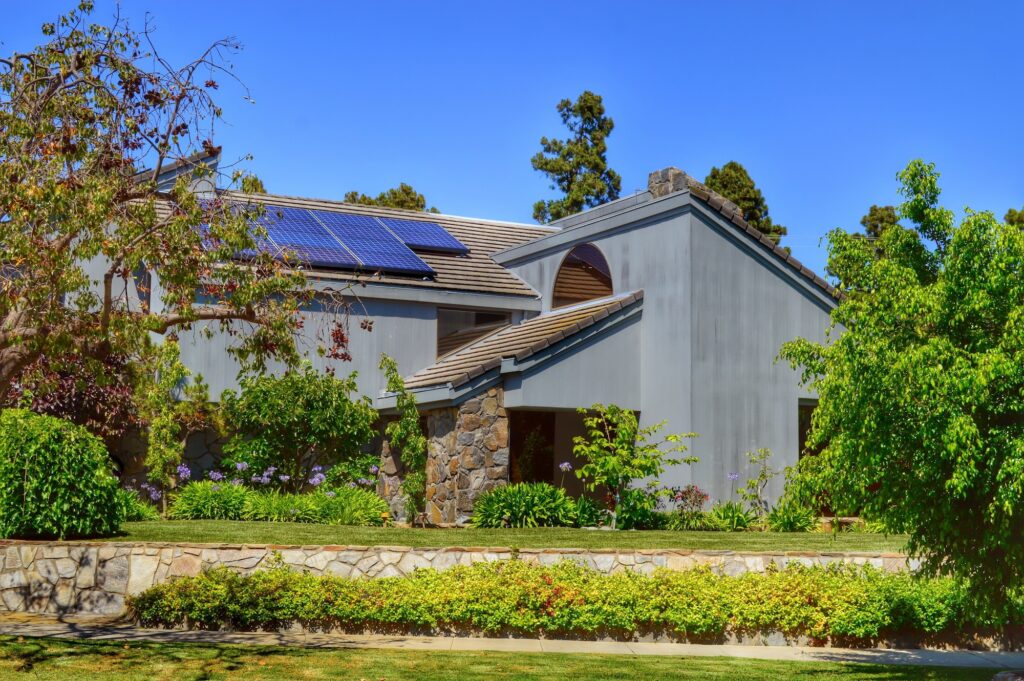
Solar panel removal for roof replacement becomes a reality for thousands of Southern California homeowners each year, often at a moment they did not plan for. A leak appears in the ceiling. A roofer identifies cracked tiles or worn underlayment beneath the array. The homeowner discovers that fixing the roof means the entire solar system must come off first.
The question is usually straightforward: can the panels come off, the roof get fixed, and the solar go back on safely? The answer is yes, but the quality of the process determines whether you protect both investments or create new problems.
Solar panels are not simply resting on your roof. They connect to racking, structural attachments, wiring, electrical equipment, and waterproofing points. When removal and roofing are handled by separate companies without coordination, homeowners can end up managing the project themselves, fielding scheduling conflicts, and sorting out warranty disputes after the fact.
That is exactly what this guide helps you avoid.
What Is Solar Panel Removal and Reinstallation?
Solar panel removal and reinstallation, often called solar R&R (remove and reinstall), is the process of temporarily taking an existing solar system off the roof, completing roofing work underneath, and then reinstalling and testing the system. R&R is not a permanent removal. The goal is to restore both the roof and the solar system to full performance.
Homeowners may need solar R&R for any of the following reasons:
- Full roof replacement
- Tile reset or underlayment replacement
- Leak repair beneath or near the solar array
- Dry rot repair
- Structural repairs to decking or rafters
- Solar equipment upgrades
- Roof-mounted system waterproofing concerns
- Property modifications requiring roof access
At August Roofing & Solar, our Solar System Removal & Install service is designed to safely remove and professionally reinstall existing systems. The service includes system verification, component removal, onsite storage, reinstallation, testing, and utility or inspection coordination when required.
The goal is simple: protect the roof, protect the solar system, and give the homeowner a clear path from start to finish.
Q: What does solar R&R mean?
A: Solar R&R stands for “remove and replace” or “remove and reinstall.” It refers to the full process of removing panels before roofing work and reinstalling them after the roof is ready.
The Most Common Mistake: Installing Solar on a Roof That Is Not Ready
The most common and most expensive mistake we see is when a homeowner installs solar on a roof that is already too old, actively leaking, or close to needing replacement. This happens because the solar sales conversation typically focuses on monthly utility savings, financing, and long-term energy agreements. Those topics matter. But they do not answer one critical question:
Will the roof underneath the solar system last as long as the solar commitment?
Solar agreements and equipment warranties often span 20 to 25 years. But the roof is still the homeowner’s responsibility. If a solar system is installed today and the roof fails in five years, the panels usually must come off before the roof can be repaired or replaced. Then the panels go back on. In practical terms, the homeowner pays for part of the solar installation process twice.
This is why a lower-cost solar proposal is not always the lower-cost decision over time. A good contractor should be willing to tell you when your roof is not ready for solar. That conversation may not be welcome in the moment, but it can prevent a much larger expense later.
Q: Should I replace my roof before installing solar panels?
A: If your roof is older than 15 years, showing signs of wear, or unlikely to last another 20 years, it is usually wise to evaluate roof replacement before installing solar. A roof and solar professional can help you compare the options and total long-term cost.
Solar Panel Removal and Install Cost: What Southern California Homeowners Should Expect
The solar panel removal and install cost varies because no two homes, roof systems, or solar installations are exactly the same. Public cost estimates from solar industry sources place removal and reinstallation at roughly $275 to $300 per panel, while other consumer-facing estimates show broader ranges depending on system size, access, and project complexity.
For homeowners, the most useful way to think about cost is not just “price per panel.” The full solar panel removal and install cost can be affected by:
- Number of panels and total system size
- Roof pitch, height, and access requirements
- Tile, shingle, or flat roof type
- Age and condition of solar equipment, racking, and wiring
- Inverter or microinverter setup
- Permits or utility coordination needs
- Whether the system is being reinstalled as-is or upgraded
- Whether roof repairs reveal hidden dry rot or structural issues
Here is the real cost conversation: a future solar R&R can become a significant added expense when solar was originally installed on a roof that was not ready. Completing the roof work correctly while panels are already removed is often less expensive than waiting until later, when the homeowner must pay for removal, roofing, and reinstallation as a separate construction process.
The lowest removal quote may not be the best value if it does not include proper documentation, safe handling, waterproofing, roof coordination, code awareness, and system testing. For a custom estimate based on your roof, solar system, and project scope, contact the August Roofing & Solar team directly.
Q: Is there a flat rate for solar panel removal?
A: There is no universal flat rate. The cost depends on panel count, roof type, equipment age, access, permitting, and whether upgrades or hidden repairs are needed. A site-specific evaluation is the most reliable way to understand your actual cost.

Why One Contractor for Roofing and Solar Reduces Stress
Many homeowners assume the process works like this: call a solar company to remove the panels, call a roofing company to replace the roof, then call the solar company back to reinstall. It can work that way, but it often creates confusion. The core problem is divided responsibility.
If the roof leaks after reinstallation, the homeowner may hear responses like these:
- “That was the solar company’s attachment.”
- “That was the roofer’s waterproofing.”
- “That was the old roof condition.”
- “Call the other contractor.”
When one qualified team understands both the roof and the solar system, the homeowner benefits from a single coordinated scope, one schedule, one communication path, clearer accountability, better waterproofing coordination, and fewer handoff problems.
This does not mean every project is simple. Some systems require original installer involvement, utility review, updated plans, or permit resubmission. But even then, a coordinated roofing and solar team can help homeowners understand what needs to happen and why.
August Roofing & Solar was built around this principle. With over 30 years of roofing experience and licensed solar capabilities, the team handles both sides of the project so homeowners do not get caught in the middle.
What Happens During a Professional Solar R&R Project
A professional solar R&R should feel organized, documented, and clear. Homeowners should know what is happening, who is responsible, and what to expect at each stage. Here is how the process typically works.
1. Solar and Roof Information Is Collected
The team starts by reviewing the existing solar system and the roofing concern. This includes system size, panel count, inverter type, monitoring access, roof type, roof age, known leak areas, repair history, and any available original solar documentation. This step helps the contractor understand the full picture before panels come off.
2. The Roof Is Evaluated
Before recommending a repair, tile reset, or replacement, the roof should be inspected. A professional examines tiles or shingles, underlayment, flashing, vents, penetrations, drainage, and signs of dry rot or water intrusion. Hidden damage discovered during tear-off, such as dry rot, should be documented and presented as a change order before proceeding.
3. The Solar System Is Safely Removed
Once the scope is approved and scheduling is coordinated, the solar crew carefully removes the system. Panels, racking, wiring, and related hardware are handled to protect the equipment. Components are documented and stored onsite.
4. Roofing Work Is Completed
With the panels removed, the roofing team can properly access the full roof surface. Depending on the project, this may include replacing underlayment, resetting tile, replacing shingles, repairing decking, addressing dry rot, updating flashing, improving drainage, and preparing solar attachment areas.
In Southern California, underlayment condition is especially important on tile roofs. The tile is not the only water-shedding layer. The underlayment beneath the tile does much of the work protecting the home from wind-driven rain and long-term moisture intrusion.
5. Solar Attachments Are Reinstalled and Waterproofed
When the roof is ready, the solar system is reinstalled. Attachments must be structurally secure and properly waterproofed. This is where roofing and solar knowledge overlap directly. The team needs to understand both the solar layout and the roof system underneath it.
6. The System Is Tested
After reinstallation, the system should be checked for proper operation. Depending on the system and local jurisdiction, inspections, utility coordination, or updated documentation may be required. California’s Solar Equipment Lists include equipment that meets national safety and performance standards (California Energy Commission).
7. The Homeowner Receives Clear Communication
A professional process ends with documentation, photos when appropriate, and a clear explanation of what was done. Homeowners should not be left guessing about what happened on their roof.
Permits, Licensing, and Safety for Solar Panel Removal
Solar R&R is not just a labor project. It can involve roofing, electrical, structural, fire access, and utility considerations. In California, licensing matters.
The California Contractors State License Board (CSLB) identifies C-39 roofing contractors as professionals who install and repair waterproofing and weatherproofing roof surfaces (CSLB C-39). The CSLB also identifies C-46 solar contractors as professionals who install, modify, maintain, and repair photovoltaic solar energy systems.
Homeowners do not need to memorize license classifications, but they should ask key questions before hiring:
- Are you licensed for the work being performed?
- Are you bonded and insured?
- Will you document existing roof and solar conditions?
- Will permits be pulled if required?
- Will you coordinate inspections or utility requirements?
- How will panels and hardware be stored?
- What happens if dry rot or outdated equipment is found?
- Who is responsible if there is a leak after reinstallation?
Fire access is also a consideration. For example, Los Angeles Fire Department guidance for solar placement includes roof access pathway requirements for residential dwellings, such as three-foot clear access pathways. Local requirements can vary, so homeowners should rely on licensed professionals and local code officials for project-specific guidance.
Q: Do I need a permit to remove and reinstall solar panels?
A: It depends on your city, utility provider, system condition, and whether the system is being modified. Some projects require permits, inspection, utility coordination with providers like Southern California Edison, or updated documentation.

Southern California Conditions That Affect Roof and Solar Planning
In Southern California, solar makes sense for many homeowners because of strong sun exposure and high interest in energy savings. But that same climate is hard on roofs. Understanding these conditions helps explain why solar panel removal for roof replacement is more common here than in many other regions.
Sun and UV Exposure
Southern California’s high UV index accelerates aging of shingles, sealants, and roof materials. Solar panels shade parts of the roof, but they do not stop the entire roof system from aging. Underlayment and flashing continue to degrade beneath the array.
Santa Ana Winds
Santa Ana winds push debris across roofs, stress edges, and expose loose or weakened materials. If solar attachments or roof components are not secure, wind events can reveal weaknesses that were not visible before.
Seasonal Rains
Many homeowners discover roof problems during the first major rain after a long dry season. Water finds weak points quickly, especially around penetrations, valleys, flashing, and older underlayment. This is often the trigger for a solar R&R project.
Wildfire Considerations
In wildfire-prone areas, roof debris, vent openings, gutters, and solar equipment placement should be considered as part of a broader home-hardening plan. CAL FIRE ember-resistant roofing requirements and Title 24 building standards may also apply during a roof replacement. Addressing these requirements during a solar R&R project, while the roof is already exposed, is more practical than retrofitting later.
Signs You May Need Solar Panel Removal for Roof Replacement
Homeowners often wait until there is an active leak before asking about solar panel removal for roof replacement. Sometimes that is unavoidable. But earlier evaluation gives you more options and typically costs less.
Watch for these signs:
- Water stains on ceilings or walls
- Broken, slipped, or cracked tiles
- Curling or missing shingles
- Leaks near solar attachment points
- Visible dry rot or sagging areas
- Repeated roof repairs in the same area
- Roof age over 15 to 20 years
- Underlayment concerns on older tile roofs
- Debris buildup under or around panels
- Pest or critter activity near wiring
- Solar production issues after storms or roof work
If you are not sure, schedule a professional roof evaluation before the rainy season. A small issue found early is almost always easier and less expensive to address than a leak discovered during a storm.
People Also Ask
How much does it cost to remove solar panels to replace a roof?
The cost depends on panel count, roof type, equipment condition, access, permitting, and whether upgrades are needed. Public estimates range from $275 to $300 per panel, but total project cost varies. A custom evaluation is the best way to understand your actual solar panel removal and install cost.
Do solar panels have to be removed to replace a roof?
In most cases, yes. If the roofing work is beneath the solar array, the panels need to be removed so the roof can be repaired, reset, or replaced correctly. Attempting to work around panels risks damaging both the roof and the solar system.
Will removing solar panels void my warranty?
It can if the work is performed improperly or by an unqualified contractor. Before starting, review your solar agreement, manufacturer warranty, installer warranty, and the qualifications of the contractor performing the R&R.
Who is responsible for removing solar panels during roof replacement?
Responsibility depends on your solar agreement, installer warranty, roofing contract, and project scope. Some original solar installers may need to be involved, but a roofing and solar company can often coordinate the full process.
Frequently Asked Questions
What is involved in solar panel removal for roof replacement?
Solar panel removal for roof replacement involves disconnecting and safely removing the entire solar array, including panels, racking, and wiring. The roof is then repaired or replaced. Afterward, the solar system is reinstalled, tested, and any required permits or inspections are completed.
How much does solar panel removal and reinstallation cost?
The solar panel removal and install cost depends on system size, roof type, access, equipment condition, and permitting needs. Industry estimates suggest $275 to $300 per panel, but the total cost can be higher when roof repairs, upgrades, or hidden damage are involved. A site-specific evaluation provides the most accurate figure.
Can solar panels cause roof leaks?
Solar panels do not automatically cause leaks, but poor attachment, weak waterproofing, aging underlayment, or damage around mounting points can create leak risks. This is why solar panel removal for roof replacement should include careful inspection and waterproofing of every penetration point during reinstallation.
How long does a solar R&R project take?
The timeline depends on the solar system size, roof scope, permitting, inspections, and weather. Most residential projects take between one and three weeks when properly coordinated. The most important factor is sequencing so panels are removed, roofing is completed, and the system is reinstalled in the correct order.
Should I replace my roof and solar panels at the same time?
If your roof is near the end of its useful life, replacing or resetting the roof before reinstalling solar avoids paying for solar removal and reinstallation again in a few years. Coordinating both projects together is usually the most cost-effective approach for long-term protection.
Protect the Roof First, Then Protect the Solar Investment
Solar can be a smart investment for Southern California homeowners. A quality roof is also one of the most important investments you make in your home. The two should work together.
When solar is installed on a roof that is already aging, leaking, or not prepared for the next 20 to 25 years, the homeowner may face a costly surprise later. That is why solar panel removal for roof replacement should be handled with care, planning, and the right expertise.
At August Roofing & Solar, we believe homeowners deserve clear information before making a major decision. We would rather explain the roof condition, show photos, discuss options, and help you understand the long-term value than rush a project that creates problems later. With over 30 years of experience, no deposit required, and proper licensing for both roofing and solar, we handle both sides of the project so you do not have to.
A good solar R&R process protects your roof, your solar system, your home, and your peace of mind.
If you are ready for a clear, professional opinion, schedule a free Roof Health Evaluation, a $279 value. We will help you understand your roof, your solar options, and the best next step for your home.