
Key Takeaways
- Solar panel maintenance in Ventura County requires attention to region-specific factors like coastal marine layer buildup, Santa Ana wind debris, and high UV degradation that do not apply in other climates.
- Cleaning solar panels two to four times per year using a garden hose and soft brush can restore up to 20 percent of lost energy output caused by dust, bird droppings, and salt film accumulation.
- Professional installation by a licensed roofing contractor ensures proper flashing, mounting, and roof integration, which prevents leaks and preserves your roof warranty.
- Monitoring your system through an inverter app or dedicated monitoring platform helps you catch performance drops early, before small issues become expensive repairs.
- Storm damage inspections after Santa Ana wind events or heavy rain are critical for identifying cracked panels, loose racking, and debris blockages that reduce efficiency.
Quick Links
- Why Solar Panel Maintenance Matters in Ventura County
- Proper Installation Is the Foundation of Low-Maintenance Solar
- Shade, Sunlight, and the Southern California Sun Path
- How to Clean Solar Panels Safely and Effectively
- Protecting Solar Panels from Storm and Wind Damage
- Tracking and Monitoring Solar Panel Performance
- A Seasonal Solar Panel Maintenance Schedule for Ventura County
- People Also Ask
- Frequently Asked Questions
Why Solar Panel Maintenance Matters in Ventura County
Solar panel maintenance in Ventura County is not the same as maintaining a system in Phoenix or Portland. The combination of coastal salt air, inland heat spikes, seasonal Santa Ana winds, and one of the highest UV indexes in the United States creates a unique set of challenges that can quietly erode your system’s performance over time.
If you are a homeowner in Oxnard, Thousand Oaks, Camarillo, or Simi Valley, you may have noticed a slow decline in your solar output without an obvious cause. Dust films, micro-debris from wildfires, and mineral deposits from marine layer moisture can coat panels so gradually that the energy loss seems normal. It is not.
The good news is that solar panel maintenance is straightforward when you understand what to look for and when to act. This guide walks through every element of maintaining a residential solar system in Southern California, from installation quality to seasonal cleaning schedules, so you can protect your investment and keep your electricity bills low.
Proper Installation Is the Foundation of Low-Maintenance Solar
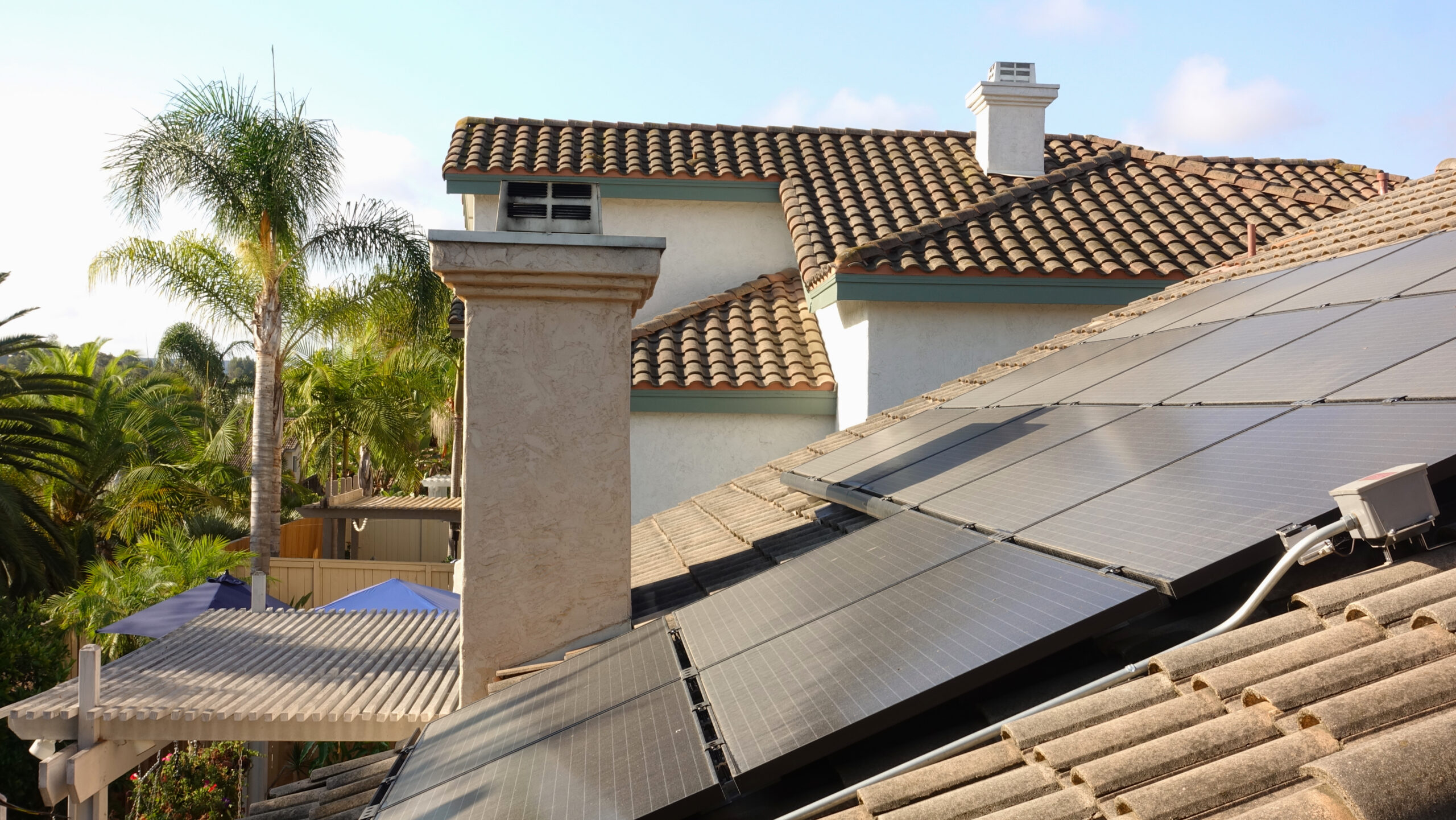
A solar panel system is only as reliable as its installation. When panels are mounted incorrectly, the problems that follow are not just electrical. They are structural. Improper attachment points can crack roof tiles, compress shingles, or create gaps in the waterproof membrane beneath the mounting hardware. Over months, those gaps allow water to penetrate the roof deck, leading to rot, mold, and interior water damage.
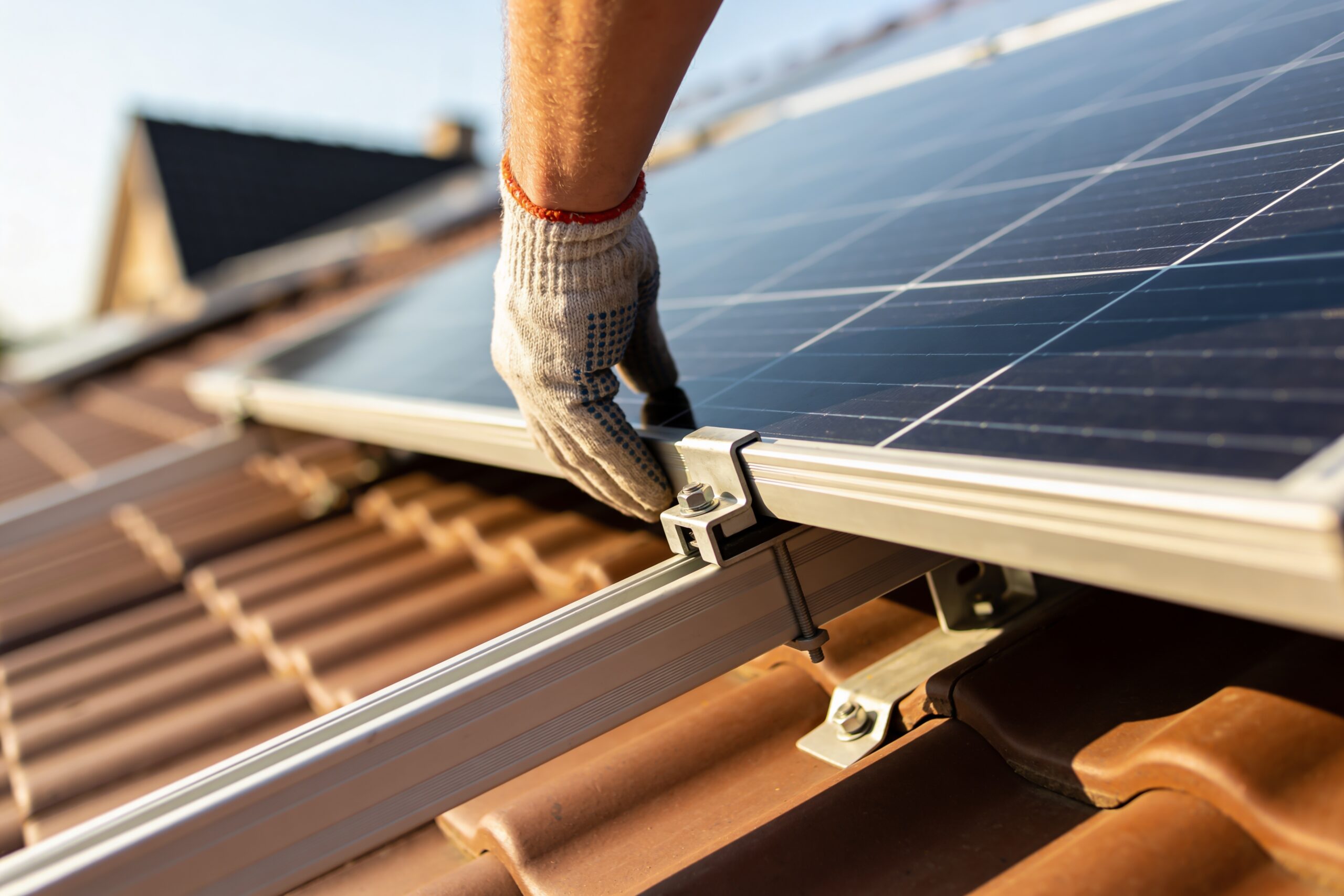
Professional installation starts with a thorough roof assessment. A qualified contractor examines the decking condition, existing flashing, and structural load capacity before placing a single panel. The mounting system, which consists of rails, footings, and lag bolts, must be integrated with the roofing material rather than simply bolted through it. Flashing boots are installed around each penetration point to maintain the waterproof barrier.
This is where hiring a roofing contractor with solar expertise makes a measurable difference. A company that understands both systems, like August Roofing and Solar with over 30 years of roofing experience in Ventura County, can identify potential issues before installation begins. The result is a system that performs well electrically and does not compromise your roof’s ability to shed water.
Q: Can solar panel installation void my roof warranty?
A: It depends on who performs the installation. If a solar-only installer damages roofing material or improperly seals penetrations, the roofing manufacturer may not honor the warranty. Working with a licensed roofing contractor who also installs solar ensures both systems are covered.
Q: Should I replace my roof before installing solar panels?
A: If your roof is more than 15 years old or shows signs of wear, replacing it before solar installation is usually more cost-effective. Removing and reinstalling solar panels later for a roof replacement adds significant expense.
Shade, Sunlight, and the Southern California Sun Path
Solar panels produce the most electricity when they receive direct, unobstructed sunlight. In Ventura County, the optimal orientation is south-facing at a tilt angle between 20 and 30 degrees, which aligns with the region’s latitude and maximizes year-round exposure.
However, sunlight conditions change over time. A home in Moorpark or Newbury Park may have had full sun exposure at the time of installation, but five years of tree growth can introduce significant shading. Even partial shade on a single panel can reduce output across an entire string of panels if the system uses a traditional string inverter. This is because string inverters process electricity from multiple panels as a single circuit. When one panel underperforms, it drags down the entire string.
Microinverters and DC power optimizers solve this problem by allowing each panel to operate independently. If your system was installed with a string inverter and you now experience shading, retrofitting with optimizers is often more practical than removing trees.
Southern California’s coastal marine layer also plays a role. Homes closer to the coast in Ventura and Oxnard often experience morning fog that delays peak solar production by one to two hours during late spring and early summer. This is normal and does not indicate a system malfunction. Monitoring your production data over time helps distinguish between weather-related dips and actual performance problems.
How to Clean Solar Panels Safely and Effectively
Knowing how to clean solar panels is one of the simplest ways to maintain energy output. A dirty panel can lose 15 to 25 percent of its rated efficiency, and in Ventura County, panels get dirty faster than in many other regions due to dust, pollen, bird droppings, and salt residue carried inland from the Pacific.
The cleaning process is not complicated. Use a standard garden hose with a spray nozzle to rinse the panels early in the morning or late in the evening when the glass surface is cool. Spraying cold water onto hot panels can cause thermal stress and micro-cracking in the glass, so timing matters. For stubborn residue, a soft-bristle brush or squeegee with a telescoping handle works well. Do not use abrasive pads, pressure washers, or chemical cleaners. These can scratch the anti-reflective coating or leave chemical films that attract more dirt.
For homes near agricultural areas in Camarillo or the Oxnard Plain, pollen and pesticide drift can create a sticky film that plain water will not remove. In these cases, a mild solution of dish soap and water applied with a soft cloth is effective. Rinse thoroughly afterward.
Cleaning Frequency Guidelines for Ventura County
Most Ventura County homeowners should clean their solar panels two to four times per year. The ideal schedule follows seasonal patterns. Clean once after the fall Santa Ana wind season to remove ash and dust. Clean again in early spring to clear winter grime and pollen. A third cleaning in midsummer addresses bird droppings and general dust. Homes near the coast may benefit from a fourth cleaning to address salt accumulation.
Q: Is rainwater enough to keep solar panels clean?
A: In most cases, no. Light rain can rinse loose dust, but it often leaves mineral spots as the water evaporates. Heavier rain helps more, but Ventura County’s dry season means months can pass without meaningful rainfall.
Protecting Solar Panels from Storm and Wind Damage in Ventura County
Solar panels are engineered to withstand moderate weather. Most residential panels carry an IEC 61215 certification, meaning they have been tested to resist hail up to one inch in diameter at 50 miles per hour and wind loads up to 140 miles per hour. That said, Ventura County presents specific weather events that push these limits.
Santa Ana winds are the primary concern. These hot, dry winds blow from inland deserts toward the coast, often reaching sustained speeds of 40 to 60 miles per hour with gusts exceeding 80 miles per hour. They carry fine dust, ash from distant wildfires, and small debris that can accumulate on panels and scratch surfaces. After every significant Santa Ana event, inspect your panels visually from the ground and check your monitoring system for production drops.
Hail is rare in Ventura County, but not unheard of during strong winter storm cells. More common is damage from falling tree branches during high winds. If mature trees overhang your roof, trimming branches back at least six feet from the panel array reduces risk significantly.
Post-Storm Inspection Checklist
After a major storm or wind event, walk around your property and look for the following signs from the ground. Check for visible cracks or chips in panel glass. Look for displaced mounting hardware or rails that appear shifted. Note any new debris piles on or around the array. Check your inverter display or monitoring app for error codes or production drops. If you see physical damage or suspect structural issues, schedule a professional roof and solar inspection before climbing onto the roof yourself.
Extreme heat is another factor. Inland areas like Simi Valley and Thousand Oaks regularly exceed 100 degrees Fahrenheit during summer. Solar panels lose approximately 0.3 to 0.5 percent efficiency for every degree Celsius above 25 degrees Celsius (77 degrees Fahrenheit). Proper installation accounts for this by leaving a gap of several inches between the panels and the roof surface, which allows air to circulate underneath and carry heat away. If your panels were installed flush to the roof with minimal clearance, they will run hotter and produce less power during peak summer months.
Tracking and Monitoring Solar Panel Performance
Monitoring is the most underused maintenance tool available to homeowners. Most modern solar systems include some form of digital monitoring, either through the inverter manufacturer’s app or a third-party monitoring platform. These tools track daily, weekly, and monthly energy production in kilowatt-hours and compare it against expected output based on your system size and local weather data.
The key metric to watch is production per panel or per string over time. A sudden drop in one panel or string while others remain stable usually indicates a hardware issue such as a failed microinverter, a loose wiring connection, or physical damage. A gradual decline across all panels is more likely caused by soiling, shading changes, or normal panel degradation, which averages about 0.5 percent per year for modern monocrystalline panels.
If your system is connected to the grid through net metering (NEM) with Southern California Edison, monitoring becomes even more important. Under the current NEM 3.0 structure in California, the value of exported electricity varies by time of day. Knowing exactly when your system produces and when it underperforms helps you make informed decisions about adding battery storage or shifting household energy use to peak solar hours.
What to Do When Monitoring Shows a Problem
Start by checking for obvious physical causes. Inspect panels from the ground for visible dirt, debris, or damage. Check your breaker panel to ensure the solar circuit breakers have not tripped. Restart your inverter by powering it off for 60 seconds and turning it back on. If the issue persists for more than 48 hours, contact your installer or a qualified solar maintenance provider.
Q: Do I need to buy a separate monitoring system?
A: Most systems installed in the last five years include monitoring through the inverter brand, such as Enphase, SolarEdge, or Tesla. If your system is older and lacks monitoring, aftermarket devices like Sense or Emporia Vue can track whole-home solar production at a reasonable cost.
A Seasonal Solar Panel Maintenance Schedule for Ventura County
Organizing your solar panel maintenance in Ventura County around the seasons simplifies the process and ensures nothing gets overlooked. The following schedule is designed for the specific climate conditions found across Ventura County, from coastal Ventura to inland Simi Valley.
Fall (October through December)
This is Santa Ana wind season. Clean panels after each major wind event to remove dust and debris. Trim any tree branches that have grown within six feet of the array during the summer. Check mounting hardware for signs of loosening caused by thermal expansion cycles. Verify that your monitoring system is functioning and review the previous quarter’s production data.
Winter (January through March)
Ventura County’s rainy season can deposit mineral spots on panels as puddles evaporate. After the last significant rain of the season, perform a full cleaning. Inspect the roof surface around the array for signs of water pooling or damaged flashing. This is also a good time to schedule a professional inspection if your system is more than five years old. August Roofing and Solar offers free inspections with no deposit required, which makes this a low-risk step for homeowners.
Spring (April through June)
Pollen counts peak in Ventura County during spring. Clean panels in May after the heaviest pollen weeks have passed. Check for bird nests under the array, as the gap between panels and roof is a common nesting spot. Bird nests block airflow, trap moisture, and can damage wiring. Install critter guards if nesting is a recurring issue.
Summer (July through September)
Peak production season. Monitor daily output closely and compare against the previous summer. Clean panels at least once to remove accumulated dust. Check that the inverter and any battery systems are operating within normal temperature ranges. Inland homeowners in Thousand Oaks and Simi Valley should pay extra attention to heat-related efficiency losses during triple-digit days.
People Also Ask
How often should you clean solar panels in Southern California?
Most Southern California homeowners should clean their solar panels two to four times per year. Areas with higher dust, coastal salt exposure, or nearby agriculture may require cleaning every three months. Monitoring energy output helps determine if cleaning is needed sooner.
Do solar panels need maintenance in Ventura County?
Yes. Solar panel maintenance in Ventura County is important because of region-specific factors like Santa Ana wind debris, marine layer salt buildup, and high heat days that reduce panel efficiency. Regular cleaning, monitoring, and post-storm inspections keep systems performing at their rated capacity.
Can dirty solar panels damage my system?
Dirty panels do not cause direct mechanical damage, but heavy debris accumulation can create hot spots where blocked cells overheat. Over time, hot spots can degrade individual cells and reduce the lifespan of affected panels. Routine cleaning prevents this.
What is the best time of day to clean solar panels?
Early morning or late evening is the best time to clean solar panels. The glass surface is cool during these hours, which prevents thermal shock from cold water. Cleaning during midday when panels are hot can cause micro-cracks in the tempered glass.
Frequently Asked Questions
What does solar panel maintenance in Ventura County involve?
Solar panel maintenance in Ventura County includes regular cleaning to remove dust, salt, and debris, visual inspections after storms and Santa Ana wind events, monitoring system output through an inverter app, and periodic professional inspections of mounting hardware, flashing, and wiring. Most homeowners can handle cleaning themselves, while structural and electrical checks benefit from professional attention.
How much does solar panel maintenance cost?
DIY cleaning costs virtually nothing beyond water and a soft brush. Professional solar panel cleaning services in Ventura County typically range from $150 to $350 depending on system size and roof accessibility. Annual professional inspections, which include electrical and structural checks, usually cost between $200 and $400.
Does solar panel maintenance in Ventura County differ from other regions?
Yes. Ventura County’s combination of coastal marine layer, Santa Ana winds, high UV index, and wildfire ash creates maintenance demands that differ from inland or northern climates. Panels need more frequent cleaning, and mounting systems must be inspected for salt corrosion in coastal areas like Oxnard and Ventura.
How long do solar panels last without maintenance?
Solar panels are rated to last 25 to 30 years, but without maintenance, efficiency losses can accumulate to 30 percent or more within the first decade. Regular maintenance keeps degradation close to the manufacturer’s expected rate of 0.5 percent per year and protects your return on investment.
Should I hire a roofer or a solar company for panel maintenance?
A contractor with both roofing and solar expertise is ideal because maintenance involves both the panels and the roof system they are mounted on. A roofing-only company may overlook electrical issues, while a solar-only company may miss flashing failures or roof deck damage. A dual-licensed contractor like August Roofing and Solar covers both.
Keep Your Solar System Performing at Its Best
Solar panel maintenance in Ventura County does not need to be complicated, but it does need to be consistent. The climate here rewards homeowners who stay proactive with cleaning, monitoring, and seasonal inspections. A well-maintained system produces more electricity, lasts longer, and protects the roof underneath it.
If it has been more than a year since your last inspection, or if you have noticed a drop in energy production, a professional assessment can identify issues before they grow. Schedule a free solar and roof inspection with August Roofing and Solar, or call (805) 519-8099 to speak with our team. No deposit is required, and there is no obligation. We are here to help Ventura County homeowners get the most from their solar investment.