
Key Takeaways
- Fall is the best time for solar panel installation in Santa Barbara because of mild coastal temperatures, lower installer demand compared to summer, and the ability to lock in tax incentives before year-end.
- Spring is the second-best window, though marine layer cloud cover and permitting backlogs can slow the timeline by several weeks.
- Summer installations are possible but pose heat-safety risks for rooftop crews, while winter projects may face rain delays yet still qualify for expiring rebates and NEM net metering credits.
- Planning your installation at least 8 to 12 weeks in advance helps ensure permitting, utility interconnection, and equipment procurement all align with your target install date.
- August Roofing and Solar, with 30-plus years of experience in Southern California, offers free consultations and requires no deposit to start the process.
Quick Links
- Why Timing Your Solar Project Matters in Santa Barbara
- Fall: The Best Season for Solar Panel Installation in Santa Barbara
- Spring: A Solid Second Choice
- Summer: Possible but Challenging
- Winter: Last Resort with One Key Advantage
- Permitting, Inspections, and Utility Interconnection in Santa Barbara
- How Solar Panels Work on a Santa Barbara Rooftop
- Financial Incentives and the Best Time to Install Solar Panels
- People Also Ask
- Frequently Asked Questions
- Plan Your Solar Panel Installation in Santa Barbara
Why Timing Your Solar Project Matters in Santa Barbara
If you are a Santa Barbara homeowner researching solar panel installation, you have probably noticed that most guides give generic advice about “going solar” without addressing local weather patterns, permitting timelines, or utility-specific rules. That gap can cost you weeks of delays and, in some cases, hundreds of dollars in missed incentives.
Santa Barbara sits in a unique coastal climate zone. Morning marine layer, afternoon sun, mild winters, and occasional Santa Ana wind events all influence when rooftop work can happen safely and efficiently. Understanding these seasonal factors before you commit to a contract helps you avoid scheduling conflicts, protect your roof system, and maximize the financial return on your investment.
This guide breaks down each season so you can choose the best time to install solar panels on your specific home, whether you live near the waterfront in the Funk Zone or up in the foothills of Mission Canyon.
Fall: The Best Season for Solar Panel Installation in Santa Barbara
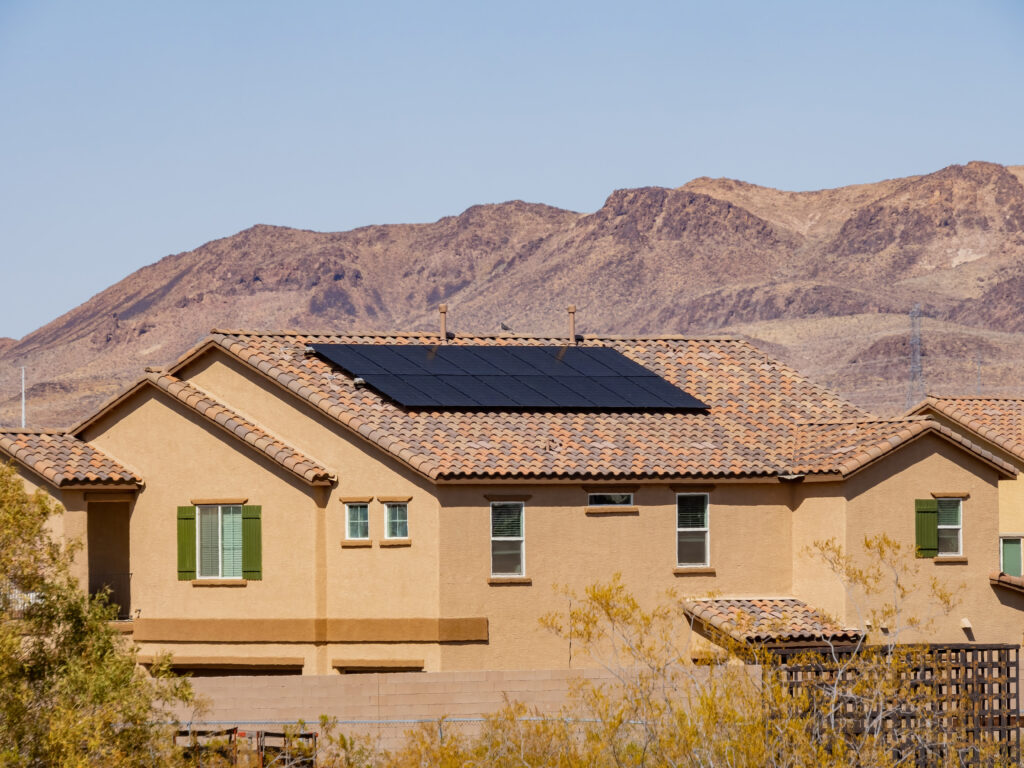
Fall, specifically September through November, is the optimal window for solar panel installation in Santa Barbara. Daytime temperatures along the coast typically range from 65 to 80 degrees Fahrenheit, which keeps rooftop surfaces well below the 140-plus-degree thresholds common in summer. That matters because installers work more safely and efficiently when roof deck temperatures stay moderate.
Santa Barbara’s fall weather is also the most predictable. The marine layer that blankets mornings in May and June largely dissipates by October, giving crews full-day work windows. Rain is rare before late November in most years, so project timelines face fewer weather-related delays.
Tax Incentive Alignment
A fall installation gives you the best chance of completing your system, passing city inspection, and receiving Permission to Operate (PTO) from Southern California Edison before December 31. That means you can claim the federal Investment Tax Credit, currently 30 percent of qualified costs, on the same year’s tax return rather than waiting another 12 months.
Positioning for Peak Production
Solar panels installed in fall have several months of lower-production winter sunlight to settle into your energy routine. By the time Santa Barbara’s high-UV spring and summer arrive, your system is fully operational, your monitoring app has baseline data, and any warranty adjustments have been handled.
Q: Does the marine layer affect solar production in fall?
A: In Santa Barbara, the marine layer is thinnest during fall. Mornings may start overcast, but panels typically receive direct sunlight by mid-morning, making fall one of the highest-yield shoulder seasons for solar.
Q: Is it harder to book a solar installer in fall?
A: Fall is a busy period for roofing and solar contractors across Southern California. Reaching out 8 to 12 weeks before your preferred start date helps secure availability. August Roofing and Solar schedules free consultations year-round and requires no deposit to reserve your spot.
Spring: A Solid Second Choice for Santa Barbara Solar Projects
Spring, from March through May, is the second-best time to install solar panels in Santa Barbara. Temperatures are mild, and days are getting longer, which means more potential production once your system is live. However, two factors make spring slightly less ideal than fall.
Marine Layer Considerations
Santa Barbara experiences its heaviest marine layer influence from late April through June, a phenomenon locals call “May Gray” and “June Gloom.” While this does not prevent installation, it can reduce the number of full-sun work hours per day. Crews may start later or finish earlier, extending the overall project timeline by a day or two.
Permitting Backlogs
The City of Santa Barbara and Santa Barbara County building departments often see a spike in solar permit applications in early spring as homeowners try to beat summer. Processing times can stretch to three or four weeks during peak periods. Submitting your permit application in February, before the spring rush, can shave one to two weeks off your timeline.
Despite these factors, a spring installation still positions your system to capture the high-production months of July and August. If you missed the fall window, spring is a smart alternative.
Summer: Possible but Challenging for Solar Panel Installation
Summer seems like the logical time to go solar since the sun is strongest. In practice, summer installations in Santa Barbara come with challenges that can slow or complicate the project.
Rooftop Heat Safety
Even in a coastal city like Santa Barbara, roof surface temperatures can exceed 150 degrees Fahrenheit on a clear July afternoon. Asphalt shingles absorb and radiate heat, and concrete or clay tile roofs, common across the area, become dangerously hot. Installers are required to follow Cal/OSHA heat illness prevention standards, which mandate rest breaks, shade access, and water. These precautions are essential but add time to each workday.
Inland communities like Goleta and Carpinteria can see even higher ambient temperatures, pushing rooftop conditions further into the caution zone.
Scheduling Congestion
Summer is peak season for roofing contractors across Southern California. Crews are often committed to re-roofing projects, leaving fewer openings for solar installations. If your roof also needs repair or replacement before panels go on, summer scheduling becomes doubly difficult.
Q: Can solar panels be installed during a heat wave?
A: Reputable contractors will pause rooftop work when temperatures create unsafe conditions. A heat wave can delay a summer installation by several days. Planning for fall or spring reduces this risk significantly.
Winter: Last Resort with One Key Advantage
Winter, from December through February, is generally the least predictable season for outdoor construction in Santa Barbara. Pacific storm systems can bring multi-day rain events, and shorter daylight hours reduce the available work window. A project that takes three days in October could stretch to a week or more in January if rain interrupts the schedule.
The Year-End Tax Advantage
There is one scenario where a winter installation makes strategic sense. If you need to claim the federal solar tax credit before the end of the current tax year and your system can be installed, inspected, and granted PTO by December 31, a winter timeline may be worth the weather risk. This situation typically applies to homeowners who began the planning process in fall but faced delays in permitting or equipment delivery.
Roof Condition Considerations
Winter is also when existing roof issues become most apparent. Leaks, poor drainage, and damaged flashing tend to show up during rain. If your roof needs attention before solar panels can be mounted, discovering these problems in winter actually gives you time to address them and schedule your solar installation for the following spring or fall.
August Roofing and Solar offers comprehensive roofing services alongside solar, so both projects can be coordinated under one contractor. That streamlined approach avoids the delays that come from scheduling two separate companies.
Permitting, Inspections, and Utility Interconnection in Santa Barbara
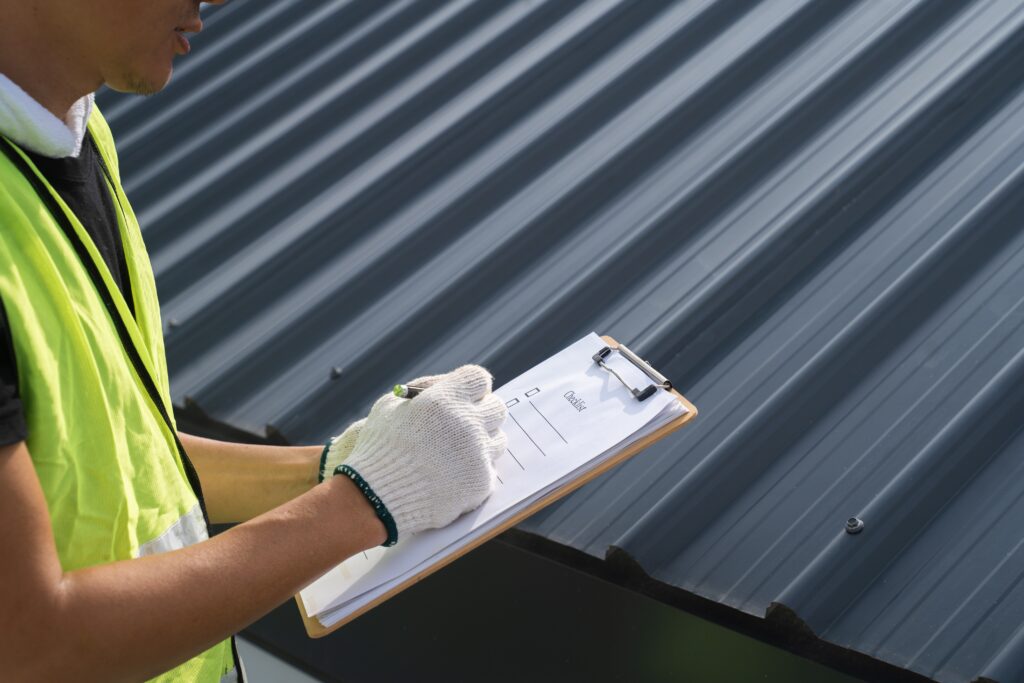
No matter which season you choose, the administrative side of solar panel installation in Santa Barbara follows a multi-step process that takes weeks to complete. Understanding each step helps you set realistic expectations.
Step 1: Site Assessment and System Design
A qualified installer evaluates your roof orientation, pitch, shading, and structural capacity. In Santa Barbara, south-facing and west-facing roofs typically yield the highest production. Your installer uses this data to design a system sized to your electricity usage, which you can verify on your Southern California Edison bill.
Step 2: Permit Submission
Your contractor submits engineering plans to the City of Santa Barbara or the County building department. Turnaround times vary from two to five weeks depending on season and application volume. Some jurisdictions offer expedited solar permit review under California’s Solar Rights Act.
Step 3: Installation
Physical installation of a typical residential system, usually between 6 and 12 kilowatts, takes one to three days. This includes mounting the racking system to your roof, securing the panels, wiring the inverter, and connecting to your main electrical panel.
Step 4: Inspection and PTO
After installation, a city or county inspector verifies the work meets code. Once approved, your installer submits interconnection paperwork to Southern California Edison. PTO, which is Permission to Operate, allows your system to send excess electricity back to the grid under California’s current net billing tariff (formerly NEM). This final step can take two to six weeks.
The entire process from consultation to PTO commonly spans 8 to 16 weeks. Starting in late summer for a fall installation, or in January for a spring installation, keeps you on track.
How Solar Panels Work on a Santa Barbara Rooftop
Understanding the basic mechanics of a solar energy system helps you evaluate seasonal factors more confidently.
Photovoltaic Cells and Sunlight Conversion
Each solar panel contains photovoltaic (PV) cells, typically made from silicon wafers. When photons from sunlight strike the cell surface, they knock electrons loose, creating direct current (DC) electricity. This process works even under overcast skies, though production drops to roughly 10 to 25 percent of full-sun output.
Inverter and Grid Connection
The DC electricity flows to an inverter, a device usually mounted on an exterior wall or inside your garage. The inverter converts DC into alternating current (AC), which is the type of electricity your home appliances use. A bidirectional meter tracks how much energy you consume versus how much you send to the Southern California Edison grid.
Net Billing in California
Under California’s current net billing structure, which replaced the older NEM 2.0 program in April 2023, the value of exported electricity varies by time of day. Energy sent to the grid during late afternoon and evening peak hours earns a higher credit than energy exported at midday. This is one reason west-facing panels have become more popular in Santa Barbara, as they capture more late-afternoon sun when grid credits are highest.
For more detail on how federal incentives interact with California-specific programs, the U.S. Department of Energy solar tax credit guide is a reliable resource.
Q: Do I need a battery with my solar panels in Santa Barbara?
A: A battery is not required, but it adds value under California’s net billing rules. Storing midday solar production and using it during peak evening hours reduces your reliance on grid electricity when rates are highest. The California SGIP (Self-Generation Incentive Program) offers rebates that can offset battery costs.
Financial Incentives and the Best Time to Install Solar Panels
The best time to install solar panels is not only about weather. Financial incentives have deadlines, rate structures change, and utility programs evolve. Here is how timing intersects with money in Santa Barbara.
Federal Investment Tax Credit (ITC)
The federal ITC allows you to deduct 30 percent of your total solar installation cost from your federal income tax. This credit is available through 2032, after which it steps down to 26 percent in 2033 and 22 percent in 2034. To claim the credit, your system must be installed and operational in the tax year you file. A fall installation maximizes your chance of meeting this deadline without rushing.
California Net Billing Tariff
Since the transition from NEM 2.0 to the current net billing tariff, the economics of solar in California have shifted. Export credits are lower than they were under NEM 2.0, which makes self-consumption and battery storage more important. Homeowners who install sooner lock in their tariff structure for the duration of their interconnection agreement, typically 20 years. Waiting could mean less favorable terms if the tariff is revised again.
Property Tax Exemption
California exempts the added value of a solar energy system from property tax reassessment. This means your home’s market value may increase after installation, but your property taxes will not rise because of the solar system. This exemption applies regardless of when you install.
Local Utility Programs
Southern California Edison periodically offers time-limited incentive programs for residential solar and battery storage. Checking SCE’s current offerings before you finalize your installation timeline can uncover savings that are only available during certain enrollment windows.
People Also Ask
How long does it take to install solar panels in Santa Barbara?
The physical installation of a residential solar panel system in Santa Barbara typically takes one to three days. However, the full process from initial consultation through permitting, installation, inspection, and receiving Permission to Operate from Southern California Edison usually spans 8 to 16 weeks.
Do solar panels work well in Santa Barbara’s coastal climate?
Yes. Santa Barbara receives an average of 280-plus sunny days per year, and modern photovoltaic panels still generate electricity on overcast or marine-layer days, though at reduced output. The mild coastal climate also keeps panel surface temperatures lower than inland areas, which actually improves panel efficiency.
Is fall really the best time to install solar panels?
For most Santa Barbara homeowners, fall offers the best combination of predictable weather, moderate rooftop temperatures, installer availability, and alignment with year-end tax incentive deadlines. Spring is a close second, while summer and winter each come with specific challenges.
Do I need a new roof before installing solar panels?
If your roof is more than 15 years old or shows signs of damage, it is generally recommended to repair or replace it before mounting solar panels. Removing and reinstalling panels later to address roof issues adds significant cost. A free roof inspection can determine your roof’s readiness.
Frequently Asked Questions
What is the best month for solar panel installation in Santa Barbara?
October is often the ideal month for solar panel installation in Santa Barbara. Weather is consistently dry, temperatures are comfortable for rooftop work, and there is still enough time to complete permitting and inspections before the end of the tax year. September and November are also excellent choices.
How much does solar panel installation in Santa Barbara cost?
The average cost of a residential solar panel installation in Santa Barbara ranges from $15,000 to $30,000 before incentives, depending on system size, panel brand, and roof complexity. After the 30 percent federal tax credit, the net cost drops significantly. August Roofing and Solar provides detailed estimates during a free consultation with no deposit required.
Can solar panels be installed during the rainy season in Santa Barbara?
Solar panels can be installed during Santa Barbara’s rainy season, which runs from roughly December through March. However, rain delays are common and can extend the project timeline. Installers cannot safely work on wet roofs, so multi-day storms may pause progress. Planning for fall or spring avoids most of these interruptions.
How do I choose a solar installer in Santa Barbara?
Look for a contractor with a valid California C-46 solar license, verified insurance, and experience with local permitting requirements. Ask about the specific equipment brands offered, warranty terms, and whether the company handles both roofing and solar. A contractor who manages both can identify and resolve roof issues before panels are installed, saving you time and money.
Will my HOA in Santa Barbara allow solar panel installation?
California’s Solar Rights Act (Civil Code Section 714) prevents most HOAs from prohibiting solar panel installations. An HOA can impose reasonable restrictions related to aesthetics, but it cannot increase your installation cost by more than $1,000 or reduce system output by more than 10 percent. If your HOA objects, the law is on your side.
Plan Your Solar Panel Installation in Santa Barbara
Choosing the right time of year for solar panel installation in Santa Barbara comes down to balancing weather reliability, permitting timelines, installer availability, and financial incentive deadlines. Fall remains the strongest option for most homeowners, with spring as a practical backup.
August Roofing and Solar has served Southern California homeowners for more than 30 years, handling both solar panel installations and roofing projects under one roof. We are licensed, certified, and require no deposit to get started.
If you are considering solar panel installation in Santa Barbara and want to understand your options, schedule a free consultation or call (805) 519-8099. We will assess your roof, review your energy usage, and help you choose a timeline that makes sense for your home and budget.