
Key Takeaways
- Solar panel customization allows homeowners to choose panel styles, mounting methods, and colors that complement their roof type and home exterior.
- Shingle roofs allow low-profile panel mounting for a streamlined look, while tile roofs offer both inset and top-mounted configurations.
- All-black solar panels provide a sleek, modern appearance, while standard grid-style panels highlight the technology itself.
- Southern California’s high UV index and abundant sunshine make home solar system design especially effective for maximizing energy output.
- Working with a certified installer ensures your customized solar array meets California Title 24 requirements and integrates properly with your roof system.
Quick Links
- Why Solar Panel Customization Matters for Your Home
- How Solar Panels Fit Different Roof Types
- Choosing Your Solar Panel Style
- How Home Solar System Design Works Step by Step
- California Requirements and Incentives
- Video: Solar Panel Customization Explained
- Making Your Solar Investment Work Long-Term
- People Also Ask
- Frequently Asked Questions
Why Solar Panel Customization Matters for Your Home
Many homeowners in Southern California want to go solar but worry that bulky, mismatched panels will detract from their home’s curb appeal. It is a valid concern. Standard solar installations from even a few years ago offered limited choices in how panels looked or how they integrated with different roof materials. The result was a one-size-fits-all approach that left many homeowners unsatisfied.
Solar panel customization has changed that entirely. Today, you can select panel colors, mounting configurations, and layouts that are tailored to your specific roof type, architectural style, and personal preferences. The goal is not just energy production but a system that looks like it belongs on your home.
In a region where sunshine is abundant nearly year-round and rooftops are visible from the street, how your solar array looks matters almost as much as how it performs. Understanding your customization options helps you make a confident, well-informed decision before committing to an installation.
How Solar Panels Fit Different Roof Types
The first factor in solar panel customization is your roof material. Different roofing systems require different mounting approaches, and each produces a distinct visual result. A qualified installer will assess your roof’s condition, material, pitch, and orientation before recommending a panel layout.
Shingle Roofs
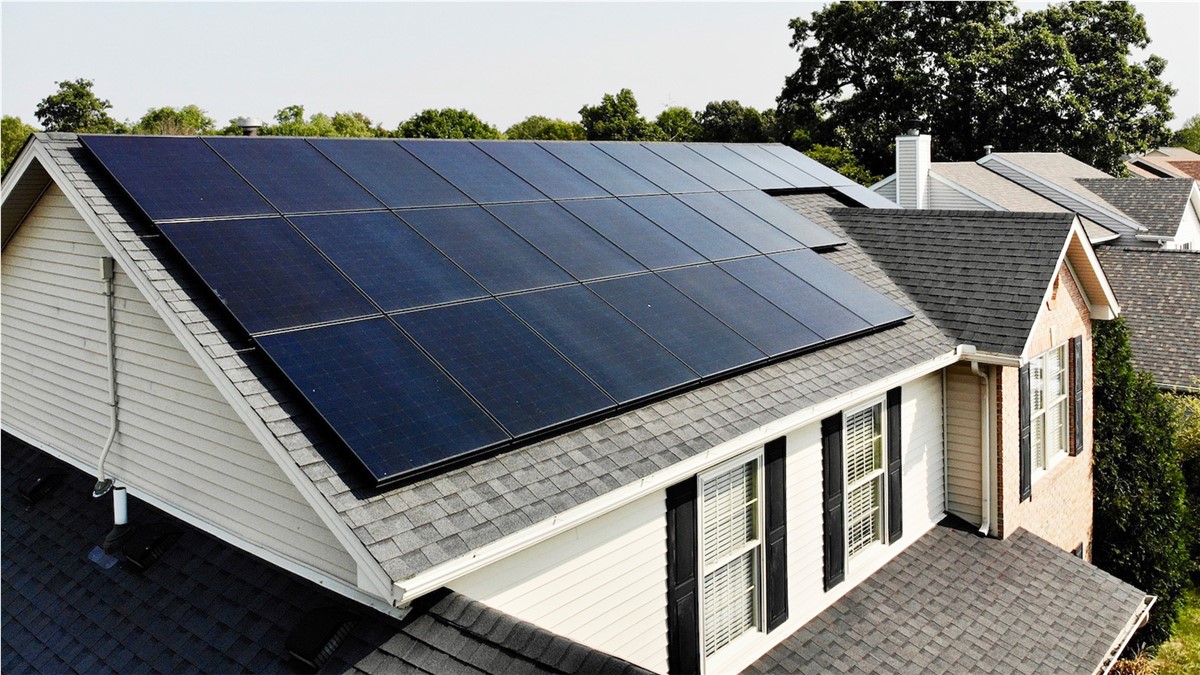
Shingle roofs are the most common residential roofing type in Southern California. Because asphalt shingles are relatively thin and flat, solar panels mounted on shingle roofs sit close to the surface. This creates a low-profile, streamlined appearance that many homeowners prefer.
The mounting hardware, called racking, attaches directly through the shingles into the roof deck and rafters. Flashing is installed around each attachment point to prevent water intrusion. When done correctly, the panels appear almost flush with the roofline.
Q: Do solar panels damage shingle roofs?
A: When installed by a licensed contractor using proper flashing and waterproofing techniques, solar panels do not damage shingle roofs. In fact, the panels can protect the shingles beneath them from direct UV exposure, potentially extending the life of that portion of the roof.
Tile Roofs
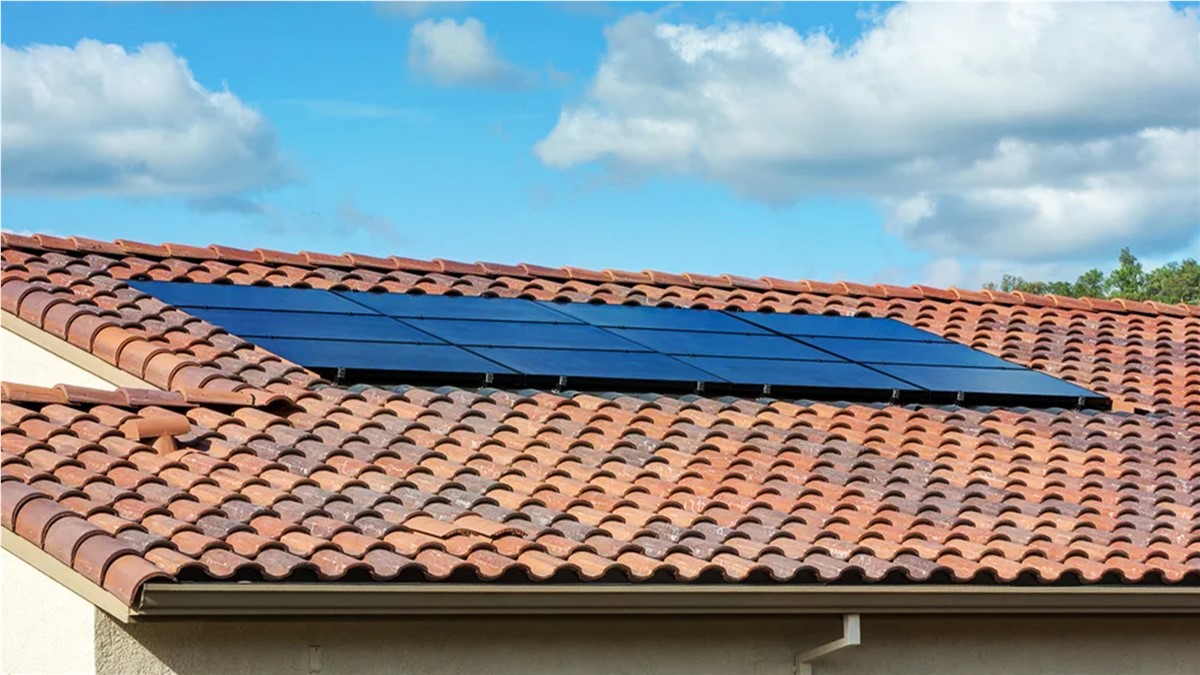
Tile roofs, which are common throughout Southern California due to their durability in hot, dry climates, offer more than one mounting option. Homeowners can choose between inset mounting and top-mounted (also called standoff) configurations.
With inset mounting, tiles are removed in the panel area and the panels are set into the roof plane so they sit flush with the surrounding tiles. This creates a clean, integrated look. It also reduces wind uplift risk, which matters during Santa Ana wind events.
With top-mounted configurations, panels are elevated above the tile surface on racking. This approach is faster to install and allows airflow beneath the panels, which can improve efficiency by keeping panels cooler. However, it results in a more visible, raised profile.
Q: Which mounting method is better for tile roofs?
A: It depends on your priorities. Inset mounting offers a more seamless appearance and better wind resistance. Top-mounted panels are easier to service and may run slightly cooler. Your installer can help you weigh the trade-offs for your specific roof.
Choosing Your Solar Panel Style
Beyond mounting method, solar panel customization includes the visual style of the panels themselves. The two most common options are standard grid-style panels and all-black panels. Each serves a different aesthetic preference.
Standard Grid-Style Panels
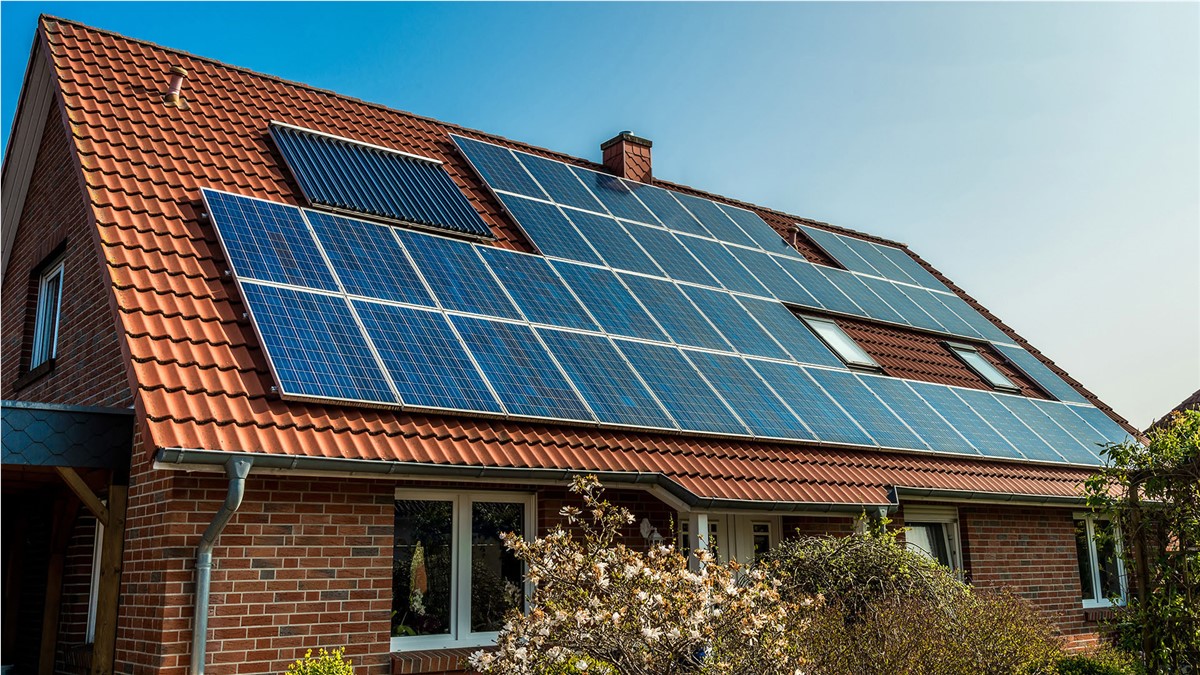
Standard panels feature individual solar cells separated by visible white or silver grid lines. The backsheet behind the cells is typically white, which creates a contrast that makes the cell pattern clearly visible. Some homeowners appreciate this look because it highlights the technology and gives the array a distinctive, modern-industrial appearance.
These panels are often slightly less expensive than all-black alternatives because the white backsheet reflects some heat, which can improve cell efficiency. For homeowners who are primarily focused on performance and cost, standard panels remain a strong choice.
All-Black Panels
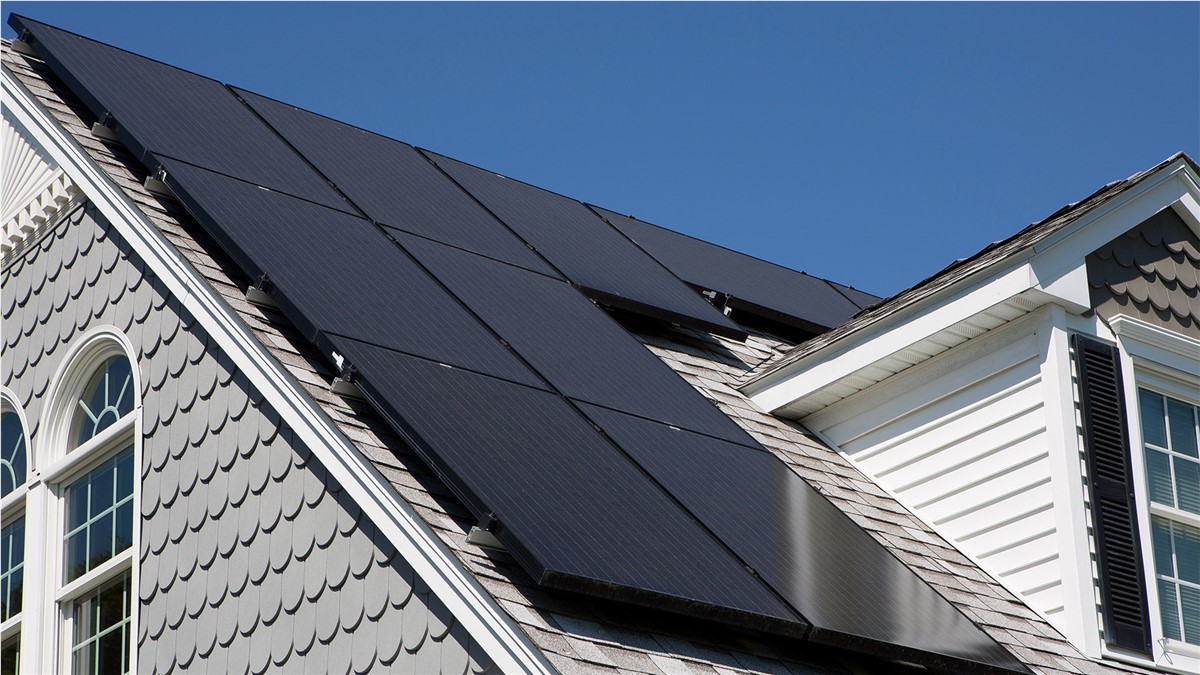
All-black solar panels use a black backsheet, black frame, and dark-colored cells. The result is a uniform, monochromatic panel that blends more subtly with most roof colors, especially darker shingles or slate-gray tiles.
These panels are popular with homeowners who want their solar array to be an understated, elegant feature rather than a focal point. In neighborhoods with HOA guidelines or strict aesthetic standards, all-black panels often meet approval more easily.
The performance difference between all-black and standard panels is minimal with modern cell technology. Both types use monocrystalline or polycrystalline silicon cells, and the efficiency gap has narrowed to roughly 0.5 to 1 percent in most cases.
How Home Solar System Design Works Step by Step
Home solar system design is not just about picking panels. It involves a systematic process that accounts for your energy consumption, roof characteristics, local climate, and utility rate structure. Understanding these steps helps you evaluate proposals and ask the right questions.
Step 1: Energy Consumption Analysis
Your installer reviews 12 months of electricity bills from your utility, typically Southern California Edison for much of the region. This data shows your annual consumption in kilowatt-hours, seasonal patterns, and peak usage periods. The goal is to size a system that offsets the right percentage of your usage.
Step 2: Roof Assessment
A physical or drone-based inspection evaluates your roof’s condition, age, pitch, orientation, and available area. South-facing roof planes receive the most direct sunlight in the Northern Hemisphere, but west-facing arrays can also perform well, especially for homeowners who use more electricity in the afternoon and evening.
If your roof needs repair or replacement, it is far more cost-effective to complete that work before solar installation. At August Roofing and Solar, we handle both roofing and solar under one contract, which simplifies coordination and protects your warranty.
Step 3: Shade Analysis
Trees, neighboring structures, chimneys, and HVAC equipment can cast shadows that reduce panel output. Installers use tools like satellite imagery and shade modeling software to map shade patterns throughout the day and across seasons. Panels are positioned to minimize shade impact.
Step 4: System Layout and Panel Selection
Based on the data from the previous steps, the installer creates a panel layout that maximizes energy production while meeting your aesthetic preferences. This is where solar panel customization decisions come together: panel type, color, mounting method, and array configuration are finalized.
Step 5: Inverter and Electrical Integration
Solar panels produce direct current (DC) electricity, which must be converted to alternating current (AC) for use in your home. This conversion is handled by an inverter. There are two main types.
String inverters connect all panels in a series, converting power at a central unit. Microinverters are installed on each individual panel, converting power at the source. Microinverters are often preferred because they allow each panel to operate independently, so shade on one panel does not reduce output from the entire array.
The inverter connects to your home’s electrical panel, and a production meter is installed so your utility can track how much energy your system generates. Under California’s net energy metering program, excess energy you send to the grid earns bill credits.
Q: What is net energy metering?
A: Net energy metering, or NEM, is a California billing arrangement where your utility credits you for surplus solar electricity you export to the grid. The current version, NEM 3.0, values exported energy at lower rates than previous versions, which makes battery storage more financially attractive for new solar installations. You can learn more at the California Public Utilities Commission website.
California Requirements and Incentives for Solar Panel Customization
California has specific regulations that affect home solar system design. Understanding these requirements helps you avoid surprises and take advantage of available incentives.
Title 24 Solar Mandate
Since 2020, California’s Title 24 building code requires solar panels on most new residential construction. If you are building a new home or completing a major renovation, your solar system must meet minimum output thresholds based on the home’s square footage and climate zone. Southern California spans multiple climate zones, so requirements vary by location.
Federal Investment Tax Credit
The federal solar Investment Tax Credit, or ITC, allows homeowners to deduct 30 percent of their total solar installation cost from their federal income taxes. This credit applies to equipment, labor, permitting, and battery storage if installed at the same time. It is one of the most significant financial incentives available and is currently authorized through 2032.
Self-Generation Incentive Program (SGIP)
California’s SGIP provides rebates for battery storage systems paired with solar. The program prioritizes homes in high-fire-risk areas and low-income communities. If your property is in a CAL FIRE-designated high fire hazard severity zone, you may qualify for enhanced rebates. Battery storage also provides backup power during Public Safety Power Shutoff events, which are common in fire-prone areas of Southern California.
For more details on how solar works at the federal policy level, the U.S. Department of Energy’s homeowner solar guide is a reliable resource.
Video: Solar Panel Customization Explained
Hear directly from our solar superintendent about how different customization options look and perform on real homes. This short video walks through panel styles, mounting methods, and design considerations that affect both appearance and efficiency.
As our superintendent puts it, a house with solar can actually look better than one without it when the system is designed thoughtfully. The key is matching the right panels and mounting approach to your specific roof and style preferences.
Making Your Solar Investment Work Long-Term
Solar panel customization is not just about aesthetics on installation day. The choices you make during the design phase affect maintenance, durability, and long-term performance.
Roof Condition and Lifespan Alignment
Solar panels typically carry 25-year performance warranties. If your roof has fewer than 15 years of useful life remaining, it is worth considering a roof replacement before or during your solar installation. Removing and reinstalling solar panels to replace a roof later adds significant cost.
August Roofing and Solar has over 30 years of experience in both roofing and solar, which means we can evaluate your roof’s remaining lifespan and coordinate both projects if needed. We require no deposit to begin work, and all projects are handled by our licensed, certified crews. If you are unsure about your roof’s condition, a free roof inspection is a practical first step.
Panel Degradation and Climate
All solar panels degrade slightly over time, typically losing about 0.3 to 0.5 percent of their output per year. Southern California’s high UV index accelerates this process marginally compared to less sunny regions, but modern panels are engineered to handle intense sunlight. Choosing panels with strong degradation warranties, usually guaranteeing at least 80 percent output at year 25, protects your investment.
Maintenance Considerations
Southern California’s dry climate means dust and particulate buildup can reduce panel efficiency, especially during fire season when ash and soot may settle on panels. Periodic cleaning, typically once or twice per year, restores full output. Panels mounted with sufficient tilt benefit from occasional rain clearing debris naturally during winter months.
Monitoring your system’s output through an app or web dashboard, which most modern inverters provide, helps you catch performance drops early. A sudden decrease in output may indicate a panel issue, inverter fault, or shading change from new tree growth.
People Also Ask
Can you customize the color of solar panels?
Yes. The most common options are standard panels with white backsheets and visible grid lines, or all-black panels with black frames, backsheets, and cells. Some manufacturers also offer panels in dark blue or gray tones. Fully custom colors are not widely available for residential use due to efficiency trade-offs.
Do solar panels decrease home value?
Research consistently shows that owned solar panel systems increase home resale value. A study by the Lawrence Berkeley National Laboratory found that buyers are willing to pay a premium of roughly $15,000 for a home with an average-sized solar array. Leased systems may not provide the same benefit.
How long does a home solar installation take?
The physical installation typically takes one to three days depending on system size and roof complexity. However, the full process from contract signing to utility permission to operate usually takes four to eight weeks due to permitting, inspections, and utility interconnection timelines.
Are solar panels too heavy for my roof?
Standard residential solar panels weigh about 2.5 to 4 pounds per square foot including mounting hardware. Most residential roofs are engineered to handle this additional load with no structural modifications. Your installer should verify structural adequacy during the roof assessment.
Frequently Asked Questions
What does solar panel customization include?
Solar panel customization includes choosing your panel color and style, selecting a mounting method that matches your roof type, designing the array layout for maximum production and visual appeal, and picking the right inverter technology. Each of these decisions is tailored to your home’s specific characteristics and your aesthetic preferences.
Can I customize solar panels on a tile roof?
Yes. Tile roofs offer two main solar panel customization options: inset mounting, where panels sit flush with the tile surface, and top-mounted configurations, where panels are elevated above the tiles on racking. Inset mounting provides a cleaner look and better wind resistance, while top-mounting allows easier panel servicing and improved airflow cooling.
How do I choose between all-black and standard solar panels?
The choice depends on your aesthetic preference and, to a lesser extent, your budget. All-black panels blend more subtly with most roofs and are popular in neighborhoods with strict appearance standards. Standard grid-style panels cost slightly less and may run marginally cooler. The performance difference between the two is small with modern cell technology.
Does home solar system design affect energy production?
Absolutely. Home solar system design directly determines how much energy your panels produce. Factors like roof orientation, panel tilt angle, shade exposure, and inverter type all influence output. A well-designed system matched to your consumption patterns and local climate will generate significantly more value over its lifetime than a poorly planned installation.
How do I get started with solar panel customization for my home?
Start with a professional consultation that includes a roof assessment and energy analysis. A qualified installer will review your electricity usage, evaluate your roof condition and orientation, and present customized design options. You can contact August Roofing and Solar to schedule a no-cost solar consultation and explore which solar panel customization options are right for your Southern California home.