
Key Takeaways
- Solar installation on older roofs requires a professional roof condition assessment before panels are mounted, because age alone does not determine whether the roof can support a 25-year solar array.
- Roof replacement before solar saves homeowners the added cost and disruption of removing and reinstalling panels later if the roof fails beneath the array.
- A qualified contractor should evaluate decking, underlayment, flashing, and structural capacity independently from the solar proposal to ensure objective findings.
- Southern California climate factors like high UV exposure, Santa Ana winds, and wildfire risk affect both roofing material selection and solar mounting decisions on aging roofs.
- Coordinating roofing and solar into one project scope reduces permit timelines, eliminates scheduling gaps, and consolidates warranty accountability under one contractor.
Quick Links
- Why Roof Condition Matters Before Solar
- How to Assess an Older Roof for Solar Readiness
- When Roof Replacement Before Solar Makes Sense
- Southern California Climate and Older Roof Challenges
- Coordinating Roofing and Solar in One Project
- What to Look for in a Roofing and Solar Installer
- Warranties and Accountability on Older Roof Solar Projects
- What Happens When You Need a New Roof Under Existing Panels
- People Also Ask
- Frequently Asked Questions
Why Roof Condition Matters Before You Commit to Solar
Solar installation on older roofs is one of the most common sources of regret for Southern California homeowners. The scenario unfolds predictably: a solar company installs panels, the roof deteriorates within a few years, and the homeowner pays thousands extra to remove the array, replace the roof, and reinstall everything.
The frustration is understandable. Most solar proposals focus on panel output and financing terms. Few begin with an honest look at the structure those panels will sit on for the next 25 to 30 years.
If your roof is more than 15 years old, the question is not whether solar makes sense. It almost certainly does in Southern California. The real question is whether your roof can carry that investment safely through its full lifespan, or whether you are stacking new technology on top of a system that is already declining.
How to Assess an Older Roof for Solar Readiness
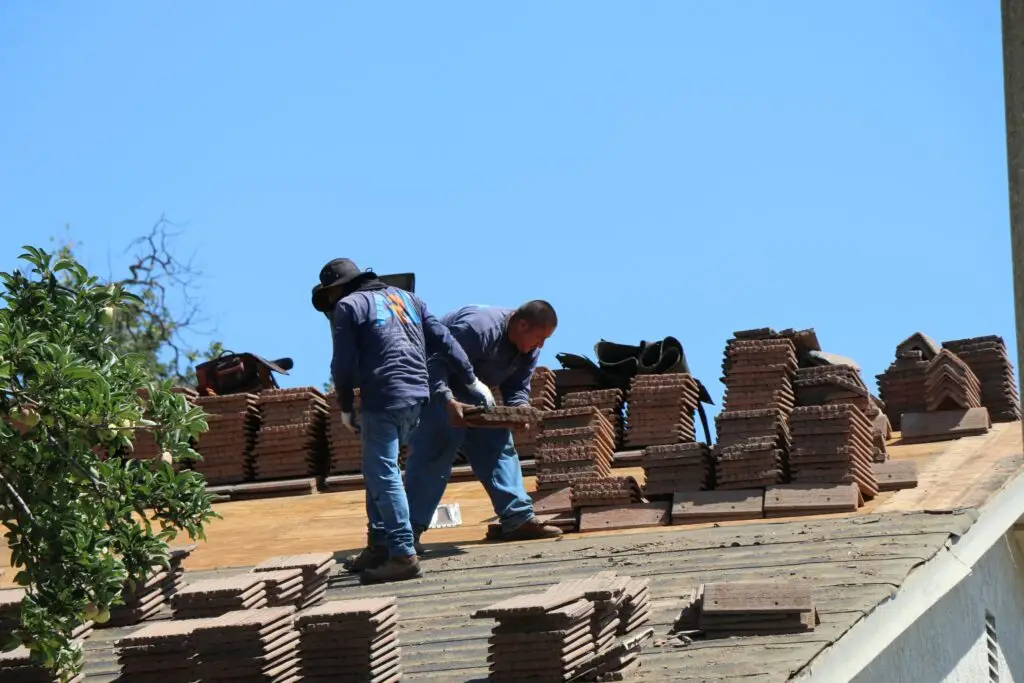
A roof assessment for solar readiness evaluates more than surface appearance. The inspection should examine the full roofing system: the structural deck (typically plywood or oriented strand board, known as OSB), the underlayment (the waterproof barrier beneath the outer material), all flashings around penetrations and transitions, and the condition of the outer roofing material itself.
A qualified roofing contractor will look for signs of moisture intrusion, sagging decking, granule loss on asphalt shingles, cracked or slipped tiles, deteriorated pipe boots, and compromised valley or step flashing. Each of these conditions affects whether the roof can accept new penetrations for solar rail mounts without creating leak paths.
What the assessment should include
- Deck integrity: Soft or delaminated sheathing cannot hold solar rail lag bolts securely.
- Underlayment condition: Older felt paper or first-generation synthetic underlayment may be brittle, reducing the waterproof barrier’s effectiveness around new penetrations.
- Flashing inspection: Corroded or improperly lapped flashings create leak risk that worsens when solar equipment restricts water flow paths.
- Remaining useful life estimate: A roof with five or fewer years of expected service is a poor candidate for solar unless replacement is included in the project plan.
- Structural load review: Solar panels, rails, and inverters add weight. Older framing may need evaluation, especially in homes built before modern building codes.
Q: Can a roofer tell me exactly how many years my roof has left?
A: No contractor can provide an exact expiration date. However, an experienced roofer can evaluate wear indicators, material type, and local climate exposure to estimate a remaining useful life range. That range is what you compare against the 25-year lifespan of a typical solar array.
Q: Should the solar company or a separate roofer do the roof inspection?
A: Ideally, a licensed roofing contractor performs the assessment independently. Some solar-only companies lack roofing expertise and may understate roof issues to close a sale. A contractor who handles both roofing and solar, like August Roofing and Solar, can provide an integrated evaluation without conflicting incentives.
When Roof Replacement Before Solar Makes Sense
Roof replacement before solar is the right sequence when the existing roof cannot reliably last another 20 to 25 years. Replacing the roof first means the solar array sits on a fresh system with full warranty coverage and no risk of premature removal.
The cost of removing solar panels, storing them safely, completing a full reroof, and reinstalling the array typically adds $3,000 to $8,000 or more to a roof replacement project. That cost is entirely avoidable when the two projects are planned together from the start.
Indicators that replacement should come first
- The roof is more than 20 years old with visible wear or known leak history.
- Multiple previous patch repairs suggest the system is nearing the end of its service life.
- The underlayment is original felt paper that has become brittle.
- Decking shows moisture staining, soft spots, or visible sagging from the attic side.
- The roofing material is a product that has been discontinued, making future repairs difficult.
When the roof is in good condition with 15 or more years of expected remaining life, solar can proceed without replacement. The key is basing that decision on documented findings rather than assumptions or visual impressions from street level.
Southern California Climate and Older Roof Challenges
Southern California’s climate is excellent for solar energy production but demanding on roofing materials. Understanding how local weather patterns affect aging roofs helps homeowners make better decisions about solar installation on older roofs.
UV exposure and material degradation
Southern California receives some of the highest UV index readings in the country. Prolonged ultraviolet exposure accelerates the breakdown of asphalt shingles by oxidizing the binder that holds surface granules in place. Older shingles lose granules faster, become brittle, and crack under thermal cycling. This process is invisible from the ground until the damage is advanced.
Santa Ana winds and mechanical stress
Santa Ana wind events bring hot, dry gusts that can exceed 60 miles per hour in foothill and canyon communities. These winds create uplift forces on roofing materials, particularly along eaves and ridges. On an older roof where fasteners may have loosened or adhesive strips have degraded, wind damage can compromise the roof surface that solar rails are bolted to.
Wildfire risk and ember-resistant requirements
Homes in or near wildland-urban interface zones must meet CAL FIRE ember-resistant roofing requirements. If your older roof has a Class C or unrated assembly, a reroof triggers mandatory upgrade to a Class A fire-rated system. This requirement applies regardless of solar plans, but combining the compliance upgrade with solar installation eliminates a separate future project.
Q: Do solar panels protect the roof underneath them from UV damage?
A: Partially. Panels shade the roof surface directly beneath them, reducing UV exposure and thermal cycling in those areas. However, exposed sections between and around panels continue to age normally. The shaded protection does not extend the roof’s overall service life enough to skip a needed replacement.
Coordinating Roofing and Solar in One Project
Coordinating roofing and solar into a single project scope is the most efficient approach when an older roof needs work. This coordination reduces total cost, shortens the combined timeline, and simplifies permit requirements.
When roofing and solar are handled by separate contractors on different schedules, the homeowner becomes the project manager by default. You coordinate timelines, resolve conflicting recommendations, and determine who is responsible if a leak develops at a solar attachment point.
Benefits of a single-scope project
- One permit process: Many jurisdictions allow combined roofing and solar permits, reducing administrative delay.
- Integrated flashing design: Solar rail attachments are flashed into the new roofing system during installation rather than retrofitted after the fact.
- Single warranty contact: One contractor accepts responsibility for both the roof and the solar penetrations.
- Reduced labor duplication: No separate mobilization for panel removal and reinstallation.
- Consistent material selection: The roofing material, underlayment, and attachment hardware are specified together for compatibility.
August Roofing and Solar, which has served Southern California homeowners for over 30 years, coordinates roofing and solar through its SolaRoof program. This program combines a new roof and solar array into one project with one point of accountability. The company requires no deposit, with payment due only upon completion.
What to Look for in a Roofing and Solar Installer for Older Homes
Choosing the right contractor for solar installation on older roofs means prioritizing roofing competence alongside solar design capability. Not every solar company understands roofing systems, and not every roofer understands electrical integration and net metering interconnection.
Credentials that matter
- Active roofing license (C-39): Confirms the contractor is licensed to perform roof work, not just solar installation.
- Solar contractor license (C-46): Authorizes the design and installation of photovoltaic systems.
- Manufacturer certifications: Programs like Owens Corning Platinum Preferred or GAF Master Elite indicate advanced training and access to extended warranty programs.
- NABCEP certification: The North American Board of Certified Energy Practitioners credential is the industry benchmark for solar installation competence.
- Local experience: Familiarity with Southern California building departments, utility interconnection processes through Southern California Edison or municipal utilities, and regional climate demands.
Questions to ask before signing
- Will you perform a documented roof assessment before designing the solar layout?
- Who is responsible for roof penetrations and related waterproofing?
- What happens if a leak develops at a solar attachment point after installation?
- Are roofing and solar warranties issued separately with clear terms for each?
- Do you hold both C-39 roofing and C-46 solar licenses?
Q: Is it better to hire one company for both roofing and solar or use two separate contractors?
A: One company handling both trades is generally preferable for older roof projects. It eliminates finger-pointing if problems arise at the roof-solar interface and reduces total project time. The contractor understands both systems and can design attachment details that protect the roofing warranty.

Warranties and Accountability on Older Roof Solar Projects
Warranty confusion is one of the most common problems homeowners face after solar installation on older roofs. Solar equipment warranties, roofing material warranties, and workmanship warranties often come from different sources with different terms and different exclusions.
How warranties typically break down
- Solar panel manufacturer warranty: Covers panel output degradation, typically guaranteeing 80 to 85 percent production at 25 years.
- Inverter warranty: Covers the device that converts DC power from panels to AC power for your home, usually 12 to 25 years depending on the brand and type (string inverter versus microinverter).
- Roofing material warranty: Covers manufacturing defects in shingles, tiles, or other roofing products, ranging from 25 years to lifetime depending on the product line.
- Workmanship warranty: Covers the contractor’s installation labor, including roof penetrations, flashing, and electrical connections. This is the warranty most likely to be unclear or missing.
Before signing any contract, request a written summary that identifies which entity is responsible for each warranty category. If two contractors are involved, confirm in writing who covers the roof penetrations created for solar mounting. A gap in this coverage area is the most common source of unresolved leak disputes.
What Happens When You Need a New Roof Under Existing Panels
If solar panels are already installed and the roof beneath them fails, the process involves removing the panels and racking, completing the roof replacement, and then reinstalling the solar array. This sequence interrupts your solar energy production and adds cost to the roofing project.
The removal and reinstallation process
- System shutdown and disconnect: A licensed electrician disconnects the solar array from your electrical panel and the utility grid.
- Panel and racking removal: Panels are carefully removed and stored on-site or in a protected location.
- Roof replacement: The full reroof proceeds, including new underlayment, flashings, and outer roofing material.
- Racking and panel reinstallation: The solar racking is reattached with new flashing and lag bolts into the fresh roof, and panels are remounted.
- Electrical reconnection and inspection: The system is reconnected, tested, and re-inspected before going back online.
August Roofing and Solar offers solar removal and reinstallation as part of its roof replacement services. This is a common request for homeowners who installed solar years ago without addressing the roof first.
The best way to avoid this scenario is to assess your roof thoroughly before the original solar installation. When in doubt, replacing the roof alongside the solar project is the more cost-effective long-term decision.
People Also Ask
How old is too old for a roof to get solar panels?
There is no single age cutoff. A well-maintained 20-year-old roof in good condition may be a better solar candidate than a neglected 12-year-old roof. The decision should be based on a professional assessment of the decking, underlayment, flashing, and remaining material life, not the installation date alone.
Do solar panels damage an older roof?
Properly installed solar panels do not damage a healthy roof. However, mounting hardware creates penetrations that must be flashed and sealed correctly. On an older roof with compromised underlayment or brittle decking, these penetrations can accelerate existing problems if the installer does not address them during installation.
Can I claim a tax credit for both the roof and solar panels?
The federal solar Investment Tax Credit (ITC) applies to solar energy equipment and certain directly related structural components. A full roof replacement is generally not covered unless specific portions are integral to the solar installation. Consult a tax professional for guidance on your specific project scope.
How much does it cost to remove solar panels for a reroof?
Solar panel removal and reinstallation for a reroof typically costs between $3,000 and $8,000 or more, depending on the system size, panel type, and roof complexity. This cost is entirely avoidable by coordinating the roof and solar installation into one original project.
Frequently Asked Questions
Can solar panels be installed on an older roof in Southern California?
Solar installation on older roofs is possible when the roof passes a professional condition assessment. The inspection should evaluate the structural deck, underlayment, flashings, and remaining material life. If the roof has more than 15 years of expected service remaining, solar can typically proceed without replacement.
What is a Roof Health Evaluation?
A Roof Health Evaluation is an inspection offered by August Roofing and Solar that documents the condition of your roofing system before solar is proposed. It examines decking, underlayment, flashing, and material wear to help homeowners understand whether repair, replacement, or direct solar installation is appropriate. You can request one here.
Should I replace my roof before solar installation on older roofs?
Roof replacement before solar installation is recommended when the existing roof has fewer than 15 years of expected remaining life. Replacing first avoids the added cost of removing and reinstalling panels later. If the roof is in strong condition, solar can proceed without replacement.
What credentials should a solar installer have for working on older roofs?
Look for a contractor who holds both a C-39 roofing license and a C-46 solar license, along with manufacturer certifications and NABCEP credentials. These qualifications confirm the installer understands both roofing systems and solar electrical integration, which is critical for older roof projects.
Does August Roofing and Solar offer combined roofing and solar projects?
Yes. August Roofing and Solar coordinates roofing and solar through its SolaRoof program, which combines a new roof and solar array into a single project. The company has over 30 years of roofing experience in Southern California and requires no deposit, with payment due upon project completion. Learn more about their solar installation services.
Solar installation on older roofs is a smart investment when you start with accurate information about the roof underneath. Southern California homeowners benefit from the region’s exceptional solar resource, but that benefit depends on the roofing system being ready to support a multi-decade array. If your roof is aging and you are considering solar, the first step is understanding what you have before deciding what to add. Schedule a free Roof Health Evaluation to get a clear picture of your roof’s condition and a straightforward recommendation for next steps. No pressure, no deposit, and no guesswork.