
Key Takeaways
- The roofing cost increase 2026 is driven by rising oil prices, supply chain disruptions, labor shortages, tariffs, and manufacturer price announcements of 9 to 12 percent on common products.
- Petroleum-based roofing materials like asphalt shingles, synthetic underlayments, sealants, and adhesives are among the most affected by roofing material prices 2026 increases.
- Southern California homeowners face added cost pressure from wildfire compliance upgrades, UV-accelerated roof wear, and stricter insurance requirements.
- Most industry analysts do not expect roofing prices to decrease in the near term, meaning today’s pricing is likely the lowest homeowners will see for the foreseeable future.
- Scheduling a professional roof inspection now can help homeowners plan proactively, lock in current pricing, and avoid emergency repair costs later.
Quick Links
- Why Roofing Costs Are Rising in 2026
- How Oil Prices Affect Roofing Material Prices 2026
- Global Events Reshaping Construction Pricing
- Supply Chain Disruptions Continue
- Manufacturers and Suppliers Are Already Raising Prices
- Labor Shortages Are Increasing Installation Costs
- Southern California Weather Creates Additional Demands
- Construction Materials Are Also Rising
- Why Delaying Roof Repairs Becomes More Expensive
- How a Professional Roof Evaluation Works
- What Homeowners Can Do to Protect Themselves
- People Also Ask
- Frequently Asked Questions
Why the Roofing Cost Increase 2026 Matters for Your Home
If you have received a roofing estimate recently and felt sticker shock, you are not alone. The roofing cost increase 2026 is affecting homeowners, HOAs, contractors, and property managers across Southern California and beyond. Multiple cost pressures are converging at the same time, and the result is higher pricing on nearly every roofing product and service.
Understanding why these increases are happening puts you in a stronger position to make informed decisions. This is not a temporary spike. Most industry indicators suggest continued upward pressure on roofing material prices 2026 and into the following year.
For Southern California homeowners, the stakes are higher than in many other regions. Roofing systems here endure year-round UV exposure, Santa Ana winds, seasonal rain events, coastal moisture, and wildfire risk. That combination accelerates wear and makes timely maintenance and replacement more important.
At August Roofing and Solar, with over 30 years of experience serving Southern California, we believe homeowners deserve transparency about what is driving these costs. The sections below break down each contributing factor so you can plan with confidence rather than react under pressure.
How Oil Prices Affect Roofing Material Prices 2026
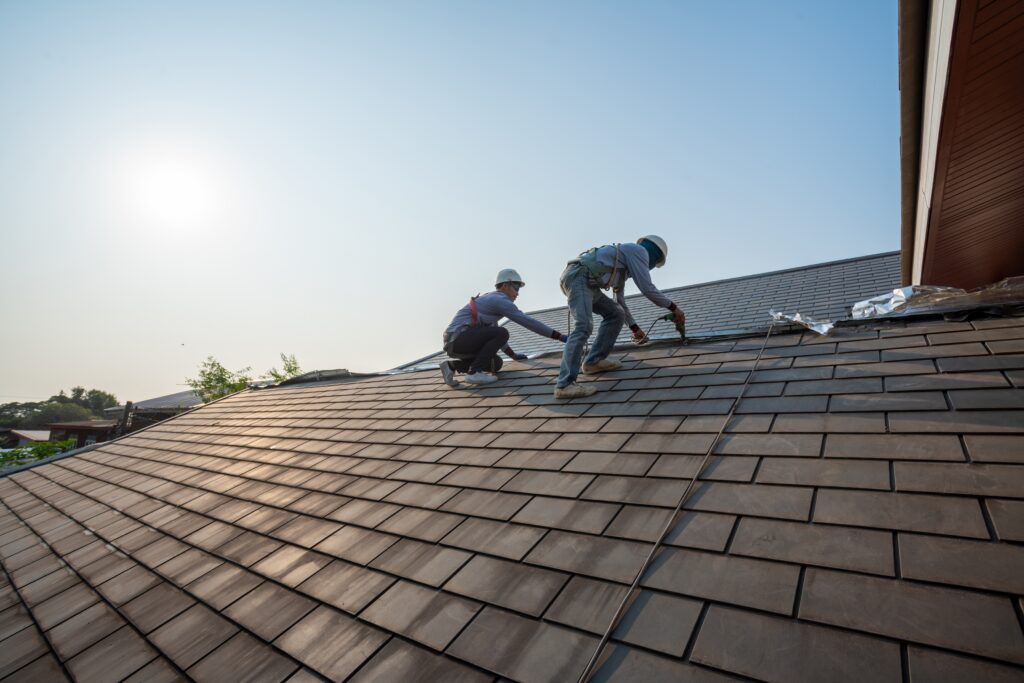
Rising oil prices are one of the single largest contributors to the roofing cost increase 2026. Many homeowners do not realize how many roofing components depend on petroleum-based manufacturing.
Products directly affected include asphalt shingles, modified bitumen roofing, synthetic underlayments, sealants, adhesives, and waterproof coatings. When crude oil prices rise, manufacturing costs follow, and those increases move downstream to suppliers, contractors, and ultimately homeowners.
Global conflict and instability in key shipping regions are adding further uncertainty to oil pricing. Roofing Insights has reported growing concerns about petroleum-related roofing products becoming increasingly vulnerable to price volatility throughout 2026.
Historically, when oil prices climb, roofing material prices follow within weeks or months. In Southern California, where many roofs already carry years of UV damage and heat-related wear, delaying necessary work compounds the financial impact.
Q: Why do oil prices directly impact roofing costs?
A: Asphalt shingles, underlayments, sealants, and adhesives are manufactured using petroleum derivatives. When crude oil prices increase, the cost to produce, package, and ship these materials rises accordingly.
Global Events Are Reshaping Construction Pricing
The roofing industry does not operate in isolation from the global economy. Energy markets, international shipping routes, fuel costs, and geopolitical conflicts all directly influence construction material pricing.
Recent instability in the Middle East and ongoing shipping disruptions have increased freight costs and manufacturing uncertainty worldwide. Even roofing systems manufactured domestically are affected because they rely on imported components, chemical inputs, fuel for freight, and equipment that carries global pricing exposure.
Specific cost drivers include fuel and freight expenses, imported raw materials, chemical manufacturing inputs, equipment and machinery pricing, and packaging and distribution costs. This is one reason many industry analysts believe roofing material prices 2026 will remain elevated for the foreseeable future.
Homeowners sometimes assume that roofing prices are set entirely by local contractors. In reality, pricing is heavily influenced by global economic conditions at every stage of the supply chain.
Q: How do global events affect roofing prices in Southern California?
A: Global conflicts and shipping disruptions raise fuel, freight, and manufacturing costs. Those increases eventually reach local suppliers and contractors, raising the total cost of roofing projects for homeowners.
Supply Chain Disruptions Continue to Drive the Roofing Cost Increase 2026
Although the most severe pandemic-era shutdowns are behind us, supply chain instability continues to affect roofing and construction. One delayed component can disrupt an entire manufacturing and installation process.
In many cases, the delay is not caused by the shingles or tiles themselves. It may be a fastening component, adhesive ingredient, packaging material, or transportation bottleneck. Shipping disruptions across international trade routes are extending lead times and increasing freight surcharges on certain products.
For homeowners, these disruptions can mean longer project timelines, limited material availability, more frequent supplier price adjustments, and higher overall project costs. One of the clearest lessons from recent years is that construction pricing can shift rapidly once suppliers begin issuing increase notices.
The most common mistake we see is homeowners assuming that today’s estimate will still be valid several months later. In the current market, pricing can change based on supplier inventory, fuel costs, and freight conditions with little advance warning.
Manufacturers and Suppliers Are Already Raising Prices
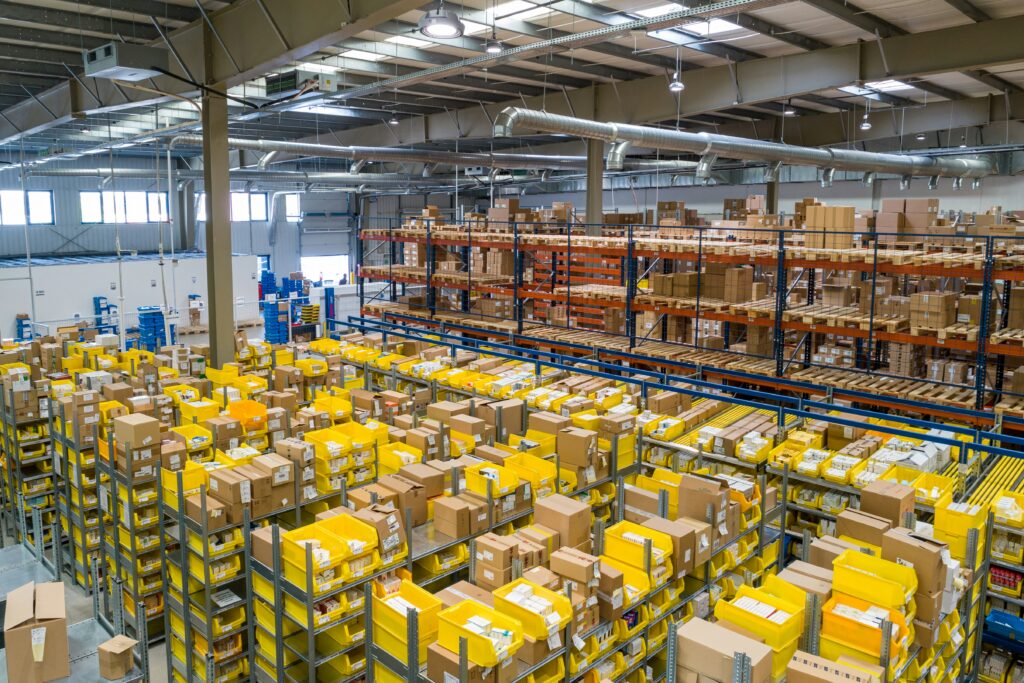
The roofing cost increase 2026 is not speculative. Major roofing suppliers have already issued formal pricing notices this year.
QXO, one of the largest roofing suppliers serving contractors nationwide, announced residential roofing product increases effective June 2026. Shingle products are increasing up to 9 percent. Accessories and complementary products are increasing 10 to 12 percent. The company cited rising raw material, transportation, and energy costs as the primary reasons.
For Southern California homeowners, this matters because a roofing system involves far more than shingles. Flashing, underlayments, ventilation systems, fasteners, and waterproofing materials all contribute to total project cost. As we explain during inspections, a roof is a complete system, not just the visible surface layer.
Many manufacturers and distributors are no longer guaranteeing long-term pricing because raw material costs remain unpredictable. In practical terms, the estimate you receive today may not reflect pricing available three or six months from now.
Q: Are roofing contractors raising prices arbitrarily?
A: In most cases, no. Contractors are responding to real supplier and material cost increases that are issued directly by manufacturers and distributors. These are documented, industry-wide adjustments.
Labor Shortages Are Increasing Roofing Installation Costs
Skilled labor shortages across the construction industry are another factor behind rising roofing costs. Professional roofing installation requires experienced crews trained in waterproofing systems, flashing details, ventilation, structural preparation, tile and shingle installation, solar integration, and safety compliance.
In Southern California, where roofing systems must withstand high UV exposure, wind events, and CAL FIRE ember-resistant roofing requirements, quality workmanship is especially important. Experienced roofing professionals are in high demand, and labor costs have increased accordingly.
Roof complexity, material type, accessibility, permitting requirements, and crew experience all influence labor pricing. These variables make it difficult to compare bids on price alone without evaluating the scope and quality of work being proposed.
At August Roofing and Solar, we require no deposit to begin work, and our focus has always been on delivering dependable craftsmanship and clear communication rather than competing on the lowest price.
Southern California Weather Creates Additional Roofing Demands
Southern California’s climate creates a unique set of stresses that shorten roof lifespan and increase maintenance needs. These environmental factors add urgency to the roofing cost increase 2026 because damaged or aging systems deteriorate faster here than in milder climates.
Intense UV exposure is a year-round concern. Constant sun accelerates the breakdown of asphalt, sealants, and coatings, especially on roofs that have not been maintained regularly. Santa Ana winds can loosen tiles, damage flashing, and expose vulnerable areas to water intrusion.
Seasonal rain events present a different challenge. After long dry periods, the first major rains often reveal hidden leaks or underlayment failures that developed silently during summer months. Coastal marine layer adds moisture exposure for homes closer to the coast.
Wildfire risk is an increasingly important factor. Many homeowners are upgrading to fire-resistant roofing materials and ember-resistant venting to meet California Title 24 and CAL FIRE requirements. These upgrades improve safety but also add to project scope and cost. Insurance carriers are increasingly requiring roof hardening improvements before renewing policies in fire-prone areas.
Our team regularly helps homeowners evaluate roof hardening options and preventative maintenance strategies through inspections and ongoing maintenance programs.
Construction Materials Are Also Rising
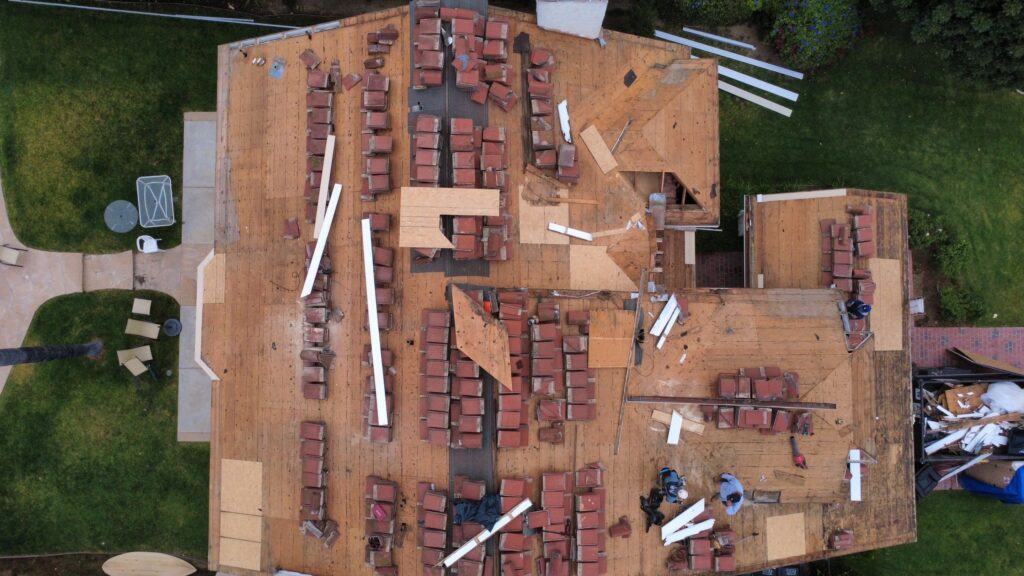
The broader construction cost increase extends well beyond asphalt roofing. Roofing systems, gutters, flashing, and edge metals are all experiencing significant price increases.
For homeowners considering premium roofing systems, gutters, exterior upgrades, or solar integration, material planning and timing have become increasingly important. Coordinating multiple exterior projects together can sometimes improve efficiency and reduce the risk of future rework when solar panels need to be removed for a later roof replacement.
Why Delaying Roof Repairs Becomes More Expensive
Homeowners frequently ask whether they should wait another year before repairing or replacing a roof. Sometimes waiting is reasonable. In many cases, it becomes significantly more expensive.
Delaying creates a double financial impact. First, roofing materials are likely to cost more later. Second, existing damage tends to worsen over time. What starts as a manageable repair can become a much larger replacement project after another rainy season, heat cycle, or wind event.
Small issues grow quickly when exposed to rain intrusion, UV breakdown, wind uplift, moisture buildup, or flashing failure. A minor leak today can eventually lead to dry rot, insulation damage, mold growth, structural repairs, and interior damage.
Our repair and inspection process is designed to identify root causes, document conditions with photos, and provide transparent recommendations so homeowners can make informed decisions without pressure.
How a Professional Roof Evaluation Works
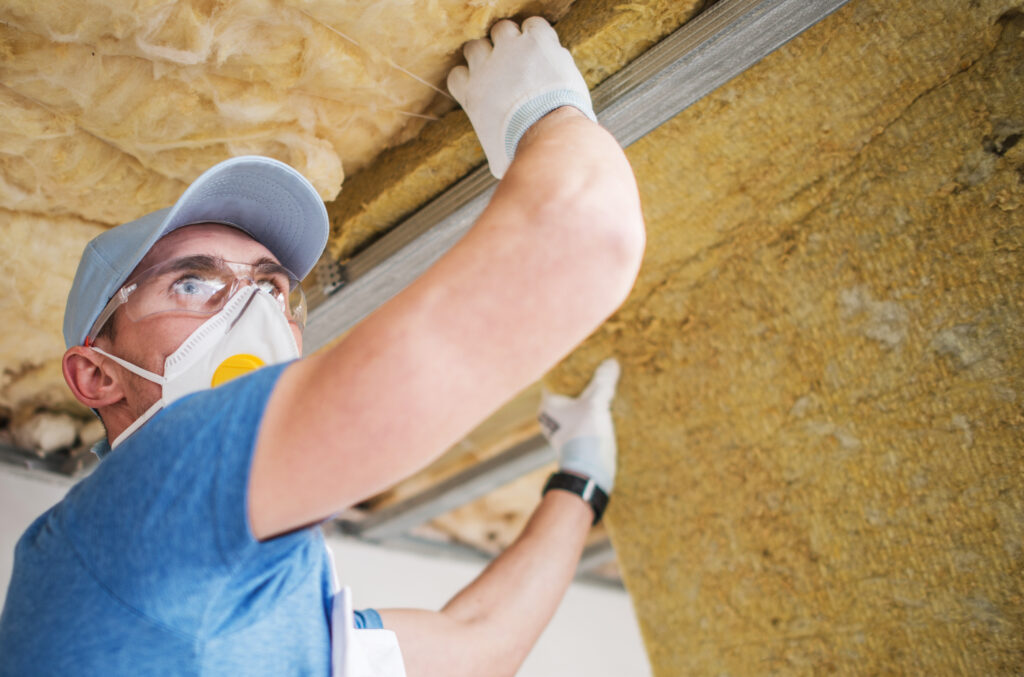
One of the most effective ways homeowners can protect themselves during a roofing cost increase is through proactive inspection and documentation. At August Roofing and Solar, our evaluations are designed to provide education and clarity.
Step 1: Roof Inspection
We evaluate the roofing system for leaks, damaged shingles or tiles, flashing concerns, ventilation issues, underlayment wear, structural concerns, and drainage problems.
Step 2: Photo Documentation
We document visible conditions with photos so homeowners can clearly see and understand what we are identifying.
Step 3: Condition Review
We explain what is functioning properly, what may require attention, what should be monitored over time, and which issues are urgent versus preventative.
Step 4: Transparent Recommendations
If repairs or replacement are recommended, we outline the scope of work, material options, expected timelines, and potential risks of delaying. This documentation-first approach is central to how we serve homeowners throughout Southern California.
What Homeowners Can Do to Protect Themselves From Rising Roofing Costs
While homeowners cannot control global markets or supplier pricing, several practical steps can reduce risk and support smarter long-term decisions.
Schedule preventative inspections. Small issues are almost always less expensive to address than major emergency repairs. Most Southern California homes should receive a professional roof inspection every one to two years.
Address leaks early. Water intrusion rarely improves on its own. Early intervention prevents secondary damage to insulation, framing, and interior finishes.
Consider a maintenance program. Routine maintenance extends roof lifespan and identifies issues before they escalate. This is especially valuable in Southern California’s demanding climate.
Evaluate roofing and solar together. If you are considering solar panels, coordinating the project with a roof replacement or repair can avoid the cost of removing and reinstalling panels later.
Plan before peak seasons. Waiting until active rain season or emergency conditions often limits scheduling flexibility and material availability.
Lock in current pricing. Given the trajectory of roofing material prices 2026, many homeowners are choosing to move forward now rather than risk additional increases later in the year.
People Also Ask
Will roofing prices go down in 2027?
Most industry analysts do not expect significant decreases in roofing prices because manufacturing, labor, transportation, and energy costs remain elevated globally. Short-term fluctuations may occur, but the long-term trend continues upward.
Why are asphalt shingles getting more expensive?
Asphalt shingles depend heavily on petroleum-based manufacturing. Rising crude oil prices, fuel surcharges, and freight costs directly increase production and distribution pricing for shingle products.
Should I replace my roof before prices rise again?
If your roof is aging, leaking, or showing signs of deterioration, acting sooner can help you avoid additional material increases. A professional inspection can help you determine whether immediate action or monitored maintenance is the better approach.
How do Southern California conditions affect roofing costs?
Southern California roofs experience intense UV exposure, seasonal rains, Santa Ana winds, coastal moisture, and wildfire risk. These conditions accelerate wear, increase maintenance needs, and often require fire-resistant materials that carry higher costs.
Frequently Asked Questions
Why is there a roofing cost increase 2026?
The roofing cost increase 2026 is caused by multiple converging factors: rising oil prices, supply chain disruptions, skilled labor shortages, tariffs on raw materials, and higher transportation and energy costs. Major suppliers have already announced formal price increases of 9 to 12 percent on common roofing products.
How much are roofing material prices 2026 expected to rise?
Major distributors like QXO have announced increases of up to 9 percent on shingle products and 10 to 12 percent on accessories. Metal roofing components, including aluminum and steel products, have seen even larger increases in some categories, with reports of 30 percent or more year-over-year in certain segments.
Does the roofing cost increase 2026 affect repair projects or only full replacements?
Both repairs and replacements are affected. Material costs, labor rates, and freight surcharges apply to any roofing project regardless of scope. Even small repair projects use shingles, underlayments, sealants, and flashing that are subject to the same supplier price increases.
How can I protect my budget from the roofing cost increase 2026?
Schedule a professional roof inspection to understand your roof’s current condition. Address known issues before they worsen. Consider locking in project pricing before additional supplier increases take effect. Planning ahead gives you more options and better scheduling flexibility.
Is it worth combining roofing and solar work to save money?
In many cases, yes. Coordinating roofing and solar installation together avoids the future expense of removing and reinstalling solar panels for a later roof replacement. It can also streamline permitting and reduce overall project disruption.
Plan Ahead and Protect Your Investment
The roofing cost increase 2026 is real, documented, and driven by forces that are not expected to reverse in the near term. For Southern California homeowners, planning proactively is the most effective way to maintain control over your budget and your timeline.
If your roof is aging, leaking, or approaching the point where replacement may be necessary, waiting is likely to mean paying more for the same project later. A professional evaluation can help you understand your options clearly and make decisions with confidence.
Contact August Roofing and Solar to schedule a free, no-obligation Roof Health Evaluation. Call us at (805) 519-8099. We are happy to answer your questions, explain your options, and help you plan your next step without pressure.