
Key Takeaways
- Roofing and solar costs in Ventura County depend on materials, labor practices, insurance coverage, and adherence to California codes like Title 24, not just the initial price tag.
- Hiring the lowest-priced contractor often leads to substandard materials, uninsured labor, and repairs that cost more than the original project within a few years.
- A quality roofing contractor in Ventura County uses W-2 employees (not day laborers), carries full workers’ compensation insurance, and meets CAL FIRE ember-resistant roofing requirements for local wildfire zones.
- Solar installation pricing should account for inverter type, panel efficiency, NEM net metering eligibility, and Title 24 compliance, not just cost per watt.
- Long-term value means fewer callbacks, valid manufacturer warranties, and a roof and solar system designed for Southern California’s UV exposure, Santa Ana winds, and coastal marine layer conditions.
Quick Links
- Why Understanding Roofing and Solar Costs Matters in Ventura County
- What Actually Drives Roofing and Solar Pricing
- The Hidden Costs of Choosing the Lowest Price
- What a Quality Roofing Contractor in Ventura County Looks Like
- Why Materials Matter More Than You Think
- Solar Installation Cost Factors Ventura County Homeowners Should Understand
- How to Evaluate Long-Term Value Over Short-Term Savings
- People Also Ask
- Frequently Asked Questions
Why Understanding Roofing and Solar Costs Matters in Ventura County
You received three quotes for your roof replacement or solar installation, and the prices are wildly different. One contractor is thousands of dollars below the others, and you are not sure whether that is a deal or a warning sign. This is one of the most common frustrations Ventura County homeowners face, and making the wrong call here can cost far more than the amount you thought you were saving.
Roofing and solar costs in Ventura County are shaped by factors that many homeowners never see on a proposal. The type of labor a company uses, whether employees carry workers’ compensation insurance, the grade of underlayment beneath your shingles, and compliance with California Title 24 energy standards all affect both the price you pay and the durability of what you receive. Understanding these components is the difference between a sound investment and an expensive lesson.
This guide breaks down how roofing and solar pricing works at a system level, what separates a reliable contractor from a low-cost risk, and how to make a confident decision for your home in Ventura County.
What Actually Drives Roofing and Solar Pricing
Every roofing and solar bid reflects a series of decisions the contractor has already made about how they run their business. When those decisions prioritize cutting corners, the savings show up on your proposal but the consequences show up on your roof.
Here are the core cost components behind any roofing or solar project:
- Materials: Shingle grade, underlayment type, flashing quality, solar panel efficiency rating, and inverter technology all carry different price points. A 25-year architectural shingle costs more than a basic 3-tab, but it performs differently under Ventura County’s high UV index and Santa Ana wind conditions.
- Labor model: Companies that use W-2 employees pay payroll taxes, workers’ compensation insurance, and benefits. Companies that use day laborers or uninsured subcontractors avoid those costs, which is why their bids are lower.
- Permits and code compliance: California requires Title 24 energy compliance for new roofing and solar installations. Pulling proper permits and scheduling inspections adds time and cost, but it protects your home’s resale value and legal standing.
- Insurance and licensing: A fully licensed (C-39 roofing, C-46 solar) and insured contractor carries general liability and workers’ compensation coverage. If a worker is injured on your property and the contractor has no coverage, the homeowner can be held liable.
- Warranty backing: Manufacturer warranties on roofing materials often require certified installer status. If your contractor is not certified, that 50-year shingle warranty may be void from day one.
Q: Does the type of labor a contractor uses really affect my cost?
A: Yes. A contractor using uninsured day laborers can bid 20-30% lower because they are not paying workers’ compensation, payroll taxes, or benefits. If an injury occurs on your property and the workers are uninsured, you as the homeowner may face liability. The lower price carries a direct legal and financial risk.
The Hidden Costs of Choosing the Lowest Price in Ventura County
A low bid is not inherently bad. But in roofing and solar, when one bid is significantly lower than the others, it almost always means something has been removed from the scope or quality of work. The challenge for homeowners is that those reductions are often invisible until problems appear.
Here is what commonly gets cut when contractors compete on price alone:
Inferior Underlayment and Flashing
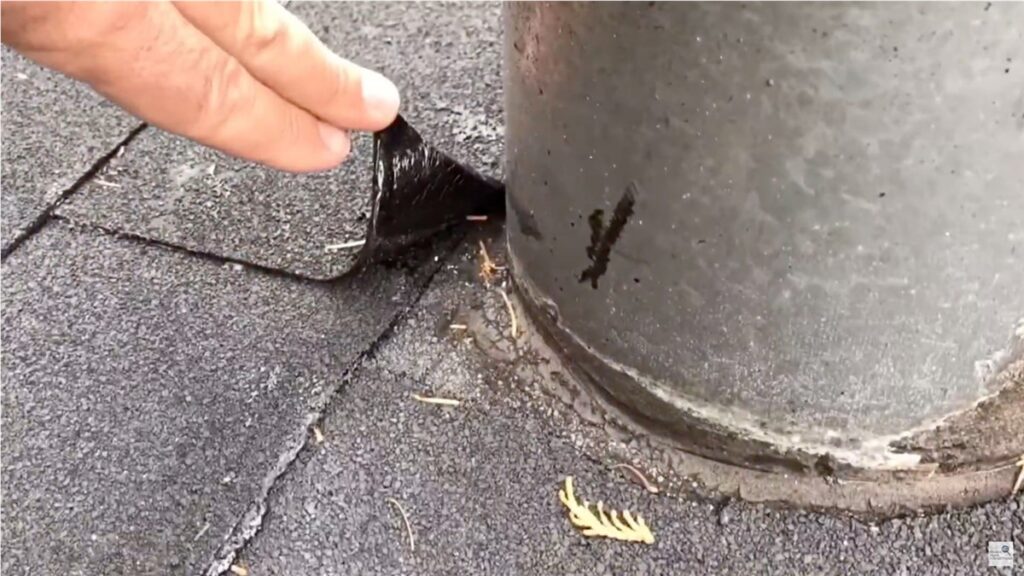
The underlayment is the waterproof membrane installed beneath your shingles or tiles. It is your roof’s last line of defense against water intrusion. Budget contractors often use the cheapest synthetic underlayment available, or in some cases, skip ice-and-water shield in valleys and penetration points where leaks are most likely.
In Ventura County, where coastal communities like Oxnard and Port Hueneme experience marine layer moisture and inland areas like Simi Valley and Moorpark face extreme summer heat, underlayment quality directly affects how long your roof lasts.
Skipped Safety and Training
OSHA requires fall protection on any roof with a slope of 4:12 or greater. Contractors who cut costs often skip harnesses, guardrails, and proper setup. This increases the risk of injury and exposes you to liability if workers are not covered by their employer’s insurance.
No Post-Installation Follow-Up
Cheap installations rarely include a follow-up inspection. Small errors in flashing, sealant, or solar panel racking can go unnoticed for months and then escalate into leaks, energy loss, or panel detachment during a windstorm.
According to the National Roofing Contractors Association (NRCA), improper installation is the leading cause of premature roof failure, not material defects. The workmanship behind your roof matters more than the brand name on the shingle.
Q: Can a cheap roof void my solar panel warranty?
A: It can. If your roof fails prematurely and panels need to be removed and reinstalled, the labor cost for that process is typically not covered by the solar manufacturer’s warranty. A roof that was not properly installed may also void the roofing material warranty, leaving you with two unprotected systems instead of one.
What a Quality Roofing Contractor in Ventura County Looks Like
A quality roofing contractor in Ventura County is not defined by having the highest price. They are defined by transparent business practices, proper licensing, trained labor, and a track record that holds up under scrutiny.
Here is what to look for:
- W-2 employees, not subcontractors: The contractor’s crew should be on payroll with full workers’ compensation coverage. This protects you legally and ensures the workers have accountability to the company.
- Active C-39 and/or C-46 license: Verify through the California Contractors State License Board (CSLB) that the license is active, bonded, and insured.
- Career development for crew members: Companies that invest in their workers through training programs produce consistently better installations. Crew members who are building a career take greater care than temporary laborers working a single job.
- No deposit required: Reputable contractors do not require money upfront before work begins. If a company asks for a large deposit, it may indicate cash flow problems or a lack of established supplier relationships.
- Manufacturer certifications: Certifications from manufacturers like Owens Corning, GAF, or CertainTeed mean the contractor has met specific training and installation standards, which activates enhanced warranty coverage for your project.
August Roofing and Solar, with over 30 years of experience serving Ventura County, operates with W-2 employees, requires no deposit, and maintains active licensing and manufacturer certifications. These are not marketing claims. They are operational standards that directly affect the quality and accountability behind every project. Learn more about our approach.
Why Materials Matter More Than You Think
Materials account for roughly 40-50% of a typical roofing project’s total cost. But all materials within the same category are not equal, and the differences become especially relevant in Southern California’s climate.
Roofing Materials and Ventura County Conditions
Ventura County’s climate combines coastal humidity, intense inland heat, high UV exposure, and seasonal Santa Ana winds that can exceed 60 mph. Materials need to withstand all of these conditions, not just one.
- Asphalt shingles: The most common residential roofing material. Look for Class A fire-rated, wind-rated shingles (110+ mph) that meet CAL FIRE ember-resistant roofing requirements, which apply in Ventura County’s designated wildfire hazard zones, including areas near Thousand Oaks, Camarillo, and the hillside communities of eastern Ventura County.
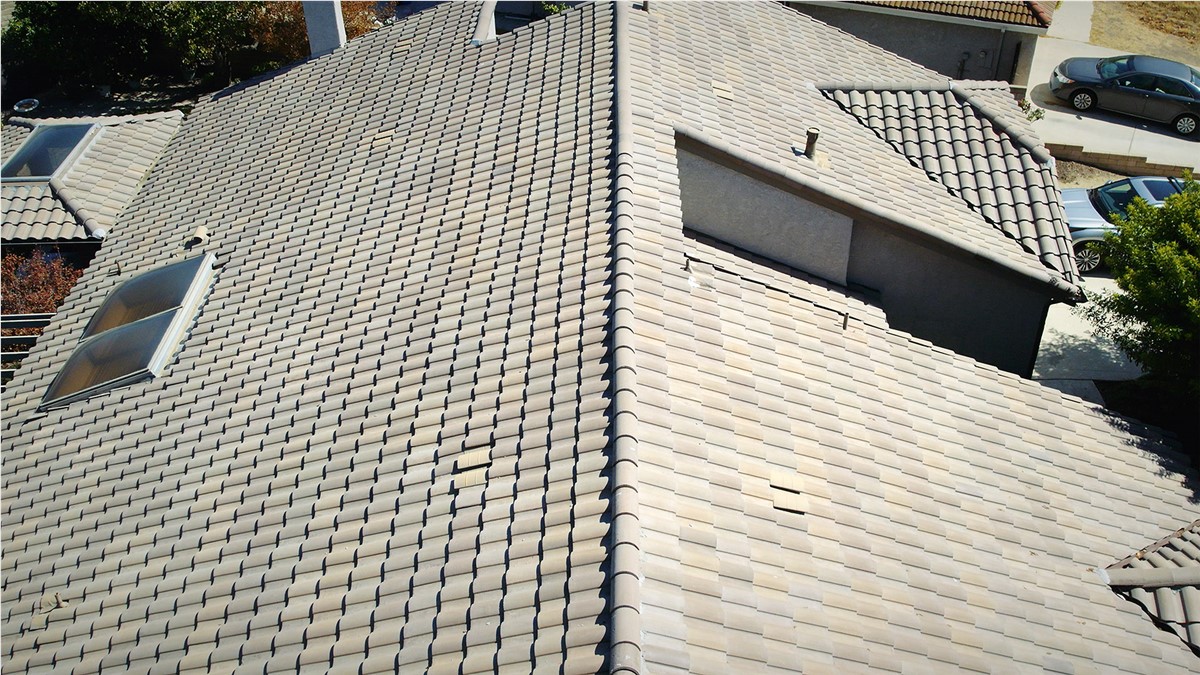
- Concrete and clay tile: Popular throughout Southern California for durability and aesthetics. Tiles last 50+ years but require proper underlayment and a structural assessment to ensure the roof deck can support the weight.
- Cool roof coatings: Title 24 in California requires certain reflectivity standards for roof replacements. Cool roof products reduce attic heat, lower cooling costs, and meet these code requirements.
Solar Components and Quality Tiers
Solar panel pricing varies based on cell efficiency, degradation rate, and warranty length. A cheaper panel might produce 18% efficiency at installation but degrade faster, producing meaningfully less energy by year 10.
Inverter type also matters. String inverters are the least expensive but create a single point of failure. Microinverters, mounted behind each panel, allow individual panel monitoring and prevent one shaded panel from reducing the output of the entire array. For Ventura County homes with partial shading from trees or adjacent structures, microinverters usually deliver better long-term performance.
For homeowners considering solar, understanding your solar installation options alongside your roof condition is essential. A new solar array installed on a roof with only five years of remaining life will require a costly removal and reinstallation when the roof is replaced.
Solar Installation Cost Factors Ventura County Homeowners Should Understand
Solar costs in Ventura County are influenced by several factors beyond the panels themselves. Understanding these components helps you compare proposals accurately.
System Size and Energy Usage
Your system size should be based on your actual electricity consumption, which you can find on your Southern California Edison bill. A properly sized system avoids overproduction penalties under California’s current NEM 3.0 net metering structure. Under NEM 3.0, excess energy exported to the grid is credited at a significantly lower rate than under previous programs, which makes battery storage a more important consideration.
Permitting and Interconnection
Every solar installation in Ventura County requires a building permit from the local jurisdiction (City of Ventura, City of Oxnard, City of Thousand Oaks, etc.) and an interconnection agreement with Southern California Edison. These steps involve fees and processing time that legitimate contractors include in their proposals. If a quote seems unusually low, ask whether permit costs are included.
Roof Condition Assessment
A responsible solar installer will assess your roof’s condition before installing panels. If your roof has fewer than 10 years of remaining life, it makes financial sense to replace the roof first or bundle both projects together. This avoids the $3,000-$5,000 cost of removing and reinstalling solar panels when the roof eventually needs replacement.
Q: Should I replace my roof before going solar in Ventura County?
A: If your roof is more than 15 years old or shows signs of wear, it is generally more cost-effective to replace it before or at the same time as your solar installation. Bundling both projects with a single contractor can reduce total costs and ensure the roof warranty and solar warranty work together rather than against each other.
How to Evaluate Long-Term Value Over Short-Term Savings
The true cost of a roofing or solar project is not the number on the initial invoice. It is the total amount you spend over the life of the system, including repairs, energy production, warranty claims, and eventual replacement.
Here is a practical framework for evaluating value:
- Cost per year of service life: A $15,000 roof that lasts 30 years costs $500 per year. A $10,000 roof that lasts 12 years costs $833 per year. The “cheaper” roof is actually 66% more expensive on an annualized basis.
- Warranty coverage depth: Does the warranty cover materials only, or materials and labor? A 50-year shingle warranty with no workmanship coverage leaves you paying out of pocket for the most expensive part of any repair: the labor.
- Energy production guarantees: For solar, check the panel’s 25-year production guarantee. A panel guaranteed at 85% output at year 25 will produce meaningfully more energy over its lifetime than one guaranteed at 80%.
- Contractor longevity: A warranty is only as good as the company standing behind it. A contractor with 30+ years in business in Ventura County is far more likely to honor a warranty claim in year 15 than a company that started last year.
August Roofing and Solar has served Ventura County, including communities in Thousand Oaks, Simi Valley, Camarillo, Oxnard, and Moorpark, for over three decades. That longevity is not incidental. It reflects a business model built on trained employees, quality materials, and the kind of workmanship that does not generate callbacks. If you want to understand the condition of your current roof before making any investment, schedule a free roof inspection.
People Also Ask
How much does a roof replacement cost in Ventura County?
A typical asphalt shingle roof replacement in Ventura County ranges from $10,000 to $25,000 depending on roof size, pitch, material grade, and whether the existing layers need full tear-off. Tile roofs cost more due to material weight and the structural requirements involved.
Is solar worth it in Ventura County with NEM 3.0?
Solar is still financially beneficial in Ventura County under NEM 3.0, especially when paired with battery storage. The key difference from earlier net metering programs is that exported energy is credited at lower rates, making self-consumption and battery storage more important for maximizing savings.
How do I know if a roofing contractor in Ventura County is legitimate?
Verify the contractor’s license through the California Contractors State License Board. Confirm they carry workers’ compensation and general liability insurance. Ask whether they use W-2 employees or subcontractors. A legitimate contractor will provide proof of all three without hesitation.
Can I install solar and replace my roof at the same time?
Yes, and it is often the most cost-effective approach. Bundling both projects eliminates the future cost of removing and reinstalling solar panels when the roof needs replacement. It also allows a single contractor to coordinate waterproofing, flashing, and panel racking as one integrated system.
Frequently Asked Questions
What are the main factors that affect roofing and solar costs in Ventura County?
The primary factors include material quality, labor model (W-2 employees vs. subcontractors), permit and inspection fees, insurance coverage, system size for solar, and compliance with California Title 24 and CAL FIRE requirements. Each of these components directly influences both the upfront price and the long-term cost of ownership.
Why do roofing and solar costs in Ventura County vary so much between contractors?
Price differences usually reflect differences in labor practices, material grade, insurance coverage, and whether proper permits are pulled. A contractor using uninsured subcontractors and the cheapest available materials can bid significantly lower, but the homeowner assumes greater risk in terms of quality, liability, and warranty validity.
How can I tell if a low roofing bid is too good to be true?
Compare the scope of work in detail. Look for specifics about underlayment type, shingle brand and model, flashing method, ventilation plan, and cleanup procedures. If these details are missing or vague, the low price likely reflects shortcuts that will cost more over time.
Does August Roofing and Solar require a deposit for roofing and solar projects in Ventura County?
No. August Roofing and Solar does not require a deposit. Work begins based on a signed agreement, and payment is collected upon completion. This practice reflects the company’s financial stability and confidence in its work after more than 30 years of service in Ventura County.
What should I do before getting quotes for roofing or solar in Ventura County?
Start with a professional roof inspection to understand your current roof’s condition and remaining life. Review your Southern California Edison electricity bills to understand your energy usage. Then request detailed proposals from at least three licensed, insured contractors so you can compare scope, materials, and labor practices rather than just price.
Roofing and solar costs in Ventura County deserve careful evaluation, not a race to the lowest number. If you are considering a roof replacement, solar installation, or both, the most productive first step is understanding what you currently have. Contact August Roofing and Solar to schedule a free inspection or call (805) 519-8099 to speak with our team directly. We are here to help you make a well-informed decision, with no pressure and no deposit required.