
Key Takeaways
- Combining roofing and solar into a single project reduces total cost, prevents roof warranty conflicts, and ensures solar panels are installed on a structurally sound surface.
- Southern California’s high UV index, Santa Ana winds, and wildfire risk make it critical to have a qualified roofing contractor assess your roof before any solar panel installation.
- A combined roofing and solar contractor can coordinate permitting, inspections, and utility interconnection in one streamlined workflow, saving homeowners weeks of delays.
- California’s Title 24 solar mandate and NEM 3.0 net metering changes make understanding the roofing and solar relationship more important than ever for homeowners planning upgrades.
- August Roofing and Solar has over 30 years of experience integrating both services, requires no deposit, and is fully licensed and certified for roofing and solar work across Southern California.
Quick Links
- Why Combining Roofing and Solar Matters
- How a Combined Roofing and Solar Project Works
- Assessing Your Roof Condition Before Solar Installation
- Southern California Climate Factors That Affect Roofing and Solar
- Cost Benefits of a Combined Roofing and Solar Project
- How to Choose a Roofing and Solar Contractor
- California Solar Requirements Homeowners Should Know
- Quality vs. Production: Why It Matters for Solar Roof Installation
- People Also Ask
- Frequently Asked Questions
Why Combining Roofing and Solar Matters Before You Invest
Many Southern California homeowners discover a frustrating problem after going solar: their roof needs replacement years before the solar panels reach the end of their lifespan. When that happens, the entire solar array must be removed, the roof replaced, and the panels reinstalled. This process, called a “remove and reset,” can cost $5,000 to $15,000 on top of the new roof price.
That scenario is entirely avoidable. Roofing and solar work best when they are planned together from the start. A qualified contractor evaluates the roof’s remaining useful life, structural integrity, and ventilation before a single solar panel is mounted. This prevents costly surprises down the road.
The challenge is that many solar companies are not roofing companies, and many roofing companies do not install solar. Homeowners end up coordinating between two separate contractors, two separate permits, and two separate warranty structures. A combined approach eliminates that friction.
How a Combined Roofing and Solar Project Works
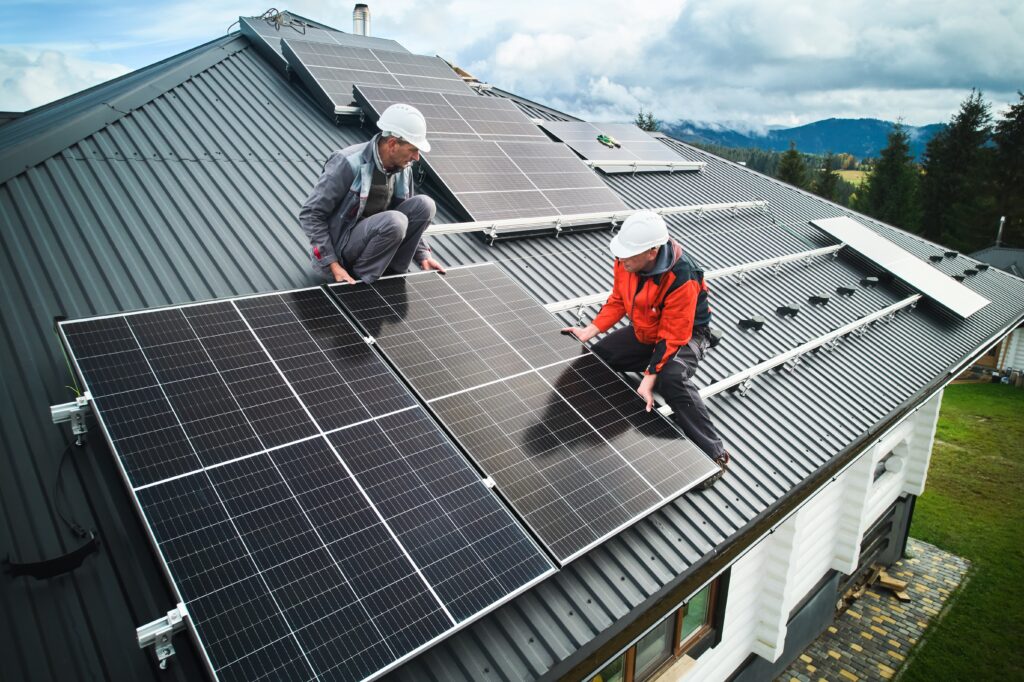
A combined roofing and solar project follows a logical sequence that protects both systems and maximizes their performance. Understanding the steps helps homeowners set realistic expectations for timeline, cost, and coordination.
Step 1: Roof Inspection and Assessment
The process starts with a thorough roof inspection. The contractor evaluates the roof deck, underlayment, flashing, and surface material. They check for leaks, soft spots, and structural deficiencies. For solar, they also assess the roof’s angle, orientation, and available square footage.
Step 2: System Design and Engineering
Once the roof is assessed, the solar system is designed around the roof’s geometry. Panel placement, wiring routes, and inverter location are planned. If a new roof is needed, the roofing material is selected with solar mounting compatibility in mind. Composition shingles, concrete tiles, and standing-seam metal roofs each require different mounting systems.
Step 3: Permitting and Utility Coordination
In Southern California, both roofing and solar projects require permits from the local building department. A combined contractor submits both at the same time, avoiding double review cycles. The contractor also files the interconnection application with the local utility, typically Southern California Edison, so the solar system can connect to the grid once installed.
Step 4: Roof Installation First, Then Solar
The roof is always completed before solar panels are mounted. This ensures the roofing warranty is intact and the surface is clean and weather-tight. Once the roof passes inspection, the solar racking, panels, inverter, and wiring are installed.
Step 5: Final Inspection and System Activation
After installation, the building department inspects both systems. The utility then grants “permission to operate” (PTO), which allows the solar system to begin exporting energy to the grid. This process typically takes two to four weeks after the final inspection.
Q: Can I install solar on an existing roof without replacing it?
A: Yes, if the roof has at least 15 to 20 years of useful life remaining. If it needs replacement within the next decade, it is more cost-effective to replace it before solar installation to avoid future remove-and-reset costs.
Assessing Your Roof Condition Before Solar Roof Installation
Solar roof installation should never begin without a clear understanding of the roof’s current condition. The roof is the foundation for the entire solar energy system. A compromised roof leads to leaks, voided warranties, and premature panel removal.
Here are the key factors a contractor should evaluate before recommending solar:
- Age of the roof: Composition shingle roofs in Southern California typically last 20 to 30 years. Tile roofs can last 40 to 50 years. If a roof is past the halfway point of its expected lifespan, replacement before solar makes financial sense.
- Deck condition: The plywood or OSB (oriented strand board) decking beneath the roofing material must be solid. Soft or rotted decking cannot support solar mounting hardware.
- Flashing and penetrations: Existing roof penetrations for vents, skylights, and chimneys must be sealed and flashed correctly. Solar installation adds new penetrations, so the existing ones must be watertight first.
- Ventilation: Proper attic ventilation prevents heat buildup that degrades both roofing materials and solar panel performance. Ridge vents, soffit vents, and exhaust fans should be inspected.
A thorough pre-solar roof assessment protects the homeowner’s investment in both systems. August Roofing and Solar includes this assessment as a standard part of every solar consultation, drawing on over 30 years of roofing expertise to give homeowners clear, honest guidance.
Q: What happens if my roof fails after solar panels are already installed?
A: The solar panels must be removed, the roof repaired or replaced, and the panels reinstalled. This “remove and reset” process adds significant cost and downtime. It is one of the most common and avoidable mistakes in the solar industry.
Southern California Climate Factors That Affect Roofing and Solar
Southern California’s climate creates specific demands on both roofing and solar systems. Understanding these factors helps homeowners make informed decisions about materials, design, and maintenance.
High UV Exposure
Southern California receives some of the highest UV radiation levels in the country. This is excellent for solar energy production but accelerates the aging of roofing materials. Asphalt shingles lose granules faster under intense UV, reducing their effective lifespan. Choosing UV-resistant roofing materials, like cool-roof-rated shingles or concrete tile, extends the roof’s life and complements solar panel performance.
Santa Ana Winds
Santa Ana wind events can produce gusts exceeding 60 mph in foothill and canyon areas. Both roofing materials and solar panels must be rated and installed to withstand high wind loads. Solar racking systems should meet or exceed the wind speed requirements specified in the local building code. Proper attachment to the roof structure, not just the decking, is essential.
Wildfire Risk and Ember Resistance
Many Southern California communities fall within CAL FIRE’s wildland-urban interface (WUI) zones. Roofing materials in these areas must meet Class A fire ratings for ember resistance. Solar panels themselves are non-combustible, but the mounting hardware, wiring, and any gaps between panels and the roof surface must be properly managed to prevent ember intrusion. CAL FIRE’s building standards provide detailed requirements for roofing in fire-prone areas.
Coastal Marine Layer
Homeowners near the coast deal with marine layer moisture and salt air. These conditions accelerate corrosion on metal components, including solar racking hardware. Stainless steel or anodized aluminum mounting systems resist corrosion better than galvanized steel. Roofing materials in coastal areas should also be rated for salt air exposure.
Cost Benefits of a Combined Roofing and Solar Project
Combining roofing and solar into one project creates several financial advantages that homeowners often overlook.
Reduced labor costs: A single crew mobilization and a single scaffolding setup serve both projects. Separate projects mean paying for setup, cleanup, and crew time twice.
Avoided remove-and-reset fees: As mentioned earlier, replacing a roof after solar installation requires removing and reinstalling the panels. This typically costs $150 to $300 per panel, plus any repairs to the mounting system.
Single warranty structure: When one contractor handles both the roof and the solar installation, there is no finger-pointing between companies if a leak or performance issue arises. The homeowner has one point of contact and one warranty to reference.
Federal tax credit applies to both: Under current IRS guidelines, the federal solar Investment Tax Credit (ITC) can apply to certain roofing costs when the roof is integral to the solar energy system. Homeowners should consult a tax professional, but this is a significant potential savings.
Increased home value: A new roof paired with a solar energy system increases resale value. Buyers see a home with a new roof and solar as a low-maintenance, energy-efficient property.
Q: Does the federal solar tax credit cover the cost of a new roof?
A: In some cases, a portion of the roofing cost may qualify for the federal solar tax credit if the roof work is directly related to the solar installation. This is evaluated on a case-by-case basis. Homeowners should consult a qualified tax advisor for specific guidance.
How to Choose a Roofing and Solar Contractor
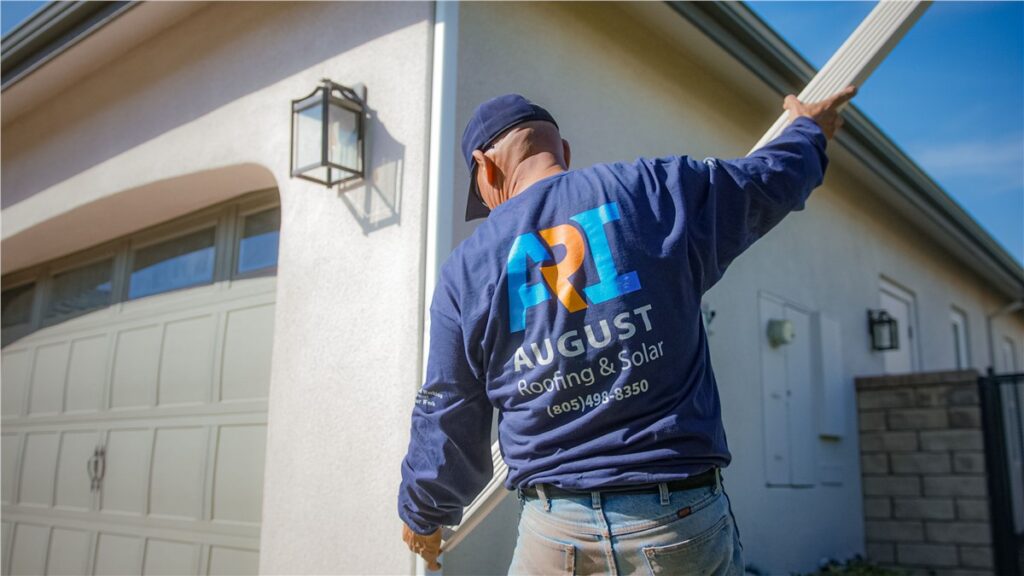
Not all contractors who offer both roofing and solar are equally qualified. Some solar companies subcontract roofing work. Some roofing companies subcontract solar. The result is fragmented accountability.
Here is what to look for when selecting a combined roofing and solar contractor:
- Licensing: In California, roofing requires a C-39 license and solar electrical work requires a C-46 license. Verify that the contractor holds both, not just a general B license.
- Insurance and bonding: Confirm active workers’ compensation and general liability insurance. Ask for certificates, not just verbal confirmation.
- In-house crews: Companies that use their own employees for both roofing and solar installation maintain tighter quality control than those that subcontract to third parties.
- Track record: Look for a contractor with verifiable experience in both roofing and solar. Online reviews, completed project photos, and references from past customers all help.
- Warranty clarity: Ask exactly what is covered, for how long, and by whom. A single company warranty covering both the roof and the solar system is ideal.
August Roofing and Solar operates with in-house crews for both roofing and solar, holds all required licenses, and requires no deposit before work begins. With over three decades of experience, the company focuses exclusively on homeowner projects where quality is the priority.
California Solar Requirements Homeowners Should Know
California has several regulations and programs that directly affect roofing and solar decisions. Staying informed helps homeowners avoid compliance issues and take advantage of available incentives.
Title 24 Solar Mandate
Since January 2020, California’s Title 24 building code requires solar panels on most new residential construction. Homeowners building new homes or doing major renovations that trigger Title 24 compliance should plan their roofing and solar together from the design phase.
NEM 3.0 (Net Billing Tariff)
California’s net metering policy changed significantly in April 2023. Under NEM 3.0, the value of exported solar energy to the grid is lower than under previous versions. This makes battery storage more important and affects system sizing decisions. Homeowners considering solar should understand how NEM 3.0 changes their payback period.
SGIP Battery Rebate
The Self-Generation Incentive Program (SGIP) offers rebates for battery storage systems paired with solar. Homeowners in high-fire-risk areas may qualify for enhanced rebates. This is a meaningful incentive for Southern California homeowners who experience Public Safety Power Shutoffs (PSPS) during fire season.
CAL FIRE Roofing Standards
Homes in WUI zones must meet specific roofing standards for fire resistance. When combining roofing and solar, the roofing material selection must comply with these standards. A knowledgeable contractor ensures the roofing materials, solar mounting system, and overall assembly meet local fire codes.
Quality vs. Production: Why It Matters for Solar Roof Installation
The solar industry has experienced rapid growth, and that growth has attracted companies that prioritize volume over quality. Production-focused solar installers often cut corners on roof preparation, use lower-grade mounting hardware, and rush installations to hit sales targets.
The consequences show up months or years later: roof leaks around improperly sealed penetrations, panels that underperform due to poor placement, and warranty claims that go unanswered because the installer has moved on or closed.
Quality-focused solar roof installation looks different. It starts with an honest roof assessment, continues with careful system design, and finishes with meticulous installation by experienced crews. The installer stands behind the work because they plan to be in business for decades, not just a few years.
This distinction is especially important in Southern California, where the combination of intense sun, wind, and fire risk demands systems that are built to last. Homeowners who prioritize quality over the lowest bid consistently report higher satisfaction and fewer problems over the life of their system.
August Roofing and Solar was founded on this principle. The company’s focus on homeowner projects, rather than large-scale production work, allows the team to maintain the craftsmanship and attention to detail that protect homeowners over the long term.
People Also Ask
Is it better to replace my roof before installing solar panels?
Yes, if your roof has less than 15 years of remaining life. Replacing the roof first avoids the cost of removing and reinstalling solar panels later. A combined project with one contractor is the most efficient approach.
Can one company do both roofing and solar?
Yes. Some contractors are licensed and equipped to handle both roofing and solar installation. This provides a single point of accountability, one warranty, and a streamlined project timeline. Verify that the company holds both C-39 roofing and C-46 solar licenses in California.
How long does a combined roofing and solar project take?
A typical combined project takes three to six weeks from permit submission to system activation. The roofing portion usually takes one to three days for installation. Solar installation adds one to two days. The majority of the timeline is consumed by permitting and utility interconnection.
Do solar panels damage your roof?
Properly installed solar panels do not damage a roof. In fact, they can protect the covered area from UV degradation and weather. Damage occurs when panels are installed incorrectly, with improper flashing, inadequate sealant, or attachment to compromised decking.
Frequently Asked Questions
What is the advantage of combining roofing and solar into one project?
Combining roofing and solar reduces overall cost by eliminating duplicate labor, scaffolding, and setup fees. It also prevents future remove-and-reset expenses and provides a single warranty covering both systems. For Southern California homeowners, this approach ensures both the roof and solar array are designed to handle the region’s specific climate demands.
How do I know if my roof is ready for solar panels?
A qualified contractor will inspect the roof’s age, material condition, deck integrity, and ventilation before recommending solar. If the roof has significant wear or is past the midpoint of its expected lifespan, replacement before solar installation is the better financial decision.
Does roofing and solar installation require special permits in California?
Yes. Both roofing and solar installation require separate building permits in most California jurisdictions. A combined contractor submits both permits simultaneously, reducing processing time. The solar system also requires an interconnection agreement with the local utility, such as Southern California Edison.
What roofing materials work best with solar panels?
Composition shingles, concrete tile, and standing-seam metal roofs are all compatible with solar panel mounting systems. Each requires a different attachment method. In fire-prone areas of Southern California, the roofing material must also meet CAL FIRE Class A fire rating requirements.
Why should I choose a contractor with both roofing and solar experience?
A contractor experienced in both roofing and solar understands how the two systems interact. They can identify potential issues, like inadequate roof ventilation or structural concerns, before solar installation begins. This prevents warranty conflicts and ensures the entire assembly performs as a unified system for decades.
Next Steps for Southern California Homeowners
If you are considering roofing and solar for your home, the most important first step is a professional roof assessment. Understanding your roof’s current condition, remaining lifespan, and compatibility with solar panels gives you the information you need to make a confident decision.
August Roofing and Solar offers free roof inspections for homeowners across Southern California. With over 30 years of experience in both roofing and solar, the team can provide clear, straightforward guidance on whether a combined project makes sense for your home. No deposit is required to get started.
Schedule a free roof inspection or call (805) 519-8099 to speak with the team directly.