
Key Takeaways
- Roof replacement in Ventura County is typically needed every 20 to 30 years, though Southern California conditions like Santa Ana winds, high UV exposure, and coastal moisture can shorten that timeline significantly.
- The most reliable signs you need a new roof include missing or curling shingles, granule buildup in gutters, daylight visible from the attic, and persistent moss or moisture damage.
- If you are considering solar panel installation, replacing an aging roof first prevents costly panel removal and reinstallation later.
- Regular professional inspections, ideally every two to three years, help catch small issues before they become expensive structural problems.
- California homeowners should be aware of Title 24 energy codes and CAL FIRE ember-resistant roofing requirements when selecting replacement materials.
Quick Links
- Why Roof Replacement Matters for Ventura County Homeowners
- How Often Should You Replace a Roof in Southern California?
- Perform Regular Roof Inspections
- Check Your Attic for Hidden Damage
- Inspect Your Gutters for Granule Loss
- Watch for Moss and Moisture Problems
- Solar Installation and Roof Replacement Timing
- California Building Codes and Material Considerations
- When to Call a Professional for Roof Replacement in Ventura County
- People Also Ask
- Frequently Asked Questions
Why Roof Replacement Matters for Ventura County Homeowners
Roof replacement in Ventura County is not something most homeowners think about until a leak appears or shingles start landing in the yard. By that point, the underlying damage has often been building for years. The cost of reacting to a failing roof is almost always higher than the cost of replacing it proactively.
If your home is in Oxnard, Thousand Oaks, Camarillo, Simi Valley, or anywhere else in Ventura County, you are dealing with a unique combination of climate stressors. Coastal marine layer moisture, intense inland heat, seasonal Santa Ana winds, and year-round high UV exposure all work together to degrade roofing materials faster than national averages suggest. Understanding the warning signs and knowing when to act can protect both your home and your finances.
How Often Should You Replace a Roof in Southern California?
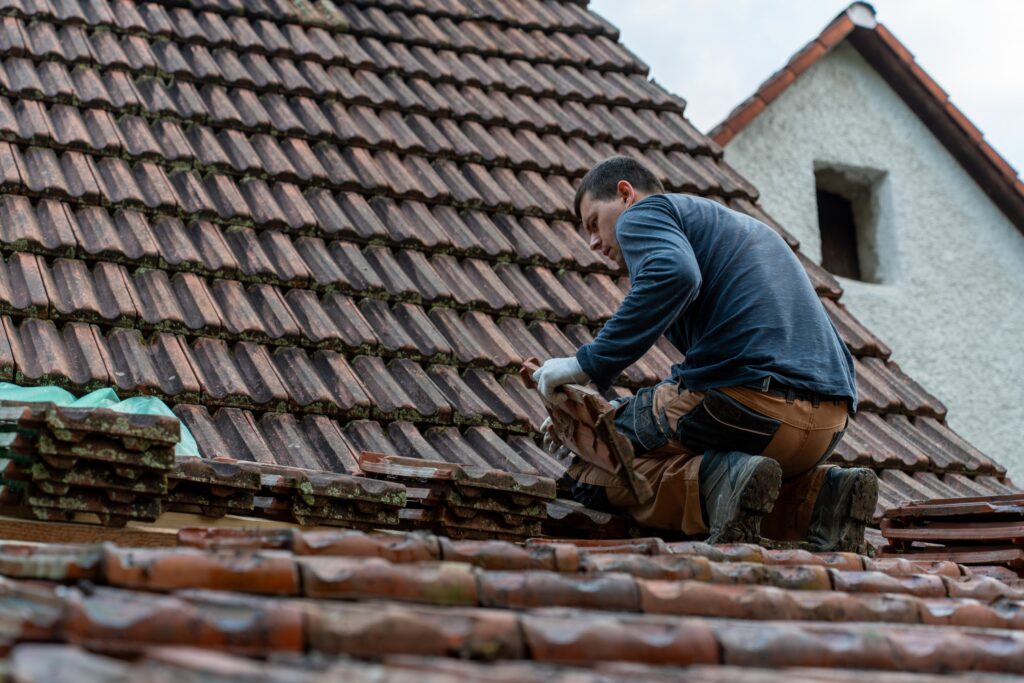
Most roofing materials are rated to last 20 to 30 years under standard conditions. Asphalt shingles, the most common residential roofing material in Ventura County, typically last 20 to 25 years. Concrete and clay tile roofs can last 40 to 50 years, though the underlayment beneath them often needs replacement sooner, usually around the 20-year mark.
Southern California conditions can reduce these timelines. Homes in inland areas like Simi Valley and Moorpark experience extreme summer heat that accelerates shingle deterioration. Homes closer to the coast in Ventura and Oxnard face salt air and persistent moisture from the marine layer. Santa Ana wind events create uplift stress that loosens fasteners and peels back flashing over time.
The 20-to-30-year guideline is a starting point, not a guarantee. The actual lifespan of your roof depends on material quality, installation quality, ventilation, and how well the roof has been maintained. A roof installed with proper attic ventilation and high-quality underlayment will outlast one without those features, even if both use identical shingles.
Q: Does coastal air really shorten a roof’s lifespan?
A: Yes. Salt-laden air accelerates corrosion of metal flashing and fasteners, and persistent moisture from the marine layer encourages algae and moss growth. Homes within a few miles of the coast in Ventura County often need roof attention sooner than inland properties.
Perform Regular Roof Inspections
Regular inspections are the single most effective way to catch problems before they require full roof replacement. A professional roof inspection every two to three years gives you a documented baseline of your roof’s condition and helps you plan financially for eventual replacement.
When you purchased your home, the buyer’s inspection likely included a roof assessment. If the inspector noted wear at that time, your replacement timeline may be closer than you think. If the roof was in good condition, note the year the home was built or the year the roof was last replaced. Once a roof passes the 15-year mark, visual inspections become more important.
During a visual inspection, look for these signs you need a new roof:
- Missing shingles or tiles, especially after wind events
- Curling, cracking, or buckling shingles
- Worn or separated chimney flashing
- A spongy or soft feeling when walking on the roof surface
- Visible sagging in the roofline when viewed from the street
Walking on a roof can be dangerous and can cause additional damage to weakened materials. For homes in Ventura County, scheduling a professional roof inspection is the safest and most accurate approach. August Roofing has conducted thousands of inspections across Ventura County over more than 30 years and can identify issues that are invisible to most homeowners.
Q: How often should I inspect my roof?
A: Every two to three years for a professional inspection. You should also do a ground-level visual check after any major Santa Ana wind event or storm. Look for missing shingles, debris accumulation, and any visible sagging.
Check Your Attic for Hidden Damage
The underside of your roof deck tells a story that the exterior surface cannot. Checking your attic is one of the most reliable ways to detect roof failure before it becomes visible from outside.
Take a flashlight into your attic space and look carefully at the underside of the roof sheathing. You are checking for three things: stains, streaks, and light. Dark stains or streaks indicate past or active water intrusion. These marks often appear around penetrations such as vent pipes, skylights, or chimney flue openings.
Turn off the flashlight and let your eyes adjust. If you see any pinpoints of daylight coming through the roof deck, the sheathing or shingles have been compromised. Even a small point of light means water can enter during rain.
Many homeowners ask whether a patch or spot repair is sufficient when attic damage is found. In some cases, isolated damage from a single event can be repaired. However, if the damage is widespread or the roof is older than 15 years, patching one area often leaves the surrounding weakened material in place. The repaired spot may hold, but the area around it continues to degrade. Over time, repeated spot repairs can cost more than a single full replacement.
Inspect Your Gutters for Granule Loss
Asphalt shingles are coated with mineral granules that serve two purposes: they protect the asphalt layer from UV radiation, and they provide fire resistance. When shingles begin to age, these granules loosen and wash into the gutter system during rain.
If you find a buildup of gritty, sand-like material in your gutters or at the base of your downspouts, those are shingle granules. A small amount of granule loss is normal, especially on newer roofs during the first year. Significant or ongoing granule accumulation indicates that the shingles are losing their protective coating.
Once granules are gone, the exposed asphalt layer deteriorates rapidly under Southern California’s intense UV exposure. This is especially relevant in inland Ventura County communities like Thousand Oaks and Camarillo, where summer temperatures routinely exceed 90 degrees and UV index values are consistently high.
Granule loss is one of the clearest signs you need a new roof, even if no leaks are present. The shingles may still be physically attached, but they are no longer performing their protective function. According to the National Roofing Contractors Association (NRCA), significant granule loss is a primary indicator that shingles have reached the end of their serviceable life.
Q: Is some granule loss normal?
A: Yes, minor granule shedding is normal during the first year after installation. If you notice heavy accumulation in gutters on a roof older than 10 years, it indicates the shingles are deteriorating and should be professionally evaluated.
Watch for Moss and Moisture Problems
Moss growth on a roof surface is a sign that moisture is being trapped against the roofing material. In Ventura County, moss is most common on north-facing roof slopes and in areas shaded by trees, where the marine layer moisture does not evaporate as quickly.
Moss is not just a cosmetic issue. Its root structure works its way beneath shingles and tiles, lifting edges and creating pathways for water. Over time, this causes the underlayment to deteriorate and can lead to wood rot in the roof deck below.
If the moss is limited to a small shaded area and has a clear environmental cause, such as overhanging tree branches, the solution may be as simple as trimming the branches and cleaning the affected area. If moss is growing in multiple areas or on sun-exposed sections of the roof, that suggests a deeper moisture problem. Possible causes include failed underlayment, inadequate roof ventilation, or compromised flashing.
Inadequate attic ventilation is a common contributor. A properly functioning roof ventilation system draws cool air in through soffit vents at the eaves and exhausts warm, moist air through ridge vents or roof vents near the peak. When this airflow is blocked by insulation, debris, or improper installation, moisture accumulates on the underside of the roof deck and creates conditions for moss, mold, and wood rot.
Solar Installation and Roof Replacement Timing
Many Ventura County homeowners exploring solar energy do not realize that their roof condition directly affects the long-term value of a solar investment. If you install solar panels on a roof that needs replacement within the next 10 years, you will eventually need to pay for panel removal, storage, the roof replacement itself, and then reinstallation of the panels. This can add $5,000 to $10,000 or more to the total cost.
The most cost-effective approach is to assess your roof’s remaining lifespan before committing to solar. If your roof has fewer than 15 years of useful life remaining, replacing it before or during solar installation saves significant money and disruption.
August Roofing and Solar handles both roofing and solar installation as a single licensed contractor. This matters because coordinating these two projects through one company ensures that roof penetrations for panel mounting are properly sealed, flashing is integrated correctly, and warranty coverage is not fragmented between multiple contractors.
California’s Title 24 energy code now requires solar on most new residential construction. For existing homes, the state’s Net Energy Metering (NEM) program through Southern California Edison allows homeowners to receive bill credits for excess solar energy sent to the grid. Pairing a new roof with solar maximizes the return on both investments by aligning their lifespans.

Q: Should I replace my roof before going solar?
A: If your roof is older than 15 years or showing signs of wear, replacing it before solar installation is strongly recommended. This avoids the expense of removing and reinstalling panels when the roof eventually needs replacement.
California Building Codes and Material Considerations
Roof replacement in Ventura County is governed by California building codes that go beyond what many other states require. Understanding these requirements helps you make informed material choices and avoid compliance issues.
CAL FIRE designates much of Ventura County as a Wildland-Urban Interface (WUI) zone. Homes in these areas, including parts of Thousand Oaks, Simi Valley, Moorpark, and Newbury Park, are required to use Class A fire-rated roofing materials. This means ember-resistant products that meet specific ASTM testing standards. Asphalt shingles rated Class A, concrete tiles, and certain metal roofing products all meet this requirement. Wood shakes, even when treated, are no longer permitted in most WUI zones.
California’s Title 24 Building Energy Efficiency Standards also affect material selection. Cool roof requirements apply to many re-roofing projects, particularly for low-slope roofs. Cool roof materials reflect more sunlight and absorb less heat, which reduces cooling costs. For steep-slope residential roofs, the requirements vary based on climate zone. Ventura County falls within Climate Zone 6 (coastal) and Climate Zone 9 (inland), each with different reflectivity thresholds.
When selecting materials, consider how each performs under local conditions. Clay and concrete tiles handle UV and heat well but are heavier and require a structural roof system designed for the weight. Asphalt architectural shingles offer a balance of cost, aesthetics, and performance. Metal roofing is gaining popularity for its durability and fire resistance but requires proper installation to manage thermal expansion in hot inland areas.
When to Call a Professional for Roof Replacement in Ventura County
Proactive replacement is almost always less expensive than reactive replacement. If you wait until water is actively entering your home, the cost extends beyond roofing materials and labor. You may also be facing drywall repair, insulation replacement, mold remediation, and potential structural work.
Contact a licensed roofing professional if you observe any of the following:
- Your roof is more than 20 years old and has never been replaced
- You see multiple signs you need a new roof, such as granule loss, curling shingles, and attic stains
- Moss or algae growth is spreading across more than one section of the roof
- You are planning solar installation on a roof older than 15 years
- Your home is in a WUI zone and the current roofing does not meet Class A fire rating
August Roofing has served Ventura County homeowners for over 30 years with a straightforward process: no deposit is required to begin work, and every project is handled by licensed and certified crews. Whether you need a free roof inspection or a complete roof and solar system, the process starts with an honest evaluation of what your home actually needs.
After your roof is replaced, update your home maintenance records with the date, materials used, and warranty information. This documentation is valuable for insurance purposes, future home sales, and tracking when the next inspection is due. For roof replacement in Ventura County, taking action before problems escalate is the most reliable way to protect your home and your investment.
If you are unsure about your roof’s condition, contact August Roofing to schedule a free inspection. Call (805) 519-8099 or request an evaluation online. There is no pressure and no obligation.
People Also Ask
How much does roof replacement cost in Ventura County?
Roof replacement in Ventura County typically costs between $10,000 and $30,000 depending on roof size, material selection, and structural complexity. Homes in WUI zones may require specific fire-rated materials that affect pricing. Getting multiple estimates from licensed local contractors is recommended.
How long does a roof last in Southern California?
Asphalt shingle roofs in Southern California generally last 20 to 25 years. Tile roofs can last 40 to 50 years, though the underlayment beneath them usually needs replacement around year 20. High UV exposure, Santa Ana winds, and coastal salt air can reduce these lifespans.
Can you install solar panels on an old roof?
You can, but it is not advisable if the roof will need replacement within 10 years. Removing and reinstalling solar panels during a future roof replacement adds significant cost. Most solar and roofing professionals recommend replacing an aging roof before or during solar installation.
Do I need a permit for roof replacement in Ventura County?
Yes. Ventura County requires a building permit for roof replacement. A licensed roofing contractor will typically handle the permit process. The permit ensures the work is inspected for compliance with California building codes, including fire rating and energy efficiency requirements.
Frequently Asked Questions
What are the most common signs you need a new roof?
The most common signs you need a new roof include curling or missing shingles, granule buildup in gutters, daylight visible through the attic, water stains on ceilings, and moss growth on the roof surface. If multiple signs are present, a professional inspection is the best next step.
How often should I schedule a roof inspection in Ventura County?
Homeowners should schedule a professional roof inspection every two to three years, and after any significant weather event such as Santa Ana winds or heavy rain. For roofs over 15 years old, annual inspections are a good practice. Roof replacement in Ventura County is easier to plan when you have regular inspection data.
Is roof replacement in Ventura County different from other areas?
Yes. Ventura County has specific requirements based on California building codes, CAL FIRE WUI zone designations, and Title 24 energy standards. Many neighborhoods require Class A fire-rated materials, and cool roof standards may apply depending on roof slope and climate zone. A local contractor familiar with these codes is essential.
Should I repair or replace my roof?
If damage is isolated and the roof is under 15 years old, repair is often sufficient. If the roof is over 20 years old or showing multiple signs of failure, replacement is usually more cost-effective. Repeated spot repairs on an aging roof often end up costing more than a single replacement.
Can I combine roof replacement and solar installation to save money?
Yes. Combining roof replacement in Ventura County with solar installation through a single contractor eliminates redundant labor costs, ensures proper waterproofing at panel mount points, and aligns the lifespan of both systems. This is the most efficient approach for homeowners planning both projects.