
Key Takeaways
- Roof replacement in Altadena is often necessary when shingles are curling, cracking, or missing due to Southern California’s intense UV exposure and Santa Ana winds.
- Roofs older than 20 years in Altadena’s inland climate may have exceeded their functional lifespan, even if they appear intact from the ground.
- Roof rot caused by trapped moisture under shingles is a hidden structural risk that requires full replacement rather than surface-level cleaning.
- Active roof leaks should be addressed before the next rainy season, as water intrusion causes exponentially more damage over time.
- A compromised roof must be replaced before solar panel installation, since panels require a structurally sound surface with at least 15 years of remaining life.
Quick Links
- Why Roof Replacement Matters for Altadena Homeowners
- Curling Shingles: The First Visible Warning
- Cracked or Missing Shingles in Altadena’s Climate
- When Your Roof’s Age Becomes a Liability
- Roof Rot: The Silent Structural Threat
- Roof Leaks and What They Mean for Your Home
- Why Roof Replacement Comes Before Solar in Altadena
- Choosing a Roof Replacement Contractor in Altadena
- People Also Ask
- Frequently Asked Questions
Why Roof Replacement Matters for Altadena Homeowners
If you have noticed granules in your gutters, dark streaks on your shingles, or a water stain spreading across your ceiling, you are not alone. Roof replacement in Altadena is one of the most common and most consequential decisions homeowners in this foothill community face. The combination of intense inland heat, high UV exposure, and periodic Santa Ana winds puts extraordinary stress on roofing materials, often aging them faster than homeowners expect.
Yet many homeowners delay action because the signs of roof failure are easy to overlook or dismiss. A few curled shingles here, a minor leak there. The problem is that small roofing issues rarely stay small. They compound over months and seasons until the cost of repair approaches or exceeds the cost of full replacement.
This guide walks through the five most reliable warning signs that indicate your roof may need replacement. Each section explains what the sign looks like, why it happens, and what it means for your home’s structural integrity and your plans for solar energy. Whether your home is near the Eaton Canyon area or closer to the community center along Lake Avenue, these indicators apply to nearly every residential roofing system in the region.
1. Curling Shingles: The First Visible Warning Sign for Roof Replacement in Altadena
Curling shingles are one of the earliest and most visible indicators that a roof is failing. When shingles curl, their edges lift away from the roof deck, exposing the underlayment and decking beneath to moisture, UV radiation, and wind-driven debris. In Altadena, where afternoon temperatures frequently exceed 95 degrees during summer, thermal cycling accelerates this process significantly.
Shingle curling generally takes two forms. Cupping occurs when the edges turn upward while the center remains flat. Clawing happens when the center rises and the edges stay flat. Both forms compromise the shingle’s ability to shed water and resist wind uplift.
The root causes typically include poor attic ventilation, improper installation, defective manufacturing, or simply age. In homes throughout the San Gabriel Valley foothills, inadequate attic ventilation is especially common. When hot air cannot escape through ridge vents or soffit vents, it superheats the underside of the roof deck. This trapped heat dries out the shingle adhesive from below, causing the material to warp.
If you see curling across multiple areas of your roof rather than in isolated spots, that pattern usually indicates a systemic ventilation problem or a roof that has reached the end of its serviceable life. A few isolated curled shingles can sometimes be addressed with roof repair in Altadena, but widespread curling points toward full replacement.
Q: Can curled shingles be flattened and re-sealed?
A: In some cases, a roofer can apply roofing cement to re-adhere a lightly curled shingle. However, this is a temporary fix. Once the material has warped due to heat damage or moisture loss, its structural integrity is permanently compromised. Widespread curling warrants a professional roof inspection to assess whether replacement is the better long-term investment.
2. Cracked or Missing Shingles: How Altadena’s Climate Damages Your Roof
Cracked and missing shingles are direct evidence that your roofing system can no longer protect your home effectively. Each missing or fractured shingle creates an entry point for water, pests, and wind-driven debris. In Altadena, the combination of extreme daytime heat and cooler nighttime temperatures in the foothills creates a thermal cycling pattern that weakens shingle material over time.
Asphalt shingles are designed to flex slightly with temperature changes. But after years of daily expansion and contraction, the petroleum-based binders in the shingle dry out and the material becomes brittle. Once brittleness sets in, cracks form along stress lines. Strong winds, which are common during Santa Ana events in the fall and winter, can then lift and tear weakened shingles off entirely.
Missing shingles also expose the roofing nails of adjacent shingles, creating additional leak points. Water can travel along the roof deck beneath remaining shingles, making it difficult to trace the origin of a leak from inside the attic. This is why even a few missing shingles should prompt a thorough inspection of the entire roof system rather than a localized patch.
Homeowners in Altadena and neighboring Pasadena who notice cracked or missing shingles after a wind event should document the damage photographically and schedule an inspection promptly. Insurance claims for wind damage typically require documentation within a specific window.
Q: How many missing shingles justify a full roof replacement?
A: There is no universal threshold, but a general guideline is this: if more than 20 to 30 percent of your shingles are damaged, cracked, or missing, the cost of repeated repairs approaches the cost of replacement. A professional roof inspection can help you determine which option makes more financial sense for your situation.
3. When Your Roof’s Age Becomes a Liability in Altadena
Every roofing material has a projected lifespan, and exceeding it increases the probability of sudden failure. Standard three-tab asphalt shingles typically last 15 to 20 years. Architectural (dimensional) asphalt shingles can last 25 to 30 years. Concrete tile, which is common on many Altadena homes built in the 1970s through 1990s, can last 40 to 50 years, though the underlayment beneath the tile often fails well before the tile itself.
The critical distinction for Altadena homeowners is that manufacturer lifespan ratings assume moderate climate conditions. Southern California’s high UV index, which ranks among the highest in the continental United States, accelerates the degradation of nearly every roofing material. A roof rated for 30 years in the Pacific Northwest may only deliver 22 to 25 years of reliable performance in the inland valleys east of Los Angeles.
If you are unsure when your roof was last replaced, there are several ways to estimate its age. You can check your home’s permit history through the Los Angeles County Department of Building and Safety, ask the previous owner for records, or have a roofing professional assess the material condition. At August Roofing, with over 30 years of experience inspecting and replacing roofs across Southern California, our team can evaluate remaining roof life during a free inspection and provide an honest assessment of whether you need roof repair in Altadena or full replacement.
An aging roof also directly impacts your plans for solar. Most reputable solar installers will not mount panels on a roof with fewer than 15 years of remaining life, because removing and reinstalling panels mid-lifespan adds thousands of dollars in unnecessary cost.
Q: Does a roof warranty cover the full manufacturer-stated lifespan?
A: Most manufacturer warranties cover material defects but not normal wear from weather exposure. Additionally, many warranties are prorated, meaning coverage decreases over time. Some warranties are also voided if the installation was not performed by a certified contractor. Review your warranty documents carefully and have a licensed roofer assess whether a warranty claim is viable before assuming coverage.
4. Roof Rot: The Silent Structural Threat Hiding Under Your Shingles
Roof rot is wood decay caused by fungal organisms that thrive in moist, poorly ventilated environments. It is one of the most serious forms of roof damage because it compromises the structural integrity of the roof deck, the layer of plywood or oriented strand board (OSB) that supports everything above it. Once the deck is weakened by rot, shingles, flashing, and even solar panels lose their secure anchor point.
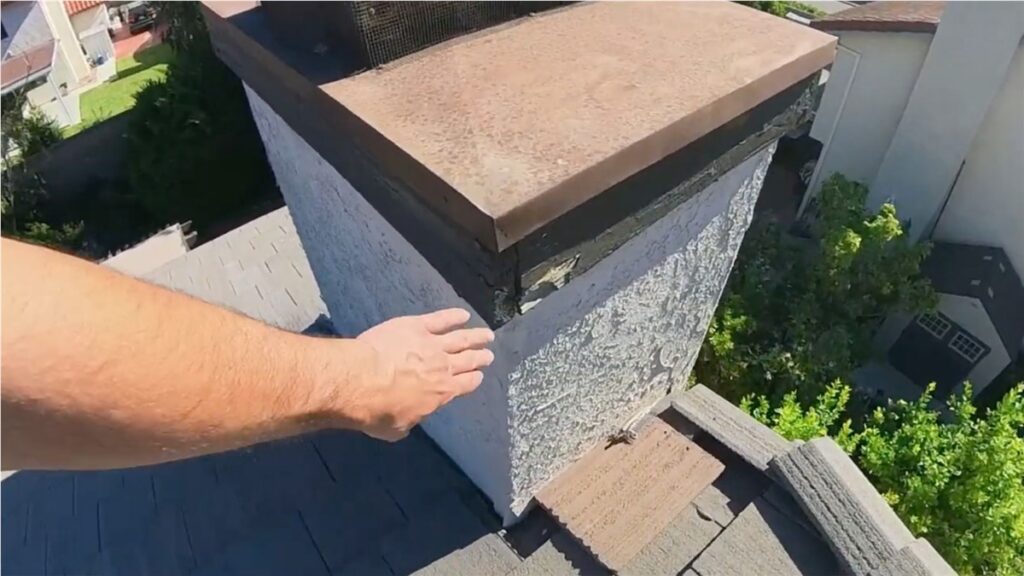
In Altadena, roof rot most commonly develops in areas where moisture becomes trapped. This includes valleys where two roof planes meet, areas around improperly sealed vent pipe flashings, and zones beneath satellite dishes or other roof-mounted equipment where water pools. While Southern California receives relatively little rainfall compared to other regions, the moisture that does arrive during winter storms can become trapped if the roofing system has any compromised points.
The fungal growth that causes rot is not always visible from outside. By the time you see dark, soft, or spongy spots on the roof surface, the decay has often spread well beyond the visible area. Scraping away surface fungus without addressing the underlying moisture entry point is ineffective. The rot will return.
A comprehensive approach to roof rot includes identifying the moisture source, removing all affected decking and structural members, treating the surrounding wood with fungicide, and installing new decking before re-roofing. This level of work typically requires a full roof replacement rather than a localized repair, particularly if the rot has spread across multiple sections.
5. Roof Leaks in Altadena: The Most Urgent Reason for Roof Replacement
An active roof leak is the clearest signal that your roofing system has failed in its primary function. If you can see daylight through your attic roof boards, notice water stains on ceilings or walls, or find damp insulation in the attic space, your roof is allowing water intrusion. Every day that a leak goes unaddressed increases the scope and cost of the eventual repair.
Leaks in Altadena homes most often originate at transition points in the roof system. These include the flashing around chimneys, where roof planes intersect in valleys, around plumbing vent pipes, and at the drip edge along the eaves. Flashing, which is the thin metal material installed at these junctions to redirect water, corrodes or separates over time. Once flashing fails, water follows gravity along the roof deck and into the attic or wall cavities.
A single leak rarely means a single point of failure. Water can travel several feet along a rafter or the underside of the decking before it drips onto insulation or drywall. This makes pinpointing the exact entry point difficult without a professional inspection. Infrared moisture detection, which maps temperature variations on the roof surface, is one of the tools experienced roofing contractors use to locate hidden leak sources without destructive investigation.
If your Altadena home has experienced leaks during recent rainy seasons, the window between spring and fall is the ideal time to address the issue. Waiting until the next rain event risks compounding water damage, mold growth, and potential electrical hazards if water reaches wiring or junction boxes. The National Roofing Contractors Association (NRCA) recommends addressing leaks within days of discovery rather than waiting for a more convenient season.
Why Roof Replacement Comes Before Solar Panel Installation in Altadena
Many Altadena homeowners are interested in solar energy, and for good reason. Southern California Edison rates continue to rise, and Altadena’s foothill positioning offers excellent solar exposure for most of the year. However, installing solar panels on a roof that needs replacement within the next 10 to 15 years is a costly mistake.
Solar panels are typically warrantied for 25 years and can produce electricity for 30 years or more. They are mounted to the roof deck using lag bolts and racking systems that penetrate the roofing material. If the roof needs to be replaced while panels are still active, the entire solar array must be removed, the roof replaced, and the panels reinstalled. This process, called a “remove and replace” or R&R, typically costs $3,000 to $10,000 depending on system size and roof complexity.
The smarter approach is to replace the roof first, then install solar. This ensures the new roof and new solar system share a comparable lifespan, and it eliminates the R&R cost entirely. At August Roofing and Solar, we handle both roof replacement and solar installation as integrated projects. This means a single team manages the entire scope, one permit process, and no deposit is required to begin work.
California’s Title 24 building code now requires solar on most new residential construction, and homeowners replacing roofs on existing homes should consider whether solar makes sense during the same project. The U.S. Department of Energy recommends evaluating roof condition as the first step in any residential solar assessment.
Q: Will my roof warranty be voided if I install solar panels?
A: It depends on the roofing manufacturer and the installer. Some manufacturers void the warranty if non-certified contractors penetrate the roofing material. Working with a company that is both a licensed roofing contractor and a licensed solar installer, like August Roofing, helps ensure that both warranties remain intact because the same team manages both systems.
Choosing a Roof Replacement Contractor in Altadena
Selecting the right contractor for roof replacement in Altadena requires evaluating several factors beyond price. Licensing, insurance, local experience, and warranty terms all matter. California law requires roofing contractors to hold a C-39 roofing license issued by the Contractors State License Board (CSLB). Verify any contractor’s license status through the CSLB website before signing a contract.
Experience in the local area matters because roofing challenges vary by microclimate and building style. Homes in the Altadena foothills near the Angeles National Forest face elevated wildfire risk, and CAL FIRE requires Class A fire-rated roofing materials in designated wildfire zones. Homes in lower Altadena near the Pasadena border may have different structural considerations based on their era of construction.
When evaluating roof repair in Altadena versus full replacement, a trustworthy contractor will present both options with transparent cost comparisons and explain the expected lifespan of each approach. Be cautious of contractors who pressure you into immediate decisions or demand large upfront deposits. A reputable company will provide a detailed written estimate, explain the scope of work, and give you time to make an informed decision.
Ask about material options as well. For Altadena’s climate, architectural asphalt shingles from manufacturers like Owens Corning or CertainTeed offer strong UV resistance and wind ratings. Concrete and clay tile remain popular choices for homeowners who want a 40-plus year material and a style consistent with the Spanish Colonial and Craftsman architecture common in the area.
People Also Ask
How much does a roof replacement cost in Altadena?
Roof replacement in Altadena typically costs between $8,000 and $25,000 depending on roof size, material selection, and the extent of any underlying deck damage. Homes with steep pitches or complex rooflines with multiple valleys and dormers cost more due to increased labor and material requirements.
How long does a roof replacement take in Southern California?
Most residential roof replacements in Altadena and surrounding communities take 2 to 5 days for asphalt shingles and 5 to 10 days for tile. Weather delays are rare in Southern California, but permitting and material lead times can add to the overall project timeline.
Do I need a permit to replace my roof in Altadena?
Yes. Altadena is in unincorporated Los Angeles County, and roof replacements require a building permit from the LA County Department of Building and Safety. Your roofing contractor should handle the permit application as part of the project scope.
Can I install solar panels on an old roof?
You can, but it is not recommended if the roof has fewer than 15 years of remaining life. Installing solar on an aging roof leads to costly removal and reinstallation when the roof eventually needs replacement. Replacing the roof first is the more cost-effective approach.
Frequently Asked Questions
What are the signs I need roof replacement in Altadena?
The five primary signs are curling shingles, cracked or missing shingles, a roof older than 20 years, visible rot or soft spots on the deck, and active leaks. If you observe any combination of these signs, schedule a professional inspection to determine whether roof replacement in Altadena is the right course of action.
How does Altadena’s climate affect roof lifespan?
Altadena’s inland position means higher temperatures, stronger UV exposure, and periodic Santa Ana winds compared to coastal areas. These conditions accelerate shingle degradation and can reduce a roof’s effective lifespan by 5 to 8 years compared to manufacturer projections based on moderate climates.
Should I repair or replace my roof before going solar in Altadena?
If your roof has fewer than 15 years of remaining life, replacement before solar installation is strongly recommended. Roof replacement in Altadena combined with solar installation in a single project eliminates the future cost of removing and reinstalling panels, which can range from $3,000 to $10,000.
Does August Roofing offer free roof inspections in Altadena?
Yes. August Roofing provides free roof inspections for homeowners in Altadena and throughout Southern California. The inspection includes an assessment of shingle condition, flashing integrity, ventilation, and remaining roof life. No deposit is required to begin any project.
What roofing materials are best for homes in Altadena?
Architectural asphalt shingles with high UV resistance ratings are the most popular choice for cost-effective durability. Concrete and clay tile are excellent long-term options that also meet CAL FIRE Class A fire rating requirements, which is an important consideration for homes near the wildland-urban interface in the Altadena foothills.
If you have noticed any of these warning signs on your Altadena home, the most practical next step is a professional inspection. Understanding the current condition of your roof helps you plan and budget, whether the answer is a targeted repair or full roof replacement in Altadena. Schedule a free inspection with August Roofing or call (805) 519-8099 to discuss your roof’s condition with an experienced project consultant.