
Key Takeaways
- Balding granules, missing shingles, exposed nail heads, and wood rot are the most common signs a Pasadena asphalt roof needs repair or replacement.
- Southern California’s high UV index, Santa Ana winds, and inland heat accelerate shingle aging far faster than in milder climates.
- Exposed or rusted nail heads are a leading hidden cause of roof leaks in Pasadena homes, even when shingles appear intact from the ground.
- Missing flashing around chimneys, pipes, and solar panel mounts creates direct water entry points that lead to structural damage over time.
- Scheduling a professional roof inspection early can prevent small, fixable issues from escalating into an expensive asphalt roof replacement in Pasadena.
Quick Links
- Why Pasadena Roofs Age Faster Than You Might Expect
- Balding Roof Shingles and Granule Loss
- Wood Rot on Eaves, Fascia, and Beams
- Missing or Damaged Shingles
- Exposed Nail Heads and Rust
- Improper Roof Installation
- Missing Ridge Cap
- Lack of Flashing Around Penetrations
- Recurring Roof Repairs as a Warning Sign
- What to Do If You See These Signs in Pasadena
- People Also Ask
- Frequently Asked Questions
Why Pasadena Roofs Age Faster Than You Might Expect
You might assume your asphalt shingle roof has another decade left, only to discover during a heavy winter rain that water is already pooling in your attic. Many homeowners in Pasadena face this exact situation because roof damage often develops slowly and stays invisible from ground level. If you are wondering whether your roof needs roof repair in Pasadena, understanding the warning signs early is the single best way to protect your home and your budget.
Pasadena sits in an inland valley where summer temperatures routinely climb above 95 degrees. That intense heat, combined with the region’s high UV index and periodic Santa Ana wind events, puts constant stress on asphalt shingles. Unlike coastal cities buffered by marine layer, Pasadena roofs absorb direct sun for most of the year. The result is accelerated granule loss, thermal cracking, and weakened adhesive strips that shorten a roof’s effective lifespan by several years compared to manufacturer estimates.
In this guide, our project consultant Garrett walks through a full roof inspection and explains each warning sign in plain language. Whether your roof is 10 years old or 25, these are the signs every Pasadena homeowner should know.
Balding Roof Shingles and Granule Loss
Granule loss is the earliest visible sign that an asphalt roof is aging. Asphalt shingles are constructed from three layers: a fiberglass mat for structure, an asphalt coating for waterproofing, and ceramic granules on the surface for UV protection. When those granules wear away, the dark fiberglass mat becomes exposed, and the shingle loses its ability to reflect heat and resist moisture.
In Pasadena’s hot, dry climate, this process happens faster than in cooler regions. Direct sun exposure heats shingles from above, while poor attic ventilation can trap heat below, essentially cooking the shingle from both sides. If you look at your roof and see smooth, dark patches where granules have worn off, your shingles are approaching the end of their functional life.
You may also notice granules accumulating in your gutters or at the base of downspouts. A small amount of granule shedding is normal on a new roof, but consistent buildup on an older roof is a clear signal that the protective surface is failing.
Q: How long do asphalt shingles typically last in Pasadena?
A: Standard three-tab asphalt shingles last roughly 15 to 20 years in Pasadena’s inland heat. Architectural (dimensional) shingles can last 25 to 30 years with proper ventilation and maintenance, though extreme heat and Santa Ana winds can reduce that range.
Q: Can I slow down granule loss?
A: Improving attic ventilation is the most effective step. Proper ridge and soffit vents reduce heat buildup underneath the shingles, which slows the breakdown of the asphalt binder that holds granules in place.
Wood Rot on Eaves, Fascia, and Beams
Wood rot is a structural concern that often starts small and spreads quickly. It most commonly appears on the eaves, fascia boards (the flat boards behind your gutters), and any exposed rafter tails or beams. Repeated water exposure from rain runoff, clogged gutters, or condensation from poor ventilation causes the wood fibers to break down and become soft or spongy.
In Pasadena and surrounding areas like Altadena and San Marino, older homes often have exposed wood trim that is especially vulnerable. Keeping these surfaces well painted or sealed creates a moisture barrier that significantly extends their lifespan. However, once rot takes hold, painting over it will not stop the damage. The affected wood needs to be replaced.
Scheduling periodic roof inspections throughout your roof’s lifetime is the most reliable way to catch wood rot early. Because rot can develop on the underside of eaves and behind gutters, it is easy to miss from the ground.
Missing or Damaged Shingles in Pasadena
Missing shingles leave the underlayment (the waterproof membrane beneath the shingles) directly exposed to sun and rain. Underlayment is designed as a secondary barrier, not a primary one. Prolonged exposure degrades it quickly, especially under Pasadena’s intense summer sun, opening a path for water to reach the roof deck and the interior of your home.
Shingles detach for several reasons. High winds during Santa Ana events can lift and tear shingles that have weakened adhesive strips. Overhanging tree branches scraping against the surface can crack or dislodge individual shingles over time. Improper nailing during the original installation also makes shingles more prone to blowing off.
If you spot bare patches on your roof, it is worth investigating promptly. A few missing shingles can sometimes be addressed with a targeted repair, but widespread loss often signals that the adhesive across the entire roof has deteriorated, which points toward a full asphalt roof replacement in Pasadena rather than isolated fixes.
Q: Is it worth replacing just a few shingles?
A: It depends on the roof’s overall condition. If the surrounding shingles are still well bonded and the underlayment is intact, a localized repair can be effective. If granule loss and adhesive failure are widespread, patching individual areas provides only temporary protection.
Exposed Nail Heads: A Hidden Cause of Roof Leaks
An exposed nail head may look minor, but it is one of the most common causes of slow, hard-to-detect roof leaks. Properly installed shingles completely cover all nail heads so that no metal is exposed to the elements. When nails are left exposed, either from installation error or from shingles shifting over time, rainwater can follow the nail shaft directly into the roof deck.
Rust compounds the problem. Once an exposed nail begins to corrode, the rust expands the hole around the nail, creating a larger opening for water entry. In a climate like Pasadena’s, where rain may arrive in heavy bursts after long dry periods, even a single corroded nail can channel a surprising amount of water into your attic during a storm.
Because exposed nails are nearly impossible to see from the ground, a close-up roof inspection is the only reliable way to identify them. August Roofing, with over 30 years of experience across Southern California, routinely identifies exposed nail heads as a root cause during leak investigations that other contractors overlook. If your Pasadena home has had a persistent leak that previous repairs did not resolve, exposed nails may be the source.
Improper Roof Installation and What It Looks Like
A poorly installed roof causes problems long before the materials themselves wear out. Two of the most visible signs of improper installation are incorrect nail placement and uneven coursing. Coursing refers to the horizontal alignment of shingle rows. When rows drift out of alignment, it usually indicates a rushed or careless installation where the roofer did not use chalk lines to guide placement.
Nail placement matters because shingle manufacturers specify a narrow nailing zone, typically a strip about one inch wide, where nails must land to secure the shingle properly without piercing the shingle below. Nails placed too high leave the bottom of the shingle unsecured and vulnerable to wind uplift. Nails placed too low can puncture the shingle below, creating a leak point.
In Pasadena and neighboring cities like Arcadia and La Canada Flintridge, homes re-roofed during construction booms sometimes show signs of installation shortcuts. If your roof is relatively new but already exhibiting shingle displacement, lifting, or uneven lines, the issue may be workmanship rather than material failure. A professional inspection can determine whether a targeted roof repair in Pasadena is sufficient or whether the faulty installation warrants a more comprehensive solution.
Missing Ridge Cap at the Roof Peak
The ridge cap is a row of specially shaped shingles that covers the peak, or ridge, of your roof where two sloping planes meet. Its purpose is to seal that joint against wind-driven rain and debris. When the ridge cap is missing or damaged, the underlying shingle edges at the peak are exposed, creating a direct entry point for water.
Ridge caps are particularly vulnerable during Santa Ana wind events, which can gust above 60 mph in foothill communities near Pasadena. Wind catches the edge of the cap shingle and peels it away from the ridge. Once gone, rain can travel down the underside of the shingles on both slopes of the roof, causing leaks that appear far from the actual source.
Checking the ridge line is one of the easiest visual assessments a homeowner can do from the ground. If you see gaps, lifted edges, or bare spots running along the peak of your roof, contact a licensed roofing contractor for evaluation.
Q: Can a missing ridge cap be repaired without replacing the whole roof?
A: Yes. Ridge cap replacement is a straightforward repair when the rest of the roof is in good condition. A qualified contractor can install new ridge cap shingles over the existing field shingles as long as the underlying deck and underlayment are sound.
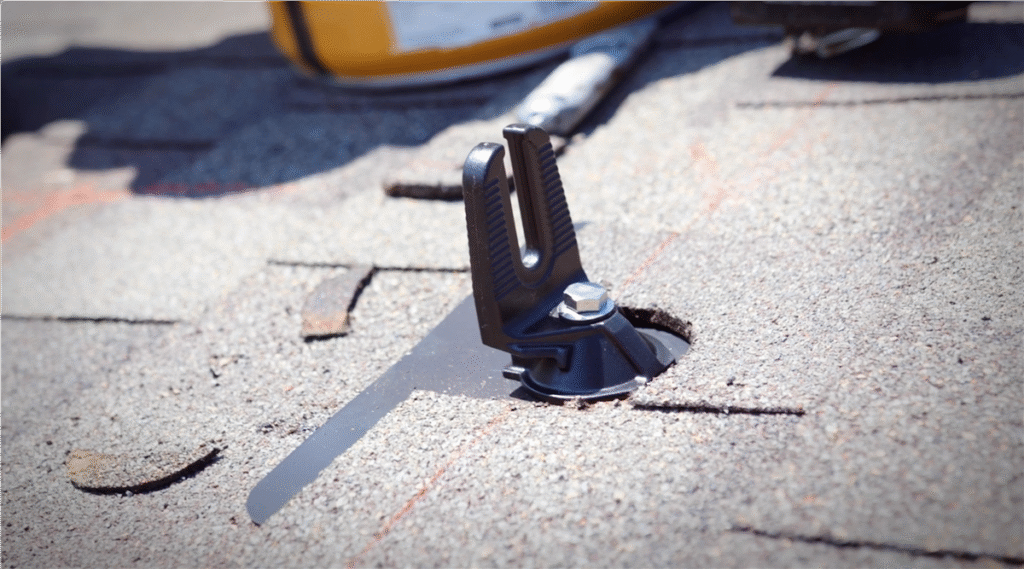
Lack of Flashing Around Chimneys, Pipes, and Solar Mounts
Flashing is thin metal (usually galvanized steel or aluminum) installed at roof transitions and penetrations to direct water away from vulnerable joints. Common locations include around chimneys, plumbing vent pipes, skylights, and where a sloped roof meets a vertical wall. Without flashing, water has a direct path into the structure at these points.
For Pasadena homeowners with solar panel systems, flashing is especially important. Solar panel mounting hardware creates penetrations through the roofing material into the roof deck. Each penetration point requires proper flashing or a comparable waterproof boot to prevent leaks. If your solar installation did not include flashing at every mount point, your roof is at elevated risk.
According to the National Roofing Contractors Association (NRCA), improper or missing flashing is one of the top causes of roof leaks across the United States. In Southern California, where rain arrives in intense bursts rather than steady drizzle, properly installed flashing is the difference between a dry interior and significant water damage.
If you are considering solar for your Pasadena home, or if you already have panels installed, it is worth having a roofer inspect the flashing at each mount point. August Roofing and Solar handles both roofing and solar installation, which means flashing and waterproofing are addressed as a unified system rather than as separate trades that may not coordinate.
Recurring Roof Repairs as a Warning Sign
Minor roof repairs are a normal part of maintaining any home. A few patched shingles or a resealed pipe boot do not necessarily mean your roof is failing. However, when repairs become frequent or when the same area requires attention more than once, it usually indicates a deeper problem that surface-level fixes cannot resolve.
Extensive patching across multiple areas of the roof is a strong signal that the roofing system as a whole is nearing the end of its useful life. At that point, continuing to invest in individual repairs often costs more over time than a planned asphalt roof replacement in Pasadena would. A full replacement also gives you the opportunity to upgrade underlayment, improve ventilation, and address any deck damage that has accumulated beneath the old shingles.
If you have spent money on roof repairs more than twice in the past three years, a comprehensive inspection can help you understand whether continued repairs make financial sense or whether replacement is the more practical path forward.
What to Do If You See These Signs on Your Pasadena Roof
If you have noticed any of the warning signs described above, the first step is to get a professional assessment. Roof damage that is visible from the ground almost always has additional issues that only a close-up inspection can reveal. A thorough evaluation should include the condition of the shingles, underlayment, flashing, ventilation, and the structural integrity of the roof deck itself.
For Pasadena homeowners and those in nearby communities like South Pasadena, Eagle Rock, and Glendale, addressing roof issues before the rainy season is especially important. Southern California rain events tend to be heavy and brief, which means even small vulnerabilities can result in significant water intrusion during a single storm.
Early detection is the most effective way to avoid costly repairs. A small leak that goes unnoticed for one rainy season can cause mold growth, damaged insulation, and compromised framing that multiplies the cost of the eventual fix. The U.S. Department of Energy notes that a well-maintained roof also contributes to better home energy efficiency, reducing the load on your HVAC system during Pasadena’s hot summers.
August Roofing and Solar offers no-cost roofing consultations with no deposit required. If your Pasadena home needs roof repair or you want a professional opinion on your roof’s remaining lifespan, schedule an inspection or call (805) 519-8099 to speak with our team.
People Also Ask
How much does roof repair cost in Pasadena?
Roof repair costs in Pasadena typically range from $350 for minor fixes like replacing a few shingles to $1,500 or more for flashing replacement, ridge cap repair, or addressing wood rot. The total depends on the scope of damage, roof accessibility, and materials needed.
How do I know if my roof needs repair or full replacement?
If damage is limited to one area and the surrounding shingles are in good condition, a repair is usually sufficient. If you see widespread granule loss, multiple areas of damage, or your roof is over 20 years old, a full replacement is typically more cost-effective long term.
Does homeowners insurance cover roof repairs in California?
Most California homeowners insurance policies cover roof damage caused by sudden events like wind or fallen trees. They generally do not cover damage from normal wear and aging. Filing a claim for storm damage requires documentation showing the damage resulted from a specific event.
How often should I get a roof inspection in Pasadena?
Roofing professionals recommend inspecting your roof at least once every two years, and after any major storm or Santa Ana wind event. Homes with older roofs or mature trees nearby benefit from annual inspections.
Frequently Asked Questions
What are the first signs I need roof repair in Pasadena?
The earliest signs are granule loss on asphalt shingles, which appears as dark or bald patches on the roof surface. You may also notice granules collecting in your gutters. Cracked, curling, or lifted shingles are also early indicators that your roof needs attention.
How long does an asphalt roof last in Southern California?
Standard three-tab asphalt shingles typically last 15 to 20 years in Southern California’s heat. Architectural shingles can last 25 to 30 years with proper ventilation and maintenance. Pasadena’s inland location and high UV exposure can reduce these ranges by several years.
Can I do roof repair in Pasadena myself?
Minor tasks like clearing debris from gutters can be done safely by homeowners. However, shingle replacement, flashing installation, and nail repair require proper technique and safety equipment. Incorrect DIY repairs can void manufacturer warranties and create new leak points.
What causes roof leaks during California rainstorms?
The most common causes are missing or damaged flashing, exposed nail heads, cracked or missing shingles, and deteriorated sealant around pipes and vents. Because Southern California rain arrives in heavy bursts, even small openings can allow significant water entry during a single storm.
Should I get a roof inspection before installing solar panels in Pasadena?
Yes. Solar panel mounting hardware penetrates the roof surface, so your roof needs to be in sound condition before installation. If your roof needs roof repair in Pasadena or is nearing the end of its lifespan, replacing it before solar installation avoids the cost of removing and reinstalling panels later. A company like August Roofing and Solar can evaluate both your roof and solar readiness in a single consultation.