
Key Takeaways
- Roof noises in Ventura County are most commonly caused by thermal expansion and contraction, animal intrusion, wind-related component movement, tree branch contact, or post-earthquake settling.
- Scratching and scurrying sounds at night typically indicate rodent or wildlife activity in your attic, while popping and cracking sounds after sunset are usually harmless thermal contraction of roofing materials.
- Loud rattling, banging, or whistling during Santa Ana winds often signals loose flashing, displaced ridge caps, or failed seals that need prompt professional repair.
- Homeowners should schedule a professional roof inspection whenever noises are accompanied by water stains, visible sagging, missing shingles, or rising energy bills.
- Annual roof maintenance, tree trimming, gutter cleaning, and sealing animal entry points are the most effective ways to prevent both strange roof sounds and the damage behind them.
Quick Links
- Why Roof Noises Matter for Ventura County Homeowners
- Common Roof Noises Ventura County Homeowners Hear
- Critters in Your Attic and on Your Roof
- Tree Branches and Roof Damage
- Thermal Expansion and Contraction
- Wind and Weather-Related Roof Noises in Ventura County
- Earthquake Settling and Foundation Noises
- When to Call a Professional Roofer
- Protecting Your Roof in Ventura County
- People Also Ask
- Frequently Asked Questions
Why Roof Noises Matter for Ventura County Homeowners
Roof noises in Ventura County catch homeowners off guard more often than you might expect. A sudden crack in the middle of the night, a persistent scratching in the attic, or a rhythmic banging during a windstorm can trigger real concern about the condition of your home. Thousands of homeowners across Oxnard, Thousand Oaks, Simi Valley, and Camarillo deal with these strange sounds from roof at night, especially as seasons shift and Santa Ana winds pick up.
Understanding what produces these sounds is the first step toward determining whether you need a repair or simply peace of mind. Most roof noises have logical, identifiable causes. Some are completely harmless. Others point to developing problems that become expensive if left alone.
This guide walks through every common source of roof sounds in Ventura County, explains how to tell the difference between normal and concerning noises, and outlines when a professional inspection is the right call.
Common Roof Noises Ventura County Homeowners Hear
Ventura County’s climate produces a unique combination of factors that contribute to roof sounds. Coastal marine layer, inland heat swings, seasonal Santa Ana winds, and seismic activity all place stress on roofing systems in ways that many homeowners do not anticipate.
The most frequently reported roof noises fall into five categories: animal activity, tree branch contact, thermal expansion and contraction, wind-driven component movement, and post-earthquake settling. Each category produces distinct sound patterns that can help you narrow down the cause before calling anyone.
Some sounds are seasonal. Thermal popping increases in summer when daytime-to-nighttime temperature swings exceed 30 degrees. Animal intrusion peaks in fall and winter as wildlife seeks shelter. Wind noise spikes during Santa Ana events from October through January. Knowing these patterns makes it easier to identify what you are hearing.
Q: Are roof noises more common in older homes?
A: Yes. Older homes in Ventura County often have more gaps in roofing materials, worn flashing, and deteriorated seals that amplify both wind noise and thermal movement. Aging attic insulation also allows sound to travel more freely into living spaces.
Critters in Your Attic and on Your Roof
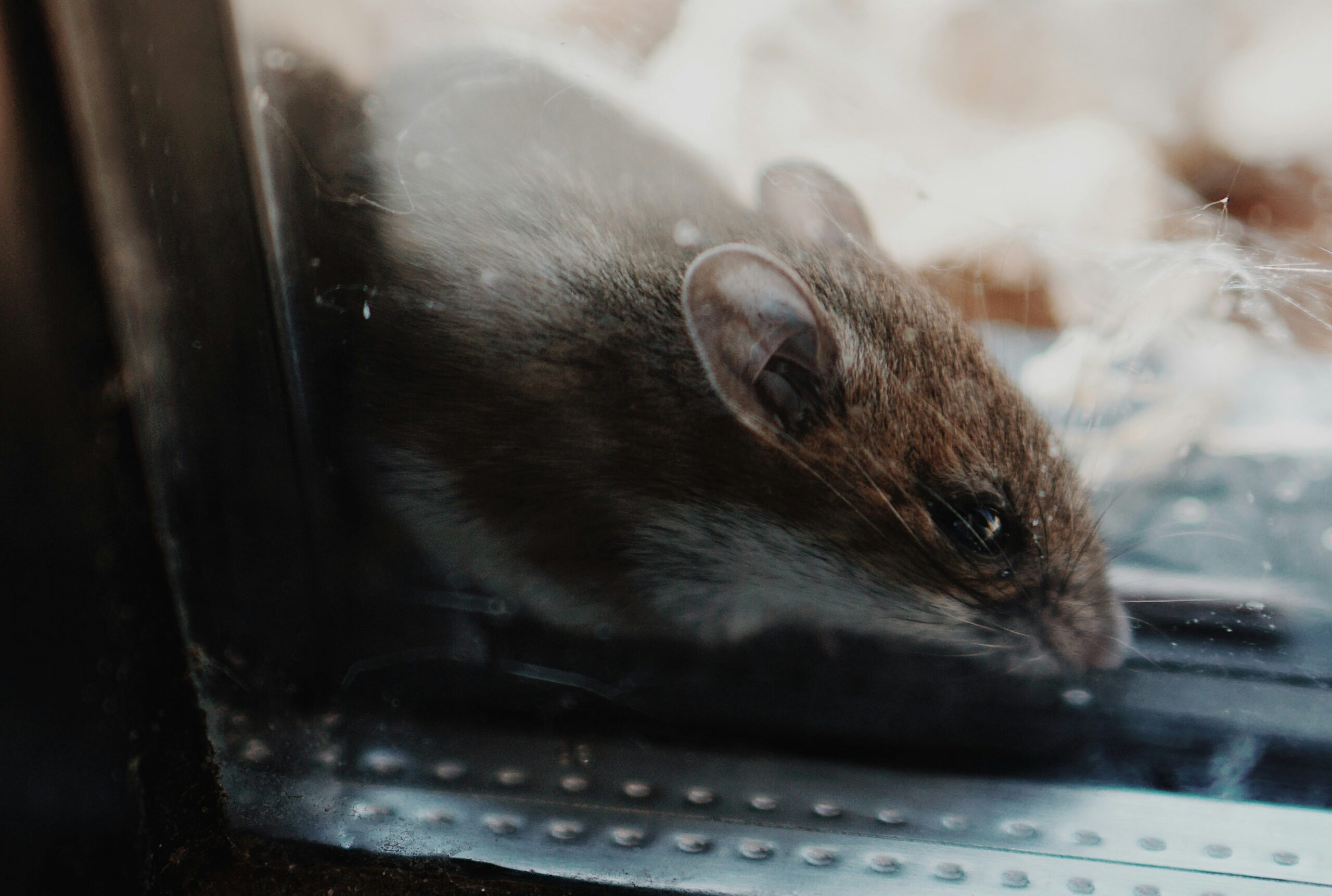
Animal intrusion is one of the most common causes of strange sounds from roof at night in Ventura County. As temperatures cool in fall and winter, wildlife actively seeks warm, dry shelter. Your attic, soffit cavities, and spaces behind fascia boards are prime targets.
Rats and Mice
Rats and mice are the most frequent attic invaders in Southern California. They can enter through openings as small as a quarter. Once inside, they nest in insulation, chew on materials, and contaminate spaces with droppings.
You will typically hear light scratching and rapid scurrying, concentrated in late evening and early morning hours. Small droppings in the attic space confirm their presence. According to the Centers for Disease Control and Prevention, rodent infestations create serious health risks, making prompt action important.
Rodents most often gain access through gaps in roofing materials, damaged attic vents, or deteriorating flashing. Maintaining your roof in good repair is one of the most effective ways to prevent infestation.
Squirrels
Squirrels are active during the day, which distinguishes their sounds from nocturnal rodents. They produce louder, heavier scurrying and occasional rolling sounds as they move through attic spaces. Squirrels chew aggressively through wood, plastic, and electrical wiring. Damaged wiring is a documented fire hazard.
Common entry points include damaged fascia boards, loose soffit panels, and gaps where the roof meets exterior walls. Regular roof maintenance helps seal these access points before squirrels exploit them.
Bats
Bats enter through gaps as narrow as half an inch and roost in dark, quiet attic spaces. They produce light fluttering and high-pitched squeaking. Bats do not chew structural materials, but their droppings, called guano, are toxic and create respiratory hazards when accumulated.
In California, many bat species are protected under state law. Professional wildlife removal is the safest and legally required approach if you suspect bats in your attic.
Birds
Birds nest under roof eaves, inside gutters, and around vents. Nesting material inside gutters blocks rainwater flow, causing overflow that damages fascia, soffit, and foundation components. During Ventura County’s rainy season, clogged gutters are one of the leading causes of residential water damage.
Installing bird guards on vents and keeping gutters clean are simple preventive measures. If birds have already caused gutter or roof damage, a professional roof inspection can assess the extent of the problem.
Raccoons
Raccoons are strong enough to tear through roofing materials, rip off vent covers, and pry open gaps to access attic spaces. Their activity is noticeably louder than smaller animals. You may hear thumping, dragging, chittering, or growling. Do not confront raccoons directly, as they can be aggressive when protecting young.
At August Roofing and Solar, our team has seen how wildlife damage escalates when left unaddressed. With over 30 years of experience serving Ventura County, we consistently recommend proactive prevention over costly reactive repairs.
Q: How can I tell if a roof noise is an animal or something else?
A: Animal sounds typically follow a pattern tied to time of day. Rats and mice are active at night. Squirrels are active during daylight. If the sound is rhythmic and correlates with wind gusts rather than a time pattern, it is more likely a loose component or tree branch.
Tree Branches and Roof Damage
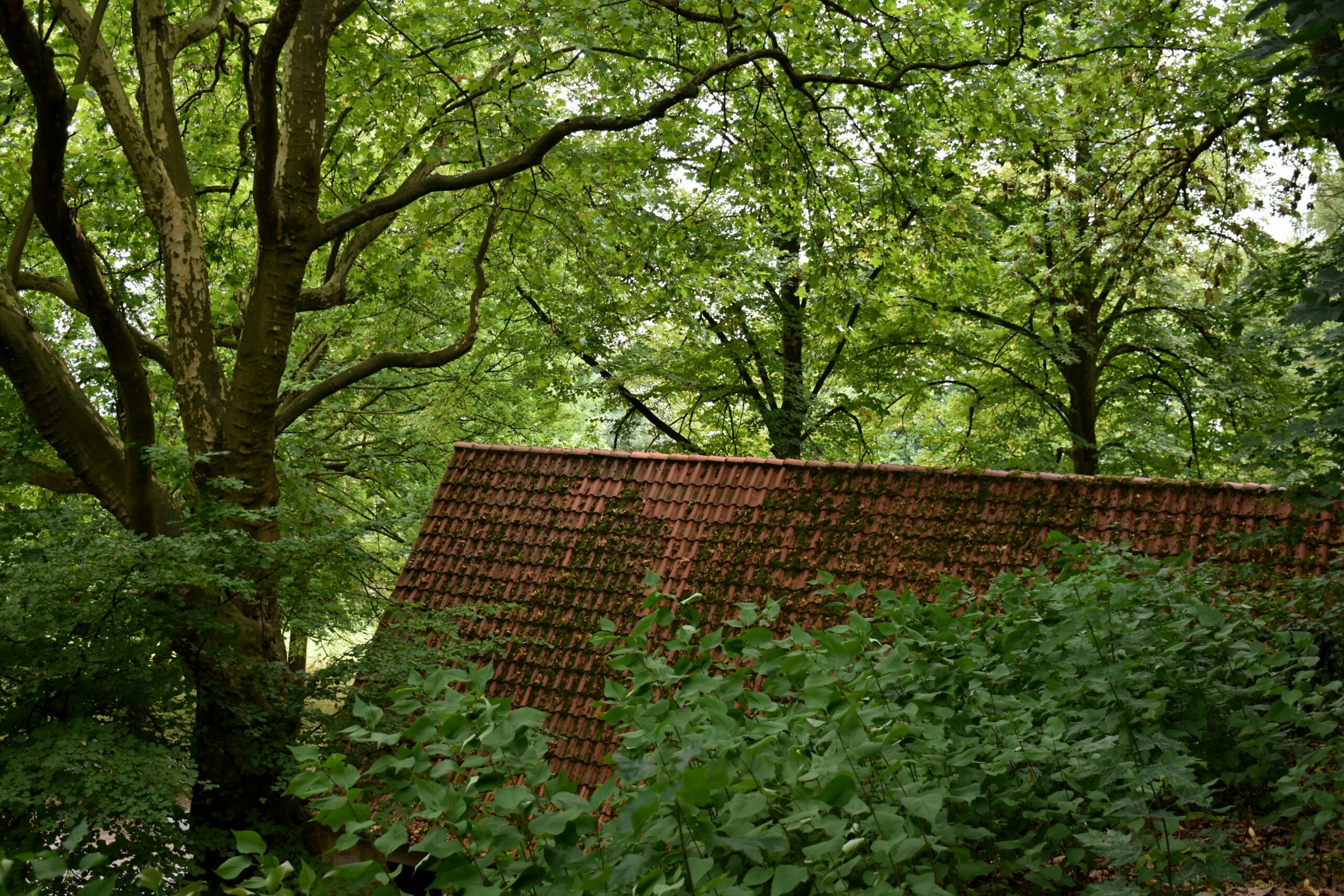
Trees are one of the most overlooked sources of roof noises in Ventura County. Mature oaks, eucalyptus, and other species common to the region can produce startling sounds during wind events or storms, and they can cause real damage to roofing components.
Breaking Branches
A loud snap followed by a crash or thud usually means a branch has broken and landed on your roof. This happens frequently during Santa Ana wind events, which bring gusts exceeding 60 miles per hour to parts of Ventura, Moorpark, and Newbury Park.
Even a small branch can crack shingles, dent metal flashing, or knock gutters out of alignment. Larger limbs can cause structural damage requiring immediate repair. After any storm or high-wind event, visually inspect your roof from the ground for debris or missing shingles. Do not climb onto your roof to investigate. Call a professional to safely assess any damage.
Scraping and Tapping Sounds
Overhanging branches that contact your roof during wind create eerie tapping and scratching sounds easily mistaken for an animal or intruder. The solution is straightforward: trim branches to maintain at least six feet of clearance from your roofline.
This clearance eliminates scraping sounds, reduces branch impact risk, and removes the bridge that animals like squirrels and raccoons use to access your roof. The National Roofing Contractors Association recommends keeping trees trimmed away from rooflines as a fundamental part of home maintenance.
Many Ventura County homeowners schedule tree trimming alongside their annual roof inspection to address both tasks efficiently.
Thermal Expansion and Contraction
Thermal expansion and contraction is the most common cause of strange sounds from roof at night that are not related to animals or weather events. Your roof is built from multiple materials, including wood framing, metal flashing, asphalt or concrete tiles, and composite underlayment. Each material expands and contracts at a different rate in response to temperature changes.
During the day, direct sunlight heats your roof and causes materials to expand. After sunset, as temperatures drop, those materials contract. This cycle creates popping, cracking, and creaking sounds that travel through your home’s structure and can sound surprisingly loud in a quiet house.
These sounds are almost always harmless. They represent the normal physical response of building materials to temperature fluctuation. In Ventura County, where daytime-to-nighttime temperature swings routinely exceed 30 degrees, thermal movement is especially noticeable.
Homes with metal roofing or extensive metal flashing experience more pronounced thermal sounds because metal expands and contracts more dramatically than wood or asphalt. If you have a standing seam metal roof, expect occasional pops and pings, particularly during the first few hours after sunset.
However, if thermal sounds become noticeably louder over time, increase in frequency, or are accompanied by visible cracks in your ceiling or walls, this could indicate a structural concern that warrants professional evaluation.
Q: Do tile roofs make more thermal noise than shingle roofs?
A: Concrete and clay tile roofs common in Southern California can produce more thermal clicking and tapping than asphalt shingle roofs because the individual tiles shift slightly as they expand and contract. This is normal for tile roof systems and does not indicate damage.
Wind and Weather-Related Roof Noises in Ventura County
Wind is a constant factor for roof noises in Ventura County. From Santa Ana winds in fall to Pacific storm systems in winter, local weather tests your roof’s integrity throughout the year. Wind-related sounds are among the most common complaints homeowners report.
Whistling and Howling
Wind hitting your roof at certain angles creates whistling or howling sounds. This typically occurs around vents, chimneys, and ridge caps where small gaps or openings exist. Minor wind noise is normal. Persistent or loud whistling usually means a seal has failed or a component has shifted.
Damaged or missing ridge cap shingles are a frequent culprit. Ridge caps run along the peak of your roof and absorb the most direct wind exposure. If they loosen or blow off, wind enters the attic space and creates amplified sounds throughout the home.
Rattling and Banging
Loose roofing components rattle and bang in the wind. This includes loose flashing, unsecured vent covers, satellite dish mounts, and solar panel mounting hardware. A rhythmic banging or metallic rattling during windy conditions means something on your roof needs to be secured.
This type of noise should not be ignored. Loose flashing allows water to penetrate your roof deck, leading to rot and leaks. A loose vent cover provides access for animals and rain into your attic. Addressing these issues promptly is always less expensive than dealing with the secondary water damage they cause.
After any significant wind event in Ventura, Camarillo, or Simi Valley, walk your property perimeter and look up at your roof from the ground. Look for anything that appears shifted, displaced, or missing. If something looks wrong, schedule an inspection before the next rain.
Earthquake Settling and Foundation Noises
Ventura County sits near several active fault lines. Even small seismic events affect your home’s structure, and the settling process that follows an earthquake can produce sounds that last days or weeks.
Post-earthquake sounds typically include creaking, popping, and groaning from walls, ceilings, and roof framing. These are the result of your home’s structural components readjusting to their resting positions. In most cases, these sounds are harmless and diminish over time.
However, new cracks in walls or ceilings, doors that suddenly stick or fail to close, and visible shifts in your roofline are potential signs of structural damage. Have your roof inspected after any significant earthquake to confirm that tiles, shingles, and flashing remain properly seated.
Even minor displacement of roofing materials creates entry points for water during the next rain. A post-earthquake roof inspection is a small investment that prevents major water intrusion damage.
When to Call a Professional Roofer About Roof Noises
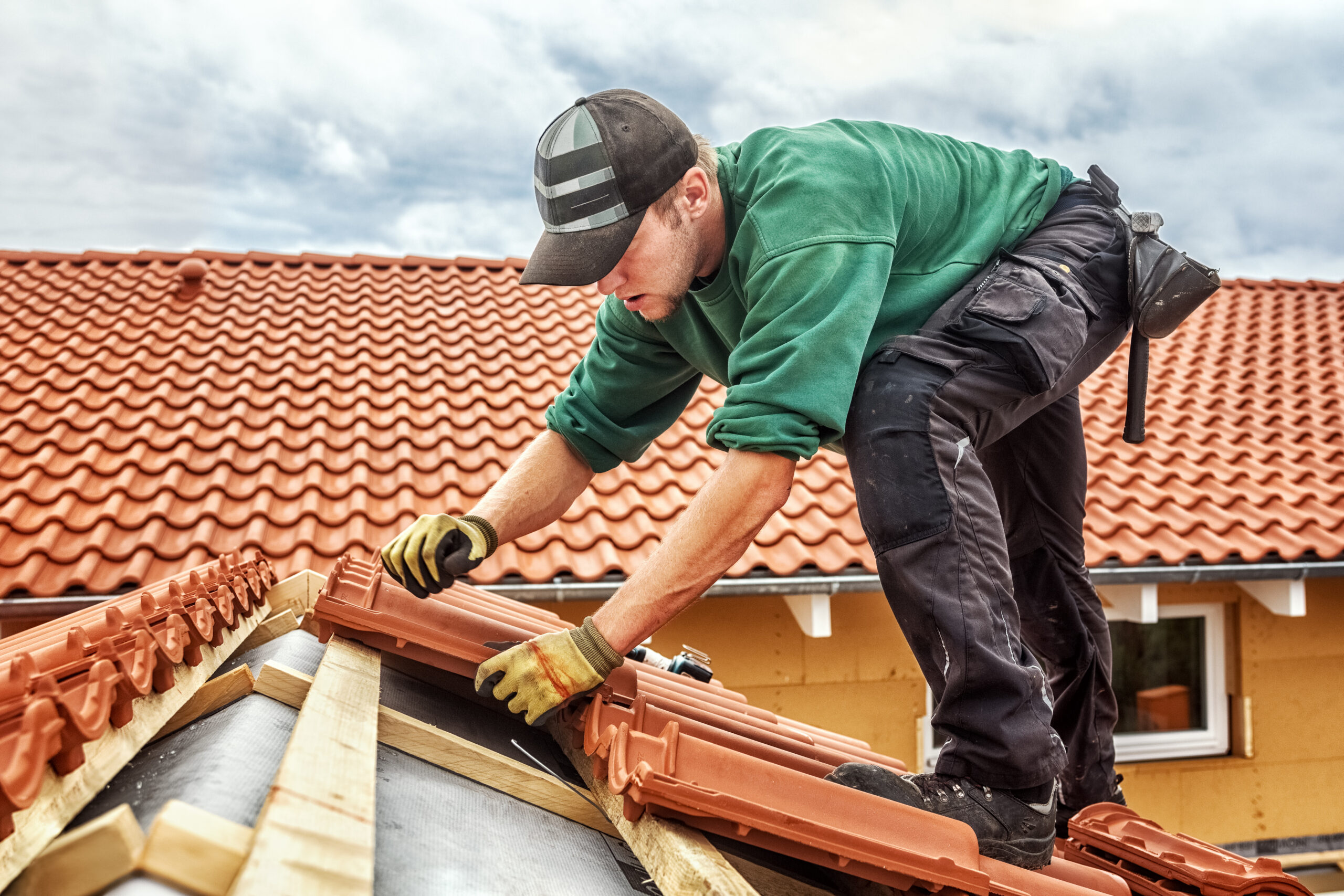
Many roof sounds are normal. Certain noises, however, signal problems that require professional attention. Recognizing the difference can save you significant money by catching issues early.
Signs You Need a Professional Inspection
Contact a roofer if you notice any of the following alongside unusual sounds:
- Water stains on your ceiling or walls
- Visible daylight coming through attic roof boards
- Missing, cracked, or curling shingles visible from the ground
- Sagging areas on your roofline
- A sudden increase in energy bills, which may indicate compromised insulation or ventilation
- Persistent animal sounds suggesting a wildlife infestation
- Loud banging or rattling during every windstorm
Any of these warning signs combined with recurring roof noises in Ventura County should be addressed promptly.
What to Expect During an Inspection
A professional roof inspection typically takes about an hour. The inspector examines shingles or tiles, flashing, vents, gutters, and the attic space. They check for signs of animal intrusion, water damage, structural movement, and general wear.
At August Roofing and Solar, we provide free roof inspections with no deposit required. Our certified team delivers an honest assessment of your roof’s condition and recommends only work that is genuinely necessary. That approach is how we have maintained our reputation for over 30 years across Ventura County.
Protecting Your Roof in Ventura County
Prevention is more effective and less expensive than repair. Several straightforward steps reduce strange roof noises and protect your home from the underlying issues that cause them.
Schedule Regular Roof Maintenance
An annual roof inspection catches loose flashing, damaged shingles, deteriorating seals, and animal entry points before they become expensive problems. This is especially valuable in Ventura County, where Santa Ana winds, seismic activity, and coastal weather combine to accelerate roof wear.
Keep Trees Trimmed
Maintain at least six feet of clearance between branches and your roofline. This eliminates scraping sounds, reduces branch impact damage, and removes the access path that squirrels and raccoons use to reach your roof.
Clean Your Gutters
Clogged gutters force water to back up under roofing materials, causing rot and leaks. They also attract birds and rodents looking for nesting material. Clean your gutters at least twice per year, ideally in spring and fall.
Seal Entry Points
Inspect your home’s exterior for gaps, holes, or damaged areas where animals could enter. Focus on vents, soffits, and the junction where your roof meets your walls. Sealing these openings keeps wildlife out and improves energy efficiency, which also helps if your home is subject to California Title 24 energy standards.
Address Damage Promptly
If a storm damages your roof, do not wait to have it repaired. Minor damage escalates quickly during Ventura County’s rainy season. A single cracked shingle can become a significant leak after one heavy rainstorm.
People Also Ask
Why does my roof make loud cracking sounds?
Loud cracking sounds from your roof are most often caused by thermal expansion and contraction. As your roof heats during the day and cools at night, wood framing, metal flashing, and shingles shift slightly, producing cracks and pops. This is normal unless accompanied by visible structural damage.
What does it mean when you hear scratching on your roof at night?
Scratching on your roof at night usually indicates animal activity. Rats, mice, and raccoons are nocturnal and commonly enter attics through gaps in roofing materials or damaged vents. A roof inspection can identify and seal the entry points.
Can wind damage a roof without me noticing?
Yes. High winds can loosen flashing, displace ridge cap shingles, and lift the edges of roofing materials without causing immediately visible damage from the ground. The resulting gaps allow water intrusion during the next rain, which is why post-storm inspections are important.
How much does a roof inspection cost in Ventura County?
Many reputable roofing companies in Ventura County offer free roof inspections. August Roofing and Solar provides complimentary inspections with no deposit required. Paid inspections from other providers typically range from $150 to $400 depending on roof size and complexity.
Frequently Asked Questions
Why do I hear popping sounds from my roof at night?
Popping sounds at night are caused by thermal contraction. As temperatures drop after sunset, your roofing materials contract and shift, creating popping or cracking noises. This is a normal physical process and is typically harmless. If the sounds are accompanied by water stains or visible damage, schedule a professional inspection to rule out structural issues.
What animals cause roof noises in Ventura County?
The most common animals causing roof noises in Ventura County include rats, mice, squirrels, raccoons, bats, and birds. Each produces distinct sounds. Light scratching and scurrying indicate rodents. Heavier thumping suggests raccoons or squirrels. A professional roofer can inspect your attic and identify entry points that need sealing.
Should I worry about roof noises during Santa Ana winds?
Some wind noise is expected during Santa Ana events. However, loud rattling, banging, or persistent whistling could mean loose flashing, displaced ridge caps, or failed seals on your roof. After high-wind events, visually inspect your roof from the ground and call a roofer if anything appears shifted or missing.
How often should I have my roof inspected in Ventura County?
Roofing professionals recommend annual inspections for roof noises in Ventura County and general wear assessment. Additional inspections should be scheduled after major storms, earthquakes, or whenever you notice warning signs like water stains, missing shingles, or unusual sounds. Regular inspections catch problems before they become costly repairs.
Can roof noises indicate a serious structural problem?
In some cases, yes. While most roof sounds are harmless, persistent or worsening noises can signal structural damage, water intrusion, or animal infestation. Warning signs include water stains on ceilings, visible sagging in the roofline, and new cracks in walls. A professional inspection is the most reliable way to determine whether a sound indicates a real problem.
Get Clarity on Roof Noises in Ventura County
Strange sounds from your roof do not have to remain a mystery. Whether you are dealing with wildlife in your attic, branches contacting your shingles, thermal movement after sunset, or wind-driven component noise, most roof noises in Ventura County have identifiable causes and practical solutions.
The important step is distinguishing between harmless sounds and those that signal developing damage. If you are unsure about what you are hearing, the team at August Roofing and Solar can help. We offer free roof inspections with no deposit required, backed by over 30 years of experience serving homeowners across Ventura County.
Schedule your inspection today by calling (805) 519-8099 or contacting us online.