
Key Takeaways
- Roof leaks in Montecito most commonly result from damaged shingles, clogged gutters, improper solar panel installation, failing skylight seals, and deteriorated flashing.
- Montecito’s coastal marine layer, Santa Ana winds, and high UV index accelerate roofing material breakdown, making proactive maintenance more important than in milder climates.
- Scheduling professional roof inspections at least once a year can catch small problems before they turn into costly water damage.
- Choosing a roofing contractor who also holds solar certifications prevents leak risks that arise from poorly integrated solar panel mounting systems.
- Gutter maintenance before the rainy season is one of the simplest and most cost-effective ways to protect your roof and foundation from water intrusion.
Quick Links
- Why Roof Leak Prevention Matters in Montecito
- Damaged or Missing Shingles
- Improper Solar Panel Installation
- Clogged or Damaged Gutters
- Skylight Seal Failures
- Flashing Deterioration
- How to Prevent Roof Leaks in Montecito
- People Also Ask
- Frequently Asked Questions
Why Roof Leak Prevention Matters for Montecito Homeowners
You notice a small water stain on the ceiling. It seems minor, so you tell yourself you will deal with it later. Within weeks, that stain grows, drywall softens, and mold begins forming behind the wall. Roof leak prevention in Montecito is not something homeowners can afford to postpone.
Montecito sits along the Southern California coast, where homes face a unique combination of weather-related stressors. The persistent marine layer introduces moisture that keeps roofing materials damp for extended periods, while seasonal Santa Ana winds can lift or crack shingles. The region’s high UV index degrades asphalt-based materials faster than many homeowners expect.
Understanding the root causes of roof leaks gives you a significant advantage. When you know which components fail first and why, you can schedule maintenance before a small vulnerability becomes a major repair project. Below are the five most common causes of roof leaks in the Montecito area, along with practical steps you can take to prevent each one.
Damaged or Missing Shingles: The First Line of Defense
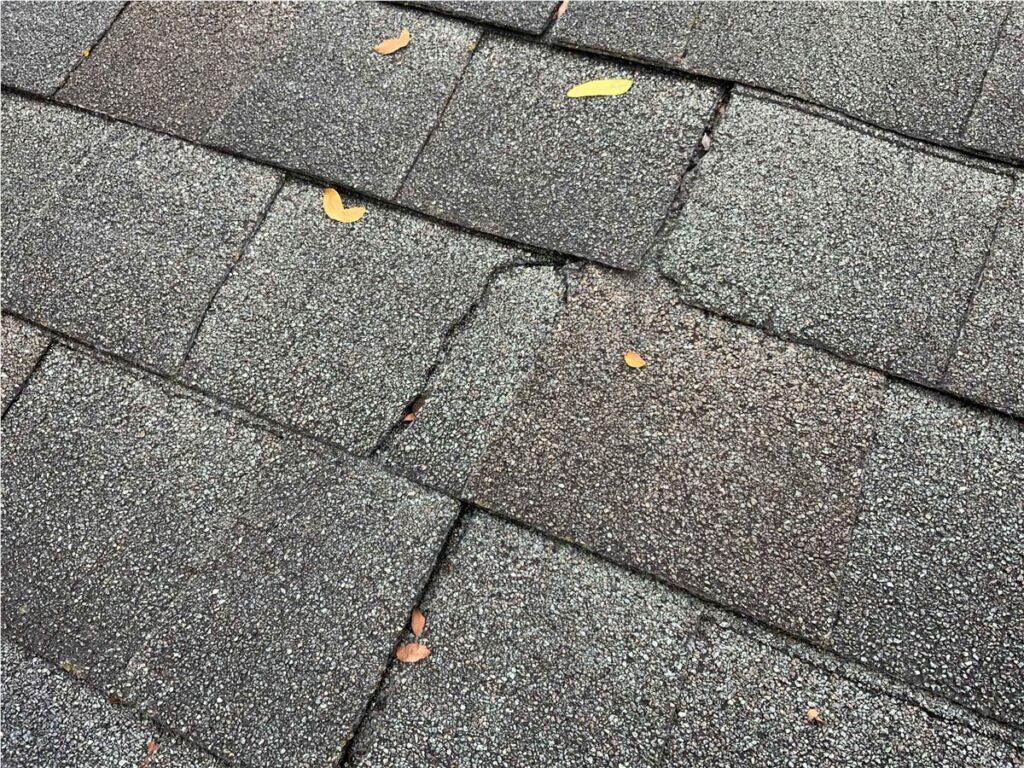
Shingles serve as the outermost barrier between your home’s interior and the elements. When shingles crack, curl, or go missing entirely, water has a direct path to the underlayment and roof deck beneath.
In Montecito, shingle damage tends to occur for three primary reasons. First, the region’s intense UV exposure breaks down the asphalt binder in composition shingles over time, causing them to become brittle. Second, Santa Ana wind events, which can produce gusts exceeding 60 mph in the foothills near Montecito, physically lift shingle edges and sometimes tear them away completely. Third, general aging causes granule loss, which reduces a shingle’s ability to shed water effectively.
How Shingle Damage Leads to Leaks
A single missing shingle exposes the underlayment directly to rain. If the underlayment is also aged or compromised, water reaches the roof deck and enters the attic space. From there, it travels along rafters and can appear as a ceiling stain far from the original point of entry, making the source difficult to locate without professional help.
Curling shingles present a subtler risk. When shingle edges curl upward, wind-driven rain can push water underneath the shingle and into the seam where it overlaps the course below. This type of leak is slow and intermittent, which means damage can accumulate for months before it becomes visible inside the home.
Q: How often should I check my shingles in Montecito?
A: Inspect your roof visually from ground level after every significant wind event and at least twice per year, ideally before and after the rainy season. A ground-level inspection with binoculars can reveal missing shingles, but a professional roof inspection provides a more thorough assessment.
Q: Can I replace just a few damaged shingles?
A: Yes. Isolated shingle damage does not always require a full roof replacement. A qualified roofer can replace individual shingles if the surrounding materials and underlayment are still in good condition. However, if damage is widespread or the roof is nearing the end of its expected lifespan, a full roof replacement may be more cost-effective long term.
Improper Solar Panel Installation and Roof Leak Prevention in Montecito
Solar panels are a practical investment for Montecito homeowners, especially given Southern California Edison’s rate structures and California’s NEM (Net Energy Metering) program. However, the installation process itself introduces potential leak points if not performed correctly.
Standard solar panel mounting systems use lag bolts that penetrate the roof surface and anchor into the rafters below. Each penetration point must be properly sealed with flashing and waterproof sealant. When these penetrations are not sealed correctly, or when installers miss the rafter and drill into unsupported decking, water can enter the roof system at every attachment point.
Common Solar Installation Mistakes That Cause Leaks
Three installation errors account for most solar-related roof leaks. The first is inadequate flashing around mounting feet. Standard roofing flashing should be integrated under existing shingles, not simply layered on top with caulk. The second is damaging surrounding shingles during the installation process by stepping on brittle materials or improperly removing and replacing shingles to install flashing. The third is using incompatible sealants that degrade under UV exposure within a few years.
This is one of the reasons why choosing an installer with genuine roofing expertise matters. August Roofing and Solar is the only company in Southern California that holds both roofing and solar certifications. Their solar installers are trained roofers with over 30 years of combined experience, which means they understand how each penetration affects the roof system as a whole.
Q: Will adding solar panels void my roof warranty?
A: It depends on the installer and the warranty terms. Many manufacturer warranties remain valid if a certified roofing professional performs the installation and follows the manufacturer’s guidelines. An installer without roofing credentials may void the warranty. Always verify with your roofing material manufacturer before proceeding.
Clogged or Damaged Gutters: A Preventable Cause of Roof Leaks
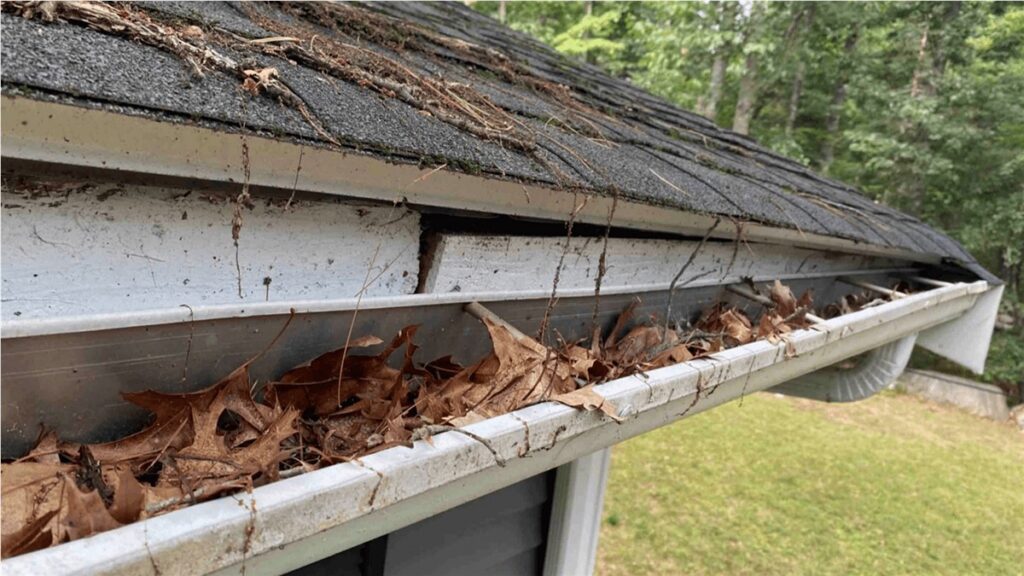
Gutters are part of your roof’s drainage system. Their job is to collect water as it runs off the roof surface and direct it through downspouts away from your home’s foundation and exterior walls. When gutters fail, water has nowhere to go, and it finds alternative paths, many of which lead inside your home.
Montecito homes surrounded by mature oaks, eucalyptus, and other vegetation are particularly susceptible to gutter clogs. Leaves, twigs, and organic debris accumulate quickly, especially in autumn. After wildfire events in surrounding areas like the Thomas Fire zone, ash and debris can also fill gutters rapidly.
Three Ways Clogged Gutters Cause Roof Damage
- Water overflow and backup: When gutters are blocked, water overflows the edge and can back up under the lowest row of shingles or pool on flat roof sections. This standing water eventually penetrates the underlayment.
- Gutter detachment: The weight of waterlogged debris can pull gutters away from the fascia board, creating a gap between the gutter and the roof edge where water runs directly down the exterior wall and into the soffit.
- Foundation and structural damage: Improperly drained water pools around the foundation, which can cause settling over time. Structural settling affects the entire frame of the house, including the roof, creating gaps and stress points where leaks develop.
Gutter maintenance is one of the most affordable forms of roof leak prevention. Cleaning gutters twice a year and installing gutter guards can eliminate most overflow-related leak risks.
Q: When is the best time to clean gutters in Montecito?
A: Clean gutters in late autumn after most leaves have fallen and again in early spring. If your property has heavy tree coverage, consider a third cleaning in midsummer. Always clean gutters before the rainy season, which typically begins in October or November in Southern California.
Skylight Seal Failures: A Hidden Source of Roof Leaks
Skylights add natural light and aesthetic value, but they are also one of the most common sources of roof leaks in Montecito homes. A skylight is essentially a hole cut into your roof with a glass or acrylic unit sealed into it. Over time, the materials that maintain that seal break down.
Three components typically fail around skylights. The flashing, which is the metal barrier that directs water around the skylight frame, can corrode or separate from the roof surface. The rubber gasket or sealant that sits between the glass and the frame dries out and cracks under sustained UV exposure. And the skylight frame itself can warp slightly with thermal expansion and contraction, breaking the seal.
Signs Your Skylight May Be Leaking
Condensation on the interior glass that does not clear after the marine layer burns off may indicate seal failure rather than simple humidity. Water stains or discoloration on the drywall surrounding the skylight are a more obvious sign. In some cases, you may notice a musty smell near the skylight before any visible water damage appears.
Skylight leaks are best repaired by a roofing professional rather than a general handyman. The repair requires removing and reseating the flashing, which involves working with the surrounding shingle or tile courses. Improper flashing repair can actually worsen the leak.
Flashing Deterioration Around Roof Penetrations
Flashing is thin metal sheeting, typically aluminum or galvanized steel, installed at every joint, transition, and penetration point on your roof. This includes the areas around chimneys, vent pipes, dormers, walls that intersect the roof line, and valleys where two roof planes meet.
Flashing works by overlapping roofing materials and directing water away from vulnerable seams. When flashing corrodes, lifts, or separates from the surface it protects, water enters the gap and travels into the roof structure.
Why Flashing Fails in Coastal Montecito
Salt air along the Montecito coastline accelerates metal corrosion. Galvanized steel flashing can develop rust in as few as 10 to 15 years in a coastal environment, compared to 20 or more years inland. Aluminum flashing resists corrosion better but is softer and more prone to physical damage during storms or maintenance work.
Thermal cycling also contributes to flashing failure. Montecito experiences significant temperature swings between cool, fog-heavy mornings and warm, sun-exposed afternoons. This daily expansion and contraction can loosen the sealant that bonds flashing to the roof surface, especially around chimneys where the masonry and metal expand at different rates.
During a professional roof inspection, a qualified roofer checks every piece of flashing for signs of corrosion, lifting, cracked sealant, or nail pops. Addressing flashing issues early is one of the most effective forms of roof leak prevention in Montecito. Reflashing a chimney or vent pipe costs a fraction of repairing the water damage that results from ignoring it.
How to Prevent Roof Leaks in Montecito: A Practical Approach
Roof leak prevention does not require complex or expensive measures. It requires consistency. The following steps, performed on a regular schedule, address the most common failure points described above.
Schedule Annual Professional Roof Inspections
A professional inspection covers all five common leak sources: shingles, solar panel mounts, gutters, skylights, and flashing. A trained inspector identifies problems that are not visible from the ground, including early-stage underlayment deterioration and micro-cracks in flashing sealant. The National Roofing Contractors Association (NRCA) recommends inspecting your roof at least twice per year, ideally in spring and fall.
August Roofing and Solar offers free roof inspections with no deposit required. With more than 30 years of experience serving communities throughout Southern California, including Montecito, Santa Barbara, Carpinteria, and Goleta, their licensed and certified team can identify vulnerabilities specific to your roof type and local conditions.
Maintain Your Gutter System
Clean gutters at least twice per year. Ensure downspouts direct water at least four feet away from your foundation. Consider installing gutter guards if your property has significant tree coverage. After any major wind event or wildfire activity in the region, check gutters for debris accumulation.
Choose Qualified Solar Installers
If you are considering solar panel installation, prioritize installers who hold roofing certifications in addition to solar credentials. This ensures the installer understands how roof penetrations interact with the existing waterproofing system. Ask specifically about the flashing method used for mounting feet and whether the installation complies with California Title 24 building standards.
Address Minor Roof Repair Issues Promptly
A cracked shingle or a small section of lifted flashing may seem insignificant. In Montecito’s climate, where seasonal rains can deliver heavy precipitation in short bursts, even minor vulnerabilities can result in significant water intrusion. Prompt roof repair in Montecito prevents small issues from compounding into structural damage. According to the U.S. Department of Energy, proper weatherization, including roof maintenance, can reduce energy costs and prevent moisture-related structural problems.
Inspect After Extreme Weather Events
Montecito and neighboring communities like Summerland and Santa Barbara are subject to Santa Ana wind events, heavy winter storms, and wildfire-related conditions. After any significant weather event, a visual inspection from the ground can reveal obvious damage. For a thorough assessment, schedule a professional inspection. CAL FIRE’s ember-resistant roofing requirements also apply to many Montecito properties in wildfire-prone zones, so verifying compliance during inspections provides an added layer of protection.
People Also Ask
What is the most common cause of roof leaks?
Damaged or missing shingles are the single most common cause of roof leaks. Shingles deteriorate due to UV exposure, wind damage, and general aging, allowing water to penetrate the underlayment and roof deck. In coastal areas like Montecito, salt air and marine moisture accelerate this process.
How much does it cost to fix a roof leak in Montecito?
Minor roof leak repairs in Montecito typically range from $300 to $1,200, depending on the source and extent of damage. Major repairs involving structural water damage, mold remediation, or full flashing replacement can cost significantly more, which is why early detection through regular inspections is important.
Can solar panels cause roof leaks?
Solar panels themselves do not cause leaks, but improper installation can. Each mounting bolt penetrates the roof surface, and if those penetrations are not sealed with proper flashing and sealant, water can enter the roof system. Choosing an installer with roofing expertise minimizes this risk.
How long do roof shingles last in Southern California?
Standard asphalt composition shingles last 20 to 30 years in Southern California, though coastal exposure and high UV conditions can shorten that lifespan. Tile and metal roofing systems typically last longer, with lifespans of 40 to 70 years depending on the material and maintenance.
Frequently Asked Questions
What are the early signs I need roof leak prevention in Montecito?
Early signs include water stains on ceilings or walls, damp or musty odors in the attic, curling or missing shingles visible from the ground, and granule accumulation in your gutters. Any of these indicators warrant a professional inspection to identify and address the source before significant damage occurs.
How often should I schedule a professional roof inspection in Montecito?
The NRCA recommends at least two inspections per year: one in spring to assess winter storm damage and one in fall before the rainy season begins. In Montecito, additional inspections after Santa Ana wind events or nearby wildfire activity are advisable.
Does roof leak prevention in Montecito differ from other parts of Southern California?
Yes. Montecito’s coastal location exposes roofs to salt air corrosion, persistent marine layer moisture, and elevated wildfire risk. These factors accelerate material degradation compared to inland areas. Homeowners in Montecito should pay particular attention to metal flashing corrosion and shingle granule loss.
Can I perform roof leak prevention myself, or do I need a professional?
Homeowners can handle basic maintenance like gutter cleaning, trimming overhanging branches, and performing visual inspections from the ground. However, tasks like flashing repair, shingle replacement, and skylight resealing require professional roofing expertise to ensure they are completed without creating new vulnerabilities.
What should I look for when hiring a roof repair contractor in Montecito?
Look for a contractor who is licensed, insured, and holds manufacturer certifications for the roofing materials on your home. Ask about their experience with Montecito-specific conditions, including coastal corrosion and wildfire compliance. A reputable contractor will offer a thorough inspection before recommending any roof repair in Montecito.
If you have noticed signs of a leak or simply want to confirm your roof is in good condition, consider scheduling a free inspection. August Roofing and Solar serves Montecito and surrounding communities with licensed, certified professionals who can assess your roof’s condition and recommend practical next steps. Call (805) 519-8099 or request an inspection online.