
Key Takeaways
- A roof inspection identifies hidden damage, faulty installations, and wear before they turn into expensive repairs or full replacements.
- Southern California’s UV exposure, Santa Ana winds, and wildfire risk make annual roof inspections especially important for preserving roof performance.
- A qualified roof inspection covers structural integrity, flashing, ventilation, drainage, and material condition at every layer of the roofing system.
- Catching problems early through inspection can extend your roof’s lifespan by years and protect your home’s resale value.
- August Roofing and Solar provides thorough, no-deposit roof inspections backed by 30+ years of experience in Southern California.
Quick Links
- Why Roof Inspections Matter for Southern California Homeowners
- What a Professional Roof Inspection Actually Covers
- Hidden Problems a Roof Inspection Can Reveal
- How Regular Roof Inspections Save You Money
- When to Schedule a Roof Inspection in Southern California
- What to Expect During and After Your Inspection
- Choosing a Qualified Roof Inspector
- Real-World Example: How One Inspection Prevented Major Damage
- People Also Ask
- Frequently Asked Questions
Why Roof Inspections Matter for Southern California Homeowners
A roof inspection is one of the most straightforward ways to protect your home from damage you cannot see from the ground. Yet many homeowners skip this step until a leak appears or a storm reveals problems that have been developing for years. By that point, the repair bill is often far larger than it needed to be.
Southern California roofs face a specific set of stressors that differ from other parts of the country. Prolonged UV exposure degrades roofing materials gradually. Santa Ana winds can lift flashing, shift tiles, and drive debris into vulnerable seams. Wildfire risk in many inland and hillside areas means roofing materials must meet CAL FIRE ember-resistant requirements, and an inspection confirms whether your roof is still compliant.
Understanding the roof inspection benefits available to you can help you make informed decisions about maintenance, repairs, and even your next home purchase. This post walks through exactly what a professional inspection covers, when to schedule one, and how the process works from start to finish.
What a Professional Roof Inspection Actually Covers
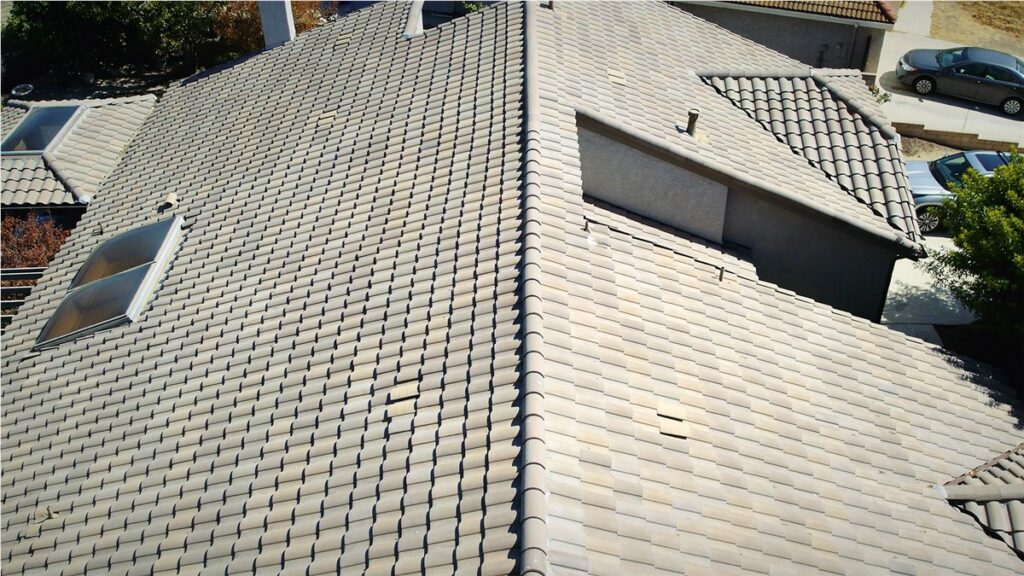
A professional roof inspection is not a quick glance from the curb. It is a systematic evaluation of every component in your roofing system, from the surface materials down to the structural deck beneath them. Understanding what the inspector examines helps you appreciate why this service is so valuable.
Exterior Surface Evaluation
The inspector walks the roof surface, checking for cracked, curled, or missing shingles or tiles. On flat or low-slope roofs common in parts of Southern California, the membrane is examined for blistering, punctures, and seam separation. Surface granule loss on asphalt shingles is noted because it signals UV degradation, which is accelerated by the region’s high solar exposure.
Flashing and Sealant Inspection
Flashing refers to the thin metal strips installed where the roof meets walls, chimneys, vents, and skylights. These transition points are among the most common sources of leaks. The inspector checks for lifted, corroded, or improperly sealed flashing and assesses whether sealant has dried out or pulled away from surfaces.
Drainage and Gutter System
Water must move off the roof efficiently. Clogged gutters, misaligned downspouts, or ponding water on flat sections can lead to moisture intrusion and structural damage over time. The inspector evaluates whether the drainage path is clear and functioning.
Ventilation Assessment
Roof ventilation is the system of intake and exhaust vents that allows air to circulate through the attic space. Proper ventilation prevents heat buildup, which can warp decking and shorten material lifespan. In Southern California’s inland valleys, where summer temperatures regularly exceed 100 degrees, inadequate ventilation is a frequent contributor to premature roof failure.
Structural and Decking Check
From inside the attic, the inspector looks for sagging, water stains, daylight coming through the deck, and signs of mold or rot. This interior assessment often reveals problems invisible from the exterior.
Q: How long does a typical roof inspection take?
A: Most residential roof inspections take between 45 minutes and two hours, depending on the size and complexity of the roof. Multi-story homes or roofs with many penetrations such as skylights and vents may take longer.
Q: Do I need to be home during a roof inspection?
A: It is helpful but not always required. Being present allows the inspector to show you findings in real time and answer questions. If an attic inspection is needed, someone should be available to provide access.
Hidden Problems a Roof Inspection Can Reveal
Some of the most damaging roof issues are invisible to homeowners. A roof inspection uncovers problems that develop slowly and silently, giving you the chance to address them before they cause interior damage or compromise your home’s safety.
Faulty Previous Installations
Not every roofing contractor follows manufacturer specifications or local building codes. A roof inspection can reveal improper nail placement, missing underlayment layers, incorrect tile overlap, or flashing that was never properly integrated with the wall system. These installation errors often go unnoticed for years until a heavy rain event exposes them.
This is more common than many homeowners realize. A poorly installed roof may look fine on the surface but lack the layered protection needed to keep water out consistently.
Pest and Animal Damage
Squirrels, raccoons, and birds can create openings in soffit panels, ridge vents, and fascia boards. These entry points allow moisture to penetrate and can lead to wood rot in the underlying structure. An inspector checks for gnaw marks, nesting material, and compromised vent screens.
Early-Stage Moisture Intrusion
Water stains on attic rafters or sheathing may indicate a slow leak that has not yet reached your interior ceilings. Catching this early prevents mold growth and preserves the structural integrity of the decking. In coastal areas of Southern California, the marine layer introduces persistent moisture that can accelerate this process.
Deteriorating Underlayment
Underlayment is the waterproof barrier installed between the roof deck and the surface material. Over time, heat and UV exposure cause it to become brittle and lose its protective qualities. An inspection assesses whether the underlayment is still functional or whether it needs replacement during the next re-roofing project.
Q: Can a roof inspection detect problems caused by Santa Ana winds?
A: Yes. High winds can lift tile edges, break sealant bonds on shingles, and shift flashing without causing visible damage from ground level. A hands-on inspection identifies these wind-related vulnerabilities before they lead to leaks.
How Regular Roof Inspections Save You Money
The financial benefit of a roof inspection is straightforward: finding a small problem early costs far less than repairing the large problem it would become. A cracked tile replaced today prevents the water damage, mold remediation, and drywall repair that would follow months of undetected leaking.
According to the National Roofing Contractors Association (NRCA), homeowners should have their roofs inspected at least twice per year. The cost of two inspections annually is a fraction of what a single major repair can run, which often reaches several thousand dollars depending on the scope of damage.
Extending Roof Lifespan
A well-maintained roof lasts significantly longer than a neglected one. Regular inspections allow you to address minor wear incrementally, whether it is resealing flashing, replacing a handful of damaged tiles, or clearing debris from valleys where water collects. These small interventions add years to the system’s functional life.
Protecting Home Resale Value
Buyers and their inspectors will scrutinize the roof during any real estate transaction. A documented history of regular inspections and maintenance signals that the home has been cared for responsibly. It also reduces the chance of a buyer’s inspector discovering a problem that could delay or derail a sale.
Roof inspection benefits extend beyond just preventing leaks. They contribute directly to the overall financial health of your property investment.
Insurance and Claims
Some homeowners’ insurance policies require evidence of regular maintenance, including roof inspections, before approving certain claims. Having inspection reports on file demonstrates that damage was caused by a covered event rather than by neglect, which strengthens your position during the claims process.

When to Schedule a Roof Inspection in Southern California
Timing matters. Scheduling your roof inspection at the right point in the year helps ensure your roof is prepared for the conditions ahead.
Before Rainy Season
Southern California’s rainy season typically runs from November through March. Having your roof inspected in early fall gives you time to complete any necessary repairs before the first significant rain. This is especially important for flat or low-slope roofs, where drainage issues can quickly lead to ponding and leaks.
After Severe Weather Events
Following a period of strong Santa Ana winds, heavy rain, or nearby wildfire activity, a roof inspection helps identify damage that may not be visible from the ground. Wind-driven embers, for example, can compromise roofing materials even if the fire itself did not reach your property.
During a Home Purchase
A roof inspection should be a standard part of any home-buying process. It reveals the true condition of one of the home’s most expensive systems and gives you negotiating leverage if repairs are needed. This is how many homeowners discover that a previous roof installation was done incorrectly, a finding that can save tens of thousands of dollars.
Every 3 to 5 Years for Aging Roofs
If your roof is more than 15 years old, the frequency of inspections should increase. Materials degrade at an accelerating rate as they age, and the cost of a periodic inspection is minimal compared to the risk of an undetected failure.
Q: Is a roof inspection necessary if my roof looks fine from the ground?
A: Yes. Many serious roof problems, including underlayment failure, flashing separation, and early-stage leaks, are not visible from ground level. A professional inspection involves walking the roof and checking the attic to catch issues you cannot see from below.
What to Expect During and After Your Roof Inspection
Knowing what the process involves helps you prepare and get the most value from your inspection.
Before the Inspection
Clear any items stored in the attic near the access point. If you have known concerns, such as a spot where you have seen a water stain or heard animals in the attic, note them so you can point the inspector to those areas. Ensure safe access to the roof is available.
During the Inspection
A qualified inspector will examine both the exterior roof surface and the interior attic space. They will document findings with photographs and notes. The inspection covers materials, flashing, penetrations, drainage, ventilation, and structural elements. If you are present, the inspector should explain findings as they go.
The Inspection Report
After the inspection, you will receive a detailed report outlining the condition of your roof, any issues found, and recommended actions. A good report prioritizes findings by urgency, distinguishing between items that need immediate attention and those that can be monitored over time.
This report serves as a valuable reference document. Keep it with your home records for insurance purposes and future maintenance planning.
Choosing a Qualified Roof Inspector
Not all roof inspections are equal. The value of the inspection depends entirely on the knowledge and thoroughness of the person performing it.
Licensing and Certification
In California, roofing contractors must hold a valid C-39 roofing license issued by the Contractors State License Board (CSLB). Verify the license status of any company you hire. Certification from manufacturers such as Owens Corning provides additional assurance that the inspector understands current materials and installation standards.
Experience with Southern California Conditions
A qualified inspector should understand the specific challenges that affect roofs in this region. That includes familiarity with Title 24 energy standards, CAL FIRE roofing requirements for wildfire-prone areas, and the effects of prolonged UV exposure on different material types.
August Roofing and Solar brings over 30 years of experience inspecting and servicing roofs across Southern California. Our team is licensed, certified, and requires no deposit to schedule a roof inspection. We provide detailed, honest assessments that help homeowners make confident decisions about their roofing systems.
Transparency in Reporting
Choose an inspector who provides written documentation with photographs. Avoid companies that offer vague verbal assessments or pressure you into immediate repairs without supporting evidence. A trustworthy inspector explains what they found, why it matters, and what your options are.
Real-World Example: How One Roof Inspection Prevented Major Damage
When homeowner Ginny was purchasing a new home, she made the decision to have a professional roof inspection performed before closing. That single step changed the trajectory of her investment.
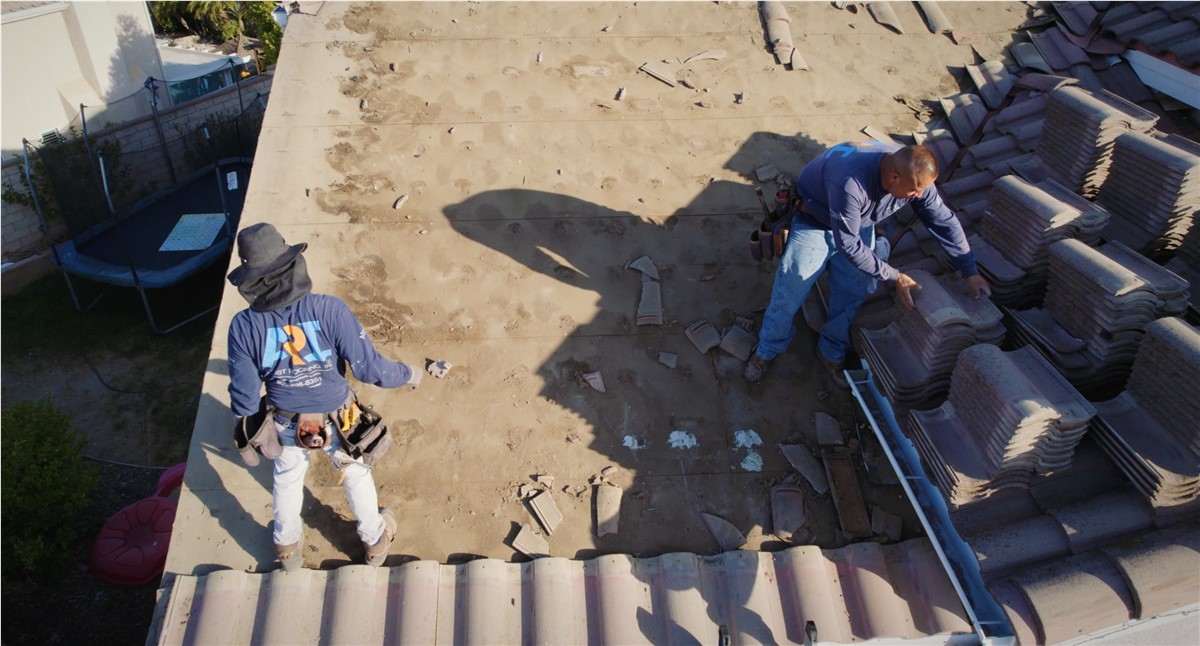
The August Roofing and Solar team discovered that the existing roof had been poorly installed by a previous contractor. Nail placement was incorrect, and key protective layers were improperly applied. Without the inspection, these deficiencies would have remained hidden until water intrusion caused significant interior damage.
Based on the inspection findings, August Roofing completed a full re-roofing project to bring the system up to proper standards. During the work, the crew noticed that the siding exposed by the roof removal needed attention. The foreman offered to paint it, an act that Ginny described as exceptional.
“That was unusual,” Ginny explained. “Our experience is that workers come to do the work that they are here for, but they do not do anything else.” This level of care extended to a thorough cleanup of the property after the job was completed, leaving no debris or residue behind.
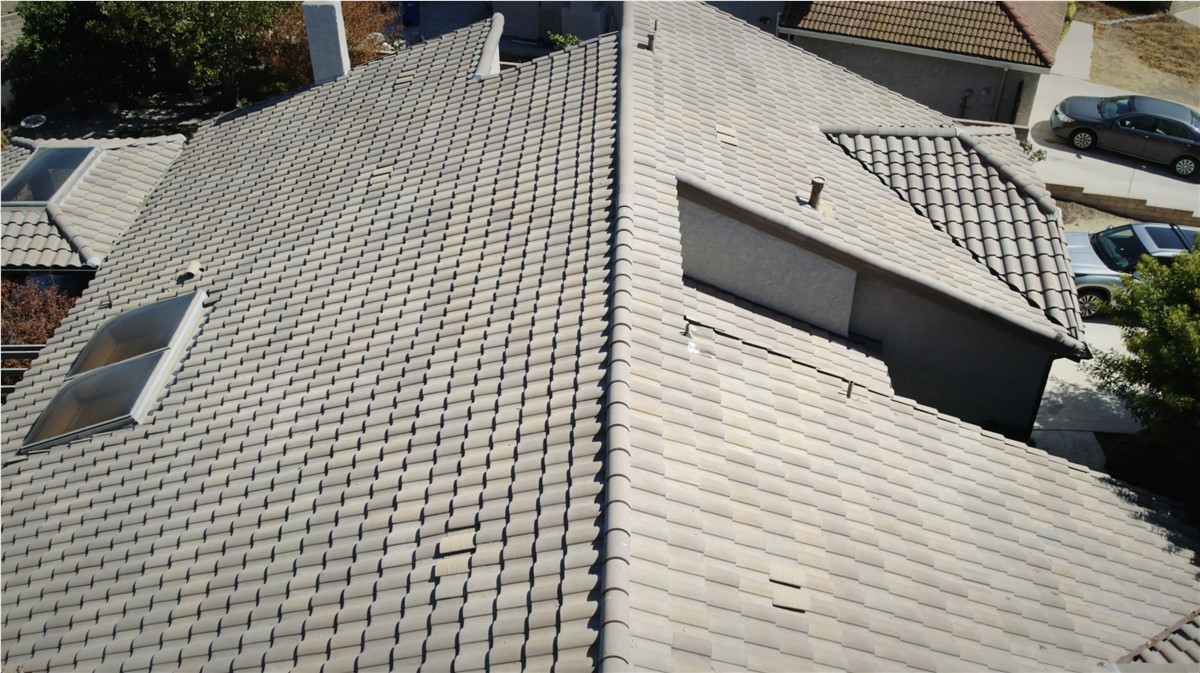
Today, Ginny lives in her home with confidence, knowing her roof is both structurally sound and properly installed. Her experience illustrates exactly why a roof inspection before purchasing a home is one of the smartest investments a buyer can make.
People Also Ask
How much does a roof inspection cost in Southern California?
The cost of a roof inspection in Southern California typically ranges from $150 to $400, depending on the size and complexity of the roof. Some roofing companies, including August Roofing and Solar, offer free inspections as part of their service. The cost is minimal compared to the expense of undetected damage.
What is the difference between a roof inspection and a roof certification?
A roof inspection evaluates the current condition of the roof and identifies any problems. A roof certification is a formal document, often required during a home sale, that states the roof is in acceptable condition and estimates its remaining lifespan. Certifications typically follow an inspection.
Can I inspect my own roof?
You can perform a basic visual check from the ground or a ladder, looking for missing tiles, visible damage, or sagging. However, a professional roof inspection is far more thorough because it includes walking the roof surface, checking attic conditions, and assessing components like flashing and ventilation that are not visible from the ground.
How often should I get a roof inspection?
The NRCA recommends at least two inspections per year, typically in spring and fall. In Southern California, scheduling one before rainy season and one after any severe weather event is a practical approach. Roofs older than 15 years should be inspected more frequently.
Frequently Asked Questions
What does a roof inspection include?
A roof inspection includes evaluation of the surface materials, flashing, sealants, drainage system, ventilation, and structural decking. The inspector examines both the exterior roof and the interior attic space to identify visible and hidden issues. A detailed report with photographs is provided after the inspection.
How long does a roof inspection take?
Most residential roof inspections take between 45 minutes and two hours. The duration depends on the roof’s size, slope, number of penetrations, and accessibility. Complex roofs with multiple levels or numerous skylights and vents typically require more time.
Why is a roof inspection important before buying a home?
A roof inspection before purchasing a home reveals the true condition of one of the property’s most expensive systems. It can uncover faulty previous installations, hidden leaks, and material deterioration that affect both safety and value. This information gives the buyer negotiating power and prevents unexpected repair costs after closing.
Does a roof inspection help with insurance claims?
Yes. A documented roof inspection provides evidence of the roof’s condition before a weather event or other covered incident. This documentation helps establish that damage resulted from a specific event rather than from long-term neglect, which can strengthen your insurance claim.
Where can I schedule a roof inspection in Southern California?
You can schedule a roof inspection with a licensed roofing contractor who holds a valid C-39 license in California. August Roofing and Solar serves all of Southern California with comprehensive inspections, 30+ years of experience, and no deposit required. Visit our about page to learn more about our qualifications and service areas.
If you have been putting off a roof inspection, now is a practical time to schedule one, especially before Southern California’s rainy season arrives. A thorough inspection gives you a clear picture of your roof’s condition and a straightforward plan for any maintenance or repairs that may be needed. Contact August Roofing and Solar at (805) 519-8099 or request a free inspection online to get started.