
Key Takeaways
- A living roof, also called a green roof, is a roofing system that supports vegetation on top of a waterproof membrane, and it can reduce rooftop temperatures by 30 to 40 degrees in Ventura County’s warm climate.
- Green roof benefits in Southern California include lower energy bills, improved stormwater management, extended roof lifespan, and better air quality in cities like Oxnard, Thousand Oaks, and Camarillo.
- Living roofs can improve the efficiency of rooftop solar panels by cooling the surrounding surface area, making them a strong complement to solar energy systems.
- Structural assessment is essential before installing a living roof because the added weight of soil, drainage layers, and vegetation can exceed the load capacity of older roofing structures.
- August Roofing and Solar, with 30+ years of experience in Ventura County, can help homeowners evaluate whether their existing roof can support a green roof or solar panel system.
Quick Links
- Why Understanding Living Roofs Matters for Ventura County Homeowners
- What Is a Living Roof and How Does It Work?
- The Layers of a Living Roof System
- Green Roof Benefits in Southern California
- Can a Living Roof Survive in Ventura County’s Climate?
- How a Living Roof Works With Solar Panels
- Living Roof Cost and Maintenance Considerations
- Structural Requirements for a Living Roof in Ventura County
- People Also Ask
- Frequently Asked Questions
Why Understanding Living Roofs Matters for Ventura County Homeowners
A living roof in Ventura County is gaining attention as homeowners look for ways to reduce energy costs, manage stormwater, and extend the useful life of their roofing system. But before you invest in any roofing upgrade, you need to understand exactly what is involved.
If you have ever stepped onto your roof during a July afternoon in Simi Valley or Camarillo, you know how punishing the heat can be. Dark asphalt and gravel-ballasted roofs absorb that heat and push it straight into your attic, forcing your HVAC system to work overtime. Your energy bills climb, your roof materials degrade faster, and your home becomes less comfortable.
A living roof offers a fundamentally different approach. Instead of fighting the sun, it works with it. This guide breaks down exactly how green roofs function, what they cost, and whether they make sense for your home in Ventura County’s unique coastal and inland climate zones.
What Is a Living Roof and How Does It Work?
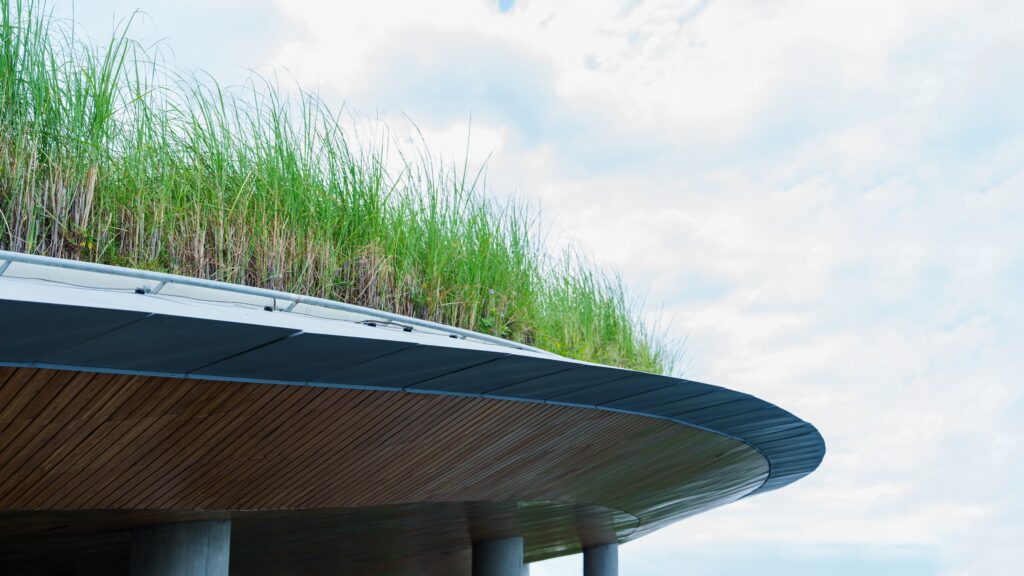
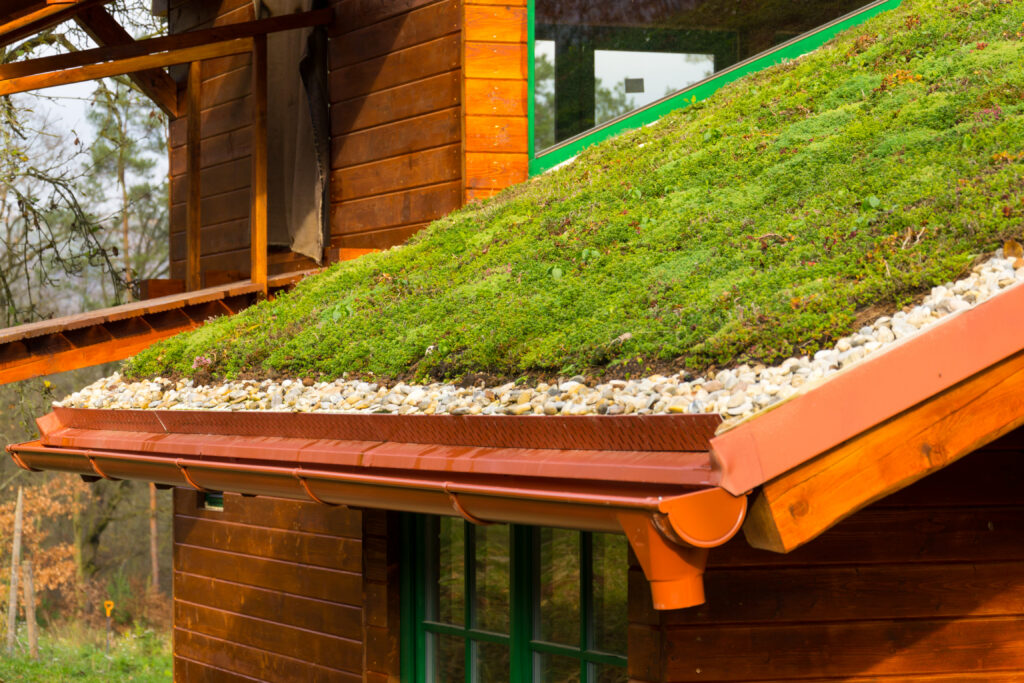
A living roof is a roofing system that incorporates layers of waterproofing, drainage, growing medium (engineered soil), and vegetation on top of a conventional roof structure. It is also called a green roof, vegetated roof, or eco-roof. The vegetation can range from low-maintenance sedums, which are drought-tolerant succulent plants, to full rooftop gardens with edible crops and native grasses.
Living roofs are not simply planters placed on a rooftop. They are engineered systems designed to protect the building envelope while supporting plant life. Every component serves a specific function, from moisture retention to root barrier protection.
There are two primary categories of living roofs. An extensive green roof uses a shallow growing medium, typically 2 to 6 inches deep, and supports low-growing, drought-tolerant plants that require minimal maintenance. An intensive green roof uses a deeper growing medium, often 6 to 24 inches, and can support shrubs, trees, walkways, and garden beds. Intensive systems are heavier and require more structural support.
Q: Is a living roof the same as a rooftop garden?
A: Not exactly. A rooftop garden typically involves container plantings placed on a roof surface. A living roof is an integrated system where vegetation grows directly within engineered layers built into the roof assembly. A living roof provides structural and environmental benefits that container gardens do not.
Q: Can any building have a living roof?
A: Most buildings can be adapted for a living roof, but the existing structure must be evaluated for load-bearing capacity. Older homes in areas like Ventura and Moorpark may need reinforcement before a green roof system can be installed safely.
The Layers of a Living Roof System
Understanding a living roof requires understanding the system from the bottom up. Each layer is essential, and skipping or under-specifying one can lead to leaks, root damage, or plant failure.
Structural Deck
This is the base of your existing roof. It must be strong enough to carry the additional weight of all green roof layers, including saturated soil after a rainstorm. A structural engineer should evaluate this before any installation begins.
Waterproof Membrane
A high-quality waterproof membrane sits directly on the roof deck. This is the most critical layer for protecting your home from water intrusion. Common materials include thermoplastic polyolefin (TPO) and ethylene propylene diene monomer (EPDM), both of which are synthetic rubber membranes designed for long-term waterproofing.
Root Barrier
Placed above the waterproof membrane, the root barrier prevents plant roots from penetrating and compromising the waterproofing layer. Without this barrier, aggressive root systems can cause leaks that are expensive to locate and repair.
Drainage Layer
This layer channels excess water toward roof drains and prevents waterlogging. It typically consists of a lightweight aggregate or a dimpled plastic sheet. Proper drainage is especially important during Southern California’s occasional heavy rain events, which can dump significant water in a short period.
Filter Fabric
A geotextile filter fabric sits between the drainage layer and the growing medium. It allows water to pass through while preventing fine soil particles from clogging the drainage system.
Growing Medium
This is not ordinary garden soil. Green roof growing medium is an engineered blend of lightweight mineral aggregite, organic matter, and nutrients designed to support plant growth while minimizing weight. For extensive systems, this layer is typically 3 to 5 inches deep.
Vegetation
The top layer is the plant material itself. In Ventura County, where water conservation is a priority, drought-tolerant species like sedum, delosperma, and native California grasses are strong choices for extensive green roofs.
Green Roof Benefits in Southern California
Green roof benefits in Southern California go well beyond aesthetics. Each benefit ties directly to a measurable outcome for homeowners dealing with the region’s specific climate challenges.
Lower Energy Costs
A living roof acts as natural insulation. The vegetation and growing medium create a thermal buffer between the sun and your roof deck. Studies from the U.S. Department of Energy show that green roofs can reduce cooling energy demand by 25 percent or more. For homes in inland Ventura County cities like Simi Valley and Thousand Oaks, where summer temperatures regularly exceed 95 degrees, that reduction can translate to meaningful savings on your Southern California Edison bill.
Extended Roof Lifespan
UV radiation is one of the primary causes of roof material degradation. Ventura County’s high UV index accelerates this process. A living roof shields the waterproof membrane from direct UV exposure, potentially doubling or tripling the lifespan of the underlying roof system. Where a conventional flat roof might last 15 to 20 years, a well-maintained green roof system can protect the membrane for 40 years or longer.
Stormwater Management
When heavy rain hits, conventional roofs shed water immediately into gutters and storm drains. A living roof absorbs and retains a significant portion of that rainfall, releasing it slowly over hours. This reduces the volume and velocity of stormwater runoff, which helps prevent localized flooding and reduces the load on municipal stormwater systems.
Improved Air Quality
Plants on a living roof filter particulate matter and absorb carbon dioxide. In urban areas of Oxnard and Ventura, where vehicle traffic contributes to air quality concerns, green roofs provide a measurable improvement in localized air quality.
Urban Heat Island Reduction
Dark rooftops absorb and re-radiate heat, raising ambient temperatures in dense neighborhoods. Green roofs counter this effect through evapotranspiration, the process by which plants release water vapor and cool the surrounding air. This is especially relevant in Ventura County’s inland valleys, where heat buildup during summer is a persistent issue.
Q: How much can a green roof lower my energy bill?
A: Energy savings depend on the size of the green roof, the depth of the growing medium, and your local climate zone. Homeowners in warm inland areas of Ventura County can expect cooling cost reductions of 15 to 30 percent during summer months, based on Department of Energy data for vegetated roofing systems.
Can a Living Roof Survive in Ventura County’s Climate?
A living roof in Ventura County is well suited to the region’s Mediterranean climate, but success depends on choosing the right plant species and irrigation strategy for your specific microclimate.
Ventura County spans a wide range of climate conditions within a short distance. Coastal areas like Ventura and Oxnard benefit from the marine layer, which provides natural moisture and moderates temperatures. Inland areas like Simi Valley, Moorpark, and Thousand Oaks experience higher heat, lower humidity, and occasional exposure to Santa Ana winds, which are hot, dry winds that blow from the inland deserts toward the coast.
Plant Selection for Coastal Areas
Near the coast, the marine layer provides supplemental moisture during morning hours. Sedums, ice plants, and native coastal sage scrub species thrive in these conditions with minimal irrigation. Salt tolerance is an important consideration for properties close to the ocean.
Plant Selection for Inland Areas
Inland locations require plants that can tolerate extended periods of heat and low humidity. Drought-tolerant succulents and California native species adapted to chaparral conditions are the most reliable choices. A drip irrigation system connected to a smart controller can provide supplemental water during the hottest months while staying compliant with local water conservation guidelines.
Fire Considerations
Homeowners in wildfire-prone areas of Ventura County should note that living roofs with succulent vegetation can actually improve fire resistance. Succulents contain high moisture levels that resist ignition. However, any green roof in a high-fire-risk zone must comply with CAL FIRE ember-resistant roofing requirements. Dead or dried vegetation on a green roof can become a fire hazard, so maintenance is critical.
How a Living Roof Works With Solar Panels
One of the most practical advantages of a living roof in Ventura County is its ability to improve the performance of rooftop solar panels. This is counterintuitive to many homeowners, but the science is straightforward.
Solar panels convert sunlight into electricity, but their efficiency drops as surface temperatures rise. Most solar panels lose approximately 0.3 to 0.5 percent efficiency for every degree Celsius above 25 degrees Celsius (77 degrees Fahrenheit). On a conventional dark roof in Thousand Oaks during a 100-degree day, panel surface temperatures can exceed 65 degrees Celsius. That results in a measurable loss of energy production.
A living roof cools the surface beneath and around the solar panels through evapotranspiration. By reducing the ambient rooftop temperature by 30 to 40 degrees Fahrenheit, a green roof keeps solar panels closer to their optimal operating temperature. The result is higher energy output from the same number of panels.
For homeowners who are considering solar panel installation in Ventura County, combining a green roof with a solar array is worth evaluating. Under California’s current net energy metering (NEM) program, every additional kilowatt-hour your panels produce can offset your electricity costs or earn credits on your Southern California Edison account.
Q: Do solar panels shade the plants on a living roof?
A: Partially, yes. The shading from solar panels can actually benefit certain plant species by reducing water evaporation and protecting them from intense midday sun. Many green roof and solar hybrid installations are designed so that the panels are elevated above the vegetation on mounting racks, creating a complementary microclimate for both systems.
Living Roof Cost and Maintenance Considerations
The upfront cost of a living roof is higher than a conventional roofing system. Understanding the full lifecycle cost is important before making a decision.
Installation Cost
An extensive green roof typically costs between $15 and $30 per square foot installed, depending on the complexity of the system, the plant species selected, and the condition of the existing roof structure. An intensive green roof with deeper soil and more diverse plantings can range from $30 to $60 or more per square foot. These figures include the waterproof membrane, drainage system, growing medium, and vegetation.
Lifecycle Cost Comparison
While the initial investment is higher, the total cost of ownership over 30 to 50 years is often lower than a conventional roof that needs replacement every 15 to 20 years. When you factor in reduced energy costs and potential increases in property value, the return on investment improves further.
Maintenance Requirements
Extensive green roofs require relatively little maintenance. Two to three inspections per year are typical, focused on removing weeds, checking drainage outlets, and verifying plant health. Irrigation systems should be inspected seasonally, particularly before the dry months from June through October.
Intensive green roofs require ongoing care similar to a ground-level garden, including pruning, fertilizing, and seasonal planting. Homeowners should budget for either dedicated time or a landscaping service to maintain an intensive system.
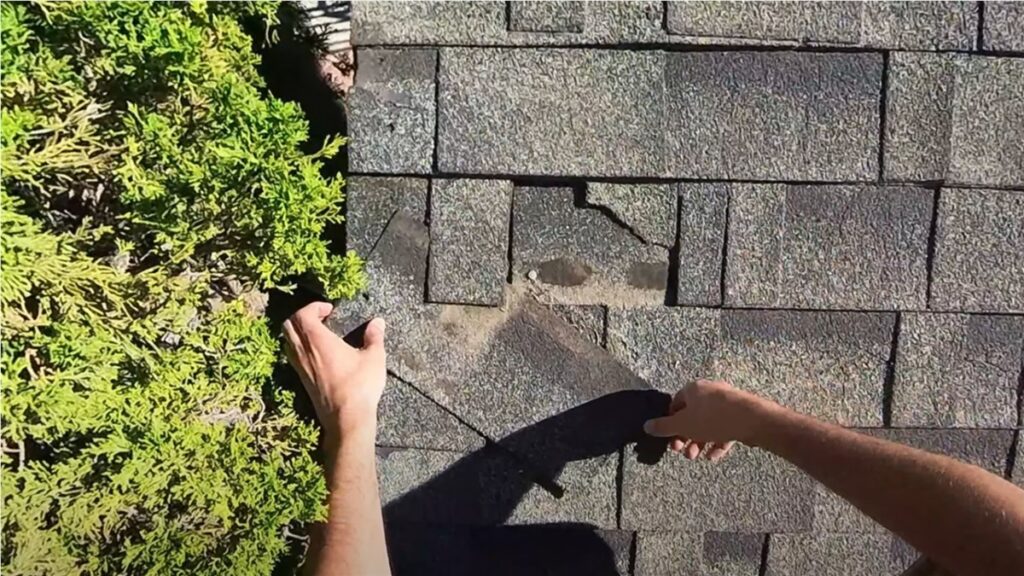
August Roofing and Solar provides thorough roof inspections that can assess your current roof condition and help determine whether your structure and membrane are suitable for a green roof installation. With 30+ years of experience in Ventura County, our team understands the local building codes and climate factors that affect these systems.
Structural Requirements for a Living Roof in Ventura County
A living roof in Ventura County must meet structural load requirements that account for the weight of all system components at full saturation. This is the most important technical consideration before installation.
Weight Calculations
An extensive green roof adds approximately 15 to 30 pounds per square foot when fully saturated. An intensive system can add 80 to 150 pounds per square foot or more. For context, a standard residential roof in California is typically designed to support 20 pounds per square foot of live load beyond the weight of the roofing materials themselves.
This means that many homes will need a structural evaluation and potentially reinforcement before a green roof can be installed. A licensed structural engineer should perform this assessment. Skipping this step risks serious structural damage.
Roof Slope
Living roofs are most commonly installed on flat or low-slope roofs with a pitch of 2:12 or less. Steeper slopes require additional retention systems to prevent the growing medium from sliding. Homes in Ventura County with flat roof sections, which are common in mid-century and contemporary architectural styles, are the best candidates.
Building Permits
Installing a living roof in Ventura County requires a building permit. The permit process involves submitting structural calculations, a waterproofing plan, and a drainage plan for review. Working with an experienced roofing contractor who understands local permitting requirements can streamline this process significantly.
People Also Ask
How long does a living roof last?
A well-maintained living roof can last 40 to 50 years or more. The vegetation layer protects the waterproof membrane from UV degradation and temperature extremes, which are the two primary causes of conventional roof failure. Regular inspections are essential to maintain this lifespan.
Are green roofs worth it in California?
Green roof benefits in Southern California include lower cooling costs, extended roof lifespan, and improved stormwater management. For homeowners in warm climates like Ventura County, the energy savings and reduced roof replacement frequency often offset the higher upfront cost over time.
Do green roofs need irrigation in Southern California?
Extensive green roofs with drought-tolerant species may need supplemental irrigation only during the hottest and driest months. Inland areas like Simi Valley and Moorpark will require more irrigation than coastal locations like Ventura and Oxnard, where the marine layer provides some natural moisture.
Can you walk on a living roof?
You can walk on an intensive green roof designed with pathways and reinforced areas. Extensive green roofs are not designed for regular foot traffic. Walking on an extensive system can compact the growing medium and damage the shallow root systems of the vegetation.
Frequently Asked Questions
What is the best type of living roof for Ventura County homeowners?
For most homeowners in Ventura County, an extensive living roof with drought-tolerant sedum and native California plants is the most practical option. It requires minimal maintenance, adds less weight to the structure, and performs well in both coastal and inland climate zones.
Can I install a living roof Ventura County on an existing home?
Yes, a living roof in Ventura County can be installed on an existing home, provided the structure can support the additional weight. A structural evaluation and building permit are required. Flat and low-slope roof sections are the best candidates for retrofit installations.
How does a living roof affect my home insurance?
A living roof may affect your homeowner’s insurance policy. Some insurers view green roofs favorably because of their fire resistance (with succulent plants) and extended membrane protection. Others may require additional documentation. Contact your insurance provider before installation to confirm coverage terms.
Does a living roof Ventura County increase property value?
A living roof in Ventura County can increase property value by improving energy efficiency, extending the roof lifespan, and adding curb appeal. While specific value increases vary, homes with green features consistently attract buyer interest in Southern California’s environmentally conscious real estate market.
Can August Roofing and Solar install a living roof?
August Roofing and Solar specializes in roofing systems and solar installations throughout Ventura County. We can assess your existing roof’s structural condition, install or replace the waterproof membrane system, and coordinate with green roof specialists to ensure a proper installation. Contact us at (805) 519-8099 or visit our contact page to schedule a consultation.
Next Steps for Your Roof
Whether you are exploring a living roof in Ventura County, evaluating solar panels, or simply need an honest assessment of your current roof’s condition, August Roofing and Solar is here to help. We offer free roof inspections with no deposit required, backed by over 30 years of licensed, certified experience serving homeowners across Oxnard, Thousand Oaks, Camarillo, Simi Valley, Ventura, Moorpark, and Newbury Park.
If you would like to learn whether your home is a good candidate for a green roof or solar system, schedule a free inspection or call us at (805) 519-8099. We are happy to answer your questions and provide a straightforward evaluation with no obligation.