
Key Takeaways
- Home hardening in Montecito is the process of upgrading your roof, vents, eaves, gutters, and exterior components with fire-resistant materials to reduce the chance of ignition from wind-driven embers during a wildfire.
- Montecito homeowners face elevated wildfire risk due to Santa Ana winds, dry canyon vegetation, and the community’s proximity to the Los Padres National Forest, making proactive wildfire roof protection Montecito residents can control especially important.
- The roof is the single most vulnerable surface on a home. A professional inspection can reveal gaps beneath tiles, deteriorated flashing, unscreened vents, and debris accumulation that create avoidable ignition points.
- Home hardening and defensible space are complementary strategies. CAL FIRE recommends addressing both the structure and the surrounding landscape together for the strongest protection.
- You do not need to complete every upgrade at once. A prioritized, step-by-step plan lets you address the most critical vulnerabilities first while budgeting for longer-term improvements.
Quick Links
- Why Home Hardening Matters for Montecito Homeowners
- What Is Home Hardening?
- Wildfire Roof Protection in Montecito: Start With the Roof
- Protect Vents and Openings From Ember Intrusion
- Keep Roofs and Gutters Clear of Combustible Debris
- Inspect Eaves and Soffits for Hidden Vulnerabilities
- Review Windows and Exterior Doors
- Pay Attention to Solar Equipment
- Home Hardening and Defensible Space Work Together
- When Should You Schedule a Home Hardening Inspection in Montecito?
- Begin With Practical, Prioritized Improvements
- People Also Ask
- Frequently Asked Questions
Why Home Hardening Matters for Montecito Homeowners
Home hardening in Montecito is not an abstract concept. It is a direct response to the specific fire risks that surround this community every year. If you own a home along the hillsides between the Santa Ynez Mountains and the Pacific coast, you already understand the tension that arrives with each red flag warning.
Montecito sits at the base of steep, chaparral-covered canyons that funnel dry Santa Ana winds toward residential neighborhoods. The Thomas Fire in 2017 and the subsequent debris flows demonstrated how quickly conditions can change. Yet many homes in the area still have aging roof tiles with unsealed gaps, unscreened attic vents, or gutters packed with dry eucalyptus and oak leaves.
These are not cosmetic issues. They are the exact entry points that wind-driven embers exploit. The encouraging reality is that most of these vulnerabilities are identifiable and correctable before an emergency begins.
What Is Home Hardening?
Home hardening is the process of using fire-resistant materials, improved construction details, and regular maintenance to reduce the likelihood that a house will ignite during a wildfire. It focuses on the structure itself, not just the surrounding landscape.
CAL FIRE defines home hardening as addressing a structure’s vulnerabilities so it can better withstand exposure to embers, radiant heat, and direct flames. The strategy targets the components most likely to allow fire entry.
These components include:
- Roof coverings and underlayment
- Gutters and roof valleys
- Attic, soffit, and foundation vents
- Eaves and rafter tails
- Windows and exterior doors
- Siding and exterior cladding
- Decks, fences, and attached structures
- Openings around pipes, cables, and roof penetrations
Home hardening does not make a house fireproof. No single improvement guarantees survival. However, it systematically reduces the number of ways embers and radiant heat can ignite a structure.
Q: Does home hardening replace the need for fire insurance?
A: No. Home hardening reduces physical vulnerability, but it does not eliminate risk. Maintaining adequate fire insurance is a separate and equally important part of wildfire preparedness for Montecito homeowners.
Wildfire Roof Protection in Montecito: Start With the Roof
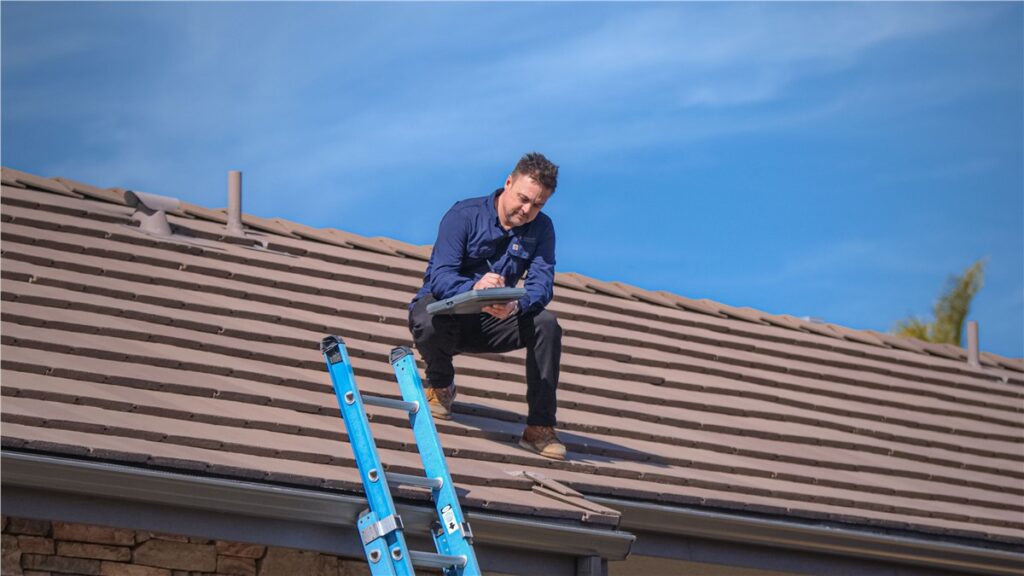
Your roof is the largest exposed surface on your home and the most common point of ember ignition. Wildfire roof protection in Montecito begins with understanding how embers interact with roofing materials, gaps, and accumulated debris.
A professional roof evaluation can identify:
- Broken, loose, or missing tiles, shingles, or other roof coverings
- Gaps beneath barrel or flat tiles where embers can lodge
- Deteriorated flashing around chimneys, vents, and skylights
- Openings around roof penetrations such as plumbing stacks and conduit
- Accumulated leaves, pine needles, or other organic debris
- Combustible or aging underlayment visible through damaged areas
California building code generally requires Class A-rated roof coverings and assemblies in fire hazard severity zones. Common Class A options include concrete tile, clay tile, asphalt composition shingles, and certain standing-seam metal systems. The specific fire rating depends on the tested assembly, not just the surface material.
Replacing the entire roof is not always necessary. In many cases, targeted repairs, gap sealing beneath tiles, debris removal, and flashing improvements provide meaningful wildfire roof protection without a full replacement.
August Roofing and Solar has inspected and maintained roofs across Montecito and neighboring communities like Summerland, Carpinteria, and Santa Barbara for over 30 years. Our inspectors document every finding with photos and plain-language explanations so you know exactly what needs attention.
Q: Do clay and concrete tile roofs need home hardening?
A: Yes. While tile is a Class A fire-rated material, the gaps beneath individual tiles can allow embers to reach the underlayment. Sealing these gaps and maintaining intact underlayment is a critical part of home hardening in Montecito, where tile roofs are common.
Protect Vents and Openings From Ember Intrusion
Attic vents, soffit vents, and foundation vents provide essential airflow that prevents moisture buildup and heat accumulation. However, these same openings can allow embers to enter concealed spaces where they ignite insulation, wood framing, or stored materials.
Depending on the home and local code requirements, improvements may include:
- Installing flame-resistant and ember-resistant vents that meet current California standards
- Adding 1/8-inch corrosion-resistant metal mesh behind existing vent openings
- Removing debris and vegetation from around vent locations
- Sealing gaps near blocking, pipes, and penetrations adjacent to vents
- Repairing or replacing damaged vent screens
CAL FIRE advises homeowners to consult local building officials and licensed contractors before modifying vents. Fire-protection upgrades must still provide the ventilation your attic and crawlspace require to function correctly. Reducing airflow too aggressively can cause moisture damage and other structural problems.
Many older Montecito homes have original galvanized vent screens with openings large enough for embers to pass through. Upgrading to current ember-resistant vent products is one of the most cost-effective home hardening steps available.
 Keeping roof edges and gutters clear to prevent water overflow and damage.
Keep Roofs and Gutters Clear of Combustible Debris
Dry leaves and organic debris act as fuel when embers land on them. Gutters are particularly vulnerable because they collect and hold debris in a narrow channel directly against the roof edge and fascia.
Roof and gutter maintenance for wildfire preparedness should include clearing:
- Gutter troughs and downspout connections
- Roof valleys where debris naturally accumulates
- Edges around skylights and roof-mounted equipment
- Spaces beneath and around solar panels
- Areas behind chimneys and parapet walls
In Montecito, this is especially important during late summer and fall. Coast live oaks, eucalyptus, and other native and non-native trees shed leaves heavily during this period, which coincides exactly with peak fire weather driven by offshore Santa Ana winds.
Routine gutter and roof cleaning is a simple form of wildfire roof protection Montecito homeowners can maintain year after year. August ProCare maintenance plans include debris removal, vent screening inspections, and documentation of roof conditions so nothing gets overlooked between seasons.
Q: How often should I clean my gutters for fire safety in Montecito?
A: At minimum, clean gutters twice per year, once in late spring and again in early fall before fire season peaks. Homes beneath heavy tree canopy may need quarterly cleaning.
Inspect Eaves and Soffits for Hidden Vulnerabilities
Open eaves expose rafter tails and roof sheathing to embers and radiant heat. Many homes in Montecito’s older neighborhoods have decorative open-rafter eaves that were built before modern wildfire construction standards existed.
Possible home hardening improvements for eaves and soffits include:
- Sealing visible gaps between rafters and the roofline
- Repairing or replacing damaged soffit panels
- Enclosing open eaves with non-combustible materials where structurally appropriate
- Removing combustible vegetation and vines growing below overhangs
- Keeping firewood, patio cushions, and other combustible stored materials away from exterior walls
Structural changes to eaves and soffits should be evaluated by a licensed contractor and completed according to Santa Barbara County building codes. These upgrades are particularly valuable for homes in or near CAL FIRE-designated Very High Fire Hazard Severity Zones, which include significant portions of the Montecito foothills.

Review Windows and Exterior Doors
Radiant heat from a wildfire can crack or shatter windows before flames ever contact the glass. Broken windows allow embers and superheated air to enter the home, often leading to rapid interior ignition.
Older single-pane windows are significantly more vulnerable than modern dual-pane tempered glass. If your Montecito home still has original single-pane windows, upgrading to tempered dual-pane units improves both fire resistance and energy efficiency.
Additional items to check:
- Weatherstripping around exterior and garage doors
- Gaps along door edges and thresholds
- Damaged or missing window screens
- Combustible plants, trellises, or furnishings positioned below windows
- Flammable materials stored inside or near garage door openings
These details are easy to overlook, but they represent real pathways for ember intrusion that home hardening is designed to address.
Pay Attention to Solar Equipment
Solar panels do not eliminate the need for roof maintenance, and they can create new areas where debris accumulates if not properly managed. Leaves, nesting materials, and rodent debris frequently collect beneath panels, especially when critter guards are missing or damaged.
A wildfire-readiness inspection of a solar installation should include:
- Debris accumulation beneath and around panels
- Condition and completeness of critter guards and screening
- Roofing conditions at accessible areas beneath the array
- Exposed, frayed, or damaged wiring and conduit
- Panel attachment points and surrounding roof penetrations
Any electrical work on a solar system should be performed by qualified professionals. At August Roofing and Solar, we evaluate roofing and solar components together because improvements to one system should never create leaks, ventilation issues, or electrical hazards in the other.
Home Hardening and Defensible Space Work Together
Home hardening and defensible space are complementary strategies, not substitutes for each other. Home hardening strengthens the structure. Defensible space reduces the combustible vegetation and materials around the property that feed an approaching fire.
CAL FIRE recommends using both approaches together. A well-maintained yard cannot fully protect a roof with open gaps or unscreened vents. Similarly, a hardened structure remains at elevated risk when dry brush, woodpiles, or patio furniture sit directly against exterior walls.
For Montecito properties, defensible space is especially important on hillside lots where native chaparral, manzanita, and dry grasses can carry fire quickly upslope toward a home. Creating Zone 0 (the first five feet around the structure) and Zone 1 (extending 30 feet out) with non-combustible landscaping and properly spaced vegetation reduces the intensity of fire and ember exposure that your hardened structure must withstand.
When Should You Schedule a Home Hardening Inspection in Montecito?
The best time to address wildfire vulnerabilities is before conditions become dangerous. Do not wait for a red flag warning or visible smoke to begin evaluating your home.
Consider scheduling an inspection when:
- Your roof has not been professionally evaluated in the past two years
- Your home is in or near a CAL FIRE-designated fire hazard severity zone
- You have older or original attic and soffit vents without ember-resistant screens
- Debris regularly accumulates on your roof, in gutters, or beneath solar panels
- You notice gaps beneath roof tiles, around eaves, or near penetrations
- Your roof, siding, deck, or exterior components show signs of aging
- You recently purchased the home and do not have records of prior maintenance
A scheduled inspection creates a documented baseline. From there, you can track what has been addressed, what remains, and when the next maintenance visit should occur. This repeatable system is far more dependable than last-minute preparation.
August Roofing and Solar offers free roof inspections throughout Montecito, Santa Barbara, Goleta, and the surrounding South Coast communities. We require no deposit and provide detailed findings before any work begins.
Begin With Practical, Prioritized Improvements
Home hardening in Montecito does not need to happen as a single overwhelming project. A professional inspection helps separate immediate concerns from longer-term upgrades.
A practical plan might begin with:
- Removing combustible debris from the roof, gutters, and around the foundation
- Repairing damaged or missing roofing materials
- Screening or replacing vulnerable attic and soffit vents
- Sealing gaps around eaves, penetrations, and under tiles
- Clearing combustible materials from the first five feet around the home
- Planning larger upgrades to roofing, windows, siding, or decking over time
This step-by-step approach lets you address the most critical vulnerabilities first while spreading the cost and effort across multiple seasons. Each completed step makes your home measurably more resistant to ember exposure and radiant heat.
People Also Ask
What does home hardening mean in California?
Home hardening in California refers to upgrading a structure’s roof, vents, eaves, windows, siding, and other exterior components with fire-resistant materials and construction methods. The goal is to reduce the chance that wind-driven embers or radiant heat will ignite the home during a wildfire. CAL FIRE recommends home hardening as a key part of wildfire preparedness statewide.
How much does home hardening cost?
Costs vary widely depending on the scope of work. Simple maintenance like gutter cleaning and vent screening may cost a few hundred dollars, while a full roof replacement with Class A materials can range from $15,000 to $40,000 or more depending on the size and complexity of the roof. A professional inspection helps you prioritize so you address the most critical items first.
Is home hardening required by law in Montecito?
California law requires certain fire-resistant construction standards for new builds and major renovations in designated fire hazard severity zones, which include parts of Montecito. Existing homes are not always required to retrofit, but many insurance providers now expect or incentivize home hardening measures. Check with Santa Barbara County building officials for current requirements specific to your property.
What is the difference between home hardening and defensible space?
Home hardening focuses on the building itself, using fire-resistant materials and sealed openings to resist ignition. Defensible space focuses on the landscaping and materials around the property, reducing the fuel available to an approaching fire. CAL FIRE recommends both strategies together for the strongest protection.
Frequently Asked Questions
What is home hardening in Montecito and why is it important?
Home hardening in Montecito is the process of upgrading your roof, vents, eaves, gutters, and other exterior components with fire-resistant materials and sealed construction details. It is important because Montecito sits at the base of fire-prone canyons where Santa Ana winds can push embers miles ahead of visible flames. Addressing structural vulnerabilities before a wildfire event reduces the chance of ignition.
Does home hardening Montecito homeowners invest in actually prevent fire damage?
Home hardening cannot guarantee a home will survive a wildfire. However, it significantly reduces the number of entry points where embers and radiant heat can ignite a structure. Research from the Insurance Institute for Business and Home Safety shows that ember intrusion is a leading cause of home ignition, and hardening directly addresses those vulnerabilities.
What roofing materials provide the best wildfire roof protection in Montecito?
Class A-rated roof coverings offer the highest fire resistance. Common options include concrete tile, clay tile, asphalt composition shingles, and certain standing-seam metal systems. The fire rating depends on the complete assembly, including the underlayment and deck, not just the surface material. A licensed roofing contractor can evaluate which system is appropriate for your home.
How does home hardening in Montecito affect my homeowners insurance?
Many insurance providers in fire-prone areas of California now consider home hardening improvements when evaluating coverage options and premiums. Completing documented upgrades such as Class A roofing, ember-resistant vents, and tempered glass windows may help you maintain or improve your insurability. Keep records of all completed work and share them with your insurer.
Where should I start with home hardening if I have a limited budget?
Start with the roof and work outward. Remove debris from gutters and roof surfaces, repair damaged or missing roofing materials, and screen or replace vulnerable vents. These are typically the most impactful and least expensive improvements. A free inspection from August Roofing and Solar can help you identify which items need attention now and which can be planned for later.
Protect Your Montecito Home Before Wildfire Season Tests It
Wildfire preparation is not about fear. It is about understanding how homes in Montecito become vulnerable and taking responsible, informed action before conditions become dangerous. Home hardening in Montecito gives you a structured, proven approach to reducing the ways embers, radiant heat, and flames can reach your home’s most exposed components.
When combined with defensible space, routine roof and gutter maintenance, and a family evacuation plan, home hardening becomes one of the most practical investments you can make in your property and your peace of mind.
At August Roofing and Solar, we inspect roofing, gutters, solar equipment, vents, and other roof-hardening components across Montecito and the greater South Coast. With over 30 years of experience, no deposit required, and a focus on clear documentation and honest recommendations, we help homeowners understand what needs attention now, what can wait, and how to maintain the systems that protect their home.
Schedule your free roof inspection today, or call us at (805) 519-8099 to discuss your home hardening priorities.