
Key Takeaways
- Fall home exterior prep should include a professional roof inspection, gutter cleaning, siding evaluation, and basic landscaping adjustments before winter weather arrives in Southern California.
- Santa Ana winds can exceed 60 mph, making loose or cracked shingles a serious vulnerability that a pre-season roof inspection before winter can identify and resolve.
- Clogged gutters cause overflow that damages siding, fascia boards, and even your home’s foundation during Southern California’s concentrated rainy season.
- A visual siding inspection can reveal cracks, warping, or gaps that allow moisture intrusion and pest entry before conditions worsen.
- August Roofing and Solar offers free roof inspections backed by 30+ years of experience serving Southern California homeowners.
Quick Links
- Why Fall Home Exterior Prep Matters in Southern California
- Start with a Roof Inspection Before Winter
- Clean and Inspect Your Gutters
- Evaluate Your Siding for Hidden Damage
- Prepare Your Landscaping for Cooler Weather
- Your Complete Fall Home Exterior Prep Checklist
- People Also Ask
- Frequently Asked Questions
Why Fall Home Exterior Prep Matters in Southern California
Most Southern California homeowners do not think about their roof, gutters, or siding until something goes wrong. A missing shingle goes unnoticed until a leak stains the bedroom ceiling. A clogged gutter sits quietly until the first November rain sends water cascading down the side of the house. By that point, the damage is already done and the repair bill is significantly higher than a simple preventive fix would have been.
Fall home exterior prep is about catching small problems before seasonal conditions turn them into expensive ones. Southern California may not experience harsh northeastern winters, but it has its own set of damaging weather patterns. Santa Ana winds, concentrated rainstorms, morning frost in inland valleys, and wildfire-driven debris all put stress on your home’s exterior systems between October and March.
This guide walks through each major exterior component, explains what to look for, and outlines the steps that protect your home through the cooler months.
Start with a Roof Inspection Before Winter
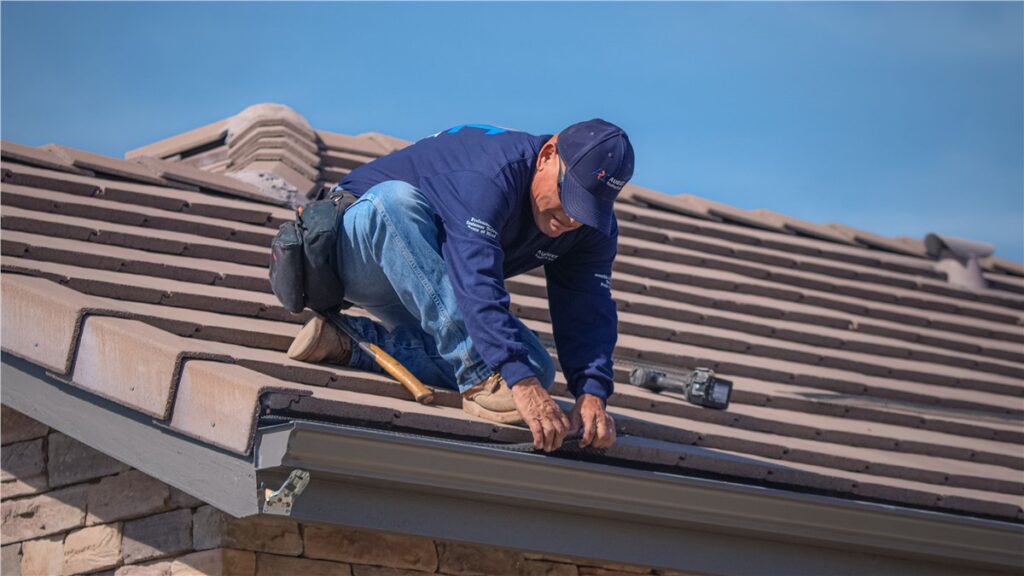
A roof inspection before winter is the single most important step in fall home exterior prep. Your roof is the primary barrier between your home’s structure and the elements. When that barrier has weak points, even moderate weather can cause interior damage that is costly to repair.
Southern California’s Santa Ana winds are a particular concern. These hot, dry winds blow from the inland deserts toward the coast and regularly exceed 40 mph. In severe events, gusts can reach 60 to 80 mph. At those speeds, any shingle that is cracked, curling, or improperly fastened can be torn free. Once a shingle is missing, the underlayment and roof deck beneath it are exposed to rain, UV radiation, and further wind damage.
What a Professional Roof Inspection Covers
A thorough roof inspection evaluates several interconnected components, not just the visible shingle surface. Here is what a qualified inspector examines:
- Shingles or tiles: Checking for cracks, curling, granule loss on asphalt shingles, or broken and displaced tiles.
- Flashing: Flashing is the thin metal material installed at roof joints, valleys, and around penetrations like vents and chimneys. It directs water away from vulnerable seams. Cracked or lifted flashing is one of the most common sources of roof leaks.
- Underlayment: The waterproof or water-resistant layer beneath the shingles. Degraded underlayment allows moisture to reach the roof deck even when shingles appear intact above it.
- Roof vents and boots: Pipe boots and roof vents can crack or deteriorate over time, creating openings for water entry.
- Gutters and drip edge: Inspectors check where the roof meets the gutter system to ensure water flows correctly off the roof surface.
August Roofing and Solar provides free roof inspections across Southern California. With over 30 years of experience, our team identifies vulnerabilities specific to the region’s climate and provides detailed findings before recommending any work. We require no deposit to get started.
Q: How often should I get a roof inspection in Southern California?
A: At minimum, once per year. The best time is in early fall, before the rainy season and peak Santa Ana wind events. If your roof is older than 15 years or has experienced recent storm damage, twice-yearly inspections are advisable.
Q: Can I inspect my own roof?
A: You can do a ground-level visual check with binoculars, looking for obviously missing or displaced shingles. However, many issues such as deteriorated flashing, cracked pipe boots, and underlayment damage are only visible from on the roof and require professional evaluation.
Clean and Inspect Your Gutters
Gutters are part of your roof’s drainage system. Their job is to collect rainwater as it runs off the roof surface and channel it through downspouts to a designated drainage point away from your foundation. When gutters are clogged or damaged, this system fails and water ends up where it should not be.
Southern California gets the majority of its annual rainfall in a relatively short window, typically between November and March. This means that when rain does arrive, it often comes in heavy bursts. A gutter system that has been collecting leaves, dirt, and debris for months can overflow within minutes during a strong storm.
Consequences of Neglected Gutters
The effects of clogged gutters extend well beyond the gutter itself:
- Fascia board rot: Water that overflows backward from a clogged gutter saturates the fascia board, which is the wooden board the gutter is mounted to. Over time, this causes rot and structural weakening.
- Siding damage: Water cascading over gutter edges runs down your home’s siding, staining it and potentially penetrating seams.
- Foundation erosion: When downspouts are blocked, water pools near the foundation instead of being directed away. This can lead to settling, cracking, and even basement or crawl space moisture issues.
- Roof edge damage: Standing water in a clogged gutter can wick back under the lowest row of shingles, damaging the drip edge and underlayment.
How to Maintain Your Gutters
Gutter maintenance is straightforward but often neglected because gutters are out of sight. Here are the key steps:
- Remove all leaves, twigs, and accumulated sediment from gutter channels.
- Flush gutters and downspouts with a hose to confirm water flows freely to the drainage point.
- Check gutter hangers and brackets to ensure the gutters are securely attached and properly sloped. Gutters should slope roughly one-quarter inch per ten feet toward the downspout.
- Inspect for rust, holes, or separated seams in metal gutters.
- Consider gutter guards if your property has overhanging trees that deposit large amounts of debris.
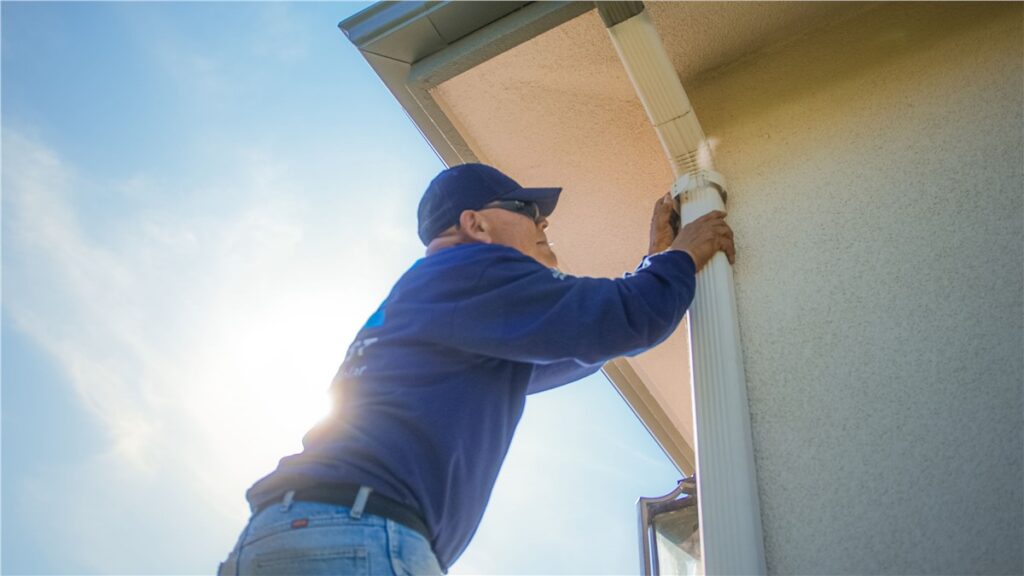
If you are uncomfortable working on a ladder or your home is two stories or taller, professional gutter cleaning is a safer option. August Roofing and Solar can inspect and clean gutters as part of a comprehensive roofing maintenance visit.
Q: How do I know if my gutters are clogged without getting on a ladder?
A: Watch your gutters during the next rain. If water spills over the sides rather than flowing from the downspout, there is a blockage. You may also notice water stains or green algae growth on the siding directly below gutter sections, which indicates persistent overflow.
Evaluate Your Siding for Hidden Damage
Siding protects the structural walls of your home from moisture, wind, pests, and temperature fluctuations. In Southern California, siding endures intense UV exposure for much of the year, followed by wind-driven rain and occasional frost during the cooler months. This cycle of heat and moisture causes materials to expand and contract, which can open gaps and accelerate deterioration.
A fall siding inspection does not require professional tools. A slow walk around your home, looking carefully at each wall surface, can reveal most common issues.
What to Look For
- Cracks or splits: Common in wood and fiber cement siding after prolonged sun exposure.
- Warping or buckling: Often caused by moisture trapped behind the siding panels.
- Gaps at seams and corners: Even small gaps allow moisture and insects to enter the wall cavity.
- Peeling paint or stain: This indicates that the siding’s protective finish has broken down, leaving the material underneath vulnerable.
- Mold or mildew growth: Typically found on north-facing walls or areas shaded by landscaping, indicating persistent moisture contact.
If you find damaged areas, address them before the rainy season. Small cracks can be sealed with exterior-grade caulk. Warped or rotted sections should be replaced entirely, as patching over compromised material only delays the inevitable failure.
Siding and Gutter Connection
As noted in the gutter section, overflowing gutters are one of the primary causes of siding damage. Maintaining your gutters is one of the most effective ways to extend the life of your siding. These two systems work together, and neglecting one puts the other at risk.
Q: Does Southern California weather really damage siding?
A: Yes. High UV index levels throughout most of the year degrade paint and siding finishes faster than in less sunny regions. Combined with Santa Ana winds that can drive rain sideways into seams and joints, Southern California conditions create a cycle of UV breakdown followed by moisture intrusion that shortens siding lifespan if left unaddressed.
Prepare Your Landscaping for Cooler Weather
Landscaping may seem unrelated to roof and siding maintenance, but overgrown vegetation directly impacts your home’s exterior systems. Overhanging tree branches deposit leaves into gutters, scrape against roofing and siding during wind events, and can even puncture shingles if they break free in a storm.
Fall landscaping prep for Southern California homeowners includes these key steps:
- Trim tree branches so they are at least six feet from the roof surface. This reduces gutter debris and eliminates a potential pathway for rodents to access your attic.
- Keep lawns at about three inches in height. Shorter turf preserves fresh growth through cooler temperatures while reducing moisture retention that encourages fungal disease.
- Add mulch around tree, shrub, and bush root zones. A two-to-three-inch layer of mulch retains soil moisture and insulates roots during cooler inland valley nights when frost is possible.
- Clear dead vegetation away from the home’s perimeter. This is especially important in areas with wildfire risk. CAL FIRE recommends maintaining defensible space of at least 100 feet around structures, starting with the first five feet being completely clear of combustible vegetation and materials.
Proper landscaping maintenance also improves drainage around your foundation by preventing soil buildup against the siding and ensuring that water flows away from the structure rather than pooling against it.
Your Complete Fall Home Exterior Prep Checklist
Use this consolidated checklist to make sure no critical fall home exterior prep task gets overlooked. Each item takes relatively little time on its own, but together they form a comprehensive defense against seasonal weather damage.
Roof
- Schedule a professional roof inspection before winter.
- Check for missing, cracked, or curling shingles from the ground with binoculars.
- Look for dark streaks on the ceiling inside your home, which may indicate an active leak.
- Verify that attic ventilation is unobstructed.
Gutters
- Remove debris from all gutter channels.
- Flush downspouts to confirm they are clear.
- Verify that gutters are securely attached and properly sloped.
- Confirm downspout extensions direct water at least four feet from the foundation.
Siding
- Walk the full perimeter of your home and inspect each wall.
- Seal small cracks with exterior caulk.
- Schedule repairs for warped, rotted, or missing sections.
- Check that all trim and corner pieces are secure.
Landscaping
- Trim branches at least six feet from the roof.
- Clear dead vegetation from within five feet of the house.
- Apply mulch around root zones of trees and shrubs.
- Verify that yard grading directs water away from the foundation.
According to the National Roofing Contractors Association (NRCA), homeowners should have their roofs professionally inspected at least twice per year, ideally in the spring and fall. For Southern California homeowners, the fall inspection is the more critical of the two, given the concentration of rain and wind events in the months that follow.
People Also Ask
What should I check on my home exterior before fall?
Before fall, check your roof for damaged or missing shingles, clean and inspect your gutters, examine your siding for cracks or gaps, and trim any tree branches that overhang your roof. These steps prevent small issues from becoming expensive repairs during the rainy season.
How do I prepare my roof for winter in Southern California?
Schedule a professional roof inspection to check shingles, flashing, underlayment, and roof vents. Clean your gutters and ensure downspouts drain water away from the foundation. Addressing these items before winter storms arrive protects your roof and home interior from water damage.
Do I need to clean my gutters in Southern California?
Yes. Even though Southern California receives less annual rainfall than many regions, the rain arrives in concentrated storms that can quickly overwhelm clogged gutters. Overflowing gutters cause fascia rot, siding damage, and foundation erosion.
When is the best time for a roof inspection in Southern California?
Early fall, between September and November, is the best time. This allows you to identify and repair any damage before the rainy season and Santa Ana wind events that typically peak between October and February.
Frequently Asked Questions
What does fall home exterior prep include?
Fall home exterior prep includes a professional roof inspection, gutter cleaning, siding evaluation, and landscaping maintenance. Each task addresses a specific vulnerability that seasonal weather in Southern California can exploit if left unattended.
How much does a roof inspection before winter cost?
Many roofing companies charge between $150 and $400 for a roof inspection. August Roofing and Solar offers free roof inspections across Southern California, providing a detailed assessment with no cost or obligation to the homeowner.
Can fall home exterior prep prevent water damage inside my home?
Yes. The majority of interior water damage from storms is caused by pre-existing exterior vulnerabilities such as cracked flashing, clogged gutters, or gaps in siding. Identifying and fixing these issues in fall significantly reduces the risk of leaks and water intrusion during winter rains.
Should I hire a professional or do fall home exterior prep myself?
Homeowners can handle some tasks independently, such as visual siding checks and basic landscaping. However, roof inspections and gutter cleaning on multi-story homes are safer and more thorough when performed by a licensed professional with proper equipment and training.
How does fall home exterior prep differ in Southern California compared to other regions?
Southern California does not face snow or ice dam concerns, but it deals with Santa Ana winds that can reach 60 mph or more, high UV degradation of roofing materials, concentrated rainstorms, and wildfire debris. Fall prep in this region focuses on wind resistance, drainage system readiness, and defensible space maintenance rather than freeze protection.
Protect Your Home Before the Season Changes
Fall home exterior prep does not require a large investment of time or money, but skipping it can lead to repair costs that far exceed the effort of prevention. A brief roof inspection before winter, clean gutters, sound siding, and trimmed landscaping are the foundation of a weather-ready home in Southern California.
If you would like a professional assessment of your roof, gutters, or exterior systems, contact August Roofing and Solar to schedule a free inspection. Our team has served Southern California homeowners for over 30 years, and we are happy to help you understand the current condition of your home’s exterior and what, if anything, needs attention before winter arrives. You can also reach us directly at (805) 519-8099.