
Key Takeaways
- El Niño roof preparation involves inspecting your roof system, improving ventilation, cleaning or repairing gutters, and sealing all potential leak points before heavy rains arrive in Southern California.
- Southern California roofs face a unique dual threat during El Niño years: prolonged dry heat degrades roofing materials in summer, then intense winter storms expose every weakness through leaks and water intrusion.
- A professional roof inspection can identify cracked flashing, lifted shingles, and degraded sealant that are invisible from the ground but become entry points for storm damage roof repair emergencies.
- Proper attic ventilation and gutter maintenance work as a connected system to manage heat buildup in summer and channel water safely away from your home during winter downpours.
- Starting El Niño roof preparation before the rainy season is significantly less expensive than dealing with interior water damage, mold remediation, or emergency repairs mid-storm.
Quick Links
- Why El Niño Roof Preparation Matters for Southern California Homeowners
- What El Niño Actually Means for Your Roof
- Roof Inspection: The First Step in El Niño Roof Preparation
- Ventilation and Heat Management
- Gutter System Maintenance and Storm Drainage
- Waterproofing and Sealant: Your Last Line of Defense
- How Preparation Prevents Costly Storm Damage Roof Repair
- When to Start Preparing Your Roof
- People Also Ask
- Frequently Asked Questions
Why El Niño Roof Preparation Matters for Southern California Homeowners
You may have noticed a few dark stains on your ceiling after last winter’s rains, or perhaps your energy bills climbed higher than expected during the summer. These small warning signs are easy to dismiss. But when El Niño weather patterns arrive in Southern California, they turn minor roof vulnerabilities into serious, expensive problems.
El Niño roof preparation is the process of evaluating and reinforcing your roof system before the predicted cycle of extreme heat followed by heavy winter rainfall. Southern California’s climate already puts roofing materials under stress, from relentless UV exposure to Santa Ana winds. An El Niño season intensifies that stress dramatically.
The difference between a home that weathers the season without incident and one that requires emergency storm damage roof repair often comes down to preparation done months earlier. This guide walks through each component of the roof system, explains how it functions, and identifies what to address before the first heavy storm.
What El Niño Actually Means for Your Roof
El Niño is a climate pattern caused by warming ocean temperatures in the equatorial Pacific. For Southern California, it typically brings drier, hotter summers followed by significantly wetter winters. The National Weather Service has documented that El Niño years can bring two to three times the normal rainfall to the region.
This pattern creates a one-two punch for roofing systems. During the extended dry season, intense UV radiation and inland heat, often exceeding 100 degrees in many Southern California areas, accelerate the aging of shingles, tiles, and sealant. Materials become brittle. Flashing contracts. Small gaps open at seams and penetrations.
Then the rains arrive, sometimes in concentrated, high-intensity storms. Water finds every gap that developed during the dry months. What was a hairline crack in August becomes a steady drip in December and a ceiling stain by January.
Q: Does El Niño affect all of Southern California equally?
A: No. Coastal areas tend to receive steadier rainfall, while inland valleys and foothill communities often experience more intense, concentrated downpours. Homes near hillsides face additional risk from runoff and debris flow. However, every Southern California roof benefits from El Niño roof preparation regardless of specific location.
Roof Inspection: The First Step in El Niño Roof Preparation
A professional roof inspection is the foundation of any El Niño roof preparation plan. It identifies problems that are invisible from the ground and prioritizes repairs by urgency and cost.
During an inspection, a qualified roofer examines several key components. These include the condition of shingles or tiles, the integrity of flashing around vents, chimneys, and skylights, the state of the underlayment, and any signs of previous water intrusion in the attic space.
Flashing is one of the most common failure points. It consists of thin metal strips installed where the roof meets a vertical surface or where two roof planes intersect. When flashing corrodes, lifts, or separates from the sealant beneath it, water channels directly into the roof structure. This is a primary cause of storm damage roof repair calls during El Niño winters.
The underlayment, a waterproof or water-resistant barrier installed beneath your shingles or tiles, is another critical layer. Over time, particularly under Southern California’s high UV index, underlayment can degrade. A compromised underlayment means that even if your surface materials look intact, water can penetrate to the roof deck below.
August Roofing has performed thousands of roof inspections across Southern California over three decades. One consistent finding is that homeowners who schedule inspections before the rainy season spend significantly less on repairs than those who call after leaks appear.
Q: How long does a roof inspection take?
A: A thorough professional inspection typically takes 45 minutes to two hours, depending on roof size, pitch, and complexity. It should include both exterior evaluation and an interior check of the attic space for signs of moisture, daylight penetration, or inadequate ventilation.
Ventilation and Heat Management
Roof ventilation is a system that controls airflow through your attic space. It works by allowing cooler air to enter through soffit vents at the eaves and warm air to exit through ridge vents or exhaust vents near the peak of the roof. This continuous cycle of air movement serves two important purposes during El Niño conditions.
During summer heat, proper ventilation prevents the attic from becoming a heat trap. Without adequate airflow, attic temperatures in Southern California can exceed 150 degrees. That extreme heat radiates downward into living spaces, forcing air conditioning systems to work harder and increasing energy costs substantially. It also bakes roofing materials from below, accelerating deterioration.
During the wet winter months, ventilation plays a different but equally important role. It prevents moisture condensation inside the attic. When warm, humid air from inside the home rises into a poorly ventilated attic, it condenses on the cool underside of the roof deck. Over time, this trapped moisture promotes mold growth, wood rot, and structural damage that homeowners often mistake for a roof leak.
The balance between intake and exhaust ventilation matters. Too much exhaust without sufficient intake can create negative pressure that pulls moisture-laden air into the attic through gaps in the ceiling. A qualified roofer calculates the net free area of ventilation needed based on attic square footage, typically following the 1:150 or 1:300 ratio guidelines established by building codes, including California’s Title 24 energy standards.
Gutter System Maintenance and Storm Drainage
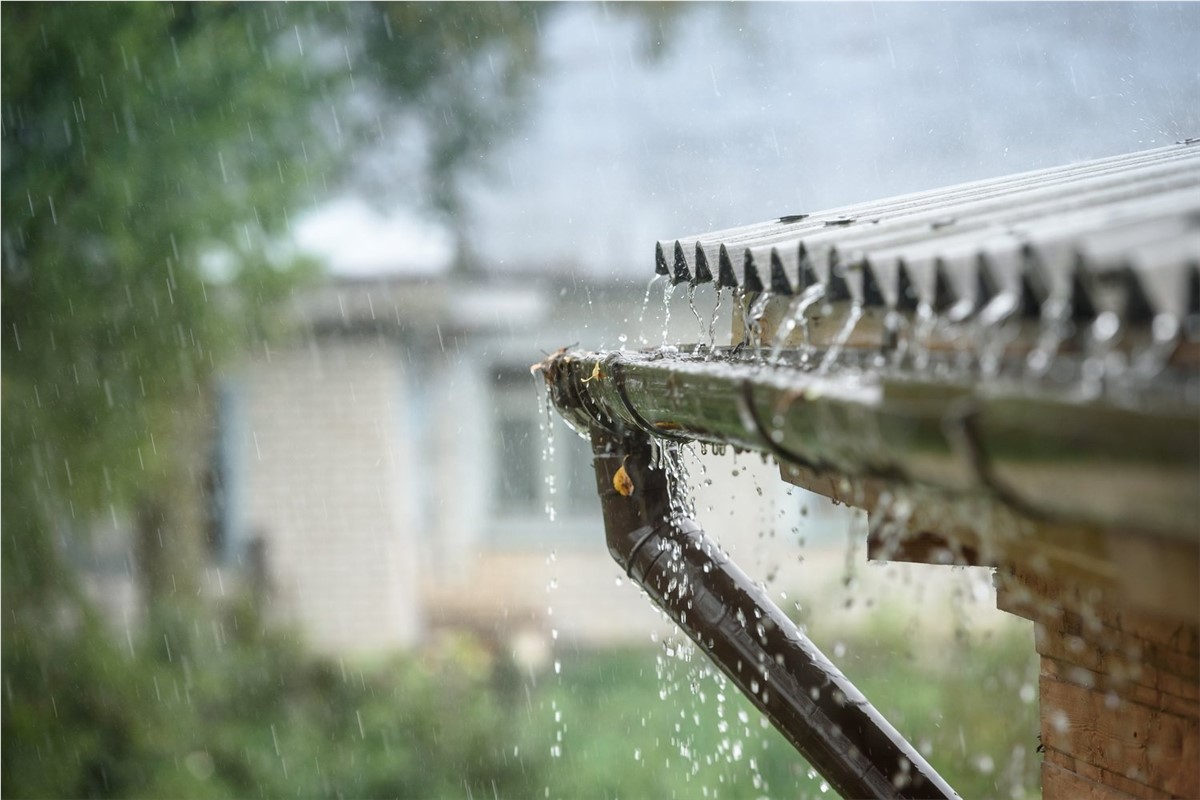
Gutters and downspouts are the drainage system for your roof. Their job is straightforward: collect rainwater as it flows off the roof surface and direct it away from the foundation of your home. When this system fails during an El Niño storm, the consequences extend well beyond the roof itself.
Clogged gutters cause water to pool along the roofline. That standing water backs up under shingles and tiles, saturating the underlayment and deck. It also overflows the gutter edge, pouring water directly against the fascia board, which is the vertical board mounted at the point where the roof meets the outer wall. Prolonged water contact with fascia leads to wood rot and creates entry points for pests.
Downspouts that discharge too close to the foundation allow water to pool against the base of the home. During heavy El Niño rainfall, this can contribute to foundation settling, crawl space flooding, and moisture intrusion through basement or slab-level walls.
Effective El Niño roof preparation includes several gutter-related steps:
- Removing all debris, especially leaves from nearby trees, from gutters and downspouts
- Checking gutter slope to confirm water flows toward downspouts rather than pooling in low spots
- Inspecting gutter seams and joints for leaks
- Verifying downspout extensions direct water at least four to six feet from the foundation
- Installing gutter guards if trees overhang the roofline heavily
In Southern California, where dry months allow debris to accumulate in gutters for extended periods, the first significant rain often overwhelms a clogged system. Many storm damage roof repair situations actually originate not from a failing roof surface but from a neglected gutter system that allowed water to back up into the roof structure.
Q: How often should gutters be cleaned before El Niño season?
A: Clean gutters at least twice before the rainy season: once in early fall to remove summer debris, and again just before the first predicted storms. Homes near trees with heavy leaf drop may need more frequent cleaning.
Waterproofing and Sealant: Your Last Line of Defense
A watertight roof depends on multiple layers working together. The surface material, whether asphalt shingles, concrete tiles, or clay tiles, sheds the majority of water. But sealant, caulking, and waterproof membranes at vulnerable joints and penetrations handle the water that surface materials alone cannot manage.
Every roof has penetrations: vent pipes, HVAC ducts, skylights, chimneys, and satellite dish mounts. Each penetration requires a sealant or boot, which is a fitted rubber or metal collar, to prevent water entry. Southern California’s UV intensity degrades these materials faster than in less sunny climates. Rubber boots crack. Sealant shrinks and separates. These failures are often the source of the first leak a homeowner notices during a storm.
For El Niño roof preparation, each penetration point should be inspected and resealed or re-booted as needed. In areas where roof planes meet walls, such as where a second story rises above a first-floor roofline, step flashing and kick-out flashing must be intact and properly sealed. These are common failure points that allow water to enter wall cavities, causing hidden damage that can go undetected for months.
Homeowners with flat or low-slope roofs, which are common in mid-century and modern Southern California architecture, face additional waterproofing considerations. These roofs rely on membrane systems or built-up roofing rather than gravity-assisted shedding. Any ponding, where water sits on the surface for more than 48 hours after rain, indicates a drainage problem that must be corrected before El Niño storms arrive.
How Preparation Prevents Costly Storm Damage Roof Repair
The financial case for El Niño roof preparation is straightforward. Preventive maintenance and targeted repairs cost a fraction of what emergency storm damage roof repair requires.
A typical roof repair for cracked flashing or a worn sealant boot might run a few hundred dollars. By contrast, storm damage that penetrates the roof deck and reaches interior spaces can quickly escalate. Water-damaged drywall, insulation replacement, mold remediation, and structural repairs to rotted framing can push costs into thousands or even tens of thousands of dollars.
Insurance considerations add another layer. Many homeowner insurance policies cover sudden and accidental damage but exclude damage resulting from deferred maintenance or gradual deterioration. If an adjuster determines that a leak resulted from long-neglected flashing or a gutter system that had not been maintained, the claim may be denied. Documentation of proactive maintenance, including a professional inspection report, strengthens your position if you do need to file a claim.
There is also the disruption factor. Emergency repairs during active storms are difficult to schedule. Roofing contractors are overwhelmed with calls. Temporary tarping may be the only option until weather clears. Meanwhile, your home remains vulnerable to ongoing water intrusion. Preparing ahead of time eliminates this scenario entirely.
August Roofing, with over 30 years of experience in Southern California, offers inspections and repairs with no deposit required. This approach removes a common barrier that causes homeowners to delay preparation until it is too late. If you would like to discuss your roof’s readiness, contact the team to schedule an evaluation.
When to Start Preparing Your Roof
The best time for El Niño roof preparation is during the dry months, ideally late summer through early fall. This window gives you several advantages.
First, roofing materials perform best when installed or repaired in dry, warm conditions. Sealants cure properly. Adhesives bond fully. Shingles seal to one another as designed. Repairs made during or just before rain are less reliable.
Second, contractor availability is higher in late summer. As the rainy season approaches, demand for roofing services spikes. Scheduling flexibility decreases, and wait times increase. Homeowners who call in November or December often face delays that leave their roof exposed during early storms.
Third, early preparation allows time for a phased approach if your roof needs multiple types of work. You can address the most critical vulnerabilities first, then handle lower-priority improvements over subsequent weeks.
Even if you are reading this during the rainy season, it is not too late to act. A professional inspection can identify active issues and prioritize emergency repairs to limit further damage until comprehensive work can be completed in better weather.
Your El Niño Roof Preparation Checklist
Use this summary checklist to ensure your roof system is ready for El Niño conditions:
- Schedule a professional roof inspection to assess surface materials, flashing, underlayment, and attic condition
- Verify attic ventilation meets code requirements and provides balanced intake and exhaust airflow
- Clean all gutters and downspouts and confirm proper slope and drainage direction
- Extend downspouts at least four to six feet from the foundation
- Inspect and reseal all roof penetrations including vent boots, skylight edges, and chimney flashing
- Check flat or low-slope roof areas for ponding and correct drainage deficiencies
- Trim tree branches that overhang the roof to reduce debris accumulation and impact risk during high winds
- Document all maintenance and repairs for insurance purposes
People Also Ask
How does El Niño affect Southern California homes?
El Niño brings above-average rainfall to Southern California, often in intense storm events. This increased rainfall exposes roof vulnerabilities created during the preceding hot, dry season, including cracked sealant, degraded underlayment, and clogged gutters, leading to leaks, water damage, and potential mold growth.
What roof maintenance should I do before a heavy rain season?
Before heavy rains, have your roof professionally inspected, clean all gutters and downspouts, reseal flashing and penetrations, check attic ventilation, and trim overhanging branches. These steps form the core of El Niño roof preparation and significantly reduce the risk of storm-related damage.
Can I inspect my roof myself before El Niño season?
You can perform a basic visual check from the ground using binoculars to spot missing shingles, visible flashing damage, or sagging gutters. However, many critical issues like underlayment degradation, small flashing gaps, and attic moisture are only detectable by a qualified roofer during a hands-on inspection.
Does homeowners insurance cover El Niño storm damage?
Most homeowners insurance policies cover sudden storm damage, such as wind-blown shingles or a tree falling on your roof. However, damage caused by deferred maintenance, such as a leak through long-neglected flashing, may be denied. Maintaining documentation of regular roof maintenance strengthens any claim.
Frequently Asked Questions
What is El Niño roof preparation?
El Niño roof preparation is a series of preventive maintenance steps designed to ensure your roof system can handle the extreme weather swings of an El Niño cycle. It includes inspection, ventilation assessment, gutter maintenance, waterproofing, and sealant repair. These steps are especially important in Southern California where dry heat followed by intense rain creates unique stress on roofing materials.
How much does El Niño roof preparation cost?
Costs vary depending on your roof’s size, material, and current condition. A professional inspection typically costs between $150 and $400. Targeted repairs such as flashing replacement or sealant work range from $200 to $800. These costs are minimal compared to the thousands of dollars that storm damage roof repair and interior water damage remediation can require.
How do I know if my roof is ready for El Niño storms?
The most reliable way to assess readiness is through a professional inspection. Signs that your roof may not be ready include visible shingle damage, rust or separation in flashing, granule accumulation in gutters indicating shingle wear, and any evidence of past leaks in your attic or ceilings. A qualified roofer can identify issues you cannot see from the ground.
Should I replace my roof before El Niño season?
Not necessarily. Many roofs need targeted repairs rather than full replacement. A professional inspection will determine whether your roof can be made storm-ready through maintenance and repairs or whether its age and condition warrant replacement. If your roof is nearing the end of its expected lifespan, replacing it before the rainy season prevents the risk of cascading failures during storms.
What is the most common cause of roof leaks during El Niño storms?
Failed flashing and degraded sealant around roof penetrations are the most common causes of storm-related leaks. These components deteriorate under Southern California’s intense UV exposure during dry months, then fail when heavy rain arrives. Regular El Niño roof preparation specifically targets these vulnerable points to prevent leaks before they start.
El Niño roof preparation is one of the most practical investments Southern California homeowners can make before the rainy season. The steps outlined above, from inspection to gutter maintenance to waterproofing, work together as a system to protect your home from preventable water damage. If you have questions about your roof’s condition or want to schedule a free inspection, reach out to August Roofing or call (805) 519-8099. With 30 years of experience across Southern California and no deposit required, the team can help you understand exactly what your roof needs and develop a clear plan to address it.