
Key Takeaways
- DIY roofing fails often stem from improper nail placement, missing underlayment, and incorrect shingle installation, all of which can lead to leaks and structural damage within months.
- In Southern California, roofing errors are amplified by Santa Ana winds, intense UV exposure, and wildfire-zone regulations that require specific materials and techniques.
- Professional roofing vs DIY is not just about skill. Licensed roofers carry liability insurance, pull permits, and ensure manufacturer warranties remain valid.
- Shingle nailing patterns must meet strict manufacturer specifications. Nails placed too high or too low can void the warranty entirely and leave your roof vulnerable.
- A professional roof inspection can catch hidden damage from a prior DIY attempt before it escalates into a far more expensive repair.
Quick Links
- Why DIY Roofing Fails Matter for Southern California Homeowners
- Shingles Sliding Off the Deck
- Nail Placement Errors That Cause Roof Leaks
- Why Shingle Quality and Nail Strip Design Matter
- The Hidden Costs of DIY Roofing Projects
- Professional Roofing vs DIY: What Actually Changes
- Southern California Climate Factors That Punish Roofing Mistakes
- People Also Ask
- Frequently Asked Questions
Why DIY Roofing Fails Matter for Southern California Homeowners
DIY roofing fails are more common than most homeowners realize, and the consequences go well beyond cosmetic issues. If you have ever noticed a ceiling stain after a rainstorm or watched shingles curl during a heat wave, there is a chance the root cause traces back to an installation error that seemed minor at the time.
Many homeowners consider handling their own roof repairs to save money. The logic makes sense on the surface. Shingles look straightforward. Nail guns are available at any hardware store. YouTube tutorials break the process into steps that seem manageable over a weekend.
But roofing is a system, not a single component. The deck, underlayment, flashing, ventilation, and shingles all work together. When one element is installed incorrectly, the failure often does not show up for months or even years, by which point the damage has compounded.
Our team at August Roofing recently reacted to a video that captured several textbook DIY roofing fails on a single home. Below, we break down what went wrong at each stage and explain the principles behind proper installation so you can evaluate your own roof with more confidence.
Shingles Sliding Off the Deck
One of the most alarming DIY roofing fails visible in the video is shingles that have physically slid out of position. This happens when shingles are not fastened to the roof deck at all, or when nails penetrate only the shingle material without reaching the plywood or OSB beneath.
A properly installed shingle is held in place by nails that pass through the shingle, penetrate the deck below, and sit within a specific zone called the nail line. This nail line is typically marked or indicated by the manufacturer on each shingle. When the nail misses the deck or is driven into a gap between decking boards, the shingle has no mechanical attachment to the roof structure.
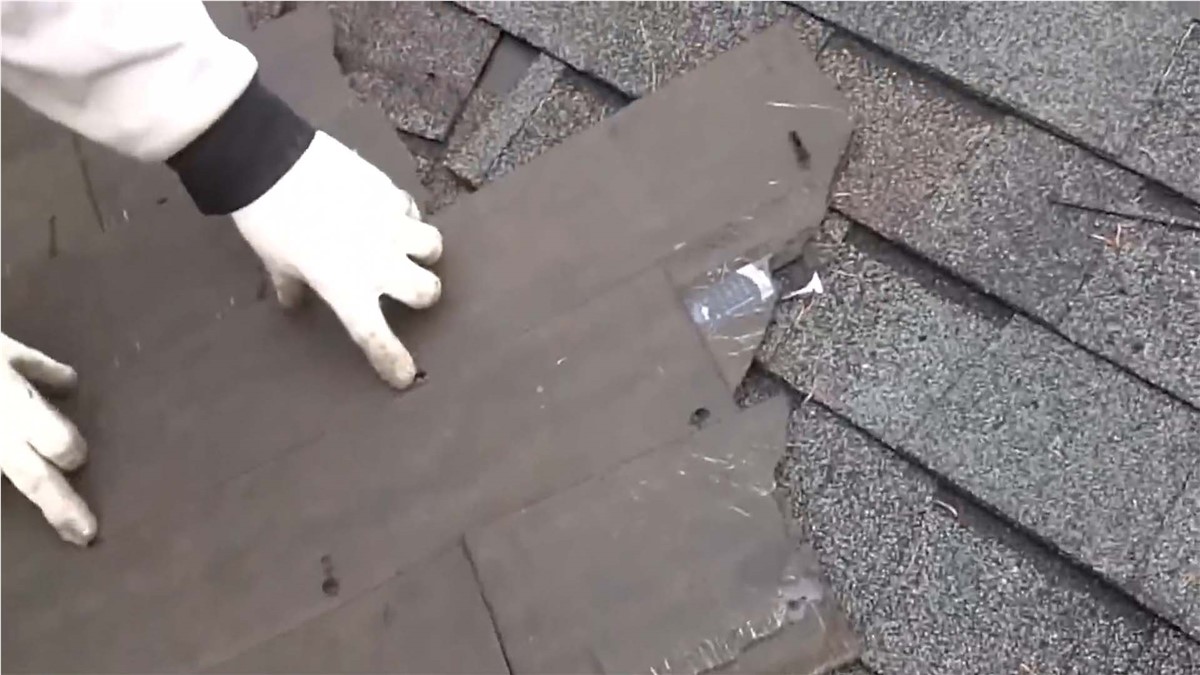
In Southern California, this type of error is especially dangerous during Santa Ana wind events. Wind speeds can exceed 60 mph in foothill and canyon areas, and a shingle that is not anchored to the deck will lift, fold, or tear away entirely. Once a single shingle displaces, the underlayment is exposed to UV radiation and rain, creating a direct path for water intrusion.
Q: Can a single missed nail really cause a shingle to slide?
A: Yes. Each shingle relies on a specific number of fasteners, typically four to six, placed within the manufacturer-designated nail zone. If even one nail misses the deck, wind uplift forces concentrate on the remaining fasteners, increasing the likelihood of displacement.
Nail Placement Errors That Cause Roof Leaks
Nail placement is one of the most critical and most frequently botched elements in DIY roofing fails. In the video, the inspecting roofer found nails positioned so high on the shingle that they completely missed the underlying shingle below. This means the nail penetrated only one layer of material instead of securing two overlapping shingles together.
Here is why that matters. Asphalt shingles are designed so that each course overlaps the one below it. The nails are supposed to pass through the top edge of the lower shingle and the nail line of the upper shingle simultaneously. This double-layer fastening creates a cohesive system where each shingle helps hold its neighbor in place.
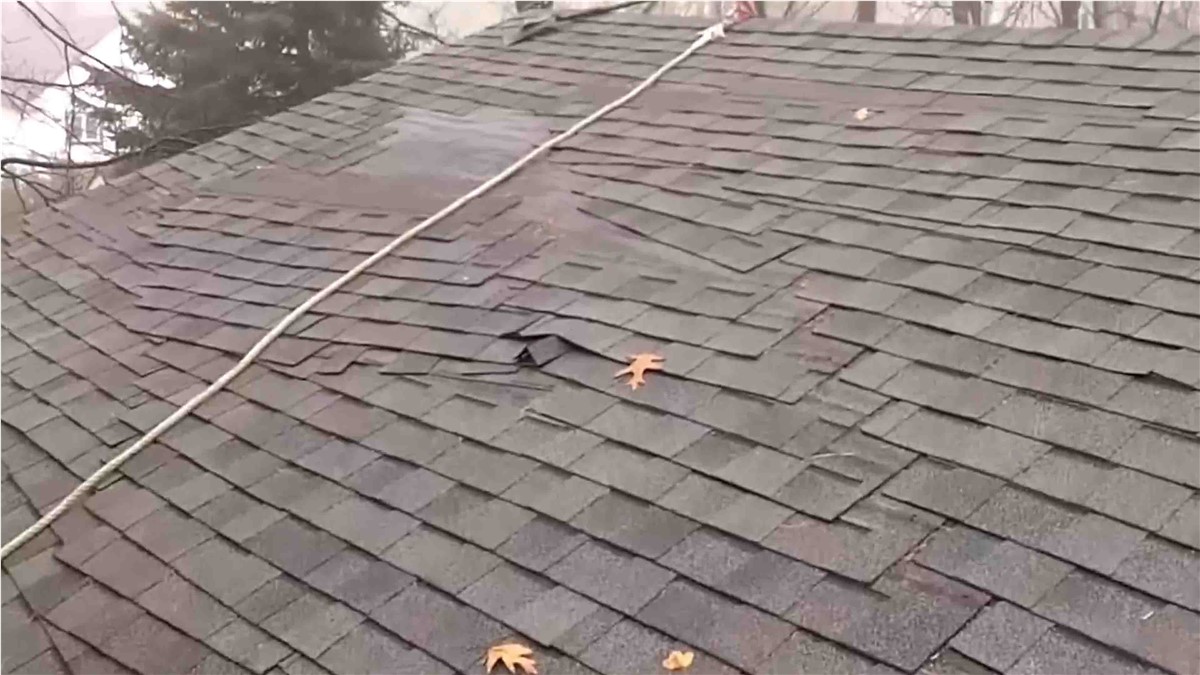
When a nail sits too high, it only grabs the upper shingle. The lower shingle is free to move. Water can wick along the nail shaft and penetrate the underlayment. Over time, this leads to deck rot, mold growth in the attic, and interior water damage.
According to the National Roofing Contractors Association (NRCA), improper fastener placement is one of the leading causes of premature roof failure in residential applications. The NRCA recommends following manufacturer specifications for nail placement, depth, and quantity on every single shingle.
Q: How do I know if my roof has nail placement issues?
A: You typically cannot see nail placement from the ground. A professional roof inspection involves lifting shingle tabs to check fastener position, depth, and pattern. This is the most reliable way to identify hidden nailing errors.
Why Shingle Quality and Nail Strip Design Matter
Not all shingles respond to nailing errors in the same way. The video highlights a key reason why product selection matters alongside installation technique.
Standard three-tab shingles have a narrow nail line. If the installer places the nail even a quarter inch too high or too low, it can miss the reinforced zone entirely. This leaves the fastener holding only loose asphalt and granules, which lack the tensile strength to resist wind uplift.
Architectural shingles, such as Owens Corning Duration shingles, address this vulnerability with a wider nail strip reinforced by a fiberglass mat. This broader target zone gives installers more margin for error. The fiberglass reinforcement also means the nail has more material to grip, improving pullout resistance even if placement is slightly off-center.
At August Roofing, we use Duration shingles as a standard option for residential projects across Southern California. With over 30 years of experience, our crews understand that product choice and installation precision are equally important. A high-quality shingle installed incorrectly will still fail. A well-installed shingle made from inferior materials will fail sooner.
The combination of a reinforced nail strip and correct fastener placement creates redundancy in the system. Redundancy is what separates a roof that lasts 25 years from one that starts leaking after the first heavy rain season.
The Hidden Costs of DIY Roofing Projects
One of the most common DIY roofing fails is not a single technical mistake but the cumulative effect of underestimating the project scope. Our project consultants have responded to calls from homeowners who started a roof replacement themselves and stopped halfway through because the work was more physically demanding, more technically complex, or more time-consuming than expected.
When a professional crew arrives to finish or correct a partial DIY job, the costs frequently exceed what a full professional installation would have been from the start. Here is why:
- Partially installed shingles often need to be removed entirely because they cannot be integrated into a code-compliant installation.
- The exposed deck may have sustained water damage during the time it sat unfinished.
- Permits were never pulled, which means the city or county building department may require additional inspections or corrections.
- Manufacturer warranties are void if installation was not performed by a certified contractor.
In California, roofing work that exceeds $500 in labor and materials requires a licensed C-39 roofing contractor. Performing the work yourself on your own home is legal, but it eliminates contractor liability coverage and may affect your homeowner’s insurance claim if damage occurs later.
Q: Will my homeowner’s insurance cover damage from a DIY roof installation?
A: It depends on your policy, but many insurers will deny claims for water damage or wind damage if they determine the roof was not installed by a licensed contractor or did not meet building code requirements. Review your policy carefully before starting any roofing work.
Professional Roofing vs DIY: What Actually Changes
The difference between professional roofing vs DIY extends beyond skill level. It is a difference in systems, accountability, and long-term protection.
A licensed roofing contractor brings several layers of protection that a DIY project cannot replicate:
- Permits and inspections: Professional roofers pull permits with the local building department. This triggers an inspection that verifies code compliance, including proper ventilation, flashing details, and fire-rated materials in wildfire zones.
- Manufacturer warranties: Most shingle manufacturers require installation by a certified contractor for the warranty to be valid. Owens Corning, GAF, and CertainTeed all have certified installer programs that unlock extended warranty coverage.
- Liability insurance: If a worker is injured on your property during a DIY project you are coordinating, you may be personally liable. Licensed contractors carry workers’ compensation and general liability insurance.
- Code compliance: California Title 24 energy standards and CAL FIRE regulations in wildfire-prone areas require specific materials and installation methods. A professional contractor stays current with these requirements.
August Roofing is fully licensed and certified, and we require no deposit to begin work. This structure exists because we believe homeowners should not carry financial risk before seeing results. It also reflects the confidence that comes from three decades of roofing and solar installations across Southern California.
Southern California Climate Factors That Punish Roofing Mistakes
Southern California’s climate is deceptively harsh on roofing systems. The region rarely sees the kind of heavy, sustained rainfall that homeowners in other parts of the country associate with roof damage. Instead, the threats are more varied and less obvious.
UV exposure: Southern California’s high UV index accelerates the breakdown of asphalt shingles. Granule loss, which is the first visible sign of shingle aging, happens faster here than in cloudy or northern climates. A shingle that is not properly seated or is missing nails will curl at the edges, exposing the asphalt mat to direct sunlight and shortening its lifespan dramatically.
Santa Ana winds: These dry, offshore wind events can produce sustained winds of 40 to 70 mph with gusts exceeding 90 mph in canyon and pass areas. A roof with even minor nail placement errors can lose multiple shingles in a single Santa Ana event. Once shingles are gone, the underlayment is exposed, and if the underlayment was also improperly installed, water can reach the deck within hours during a follow-up storm.
Wildfire zones: Homes in CAL FIRE-designated wildfire hazard severity zones are required to use Class A fire-rated roofing assemblies. This is not just about the shingle itself but the entire assembly, including the underlayment, deck, and edge details. DIY installers frequently overlook these requirements, which can result in code violations, failed inspections, and insurance complications.
Temperature cycling: Inland areas of Southern California routinely see daily temperature swings of 30 to 40 degrees Fahrenheit. This thermal cycling causes roofing materials to expand and contract. Improperly fastened shingles are more likely to develop gaps or cracks under these conditions.
People Also Ask
Is it worth it to DIY a roof?
For most homeowners, DIY roofing is not cost-effective when you account for the risk of voided warranties, potential code violations, and the likelihood of installation errors that lead to early failure. Professional installation typically costs more upfront but provides long-term value through proper technique, warranty coverage, and code compliance.
What is the most common roofing mistake?
Improper nail placement is the most frequently cited roofing installation error according to industry groups like the NRCA. Nails placed too high, too low, or driven at an angle compromise the shingle’s ability to resist wind uplift and prevent water intrusion.
Can I reroof my own house in California?
California law allows homeowners to perform roofing work on their own primary residence without a contractor’s license. However, permits are still required for most roofing projects, manufacturer warranties will likely be voided, and homeowner’s insurance coverage may be affected if the work does not meet building codes.
How long should a roof last in Southern California?
A properly installed asphalt shingle roof in Southern California typically lasts 20 to 30 years, depending on the shingle grade, ventilation, and UV exposure. Tile roofs can last 40 to 50 years or more. DIY roofing fails can reduce these lifespans significantly, sometimes to under 10 years.
Frequently Asked Questions
What are the most common DIY roofing fails?
The most common DIY roofing fails include improper nail placement, incorrect shingle alignment, missing or improperly installed underlayment, and inadequate flashing around roof penetrations like vents and chimneys. Each of these errors can lead to leaks, wind damage, or premature aging of the roofing system.
How can I tell if my roof was installed incorrectly?
Signs of improper installation include visible shingle misalignment, curling or buckling shingles, exposed nail heads, and water stains on interior ceilings or walls. A professional roof inspection is the most reliable way to identify installation defects that are not visible from the ground.
Do DIY roofing fails void the manufacturer warranty?
Yes. Nearly all major shingle manufacturers require installation by a certified contractor for warranty coverage to apply. If you install shingles yourself and experience a product or performance issue, the manufacturer will likely deny your warranty claim. This is one of the most overlooked risks of DIY roofing fails.
Why is professional roofing vs DIY recommended in Southern California?
Southern California’s combination of high UV exposure, Santa Ana winds, wildfire zone requirements, and seismic considerations makes professional roofing vs DIY the safer and more cost-effective choice. Licensed contractors understand regional building codes, carry proper insurance, and can secure manufacturer warranties that protect your investment.
How much does it cost to fix a DIY roofing mistake?
Fixing a DIY roofing mistake often costs more than the original professional installation would have. Partial tear-offs, deck repairs, permit corrections, and full re-installation can add 30 to 50 percent to the total project cost. If water damage has reached the interior, remediation costs increase further.
DIY roofing fails carry consequences that extend far beyond the roof surface. From voided warranties and code violations to hidden water damage and insurance complications, the risks outweigh the potential savings for most homeowners. If you are unsure about the condition of your roof or suspect a previous installation was not done correctly, the most practical next step is a professional evaluation. Contact August Roofing to schedule a free roof inspection. Our team has over 30 years of experience helping Southern California homeowners protect their homes, and we are happy to answer any questions you have about your roof’s current condition. You can also call us directly at (805) 519-8099.