
Key Takeaways
- The best roof types depend on your budget, local climate exposure, and long-term maintenance tolerance. Clay tile and concrete tile perform especially well in Southern California coastal and inland heat conditions.
- Asphalt shingles are the most affordable roofing option and last 20 to 30 years, while clay tile and slate roofs can last up to 100 years with proper care.
- Homeowners in wildfire-prone areas of Ventura County should prioritize Class A fire-rated materials that meet CAL FIRE ember-resistant roofing requirements.
- Roof weight, slope compatibility, and local building codes (including California Title 24 energy standards) all affect which roofing material is right for your home.
- Consulting with a licensed local roofer who understands Ventura County weather patterns is the most reliable way to match the right roof to your home.
Quick Links
- Why Choosing the Right Roof Matters in Ventura County
- Key Factors to Consider Before Choosing a Roof
- Asphalt Shingles: Affordable and Versatile
- Clay and Concrete Tile: Built for Southern California
- Slate Roofing: Maximum Longevity
- Synthetic Slate: A Modern Alternative
- How Long Does a Roof Last by Material?
- Fire Ratings and Wildfire Safety in Ventura County
- Choosing the Best Roof Types for Ventura County Homes
- People Also Ask
- Frequently Asked Questions
Why Choosing the Right Roof Matters
Choosing the best roof types for Ventura County homes is one of the most consequential decisions you will make as a homeowner. The wrong material can lead to premature failure, expensive repairs, and poor energy performance under Southern California’s demanding climate conditions.
If you have been searching for a new roof and feel overwhelmed by the options, you are not alone. Between conflicting advice online, wide price ranges, and confusing terminology, many homeowners in Oxnard, Thousand Oaks, Camarillo, and Simi Valley struggle to figure out which material actually makes sense for their specific home. The stakes are high because a roof is not just a cosmetic feature. It is a structural system that protects everything underneath it.
This guide breaks down the most common residential roofing materials, explains how each one performs in the Ventura County climate, and helps you narrow your choices based on cost, durability, fire safety, and how long each roof lasts.
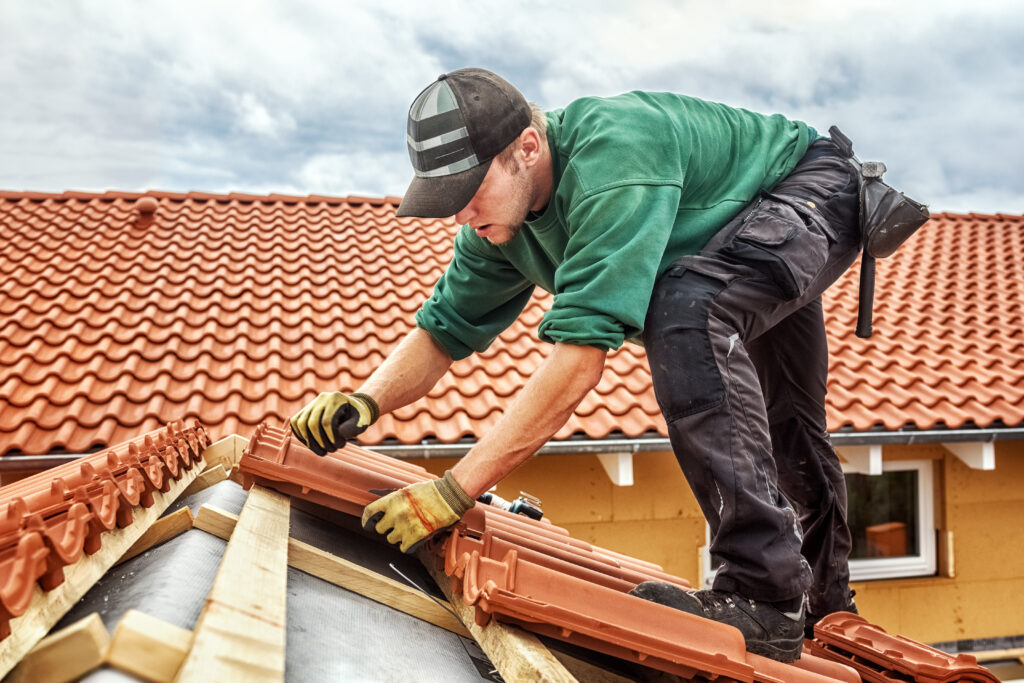
Key Factors to Consider Before Choosing the Best Roof Types for Ventura County
Before comparing specific materials, it helps to understand the core factors that determine which roof will perform best on your home. Every roofing material has trade-offs. The goal is to match those trade-offs to your priorities.
Cost and Budget
Roofing costs vary significantly by material. Asphalt shingles are the least expensive option, while natural slate and high-end tile are among the most costly. However, the cheapest upfront option is not always the cheapest over time. A roof that lasts 50 years may cost less per year than one that needs replacement after 20.
Climate and Weather Resistance
Ventura County presents a specific set of weather challenges. Coastal cities like Ventura and Oxnard deal with salt air and marine layer moisture. Inland areas like Simi Valley and Moorpark experience intense summer heat that can exceed 100 degrees. The entire county faces Santa Ana wind events and wildfire risk, especially in hillside and canyon neighborhoods.
Your roofing material needs to handle these conditions without cracking, warping, or degrading prematurely.
Roof Slope and Structural Load
Not every material works on every roof shape. Tile and slate are heavy. Your home’s framing, also called the roof deck and truss system, must be engineered to support the weight. A structural assessment is essential before installing any heavy roofing material. Lighter materials like asphalt shingles or synthetic slate work on a wider range of roof slopes and structures.
Building Codes and Title 24
California’s Title 24 energy standards set requirements for roof reflectivity (cool roof ratings) that affect which products you can install, particularly in new construction and reroofing projects. Ventura County also falls within areas where CAL FIRE ember-resistant roofing requirements may apply depending on your fire hazard severity zone.
Q: Do I need a permit to replace my roof in Ventura County?
A: Yes. Ventura County and most of its incorporated cities require a building permit for roof replacement. The permit process ensures the work meets local building codes, including fire rating and structural requirements.
Q: What is a cool roof, and does California require one?
A: A cool roof uses materials with high solar reflectance to reduce heat absorption. Under Title 24, California requires certain cool roof standards for steep-slope residential roofing in climate zones that include parts of Ventura County.
Asphalt Shingles: Affordable and Versatile
Asphalt shingles are the most commonly installed residential roofing material in the United States. They are popular because they offer a reasonable balance of cost, appearance, and performance across a range of climates.
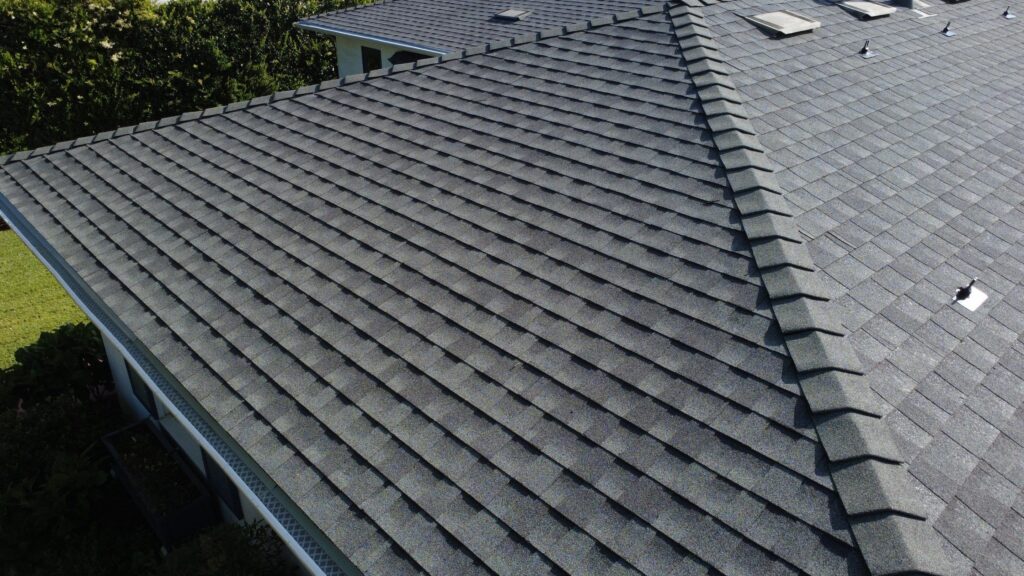
A standard three-tab asphalt shingle roof is the least expensive option for most homeowners. Architectural shingles (also called dimensional or laminate shingles) cost slightly more but offer better wind resistance and a more textured appearance. Both types are available in a wide variety of colors.
Performance in Ventura County
Asphalt shingles perform adequately in Ventura County, but they are more vulnerable to UV degradation than tile or slate. The high UV index in Southern California accelerates the breakdown of the asphalt binder, which is the petroleum-based coating that makes the shingle waterproof. This means asphalt shingles in Ventura County tend to age faster than they would in cooler, cloudier climates.
For homes in Camarillo, Newbury Park, or Thousand Oaks, asphalt shingles can be a practical choice if budget is a primary concern and you are comfortable with a shorter lifespan.
How Long Do Asphalt Shingles Last?
Standard three-tab asphalt shingles typically last 15 to 20 years. Architectural shingles can last 25 to 30 years under favorable conditions. In Southern California, where UV exposure is high year-round, expect performance toward the lower end of those ranges unless the roof has good ventilation and the shingles are rated for high-UV environments.
Clay and Concrete Tile: Built for Southern California
Clay and concrete tile roofs are arguably the best roof types for Ventura County when factoring in climate fit, longevity, and fire resistance. They are the signature roofing material across Southern California for a reason. Tile handles heat, UV exposure, and salt air better than almost any other residential roofing product.
Clay Tile
Traditional clay tile is made from natural clay fired at high temperatures. It is naturally resistant to fading, rot, and insect damage. Clay tile has excellent thermal mass, meaning it absorbs heat slowly and releases it slowly. This reduces the cooling load on your home during hot Simi Valley and Moorpark summers.
The main drawback of clay tile is weight. A clay tile roof can weigh 600 to 1,100 pounds per 100 square feet (called a roofing square). The home’s structure must be capable of supporting this load.
Concrete Tile
Concrete tile is a more affordable alternative to clay. It is made from a mixture of Portland cement, sand, and water, molded into shapes that mimic clay, slate, or wood shake profiles. Concrete tile is slightly heavier than clay but shares many of the same performance characteristics, including strong fire resistance and durability in coastal environments.
How Long Do Tile Roofs Last?
Both clay and concrete tile roofs can last 50 to 100 years. The tiles themselves often outlast the underlayment beneath them. A common maintenance task for tile roofs is replacing the underlayment at the 30- to 40-year mark while reusing the original tiles. This is significantly less expensive than a full roof replacement.
Q: Are tile roofs good for homes near the coast in Ventura or Oxnard?
A: Yes. Clay and concrete tile resist salt air corrosion, making them an excellent choice for coastal Ventura County homes. They also handle marine layer moisture without developing the mold issues common with some other materials.
Slate Roofing: Maximum Longevity
Natural slate is a metamorphic rock that has been used as a roofing material for centuries. It is waterproof, fireproof, and resistant to mold, rot, and insect damage. Slate is one of the longest-lasting roofing materials available for residential use.
Advantages of Slate
Slate offers unmatched durability. A properly installed slate roof can last 75 to 100 years or more. It requires minimal maintenance beyond periodic inspection and occasional replacement of cracked individual tiles. Slate also has a distinctive appearance that many homeowners value for its natural beauty.
Drawbacks of Slate
Slate is among the most expensive roofing materials. It is also extremely heavy, often exceeding 800 pounds per roofing square. Many homes in Ventura County were not framed to support this weight, which means structural reinforcement may be necessary before installation. Slate is also brittle. Walking on a slate roof can crack individual tiles, which makes maintenance and future work (such as solar panel installation) more complicated.
Because of the cost and structural requirements, slate is relatively uncommon in Ventura County residential construction. However, for homeowners with the budget and the right home structure, it remains one of the highest-performing options.
Synthetic Slate: A Modern Alternative
Synthetic slate is an engineered roofing product designed to replicate the appearance of natural slate without the extreme weight and fragility. Most synthetic slate products are made from a combination of recycled rubber, plastic polymers, and other composites.
Performance Characteristics
Synthetic slate is substantially lighter than natural stone, typically weighing about 50 to 75 percent less. This means it can be installed on most standard roof structures without reinforcement. It is also more impact-resistant than natural slate, which makes it less prone to cracking during installation or maintenance.
High-quality synthetic slate products carry Class A fire ratings and can withstand high winds, making them suitable for areas subject to Santa Ana wind events. Many products also resist UV fading, which is an important consideration under the Ventura County sun.
How Long Does Synthetic Slate Last?
Synthetic slate roofs typically last 40 to 60 years. Most manufacturers offer warranties in the 50-year range. This is comparable to natural slate in practical terms, especially when factoring in the lower maintenance requirements.
Q: Is synthetic slate more expensive than asphalt shingles?
A: Yes. Synthetic slate costs significantly more than asphalt shingles upfront, but its longer lifespan and lower maintenance needs often make it more cost-effective over the life of the roof.
How Long Does a Roof Last by Material?
One of the most common questions homeowners ask is how long does a roof last. The answer depends entirely on the material, the quality of installation, and the local climate. Here is a summary of expected lifespans for each major roofing type in Southern California conditions.
- Asphalt shingles (3-tab): 15 to 20 years
- Asphalt shingles (architectural): 25 to 30 years
- Concrete tile: 50 to 75 years
- Clay tile: 75 to 100 years
- Natural slate: 75 to 100+ years
- Synthetic slate: 40 to 60 years
These figures assume professional installation and routine maintenance. In Ventura County, UV exposure and Santa Ana winds are the two biggest factors that reduce roof lifespan compared to national averages. A roof that might last 30 years in the Pacific Northwest may only last 20 to 25 years here.
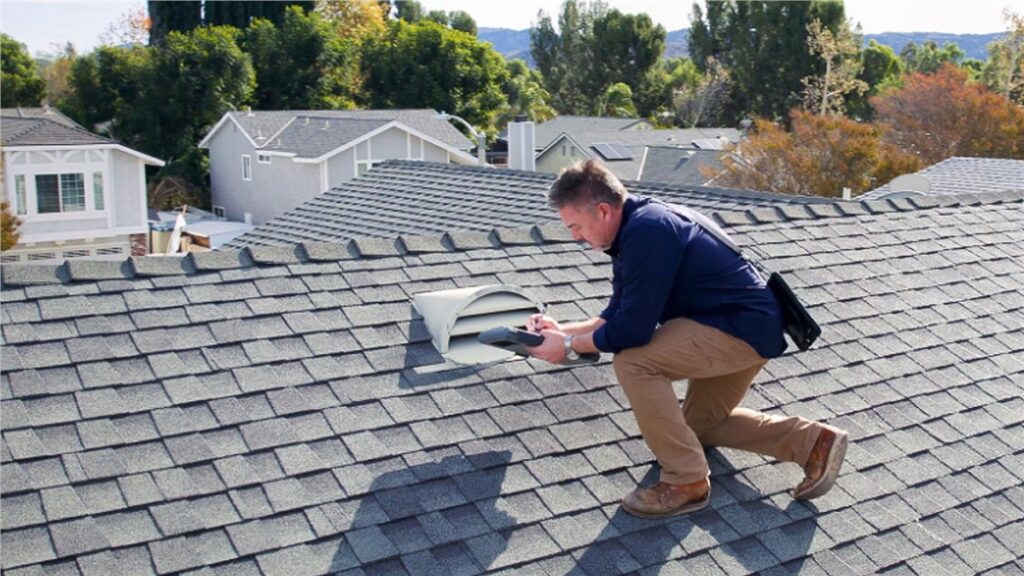
Regular roof inspections help catch minor issues like cracked tiles, lifted shingles, or deteriorating flashing before they become costly problems. August Roofing and Solar, with over 30 years of experience in Ventura County, recommends inspection every two to three years or after any major Santa Ana wind event.
Fire Ratings and Wildfire Safety for Best Roof Types in Ventura County
Wildfire safety is not optional in Ventura County. The 2017 Thomas Fire and subsequent events made it clear that roofing material choices directly affect a home’s survivability during a wildfire event.
Understanding Roof Fire Ratings
Roofing materials are rated by their fire resistance on a scale from Class A (most resistant) to Class C (least resistant). Class A materials can withstand severe fire exposure and are required in many Ventura County fire hazard severity zones.
- Class A: Concrete tile, clay tile, slate, synthetic slate, and certain fiberglass-based asphalt shingles
- Class B: Some treated wood shakes (less common today)
- Class C: Untreated wood shakes (generally not code-compliant in Ventura County)
If your home is in a designated Very High Fire Hazard Severity Zone (VHFHSZ), California law requires you to use CAL FIRE-approved roofing assemblies that include Class A rated materials and ember-resistant designs. This applies to new construction and reroofing projects.
Which Materials Offer the Best Fire Protection?
Clay tile, concrete tile, and natural or synthetic slate all carry Class A fire ratings inherently. They do not rely on chemical treatments that can degrade over time. This makes them the preferred roofing materials for homes in fire-prone areas near Thousand Oaks, Moorpark, and the hillside communities throughout Ventura County.
Asphalt shingles can also achieve Class A ratings, but the fire resistance depends on the specific product and the underlayment system used beneath it. Not all asphalt shingles are Class A. Verify the fire rating on any shingle product before purchasing.
Choosing the Best Roof Types for Ventura County: A Practical Framework
There is no single best roofing material for every home. The right choice depends on your budget, your home’s structural capacity, your neighborhood’s fire zone classification, and how long you plan to stay in the home.
If Budget Is Your Top Priority
Asphalt shingles offer the lowest upfront cost and work on virtually any roof structure. Choose architectural shingles over three-tab for better wind resistance and a longer lifespan. Budget for replacement in 20 to 25 years.
If Longevity Is Your Top Priority
Clay tile or natural slate will give you the longest service life. Both can last 75 to 100 years. Make sure your home’s framing can support the weight before committing to either material.
If You Want the Best Overall Value for Southern California
Concrete tile is often the best balance of cost, durability, fire safety, and climate suitability for Ventura County homes. It costs less than clay or slate, lasts 50 to 75 years, carries a Class A fire rating, and handles UV exposure and coastal conditions well.
If You Want a Lightweight Premium Option
Synthetic slate provides near-slate aesthetics and longevity without the extreme weight. It is a strong option for homes that cannot structurally support natural tile or slate.
August Roofing and Solar is licensed, certified, and requires no deposit to begin work. If you are unsure which material fits your home, a professional roof inspection is the best starting point. An experienced roofer can evaluate your roof structure, local fire zone requirements, and overall condition to help narrow your options.
People Also Ask
What is the most popular roof type in Southern California?
Concrete and clay tile are the most popular roofing materials in Southern California. They handle heat, UV exposure, and salt air well and carry Class A fire ratings. Asphalt shingles are also common due to their lower cost.
What type of roof lasts the longest?
Natural slate and clay tile roofs last the longest, with lifespans of 75 to 100 years or more when properly maintained. Concrete tile can last 50 to 75 years, and synthetic slate typically lasts 40 to 60 years.
Is a tile roof worth the extra cost?
For most Ventura County homeowners, yes. Tile roofs cost more upfront but require less frequent replacement and offer superior fire resistance. Over a 50-year period, tile often costs less per year than asphalt shingles when factoring in replacements.
Do I need a fire-rated roof in Ventura County?
If your home is in a designated fire hazard severity zone, California law requires Class A fire-rated roofing materials. Even if your home is not in a designated zone, choosing fire-rated materials is a practical safety measure given Ventura County’s wildfire history.
Frequently Asked Questions
What are the best roof types for Ventura County homes?
The best roof types for Ventura County homes include concrete tile, clay tile, and synthetic slate. These materials handle the region’s high UV index, Santa Ana winds, and wildfire risk better than most alternatives. Asphalt shingles are a viable budget option but have a shorter lifespan in Southern California conditions.
How long does a roof last in Southern California?
How long does a roof last depends on the material. Asphalt shingles last 15 to 30 years, concrete tile lasts 50 to 75 years, and clay tile or slate can last 75 to 100 years. UV exposure and wind events in Ventura County tend to reduce lifespans compared to national averages.
What is the most affordable roofing material for Ventura County?
Asphalt shingles are the most affordable roofing material available. Three-tab shingles have the lowest upfront cost, while architectural shingles offer better durability for a moderate price increase. Both are widely available and compatible with most roof structures.
Are tile roofs better than shingles for the best roof types in Ventura County?
Tile roofs outperform asphalt shingles in nearly every category relevant to Ventura County, including fire resistance, UV durability, and lifespan. The main advantage of shingles is lower upfront cost. For homeowners planning to stay in their home long-term, tile is generally the stronger investment.
How do I know which roofing material my home can support?
A licensed roofing contractor can assess your home’s framing and roof deck to determine its load-bearing capacity. Heavy materials like clay tile and natural slate require robust structural support. If your home cannot support them, lighter alternatives like asphalt shingles or synthetic slate are appropriate options. Contact a local professional for a free assessment.
Selecting the best roof types for Ventura County comes down to understanding your home’s structural needs, your local fire zone classification, and your long-term budget. Whether you are leaning toward the affordability of asphalt shingles or the century-long performance of clay tile, the right starting point is always a professional evaluation of your existing roof. If you would like guidance specific to your home, schedule a free roof inspection with August Roofing and Solar or call (805) 519-8099. We are happy to walk you through your options with no pressure and no deposit required.