
Key Takeaways
- Roof replacement services in Southern California must account for Class A fire ratings, Title 24 energy standards, and local permit requirements before any work begins.
- Clay tile, concrete tile, metal, and fiberglass-reinforced asphalt shingles all perform well in Southern California’s high-UV, high-heat climate, but each material carries different lifespan, weight, and roof replacement cost Southern California homeowners should compare.
- Skipping permits on a roof replacement can void your insurance, trigger fines, and complicate future home sales.
- The 50% rule in California means that replacing more than half your roof within one year forces the entire roof to meet current building codes.
- Bundling roof replacement with solar panel installation can reduce project disruption and lower combined costs when coordinated by a single contractor.
Quick Links
- Why Roof Replacement Decisions Matter Before You Spend a Dollar
- Material Selection for Southern California’s Climate
- What Fire Ratings Mean for Your Roof Replacement
- Permits and Code Compliance for Roof Replacement Services
- Title 24 Energy Standards and Your Roof
- Why Professional Installation Determines Roof Longevity
- Timing Your Replacement to Save Money
- Warranties Vary Widely Between Contractors and Materials
- Comparison Table: Roofing Materials for Southern California
- People Also Ask
- Frequently Asked Questions
Why Roof Replacement Decisions Matter Before You Spend a Dollar
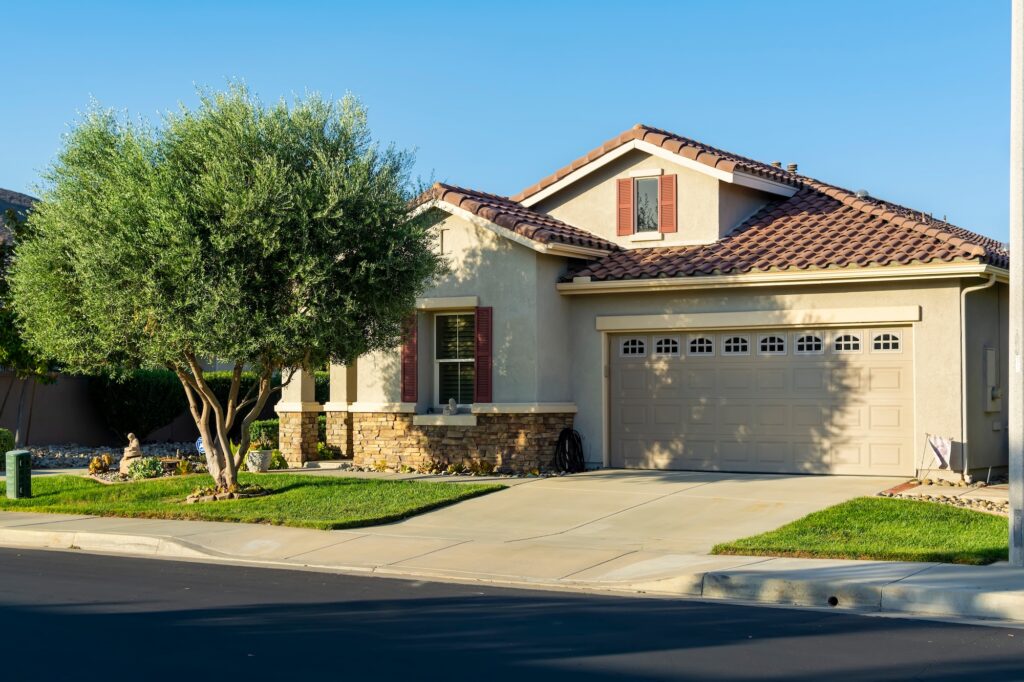
Roof replacement services represent one of the largest single investments you will make as a Southern California homeowner. Yet many homeowners start this process without understanding fire code requirements, permit triggers, or how material choice affects long-term roof replacement cost Southern California conditions impose. The result is unexpected expenses, code violations, or a roof that underperforms within a decade.
This guide breaks down seven facts drawn from real-world experience with Southern California’s climate, building codes, and roofing materials. Each fact is designed to help you make a confident, informed decision before signing a contract. August Roofing and Solar has completed thousands of roof replacements across Southern California over 30 years, and these are the issues that matter most.
Material Selection for Southern California’s Climate
The right roofing material depends on your home’s structural capacity, your fire zone designation, and your long-term budget. Southern California’s combination of intense UV exposure, Santa Ana winds, and wildfire risk narrows the field compared to other regions. Not every material that works in the Midwest performs well here.
Clay and Concrete Tile
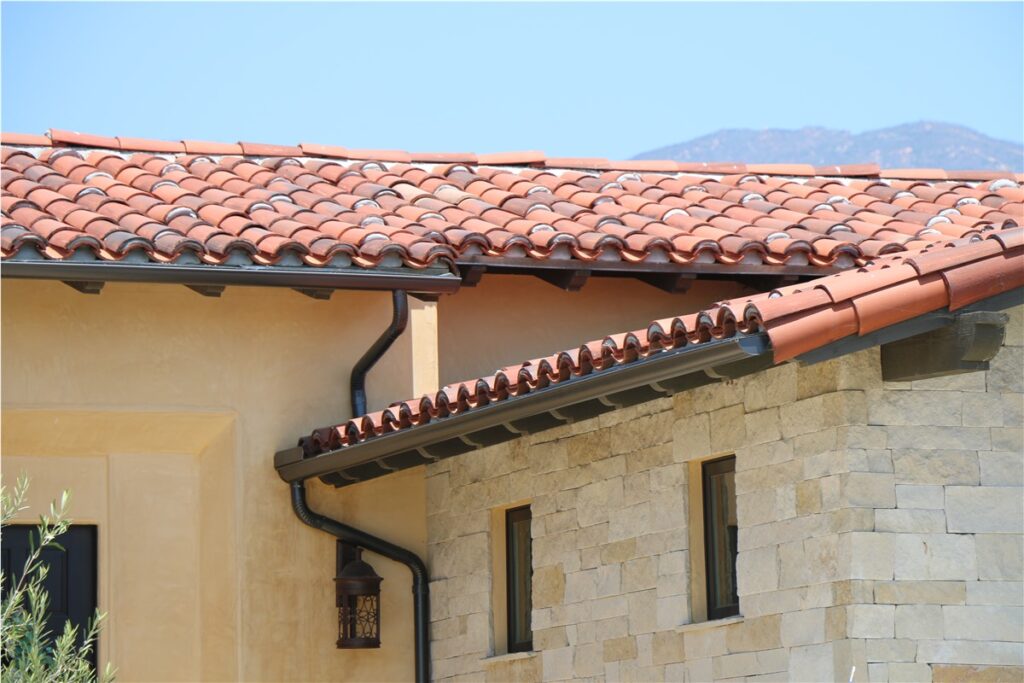
Clay and concrete tiles dominate Southern California rooflines for good reason. Clay tiles last 50 years or more. Concrete tiles offer similar durability at lower initial cost. Both achieve Class A fire ratings without chemical treatments, and their curved profiles create air channels beneath the surface that passively cool your roof deck.
The tradeoff is weight. Tile roofs weigh significantly more than asphalt or metal systems. Some older homes need structural reinforcement before tile installation, which adds to the roof replacement cost Southern California homeowners should plan for.
Metal Roofing
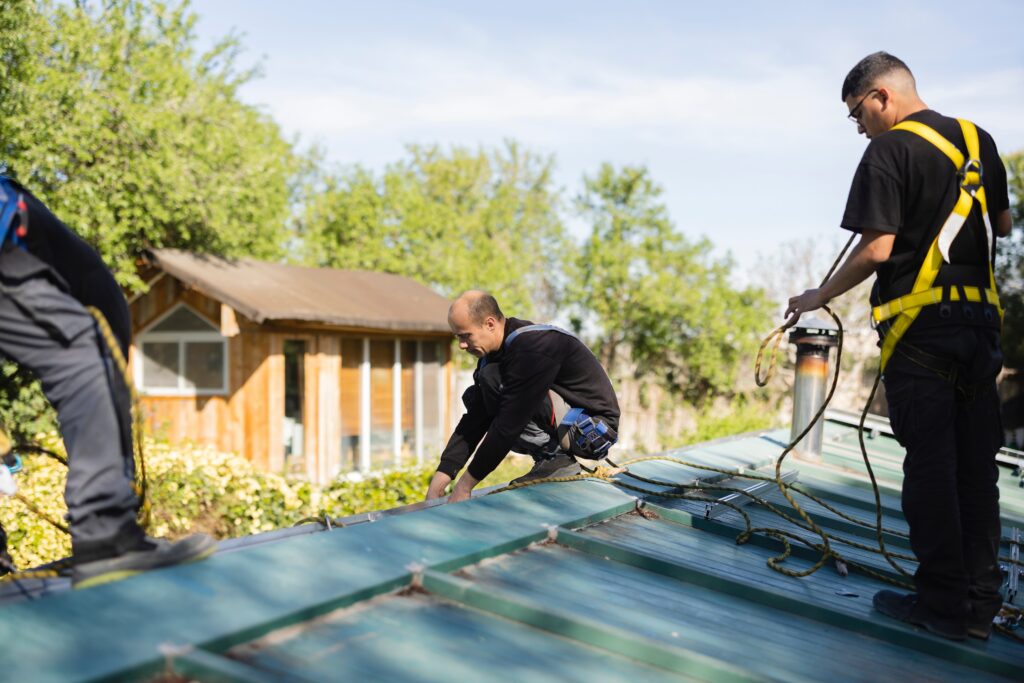
Modern metal roofs come in profiles that replicate tile, slate, and wood shake. Aluminum and steel options resist corrosion, making metal a practical choice for coastal areas where salt air degrades other materials. Metal roofs typically last 40 to 70 years, reflect solar radiation efficiently, and weigh far less than tile.
Standing seam panels accommodate thermal expansion, an important consideration given Southern California’s temperature swings between day and night. Metal achieves Class A fire ratings and meets California’s cool roof reflectance standards.
Asphalt Shingles
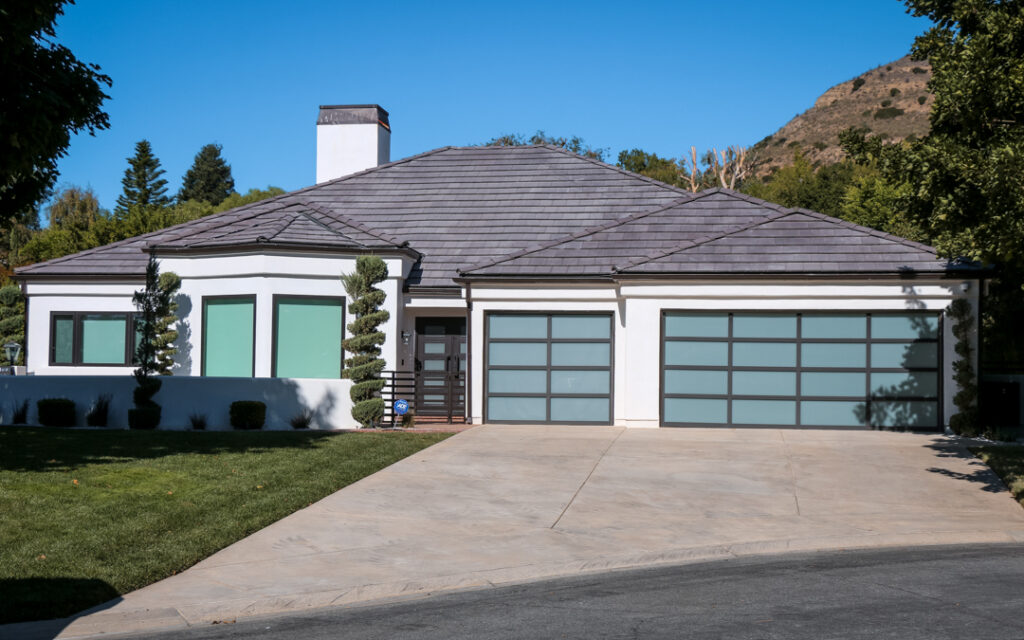
Asphalt shingles remain the most affordable option and come in three-tab, dimensional, and luxury grades. Fiberglass-reinforced versions achieve Class A fire ratings. However, intense UV exposure in Southern California accelerates aging, meaning proper attic ventilation and quality underlayment directly affect how long asphalt shingles last. Expect 20 to 25 years from a well-installed asphalt roof.
Q: Are asphalt shingles a bad choice for Southern California?
A: Not necessarily. Fiberglass-reinforced asphalt shingles with Class A fire ratings perform adequately in many areas. The key is choosing a premium grade, ensuring proper ventilation, and understanding you will replace them sooner than tile or metal.
Slate Roofing
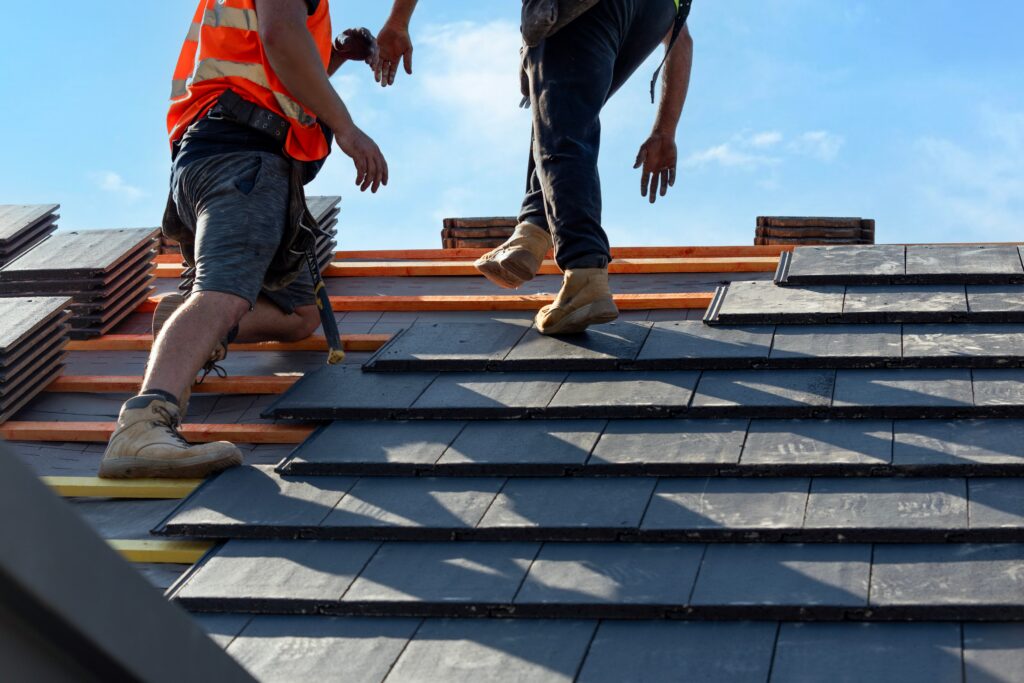
Natural slate can last 75 to 200 years. It is naturally fire-resistant, maintains its color indefinitely, and requires no coatings or treatments. Slate suits historic homes or homeowners who want a material they will never replace again. The investment is substantial, and the weight requires structural verification before installation.
Synthetic Roofing
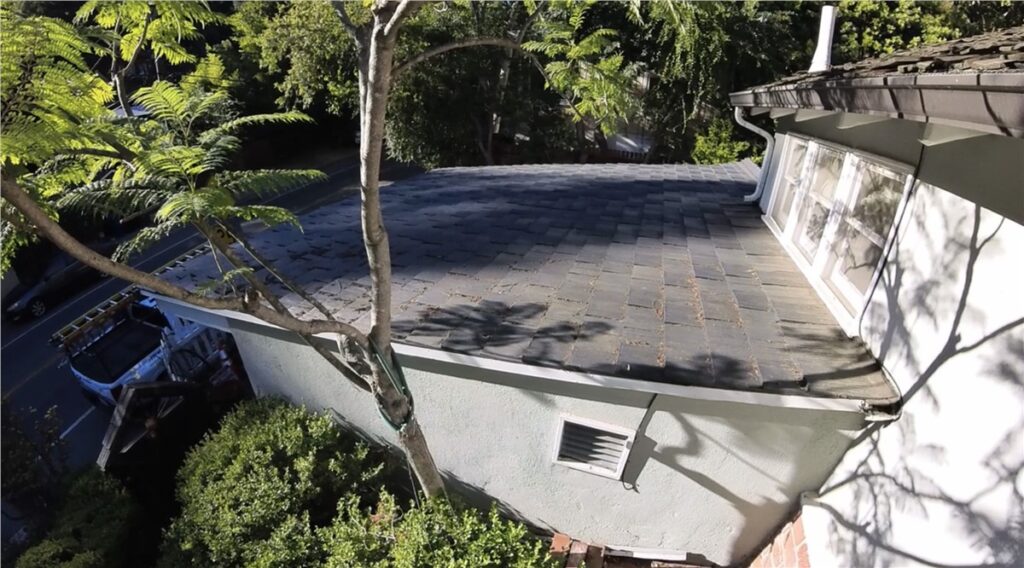
Polymer composites replicate the look of slate, shake, or tile at a fraction of the weight. Many synthetic products achieve Class A fire ratings and carry 50-year warranties. These materials work well on homes that cannot support heavy tile or stone. Quality varies between manufacturers, so verify testing certifications before committing.
Wood Shakes
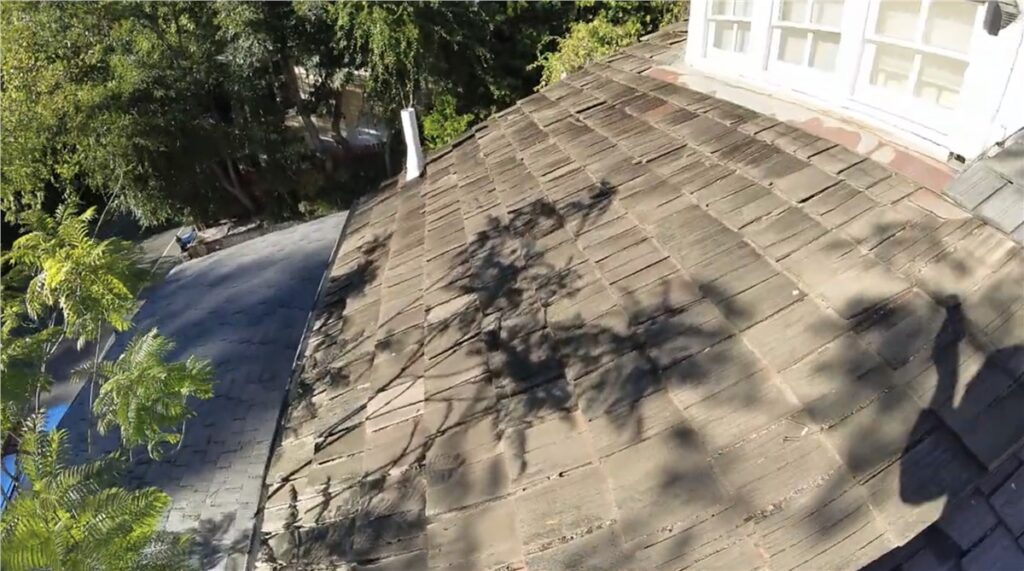
Cedar shakes are prohibited in most Southern California communities mapped as High or Very High Fire Hazard Severity Zones. Even fire-retardant-treated wood does not meet current California building codes in these areas. Homeowners who want the wood aesthetic should consider synthetic alternatives that replicate the look with Class A fire ratings.
What Fire Ratings Mean for Your Roof Replacement
California requires Class A fire-rated roof assemblies for homes in mapped Fire Hazard Severity Zones. Class A is the highest fire-resistance classification, tested under ASTM E108 and UL 790 standards for flame spread, intermittent flame exposure, and burning brand resistance. As of January 2026, these requirements extend to High and Very High zones inside city limits that were previously exempt.
According to CAL FIRE, your roof is one of the most vulnerable components during a wildfire because of its large surface area and direct exposure to windborne embers. Common Class A materials include fiberglass-reinforced asphalt shingles, concrete and clay tile, metal roofing, and slate.
Beyond the roof covering itself, ember-resistant vents are now required. Roof, ridge, eave, and gable vents must meet ASTM E2886 ember-intrusion standards. Any contractor providing roof replacement services should verify your property’s fire zone designation and ensure every component of the roof assembly meets current code.
Q: How do I find out if my home is in a fire hazard zone?
A: You can check your property’s fire zone status through CAL FIRE’s Fire Hazard Severity Zone map or contact your local building department. Your roofing contractor should also verify this before specifying materials.
Permits and Code Compliance for Roof Replacement Services
Most full roof replacements in California require a building permit. Under the California Residential Code, roofing work that affects more than 10 percent of the total roof surface, involves structural changes, or modifies the roof deck triggers permit requirements. Skipping this step can result in fines, failed home inspections during resale, and voided insurance claims.
The 50 percent rule is especially important. If more than 50 percent of your total roof area is replaced or recovered within a one-year period, the entire roof must be brought into compliance with current codes. That includes Class A fire ratings in fire zones and Title 24 energy efficiency standards across all of Southern California.
A qualified contractor handles permit applications, required inspections, and final sign-off as a standard part of the project. This documentation proves your roof meets current codes, which becomes valuable when selling your home or renewing homeowner’s insurance.
Title 24 Energy Standards and Your Roof
California’s Title 24 Building Energy Efficiency Standards apply to every roof replacement project. These standards set minimum requirements for roof reflectance and thermal emittance, commonly known as “cool roof” standards. The goal is to reduce heat absorption, lower cooling costs, and decrease overall energy demand on the grid.
For steep-slope roofs (the most common residential type), Title 24 requires a minimum aged solar reflectance of 0.20 and thermal emittance of 0.75, or a minimum Solar Reflectance Index (SRI) of 16. Materials like cool-rated asphalt shingles, tile, metal, and certain synthetics meet these thresholds. Your contractor should specify materials that comply and document compliance for the permit file.
Meeting Title 24 can also reduce your cooling bills. According to the U.S. Department of Energy, cool roofs can lower roof surface temperatures by up to 50 degrees Fahrenheit, reducing the workload on your air conditioning system during Southern California’s hottest months.
Why Professional Installation Determines Roof Longevity
The best roofing material installed incorrectly will fail before a mid-grade material installed by a skilled crew. Proper installation involves more than laying shingles or setting tiles. It includes verifying the structural deck, installing the correct underlayment system, sealing penetrations around vents and pipes, and ensuring adequate attic ventilation to prevent moisture buildup.
In Southern California, installation details that matter most include:
- Proper flashing at roof-to-wall transitions to handle wind-driven rain
- Adequate ventilation to prevent heat buildup that degrades shingles from below
- Correct tile-setting techniques that account for thermal expansion
- Ember-resistant vent installation in fire zones
August Roofing and Solar uses dedicated installation crews rather than subcontracted labor. As an Owens Corning Platinum Preferred Contractor and Tile Roofing Institute certified installer, their teams are trained in both manufacturer-specific techniques and California code requirements. This matters because warranty coverage often depends on certified installation.
Q: Does it matter whether a contractor uses their own crew or subcontractors?
A: Yes. Dedicated crews receive consistent training, follow internal quality standards, and are directly accountable to the contractor. Subcontracted labor introduces variability in skill level and oversight that can affect your roof’s long-term performance.
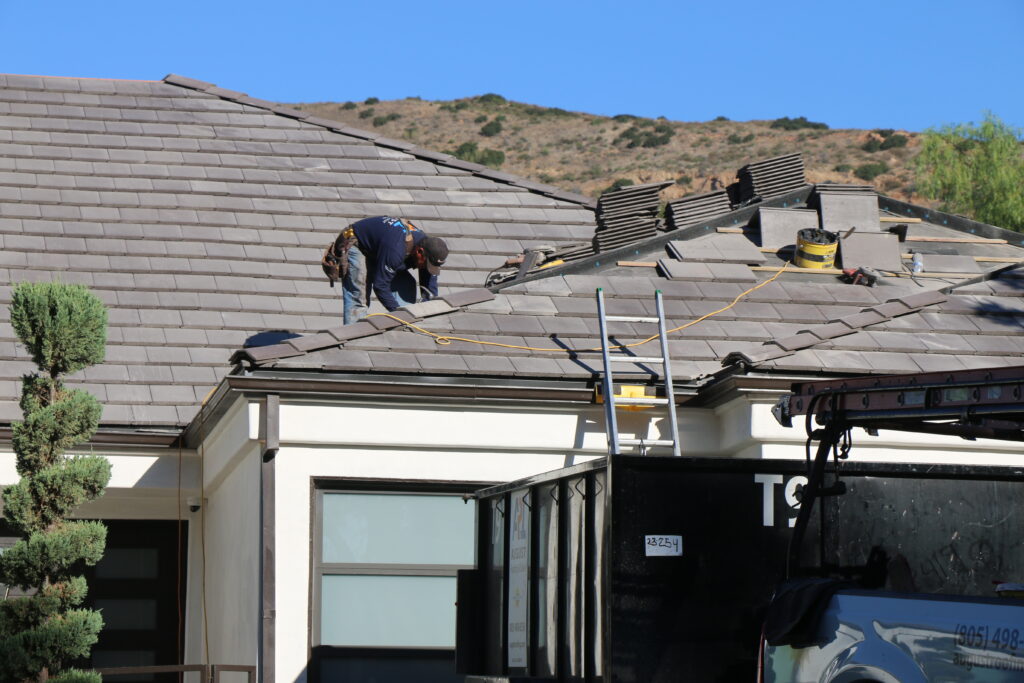
Timing Your Replacement to Save Money
Knowing when to stop repairing and start replacing is one of the most financially significant decisions in home maintenance. A roof nearing the end of its expected lifespan that requires frequent patches is costing you money in diminishing returns. Each repair buys less time as the underlying system degrades.
Signs that suggest replacement over repair include:
- Multiple active leaks in different areas of the roof
- Visible sagging in the roof deck
- Granule loss across large areas of asphalt shingles
- Cracked, broken, or missing tiles across more than 10 percent of the surface
- A roof that has already been layered over (re-roofed) once before
If you are planning solar panel installation, replacing your roof first makes financial sense when fewer than 10 years of usable life remain. Removing panels to replace a roof later adds unnecessary cost. Bundling both projects with a single contractor like August Roofing and Solar, which requires no deposit and coordinates roofing and solar under one scope of work, reduces total project cost and timeline.
Warranties Vary Widely Between Contractors and Materials
Roofing warranties come in two categories: material warranties from the manufacturer and workmanship warranties from the installer. Understanding the difference protects you from gaps in coverage that leave you paying for repairs that should be covered.
Material warranties typically cover manufacturing defects. They range from 25 years for standard asphalt shingles to lifetime coverage for premium products. However, these warranties often have prorated terms, meaning coverage decreases over time.
Workmanship warranties cover installation errors. This is where contractor selection matters most. Some contractors offer 2-year labor warranties. Others, like August Roofing and Solar, provide extended workmanship coverage backed by their 30-year track record and manufacturer certifications. Platinum Preferred Contractor status through Owens Corning, for example, unlocks enhanced warranty options that combine material and labor coverage under a single guarantee.
Before signing any contract for roof replacement services, ask for written documentation of both warranty types, including what is excluded and what actions void coverage.
Comparison Table: Roofing Materials for Southern California
| Material | Typical Lifespan | Class A Fire Rating | Weight Category | Relative Cost |
|---|---|---|---|---|
| Clay/Concrete Tile | 50+ years | Yes | Heavy | Medium-High |
| Metal Roofing | 40-70 years | Yes | Light | Medium-High |
| Asphalt Shingles | 20-25 years | Yes (fiberglass) | Light | Low-Medium |
| Slate | 75-200 years | Yes | Heavy | High |
| Synthetic | 50 years | Yes | Light | Medium |
| Wood Shake | 20-30 years | No | Medium | Medium |
People Also Ask
How much does a roof replacement cost in Southern California?
Roof replacement cost in Southern California varies widely based on material, roof size, and complexity. Asphalt shingle roofs typically start lower, while tile, metal, and slate roofs cost more upfront but last significantly longer. Request a detailed estimate from a licensed contractor who includes permits, underlayment, and code-required upgrades in the quote.
How long does a roof replacement take?
Most residential roof replacements take one to three days once materials are on-site and permits are approved. Larger homes, complex roof geometries, or projects that include structural repairs may take longer. Weather delays are uncommon in Southern California but can occur during winter rain events.
Can I replace my roof myself in California?
California does not prohibit homeowner-performed roofing work on your own primary residence. However, you must still obtain permits, pass inspections, and meet all fire rating and Title 24 requirements. Improper installation can void manufacturer warranties and create insurance complications.
Is a new roof tax deductible in California?
Standard roof replacements are not tax deductible as a personal expense. However, the cost adds to your home’s tax basis, which can reduce capital gains tax when you sell. If you bundle solar panels with your roof replacement, the solar component may qualify for the federal Investment Tax Credit.
Frequently Asked Questions
What roof replacement services does a licensed contractor include?
A licensed contractor’s roof replacement services should include a detailed inspection, material specification, permit application, tear-off of the existing roof, deck repair as needed, new underlayment and roofing material installation, flashing and vent installation, cleanup, and final inspection sign-off. All documentation should be provided to the homeowner upon completion.
Do I need a permit to replace my roof in California?
Yes. Most full roof replacements require a building permit in California. Work affecting more than 10 percent of your roof surface triggers this requirement. A qualified contractor handles the permit process and ensures your project passes all required inspections.
What roofing materials meet fire code in Southern California?
Class A fire-rated materials that comply with California codes include fiberglass-reinforced asphalt shingles, clay and concrete tile, metal roofing systems, natural slate, and certain synthetic composites. Wood shakes are prohibited in most mapped Fire Hazard Severity Zones.
Should I replace my roof before installing solar panels?
If your roof has fewer than 10 years of remaining useful life, replacing it before solar installation avoids the cost of removing and reinstalling panels later. Coordinating both projects through a single contractor streamlines the process and often reduces combined costs.
How do roof replacement services affect my home insurance?
A new roof with documented Class A fire ratings and current code compliance can improve your insurability and may lower premiums. Permit documentation and inspection records serve as proof of compliance. Conversely, unpermitted roof work or non-compliant materials can lead to claim denials or policy cancellation.
Schedule Your Free Roof Evaluation
Understanding these seven facts puts you in a stronger position to make a confident roof replacement decision. If your roof is showing signs of age or you are planning a solar upgrade, the next step is a professional evaluation of your roof’s current condition.
Contact August Roofing and Solar to schedule a free roof health evaluation. Their team will document your roof’s condition, explain your options based on your home’s specific requirements, and provide a detailed estimate for roof replacement services. Call (805) 519-8099 or request your evaluation online.