
Key Takeaways
- Roof replacement services in Southern California require contractors with a valid C-39 Roofing Contractor license from the California Contractors State License Board (CSLB).
- Material expertise matters: tile roofs, flat roofing systems, and shingle installations each demand specialized techniques that general contractors often lack.
- Verifying workers’ compensation and general liability insurance protects your property and shields you from financial liability during the project.
- Combining roof replacement with solar installation under a single roof replacement contractor eliminates coordination gaps and unifies warranty coverage.
- Southern California’s wildfire zones, Title 24 energy standards, and seismic requirements create code demands your contractor must understand before work begins.
Quick Links
- Why Roof Replacement Services Matter for Southern California Homeowners
- Confirm C-39 Licensing and CSLB Registration
- Evaluate Material Expertise for Your Roof Type
- Verify Insurance Coverage Before Work Begins
- Assess Local Code Knowledge and Permit Handling
- Compare Warranty Terms for Materials and Labor
- Look for Dedicated Installation Crews
- Understand Project Management and Communication
- Consider Combined Roofing and Solar Capabilities
- Finding the Right Roof Replacement Contractor
- People Also Ask
- Frequently Asked Questions
Why Roof Replacement Services Matter for Southern California Homeowners
Roof replacement services represent one of the largest investments you will make as a homeowner, and the wrong contractor can turn that investment into an expensive lesson. Southern California’s combination of Santa Ana winds, high UV exposure, wildfire-prone zones, and strict building codes makes this decision more complex than it is in most parts of the country.
Many homeowners start by searching for the lowest bid. They collect three or four estimates, compare the bottom-line numbers, and sign with whoever is cheapest. That approach skips the details that actually determine whether your new roof performs as expected for 25 to 50 years.
This guide breaks down eight specific steps for evaluating roof replacement services before you commit. Each step addresses a real risk that homeowners encounter during the contractor selection process. By the end, you will have a clear framework for identifying a roof replacement contractor who delivers quality results on time and within budget.

Step 1: Confirm C-39 Licensing and CSLB Registration
Every roofing contractor operating in California must hold a C-39 Roofing Contractor license issued by the Contractors State License Board (CSLB). This is not optional. The C-39 license confirms that the contractor has passed a trade-specific exam covering roofing installation, waterproofing, and safety standards. It also verifies they carry the required surety bond.
You can check any contractor’s license status for free on the CSLB website. Look for three things: active license status, no unresolved complaints, and current workers’ compensation coverage listed on their record.
Unlicensed contractors cannot legally pull permits. Without permits, your roof replacement will not receive the required city or county inspections. That means no official verification that the work meets structural and fire-resistance standards. It also means potential issues when you sell your home or file an insurance claim.
Q: Can a general contractor (B license) legally do roof replacement work?
A: In most cases, a general contractor can perform roofing work only as part of a larger project. For standalone roof replacement services, California requires a C-39 specialty license. Always verify directly through the CSLB.
Step 2: Evaluate Material Expertise for Your Roof Type
Southern California homes use a wide range of roofing materials. Concrete and clay tile roofs are common throughout the region. Flat roofs using TPO (thermoplastic polyolefin), modified bitumen, or built-up roofing systems are standard on low-slope and modern architectural designs. Asphalt shingles remain popular for pitched roofs as well.
Each material system requires different installation techniques. Tile roofs need proper underlayment layers, correct flashing details around penetrations like vents and chimneys, and attachment methods that comply with California Building Code wind-resistance standards. Flat roofs demand precise seam welding for TPO or torch-applied methods for modified bitumen.
A roof replacement contractor who primarily installs asphalt shingles may not have the training or crew experience to handle a tile or flat roof correctly. Ask directly about the contractor’s experience with your specific roof type. Request photos of completed projects similar to yours.
Q: What roofing materials last longest in Southern California’s climate?
A: Concrete and clay tile roofs typically last 40 to 75 years in Southern California when properly installed. Their thermal mass handles high UV exposure and inland heat effectively. TPO flat roofing systems generally last 20 to 30 years with proper maintenance.
Step 3: Verify Insurance Coverage Before Work Begins
A legitimate roofing company carries two types of insurance: general liability and workers’ compensation. General liability insurance covers accidental damage to your property during the project, such as a broken window or landscape damage from falling debris. Workers’ compensation insurance protects you from financial liability if a crew member is injured on your property.
Without workers’ compensation, you as the homeowner could be held liable for medical costs and lost wages. This is not a hypothetical risk. Roofing is one of the most dangerous trades, and injuries do occur.
Request current certificates of insurance before signing any contract. Verify the coverage dates are current. Call the insurance carrier directly to confirm the policy has not lapsed. Reputable roof replacement services providers will share this documentation without hesitation.
Step 4: Assess Local Code Knowledge and Permit Handling
Southern California building departments enforce roofing requirements that go beyond standard national codes. Three areas deserve particular attention.
Title 24 energy efficiency standards dictate cool roof requirements for certain climate zones. Cool roofing materials reflect more sunlight and absorb less heat, reducing cooling costs. Your contractor must know whether your property falls within a zone that requires cool roof compliance.
CAL FIRE ember-resistant roofing requirements apply to homes in wildfire-prone areas. These zones, mapped as Wildland-Urban Interface (WUI) areas, require Class A fire-rated roofing materials and specific installation details that prevent ember intrusion. The CAL FIRE website provides maps and material lists that meet these standards.
Structural load requirements matter especially for tile roof installations. Concrete and clay tiles weigh significantly more than asphalt shingles. Your roof structure may need reinforcement, and the contractor must verify this before starting work.
Your roof replacement contractor should handle all permit applications and schedule the required inspections with your local building department. This is part of the service. If a contractor suggests skipping permits to save time or money, find a different contractor.
Q: Who is responsible for pulling the permit for a roof replacement?
A: The contractor should pull the permit. This ensures the licensed professional is on record as the responsible party. It also means the contractor, not you, is accountable if the installation does not pass inspection.
Step 5: Compare Warranty Terms for Materials and Labor
Warranties for roof replacement services fall into two categories: manufacturer warranties covering the roofing materials and workmanship warranties covering the installation labor. Both matter, and they are not the same.
A manufacturer warranty typically covers defects in the roofing material itself, such as premature granule loss on shingles or cracking in tile products. These warranties range from 25 years to lifetime depending on the product line. However, manufacturer warranties usually do not cover installation errors.
A workmanship warranty covers the labor and installation quality. This is the contractor’s commitment that the roof was installed correctly. Workmanship warranties vary widely, from two years with some contractors to 25 years or more with certified installers.
August Roofing and Solar partners with manufacturers like Owens Corning as a Platinum Preferred Contractor. This certification level allows the company to offer extended warranty options that cover both materials and labor under a single agreement, removing the gap that often exists between separate warranties.
Step 6: Look for Dedicated Installation Crews
Some roofing companies subcontract their installation work to outside crews. This practice introduces risk. Subcontracted crews may not follow the same quality standards as the company you hired. Communication gaps between the sales team, project manager, and the subcontractor can lead to errors that only surface after the project is complete.
Companies with dedicated, in-house installation crews maintain tighter control over every phase of the project. The same crew that starts your roof replacement finishes it. They understand the project scope from day one, and they can address issues without delays caused by handoffs between teams.
When evaluating roof replacement services, ask the contractor directly: will your own crew perform the work, or will you subcontract it? If they subcontract, ask whether the sub-crew is covered under the same insurance and warranty as the primary company.
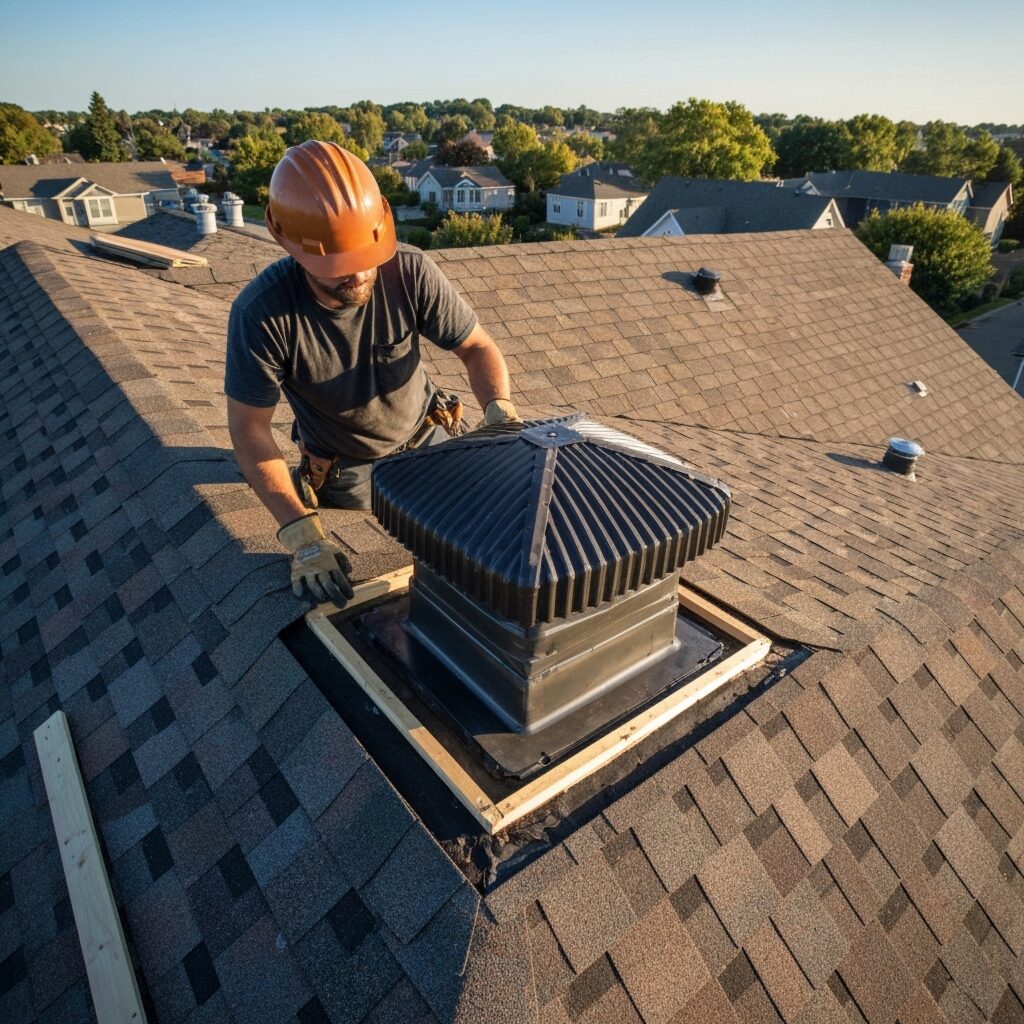
Step 7: Understand Project Management and Communication
A roof replacement disrupts your daily routine. There will be noise, debris, and workers on your property for several days. Clear communication from your contractor reduces stress and prevents misunderstandings about timeline, scope, and cleanup.
Before signing a contract, ask these questions:
- Will you have a dedicated project manager or point of contact?
- How will the contractor communicate schedule changes or weather delays?
- What is the cleanup process at the end of each workday?
- How are unexpected findings, such as hidden rot or structural damage, communicated and priced?
A reliable roof replacement contractor sets expectations before work begins and provides regular updates throughout the project. This is especially important in Southern California, where weather patterns, including unexpected rain events and Santa Ana wind conditions, can affect the project timeline.
Step 8: Consider Combined Roofing and Solar Capabilities
If you are considering solar panels now or within the next few years, the timing of your roof replacement matters. Installing solar on an aging roof means you will eventually need to remove the panels, replace the roof, and reinstall the panels. That process adds thousands of dollars in unnecessary labor costs.
Working with a contractor who handles both roofing and solar installation under one roof simplifies the project significantly. A single contractor coordinates the structural assessment, waterproofing details, panel mounting, and electrical connections as one integrated system.
August Roofing and Solar provides this combined approach, with over 30 years of experience and no deposit required to begin work. The company’s NABCEP-certified solar team works alongside TRI-certified roofers to ensure that panel mounting points are properly flashed and sealed, and that the roof warranty remains intact after solar installation.
Southern California homeowners who are connected to Southern California Edison can also benefit from net metering (NEM) programs when adding solar during a roof replacement. Coordinating both projects with one contractor ensures your solar system is designed and permitted correctly from the start.
Finding the Right Roof Replacement Contractor in Southern California
Choosing among roof replacement services requires methodical evaluation across licensing, material expertise, insurance, code knowledge, warranties, crew quality, communication, and solar readiness. Southern California’s climate demands, including high UV exposure, Santa Ana wind loads, wildfire risk, and strict energy codes, make local experience a genuine differentiator rather than a marketing line.
Use this eight-step framework as a checklist during your contractor evaluation. Ask direct questions. Verify documentation independently. The extra effort at this stage prevents problems that are far more costly to fix after the work is done.
If you are ready to evaluate your roof, contact August Roofing and Solar to schedule a free inspection and receive a detailed project estimate. Call (805) 519-8099 or request a quote online.
People Also Ask
How much does a roof replacement cost in Southern California?
Roof replacement costs in Southern California typically range from $10,000 to $30,000 or more depending on roof size, material type, and structural complexity. Tile roof replacements generally cost more than asphalt shingle projects due to heavier materials and additional labor requirements.
How do I know if my roof needs to be replaced or just repaired?
If your roof is more than 20 years old, has widespread damage, or shows signs of structural sagging, replacement is usually more cost-effective than repeated repairs. A professional roof inspection can identify whether localized repairs will extend the roof’s life or if a full replacement is the better investment.
What is the best time of year to replace a roof in Southern California?
Late spring through early fall offers the most consistent weather for roof replacement in Southern California. However, experienced contractors can work year-round in the region since extended rain seasons are relatively short compared to other parts of the country.
Do I need to move out of my house during a roof replacement?
In most cases, you do not need to leave your home during a roof replacement. Expect noise and vibration during work hours. Your contractor should communicate the daily schedule so you can plan around the disruption.
Frequently Asked Questions
What license should a California roofing contractor hold for roof replacement services?
California roofing contractors must hold a C-39 Roofing Contractor license issued by the CSLB. You can verify any contractor’s license status online through the CSLB license lookup tool to confirm it is active, bonded, and free of unresolved complaints.
How long does a typical roof replacement take in Southern California?
Most residential roof replacements take between two and five days depending on roof size, pitch, and material type. Tile roof installations generally require more time than asphalt shingle projects due to additional preparation, underlayment layers, and attachment requirements.
What roofing materials work best for Southern California homes?
Tile roofs, including clay and concrete options, perform well in Southern California’s climate and meet fire-resistance requirements in wildfire zones. Flat roofing systems using TPO or modified bitumen also work effectively for low-slope applications common throughout the region.
Can I combine roof replacement services with solar panel installation?
Yes. Combining roof replacement with solar installation is one of the most cost-effective approaches for homeowners planning to go solar. A single contractor who handles both services ensures proper waterproofing at panel mounting points and provides unified warranty coverage for the entire system.
Should I get multiple estimates before choosing roof replacement services?
Obtaining three to four written estimates helps you compare pricing, scope, material specifications, and warranty terms. Make sure each estimate covers the same scope of work so you are comparing equivalent projects. The lowest bid is not always the best value if it excludes permits, cleanup, or adequate warranty coverage.