
Key Takeaways
- Combining a roof replacement and solar panel installation into one project avoids the costly mistake of mounting panels on an aging roof that may need replacement within a few years.
- A bundled roof and solar installation together ensures the mounting system, flashing, and waterproofing are engineered as a single integrated system rather than two separate retrofits.
- Homeowners in Southern California can take advantage of federal solar tax credits, Title 24 energy code compliance, and NEM net metering when they plan both projects at once.
- Owning your solar panels instead of leasing them adds measurable resale value to your home and eliminates third-party lease transfer complications.
- August Roofing & Solar’s SolaRoof service bundles both scopes under one licensed contractor with 30+ years of experience and no deposit required.
Quick Links
- Why Bundling Your Roof and Solar Project Matters
- When You Need a New Roof Before Solar Panels
- How a Bundled Roof and Solar Installation Together Works
- What Is the SolaRoof Program?
- Waterproofing and Mounting System Integration
- Financial Benefits of Combining Roof and Solar
- California Programs and Incentives That Apply
- Solar Ownership vs. Leasing: Why It Matters for Your Roof
- People Also Ask
- Frequently Asked Questions
Why Bundling Your Roof and Solar Project Matters
If you have been researching solar energy for your home, you have probably run into one frustrating reality: your roof might not be ready. Many Southern California homeowners discover during a solar consultation that their existing roof is too old, too worn, or structurally insufficient to support a 25-year solar panel system. That discovery can feel like a setback, adding unexpected cost and complexity to what seemed like a straightforward energy upgrade.
The truth is that your roof and your solar array are not two separate systems. They function as one. The panels attach directly to the roof deck through engineered mounts, and the waterproofing layer beneath those mounts determines whether your home stays dry for the next three decades. When these two scopes of work are planned and executed together, every component is selected to complement the other. When they are done separately, by different contractors at different times, gaps in coordination can lead to leaks, voided warranties, and premature roof failure.
This guide explains exactly how a combined roof and solar installation together works at the component level, when you actually need a new roof before adding panels, what financial incentives apply in California, and how to evaluate whether a bundled approach is right for your home.
When You Need a New Roof Before Solar Panels
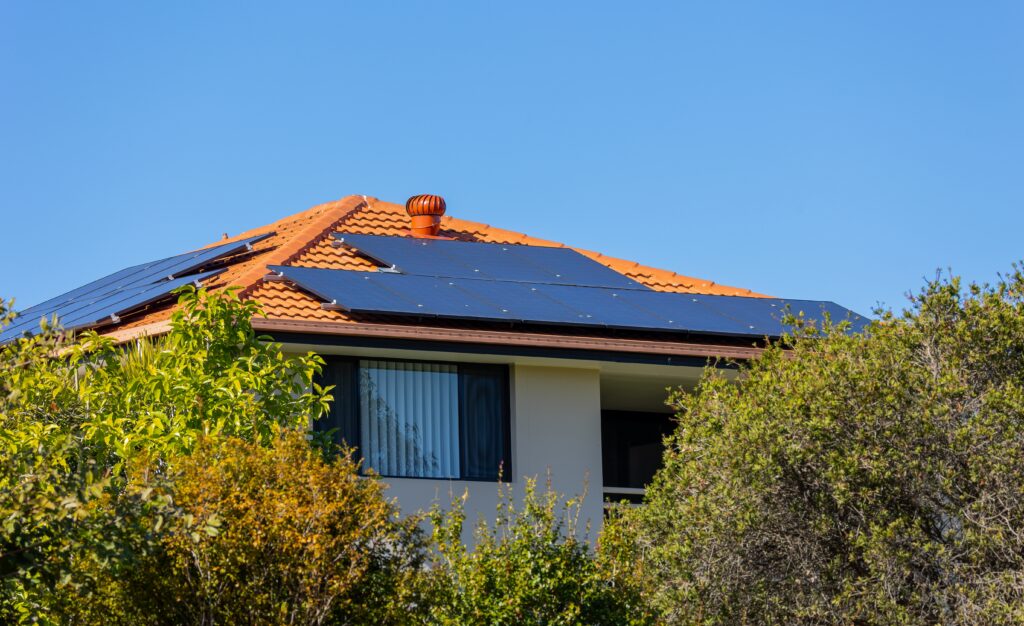
A new roof before solar panels is necessary when the existing roofing system does not have enough remaining service life to match the lifespan of the solar array. Most residential solar panels carry a 25-year performance warranty. If your roof has 10 or fewer years of useful life remaining, installing panels on top of it creates a scenario where you will eventually need to remove those panels, re-roof, and reinstall them. That process, called a “solar lift and relay,” typically costs $3,000 to $8,000 or more depending on system size.
The simplest way to estimate remaining roof life is the age rule. Asphalt composition shingles in Southern California generally last 20 to 30 years, depending on quality and sun exposure. Concrete tile roofs can last 40 to 50 years, though the underlayment beneath them may fail sooner in areas with high UV index and Santa Ana wind exposure. If your roof is approaching or past these thresholds, replacement before solar makes financial sense.
There are also structural indicators. Missing or cracked shingles, granule loss in gutters, sagging along the ridgeline, and daylight visible through the attic decking all suggest the roof is near end of life. A professional roofing inspection is the only way to confirm the actual condition of the underlayment, decking, and flashing, which are the components that matter most for solar mounting.
Q: Can I install solar on a roof that is 15 years old?
A: It depends on the roof material and its current condition. A 15-year-old concrete tile roof with intact underlayment may have another 20 or more years of life, making it a reasonable candidate. A 15-year-old three-tab asphalt shingle roof in a high-UV inland valley may only have 5 to 10 years remaining, which is not enough to justify mounting a 25-year solar system on it.
Q: Who determines whether my roof needs replacement?
A: A licensed roofing contractor should perform a physical inspection that includes checking the decking, underlayment, flashing, and ventilation. A solar-only company typically evaluates roof age but does not inspect the roofing system at the component level.
How a Bundled Roof and Solar Installation Together Works
A bundled roof and solar installation together follows a specific sequence designed to protect the building envelope while optimizing panel placement. Here is how the process typically unfolds at the system level.
Step 1: Combined Site Assessment
Before any work begins, the contractor conducts a single assessment that evaluates both the roofing system and the solar potential. This includes measuring roof pitch, orientation, and shading; inspecting the decking and underlayment; assessing attic ventilation; and reviewing the main electrical panel for solar readiness. Doing both evaluations at once ensures the roof design accounts for panel layout from the start.
Step 2: Roof Tear-Off and Deck Preparation
The existing roofing material is removed down to the decking. Any damaged or rotted plywood sheathing is replaced. In Southern California, this step often reveals heat damage from prolonged UV exposure, especially on south-facing and west-facing slopes. The decking is then inspected for structural integrity and re-nailed to current code if necessary.
Step 3: Underlayment and Flashing Installation
A new underlayment, typically a synthetic or self-adhering membrane, is applied over the decking. This is the primary waterproofing layer. In a bundled project, the roofer knows exactly where the solar mounting brackets (called stanchions or lag bolts) will penetrate the roof, so additional layers of waterproofing membrane can be applied at those specific penetration points before the finish roofing material goes on.
Step 4: Finish Roofing Material
The selected roofing material, whether architectural asphalt shingles, concrete tile, or a cool roof product, is installed over the underlayment. Material selection may be influenced by solar layout. For example, areas beneath panels experience less UV degradation, which can factor into warranty considerations.
Step 5: Solar Racking and Panel Installation
With the new roof in place and the waterproofing verified, the solar mounting rails are attached through the roofing material into the structural decking. Each penetration point is sealed with code-compliant flashing boots. The solar panels are then secured to the racking system, and the electrical wiring is routed to the inverter and main panel.
Step 6: Electrical Connection and Inspection
The solar inverter, whether a string inverter or microinverters at each panel, is connected to your home’s electrical system. The system is then inspected by the local building department and submitted for interconnection approval with your utility, typically Southern California Edison. Once approved, the system is activated and begins generating electricity.
What Is the SolaRoof Program?
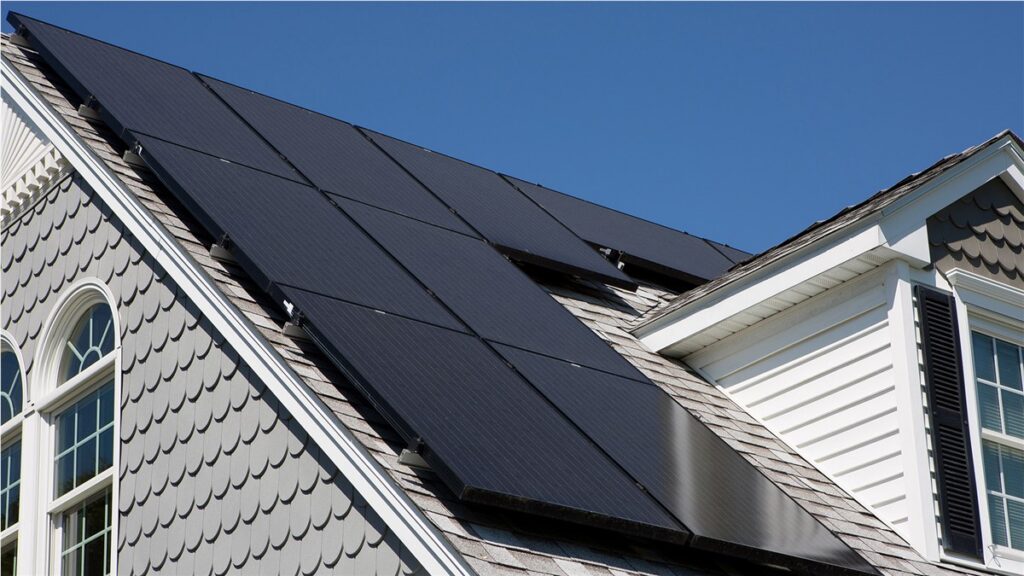
SolaRoof is August Roofing & Solar’s proprietary bundled service that combines a full roof replacement and solar panel installation into a single coordinated project. It is not a third-party product or a financing plan. It is a scope-of-work approach where one licensed contractor handles both the roofing and solar scopes, using one crew, one project timeline, and one warranty framework.
The advantage of the SolaRoof approach is coordination. Because August Roofing & Solar has operated as both a roofing and solar contractor for over 30 years, the roofing team and the solar team work from a shared plan. The underlayment is reinforced at mounting points before the finish material is installed. The racking system is selected to match the roof profile. And the waterproofing is verified before a single panel goes on.
This eliminates the most common failure point in residential solar: roof leaks caused by improperly sealed penetrations. When a solar-only company installs panels on an existing roof, they are drilling into a system they did not build and may not fully understand. When the same company builds the roof and installs the solar, every layer is accounted for.
August Roofing & Solar requires no deposit to begin a SolaRoof project. The company is fully licensed, bonded, and insured for both roofing and solar work in California.
Q: Is SolaRoof available for tile roofs?
A: Yes. SolaRoof projects include concrete tile, clay tile, and asphalt shingle roofs. The mounting hardware and flashing systems are selected based on the specific roofing material to maintain waterproofing integrity.
Waterproofing and Mounting System Integration
The most technically important aspect of a combined roof and solar installation together is how the mounting system interacts with the waterproofing layer. This is where most failures occur in solar installations performed by companies that do not also handle roofing.
Every solar panel on a residential roof is secured through a series of penetrations. A typical 20-panel system may require 40 to 80 individual attachment points, each one a hole through the roofing material and into the structural decking. Each penetration must be sealed against water intrusion for the full life of the system.
How Waterproofing Works at Penetration Points
In a properly integrated installation, each lag bolt or stanchion passes through the finish roofing material, through the underlayment, and into the plywood decking or rafter. A flashing boot, typically made of aluminum or galvanized steel with a rubber gasket, is installed around the bolt and tucked beneath the surrounding roofing material. Roofing sealant is applied at the base.
In a bundled project, the roofer can pre-flash these points during the underlayment phase, adding an extra layer of self-adhering membrane before the finish roofing goes on. This double-seal approach is significantly more reliable than drilling through a finished roof after the fact.
Why Separate Installations Create Risk
When a solar installer drills into an existing roof they did not build, they are working blind in several ways. They may not know the exact position of rafters versus trusses. They may not know whether the underlayment is a 30-pound felt, a synthetic membrane, or a peel-and-stick product. And they cannot add pre-flashing beneath the finish material without removing it first.
According to the National Roofing Contractors Association (NRCA), improperly sealed roof penetrations are one of the leading causes of residential roof leaks. This risk is compounded when the penetrations are made by a contractor whose primary expertise is electrical rather than roofing.
Financial Benefits of Combining Roof and Solar
Bundling a new roof with solar panels into one project offers several financial advantages that are not available when the two are done separately.
Reduced Labor and Mobilization Costs
Roofing and solar each require scaffolding, safety equipment, waste disposal, and permit fees. When both scopes are combined, these overhead costs are shared rather than duplicated. Homeowners typically save between 10 and 20 percent on total project cost compared to contracting each scope independently.
Avoiding the Lift-and-Relay Expense
If you install solar on an older roof and need to replace the roof within 10 years, you will pay $3,000 to $8,000 or more to have the panels removed, stored, and reinstalled. A bundled project eliminates this future expense entirely because the new roof and the solar system are designed to age together.
Federal Solar Investment Tax Credit
Under current federal tax law, the Investment Tax Credit (ITC) covers 30 percent of the cost of a residential solar energy system. When a new roof is installed specifically to support a solar array as part of the same project, a portion of the roofing cost may also qualify for the tax credit. Homeowners should consult a tax professional to determine the exact eligible amount for their project.
Increased Home Value
Owned solar panels add measurable value to a home. A study by the Lawrence Berkeley National Laboratory found that solar homes sell for an average premium of approximately $15,000. A new roof adds additional value. Together, the combined improvement can significantly increase appraisal value.
Q: Does the federal tax credit apply to the roofing portion?
A: The IRS allows the solar tax credit to include roofing costs that are directly related to and necessary for the solar installation. If the roof replacement is required to support the solar system, a portion of the roofing cost may qualify. A tax professional can help determine the eligible amount.

California Programs and Incentives That Apply
Southern California homeowners planning a roof and solar installation together should be aware of several state-level programs and building codes that affect project design and cost.
Title 24 Energy Code
California’s Title 24 building energy code requires most new homes and major renovations to include solar energy systems. When you replace a roof and add solar in the same project, the installation must comply with current Title 24 standards, which include minimum system sizing based on the home’s conditioned floor area and climate zone.
NEM 3.0 Net Metering
Net Energy Metering (NEM) is the billing arrangement that allows solar homeowners to receive credit for excess electricity sent back to the grid. California’s NEM 3.0 policy, which took effect in April 2024, reduced the value of exported energy credits compared to previous versions. This makes it more financially advantageous to size your solar system to offset your direct consumption and to consider battery storage for excess generation.
SGIP Battery Rebate
The Self-Generation Incentive Program (SGIP) offers rebates for battery storage systems installed alongside solar. In high fire-risk areas of Southern California, SGIP provides enhanced rebates that can cover a significant portion of the battery cost. If your property is in a CAL FIRE-designated high fire hazard severity zone, this incentive is worth investigating when planning your project.
CAL FIRE Ember-Resistant Roofing Requirements
Homes in wildfire-prone areas of Southern California must meet CAL FIRE Chapter 7A requirements for exterior wildfire exposure protection. This includes using Class A fire-rated roofing materials and ember-resistant vent systems. A bundled roof and solar project ensures both the roofing material and the solar racking system comply with these requirements from the start.
Solar Ownership vs. Leasing: Why It Matters for Your Roof
When you combine a new roof with solar panels, the ownership structure of the solar system has important implications for your roofing warranty and your home’s resale value.
Owned Solar Systems
With an owned system, you hold title to the panels and all associated equipment. This means you control maintenance, you receive the federal tax credit directly, and the system adds to your home’s appraised value. If the roof ever needs service beneath the panels, you can hire any qualified contractor to remove and reinstall them without coordinating with a third-party leasing company.
Leased Solar Systems
With a lease, a third-party company owns the panels on your roof. If you need roof repairs, you must contact the leasing company to schedule panel removal, which can add weeks of delay and unexpected cost. When selling your home, the lease must be transferred to the buyer, which can complicate the transaction and reduce your negotiating position.
August Roofing & Solar’s SolaRoof program is structured around ownership. Homeowners who complete a SolaRoof project own their panels outright, which simplifies long-term maintenance and maximizes return on investment. You can learn more about how solar ownership works on the August Roofing solar page.
People Also Ask
Should I replace my roof before installing solar panels?
If your roof has 10 or fewer years of remaining life, replacing it before or during solar installation is strongly recommended. Installing panels on an aging roof will likely require a costly lift-and-relay within a few years. A bundled project eliminates that future expense.
Can solar panels damage my roof?
Solar panels themselves do not damage a roof. However, improperly sealed mounting penetrations can cause leaks over time. This risk is significantly reduced when a roofing contractor handles both the roof and the solar installation as one integrated project.
How much does a combined roof and solar project cost?
Costs vary based on roof size, material, and solar system size. In Southern California, a typical bundled project ranges from $25,000 to $55,000 before the federal tax credit. Bundling typically saves 10 to 20 percent compared to contracting each scope separately.
Does a new roof qualify for the solar tax credit?
Roofing costs that are directly necessary to support a solar installation may qualify for the 30 percent federal Investment Tax Credit. The IRS requires that the roofing work be integral to the solar energy system. Homeowners should consult a tax advisor for project-specific guidance.
Frequently Asked Questions
What is the benefit of a roof and solar installation together?
The primary benefit is system integration. When the roof and solar are installed as one project, the waterproofing, mounting, and structural components are engineered to work together from the start. This reduces the risk of leaks, eliminates future lift-and-relay costs, and typically saves 10 to 20 percent on total project cost.
How long does a combined roof and solar installation together take?
Most bundled projects in Southern California are completed in 5 to 10 business days for the physical installation. The full timeline, including permits and utility interconnection approval from Southern California Edison, typically takes 6 to 12 weeks from contract to activation.
Do I need a new roof before solar panels if my roof is 20 years old?
A new roof before solar panels is recommended for any roof with fewer than 15 years of remaining life. A 20-year-old asphalt shingle roof in Southern California is likely approaching end of life due to high UV exposure and Santa Ana wind stress. A professional inspection can confirm the exact condition.
Will my homeowner’s insurance cover a bundled roof and solar system?
Most homeowner’s insurance policies cover roofing and solar equipment as part of the dwelling structure. However, you should notify your insurer after installation to ensure adequate coverage limits. Owned solar systems are typically easier to insure than leased systems.
How does the SolaRoof program differ from hiring separate contractors?
The SolaRoof program from August Roofing & Solar places both the roofing and solar scopes under one licensed contractor. This means one project timeline, one point of accountability, and integrated waterproofing at every mounting penetration. Hiring separate contractors creates coordination gaps that can lead to warranty disputes and water damage.
Schedule Your Free Roof and Solar Assessment
If you are considering a roof and solar installation together for your Southern California home, the first step is a professional assessment of your current roof condition and solar potential. August Roofing & Solar offers free inspections with no deposit required. Our team will evaluate your roofing system at the component level, assess your home’s solar readiness, and provide a clear scope of work for a bundled project.
Contact August Roofing & Solar to schedule your assessment, or call (805) 519-8099 to speak with our team directly.