
Key Takeaways
- A roof replacement in Palisades is one of the highest-ROI home upgrades available, often recovering 60 to 80 percent of its cost at resale while protecting against wildfire, UV exposure, and coastal moisture.
- Solar panels in Palisades can reduce electricity bills by 50 to 90 percent, and pairing a new roof with a solar installation avoids the cost of removing and reinstalling panels later.
- Southern California climate factors like Santa Ana winds, high UV index, and marine layer moisture make roofing material selection and proper installation critical for long-term performance.
- California Title 24 energy codes and CAL FIRE ember-resistant roofing requirements directly affect which materials and systems are permitted for Palisades homes.
- Outdoor living upgrades, when combined with a sound roof and energy system, create a layered approach to home value that appeals to buyers in the competitive Los Angeles coastal market.
Quick Links
- Why Home Upgrades Matter for Palisades Homeowners
- Roof Replacement in Palisades: ROI and Why It Comes First
- Choosing the Right Roofing Materials for Southern California
- Solar Panels in Palisades: Energy Savings and Home Value
- Why Pairing a New Roof With Solar Makes Financial Sense
- Outdoor Living Upgrades That Add Measurable Value
- Kitchen and Bathroom Renovations: Worth the Investment?
- Planning Your Upgrade Timeline in Palisades
- People Also Ask
- Frequently Asked Questions
Why Home Upgrades Matter for Palisades Homeowners Right Now
If you have owned a home in Palisades for ten years or more, you have likely noticed the gradual toll that coastal moisture, intense UV exposure, and occasional Santa Ana wind events take on your property. What looked like minor wear a few years ago may now be affecting your roof’s integrity, your energy bills, or your home’s resale position in a competitive Los Angeles market.
Roof replacement in Palisades is not just a maintenance task. It is a strategic decision that protects your largest financial asset while opening the door to energy savings through solar and improved curb appeal. The question most homeowners face is not whether to upgrade, but which upgrades deliver the best return and in what order.
This guide walks through the upgrades that matter most for Palisades homes, explains how each one works at a system level, and helps you plan a sequence that maximizes value while minimizing disruption.
Roof Replacement in Palisades: ROI and Why It Comes First
A roof replacement is consistently ranked among the top three home improvements for return on investment. According to the National Roofing Contractors Association (NRCA), a new roof typically recovers 60 to 80 percent of its cost at the time of sale. In high-demand coastal markets like Palisades, that figure can trend toward the upper end.
Beyond resale value, a roof replacement addresses something buyers cannot overlook. A home inspection that reveals a failing roof often leads to renegotiation or deal cancellation. Buyers in Pacific Palisades, Malibu, and Santa Monica are accustomed to premium pricing, but they expect structural soundness in return.
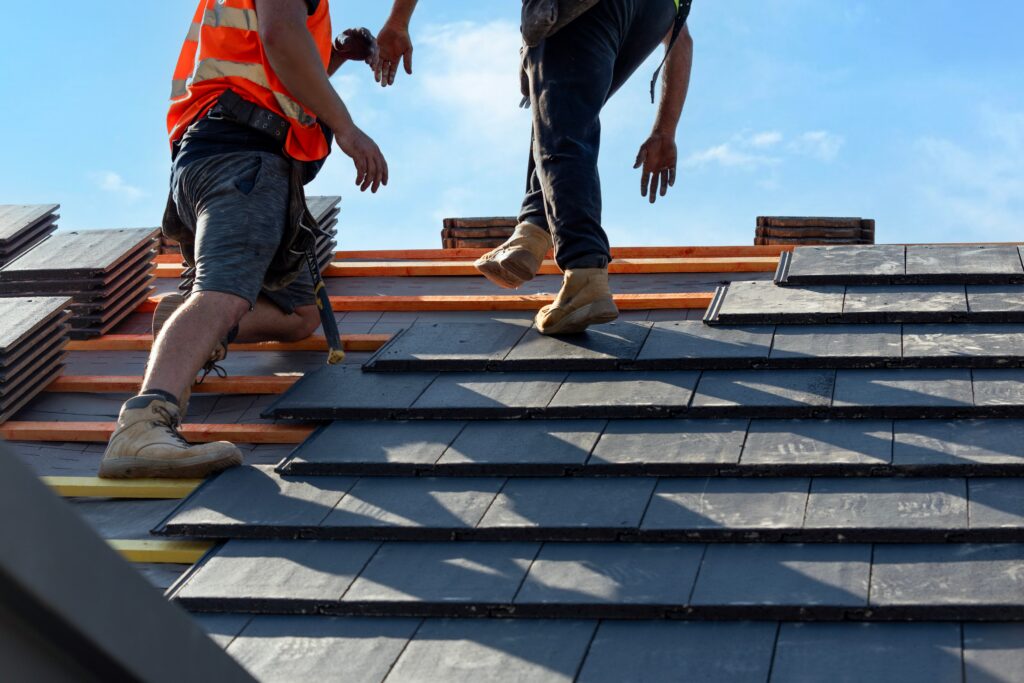
A roof system is more than shingles or tiles. It includes the decking (the structural layer of plywood or oriented strand board), underlayment (a waterproof membrane installed over the decking), flashing (metal pieces that seal joints and transitions), and ventilation components that regulate attic temperature and moisture. When any of these components degrade, the entire system is compromised.
Q: How do I know if my Palisades home needs a roof replacement versus a repair?
A: If your roof is over 20 years old, shows widespread granule loss on asphalt shingles, has multiple leaks, or has visible sagging in the decking, a full replacement is usually more cost-effective than continued repairs. A professional roof inspection can confirm the condition of all system components.
Q: Does a roof replacement in Palisades require a permit?
A: Yes. The City of Los Angeles requires permits for roof replacements, and the work must comply with current California building codes, including Title 24 energy standards and CAL FIRE requirements for ember-resistant roofing in wildfire-prone zones.
Choosing the Right Roofing Materials for Southern California
Material selection is where many Palisades homeowners face their most consequential decision. Southern California’s climate creates a unique set of demands. High UV exposure breaks down organic materials faster than in northern states. Coastal marine layer introduces persistent moisture that can accelerate corrosion on improperly treated metal components. And Santa Ana winds, which can exceed 60 miles per hour, test the wind uplift resistance of every roofing system.
Here is how the most common materials compare for Palisades conditions:
Asphalt architectural shingles are the most affordable option and perform well when rated for high wind speeds (Class H or Class F, meaning tested to 110 or 150 mph respectively). They typically last 25 to 30 years in Southern California. Look for products with a Class A fire rating, which is the highest available and required in most Palisades areas due to CAL FIRE regulations.
Concrete and clay tile roofs are common throughout the Palisades neighborhood and the broader Los Angeles coastal corridor. Tile excels in UV resistance and can last 50 years or more. The underlayment beneath tile, however, typically needs replacement every 20 to 25 years. Tile is also heavy, so the roof structure must be engineered to support the load.
Cool roof coatings and reflective materials are increasingly relevant under California Title 24 energy codes, which require certain roofing products to meet solar reflectance and thermal emittance thresholds. A cool roof reflects more sunlight and absorbs less heat, reducing cooling costs during Palisades summers when temperatures can climb into the 80s and 90s.
August Roofing, with over 30 years of experience across Southern California, works with homeowners to match material selection to the specific microclimate conditions of their property, whether that means coastal exposure in Palisades or the inland heat found in Woodland Hills and the San Fernando Valley.
Solar Panels in Palisades: Energy Savings and Home Value
Solar panels in Palisades are an investment that pays for itself. Southern California Edison (SCE) customers in the area experience some of the highest electricity rates in the nation, and Palisades receives an average of 280 to 300 sunny days per year. That combination makes solar energy one of the most effective ways to reduce long-term housing costs.
A typical residential solar system in Palisades ranges from 6 to 12 kilowatts (kW), depending on household electricity consumption and available roof space. A 10 kW system, for example, can generate roughly 14,000 to 16,000 kilowatt-hours (kWh) annually, which is enough to offset most or all of a typical household’s electricity usage.
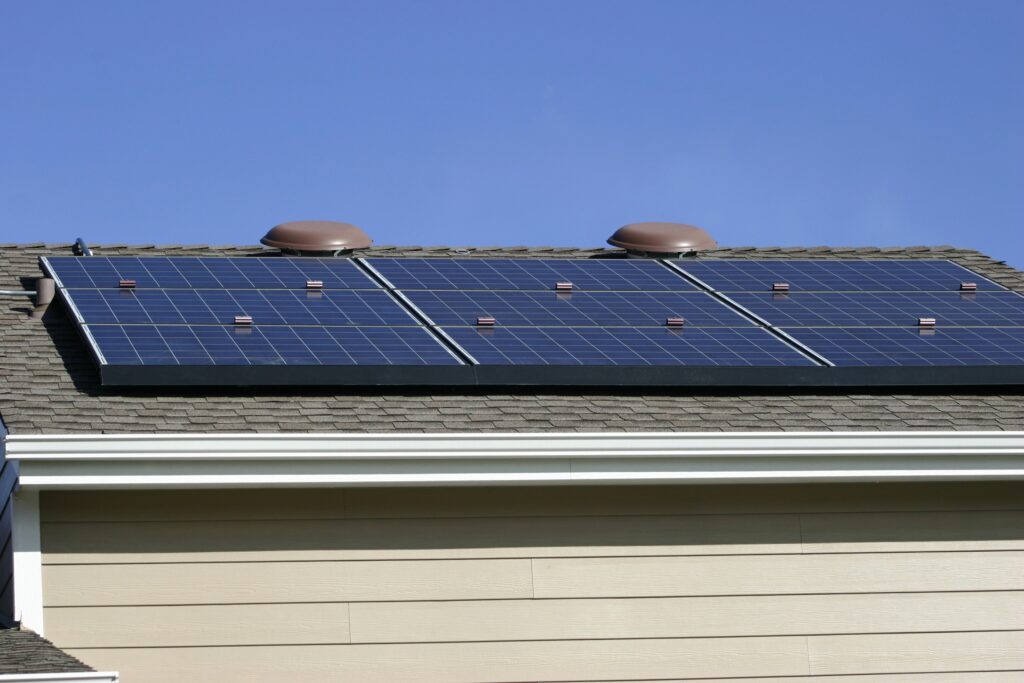
Here is how a rooftop solar system works at the component level. Photovoltaic (PV) panels convert sunlight into direct current (DC) electricity. An inverter, either a single string inverter or individual microinverters mounted behind each panel, converts that DC electricity into alternating current (AC) that your home’s electrical system uses. A production meter tracks how much energy the system generates, and any excess flows back to the grid through Southern California Edison’s net energy metering (NEM) program.
Under California’s current NEM 3.0 policy, the value of exported electricity depends on the time of day it is sent to the grid. This makes battery storage increasingly valuable, as homeowners can store midday solar production and use it during evening peak-rate hours instead of exporting it at lower compensation rates.
On average, solar panels increase the value of recently sold homes by approximately $10,000 to $20,000, according to multiple studies. In the Palisades housing market, where median home prices are well above the national average, a solar-equipped home signals lower operating costs and forward-thinking ownership.
Q: Are there rebates for solar batteries in Palisades?
A: Yes. California’s Self-Generation Incentive Program (SGIP) offers rebates for battery storage systems. Homeowners in areas designated as high fire risk, which includes parts of Palisades and surrounding communities, may qualify for enhanced SGIP rebates that cover a larger percentage of battery costs.
Why Pairing a New Roof With Solar Makes Financial Sense
One of the most common and costly mistakes homeowners make is installing solar panels on an aging roof. If your roof has ten or fewer years of useful life remaining, you will likely need to remove the panels, replace the roof, and reinstall the panels. That process adds $2,000 to $5,000 or more to the total cost.
Pairing a roof replacement with a solar installation eliminates that redundancy. The sequence is straightforward. The roofing crew installs the new roof system first, ensuring that the decking, underlayment, and flashing are all in optimal condition. Then the solar installation crew mounts the racking system and panels on a surface that will not need attention for 25 to 50 years, depending on the roofing material.
This approach also simplifies permitting. In the City of Los Angeles, combining both projects under a single contractor can streamline plan review and inspection scheduling. August Roofing handles both roofing and solar installations, which means one point of contact, one project timeline, and no coordination headaches between separate contractors. The company requires no deposit to begin work, which reduces the financial barrier to getting started.
For Palisades homeowners considering both upgrades, the combined project typically takes two to four weeks from start to finish, depending on roof size and system complexity.
Outdoor Living Upgrades That Add Measurable Value
Palisades homeowners benefit from a climate that allows year-round outdoor living. Upgrading your outdoor space is not just about aesthetics. It creates usable square footage that buyers in this market actively seek.
A well-designed deck or patio extends your living area and can add 5 to 10 percent to a home’s perceived value. In Palisades, where ocean breezes and mild winters make outdoor dining practical for most of the year, a functional outdoor kitchen or built-in barbecue area transforms underused yard space into a daily gathering point.
Here are the outdoor upgrades that tend to deliver the strongest returns in the Palisades and broader Westside Los Angeles market:
- Hardscaped patio or composite deck: These require minimal maintenance and hold up well in Southern California’s UV-heavy environment. Composite decking resists warping and fading better than traditional wood.
- Outdoor cooking area: A built-in grill station with countertop space creates a defined cooking zone. Gas lines can typically be extended from existing SoCalGas connections.
- Drought-tolerant landscaping: California water regulations make this both a practical and expected feature. Native plants like California buckwheat and coastal sage pair well with the Palisades environment and reduce irrigation costs.
- Shade structures: Pergolas and shade sails reduce UV exposure in seating areas, making outdoor spaces comfortable even during August afternoons.
These improvements work best when your home’s structural systems, particularly the roof, are already in good condition. A beautiful patio loses its appeal if a buyer’s inspector flags the roof above it.
Kitchen and Bathroom Renovations: Worth the Investment?
Kitchen and bathroom remodels remain among the most popular home improvement projects nationwide. They offer strong emotional appeal and tend to be the rooms buyers scrutinize most during showings.
A mid-range kitchen renovation, which typically includes updated countertops, cabinetry refacing, new appliances, and improved lighting, recovers roughly 70 to 80 percent of its cost at resale. A bathroom renovation involving updated tile, fixtures, and vanity replacement falls in a similar range.
However, these projects have a key limitation. They do not address the structural or energy performance of the home. A Palisades home with a brand-new kitchen but a 25-year-old roof creates a contradiction that experienced buyers and their inspectors will identify.
The most effective renovation strategy sequences projects by priority. Start with the systems that protect the home, meaning the roof and energy infrastructure. Then move to the spaces that create daily enjoyment and buyer appeal, such as kitchens, bathrooms, and outdoor living areas.
Q: Should I renovate my kitchen or replace my roof first in Palisades?
A: Replace the roof first. A failing roof can cause water damage to interior renovations, and buyers prioritize structural soundness. A new roof also passes inspection cleanly, which prevents last-minute renegotiations that could erase the value of your kitchen investment.
Planning Your Upgrade Timeline in Palisades
Timing matters for home improvement projects in Southern California. The optimal window for roof replacement in Palisades runs from late spring through early fall, when rain is rare and temperatures are moderate enough for proper material curing. Roofing adhesives and sealants perform best when applied in temperatures between 45 and 85 degrees Fahrenheit.
Solar installations can be performed year-round, but scheduling them immediately after a roof replacement ensures maximum efficiency. Permitting through the City of Los Angeles typically takes two to four weeks, so planning ahead prevents unnecessary gaps between projects.
Here is a practical timeline for a homeowner planning a combined roof and solar project in Palisades:
- Month 1: Schedule a free roof inspection to assess current conditions and discuss options.
- Month 1 to 2: Finalize material selection, system design, and financing. Review applicable rebates, including SGIP for battery storage.
- Month 2 to 3: Permitting and material procurement.
- Month 3 to 4: Roof replacement installation, followed by solar panel installation.
- Month 4 to 5: City inspection, utility interconnection approval from Southern California Edison, and system activation.
This timeline can compress or extend depending on project complexity, but five months from first consultation to activated solar system is a realistic expectation for most Palisades homes.
People Also Ask
How much does a roof replacement cost in Palisades?
A roof replacement in Palisades typically costs between $10,000 and $30,000, depending on roof size, material choice, and structural repairs needed. Tile roofs tend to cost more than asphalt shingle systems due to material weight and labor requirements.
Do solar panels increase home value in Palisades?
Yes. Solar panels in Palisades increase home value by an estimated $10,000 to $20,000 on average. In the high-value Westside Los Angeles market, the combination of lower operating costs and sustainable features is particularly attractive to buyers.
What roofing materials are best for homes near the ocean in Southern California?
Concrete tile and Class A fire-rated asphalt architectural shingles are the most common choices for coastal Southern California homes. Both resist UV degradation and meet CAL FIRE requirements, though tile offers a longer lifespan of 50 or more years.
Is it better to replace a roof before installing solar panels?
Yes. Installing solar on a roof with less than 10 to 15 years of remaining life creates a costly removal and reinstallation process later. Replacing the roof first ensures the solar system has a sound foundation for its full 25-year warranty period.
Frequently Asked Questions
What is the best time of year for roof replacement in Palisades?
Late spring through early fall is ideal for roof replacement in Palisades. This window avoids Southern California’s rainy season and provides the moderate temperatures needed for proper sealant and adhesive curing. Most contractors experience higher demand during summer, so scheduling early ensures faster project start dates.
How long does a roof replacement in Palisades take?
A standard roof replacement in Palisades takes three to seven days for the installation itself. The total project timeline, including permit processing and material delivery, typically runs four to six weeks. Larger homes or tile roof systems may require additional time.
Can I install solar panels on my existing roof in Palisades?
You can install solar panels on an existing roof if it is structurally sound and has 15 or more years of useful life remaining. A roof inspection will confirm whether the decking, underlayment, and flashing are in suitable condition. If not, completing a roof replacement first is the recommended approach.
Does August Roofing require a deposit for roof replacement in Palisades?
No. August Roofing does not require a deposit to begin work on roofing or solar projects. This policy applies to homeowners across Palisades, Malibu, Santa Monica, and the greater Southern California service area. The company is fully licensed and certified with over 30 years of experience.
What rebates are available for solar panels in Palisades?
Palisades homeowners may qualify for the federal solar Investment Tax Credit (ITC), which currently covers 30 percent of system costs. California’s SGIP program also offers rebates for battery storage, with enhanced incentives for properties in high fire-risk zones. Your solar provider can help identify all applicable programs during the design phase.
Start With the Upgrade That Protects Everything Else
Whether you are planning a single project or a multi-phase renovation, roof replacement in Palisades is the logical starting point. It protects your home, satisfies code requirements, and creates the foundation for solar energy savings and every interior or exterior improvement that follows.
If you are ready to understand the current condition of your roof and explore your options, schedule a free roof inspection with August Roofing. There is no deposit required, and a straightforward assessment will help you plan your next steps with clarity. You can also call (805) 519-8099 to speak with a team member about your Palisades home.