
Key Takeaways
- To choose the best roofing company, verify their contractor license, insurance coverage, and manufacturer certifications before signing any agreement.
- Established roofing contractors offer transparent financing, strong warranty protection, and documented reviews from past customers.
- In Southern California, your roofing company should understand regional factors like Santa Ana winds, high UV exposure, wildfire risk, and CAL FIRE ember-resistant roofing requirements.
- Requesting a detailed written estimate, asking about workmanship warranties, and confirming no deposit is required are practical roofing contractor tips that protect your investment.
- A trustworthy roofer will welcome your questions, provide references, and never pressure you into a rushed decision.
Quick Links
- Why Choosing the Right Roofing Company Matters
- Evaluate Services and Offerings
- Confirm Licensing and Insurance
- Look for Certifications and Industry Affiliations
- Research Reviews and Reputation
- Ask About Financing Options
- Understand Warranty Protection
- Southern California-Specific Considerations
- Red Flags to Watch For
- People Also Ask
- Frequently Asked Questions
Why Choosing the Right Roofing Company Matters Before You Spend a Dollar
You have a roof issue and dozens of contractors are competing for your attention. Some offer rock-bottom prices. Others promise to start tomorrow. The pressure to just pick someone and move on is real. But a roofing project is one of the largest investments you will make in your home, and choosing the wrong contractor can lead to shoddy work, voided warranties, and costly rework within just a few years.
Knowing how to choose the best roofing company puts you in control of that decision. It helps you filter out unqualified operators and identify contractors who will protect your home for decades. This guide walks through the specific criteria that matter most, with practical roofing contractor tips you can apply before you ever schedule an estimate.
Evaluate Services and Offerings First
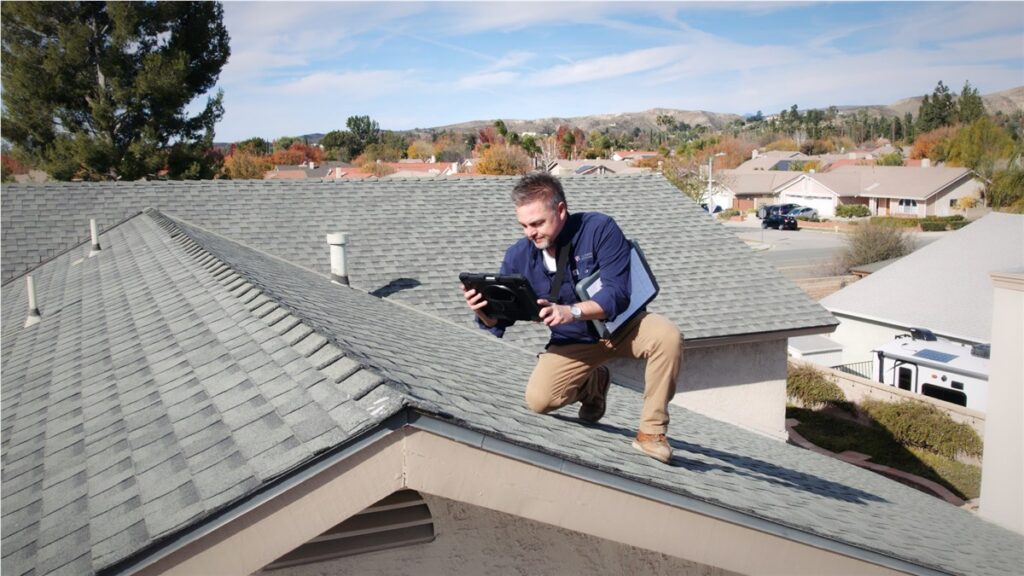
A roofing company’s service list tells you a lot about their depth of expertise. Most contractors handle basic roof repairs and shingle replacements. However, Southern California homes face a wide range of roofing needs, from flat roof coatings on mid-century modern homes to tile re-sets after seismic activity. The right contractor should be equipped to handle your specific situation.
Before you request a quote, review the full menu of services each company provides. Look for these common offerings:
- New roof construction for ground-up builds
- Emergency leak repair and storm restoration
- Material-specific installations (asphalt shingle, concrete tile, clay tile, metal, flat membrane)
- Commercial roofing for multi-unit or business properties
- Solar panel installations integrated with roofing work
- Roof inspections and preventive maintenance programs
A company that offers both roofing and solar under one roof, for example, can coordinate the two systems so that solar mounting penetrations are properly flashed and sealed. This avoids the finger-pointing that sometimes happens when separate roofing and solar contractors work on the same structure.
Q: Should I hire a specialist or a general roofing contractor?
A: If your project involves a specific material like clay tile or standing-seam metal, look for a contractor who has documented experience with that material. General contractors may lack the specialized techniques required for proper installation.
Q: Does it matter if a roofer also does solar?
A: It can. A combined roofing and solar contractor ensures that panel mounting does not compromise your roof’s waterproofing. It also simplifies your warranty coverage because one company is accountable for the entire system.
Confirm Licensing and Insurance Before You Hire
Licensing and insurance are non-negotiable. In California, any roofing contractor performing work valued at $500 or more must hold an active C-39 Roofing Contractor license issued by the Contractors State License Board (CSLB). You can verify any contractor’s license status, bond information, and complaint history directly on the CSLB website.
Insurance is equally critical. A properly insured roofing company carries both general liability insurance and workers’ compensation coverage. General liability protects your property if the crew damages something during the project. Workers’ compensation protects you from financial liability if a worker is injured on your property.
Ask every prospective contractor for a certificate of insurance and verify it is current. Do not accept verbal assurances. If a contractor cannot produce proof of licensing and insurance quickly, that is reason enough to move on.
Q: What happens if I hire an unlicensed roofer in California?
A: You lose access to the CSLB’s dispute resolution process and may be personally liable for on-site injuries. Unlicensed work can also violate your homeowner’s insurance policy, potentially voiding a future claim.
Look for Certifications and Industry Affiliations
Certifications go beyond a basic license. They indicate that a roofing company has met additional quality standards set by manufacturers or professional organizations. When you choose the best roofing company for your project, certifications serve as independent verification of skill and reliability.
Key certifications to look for include:
- Owens Corning Preferred Contractor: This designation means the contractor has met Owens Corning’s standards for professionalism, customer satisfaction, and installation quality. It also unlocks extended warranty options for homeowners.
- NABCEP Certification: The North American Board of Certified Energy Practitioners credential applies to solar installations. It confirms the installer meets national competency standards for photovoltaic system design and installation.
- TRI Certification: The Tile Roofing Institute certifies contractors in proper tile roof installation techniques, which is especially relevant in Southern California where concrete and clay tile roofs are common.
- NRCA Membership: The National Roofing Contractors Association is the leading trade association for roofing professionals, and membership signals a commitment to industry best practices.
August Roofing & Solar, for example, holds Owens Corning Preferred Contractor status along with NABCEP and TRI certifications. These affiliations reflect over 30 years of investment in training and quality standards. When evaluating any contractor, ask specifically which certifications they hold and verify them independently.
Research Reviews and Reputation Thoroughly
Online reviews are one of the most reliable roofing contractor tips for evaluating quality before you commit. After a company tells you how good they are, verify it through the experiences of their past customers.
Start with Google Business reviews, then check Yelp, the Better Business Bureau, and Angi (formerly Angie’s List). Pay attention to patterns rather than individual reviews. A single negative review among hundreds of positive ones is normal. But recurring complaints about missed timelines, poor communication, or unresolved leaks are warning signs.
When reading reviews, look for:
- Specific mentions of project quality and durability
- Comments about communication and responsiveness
- Descriptions of how the company handled problems or warranty claims
- Photos of completed work, especially before-and-after comparisons
Some roofing companies also maintain project portfolios on their websites. These galleries can help you see whether the contractor has experience with your roof type, material, and home style. Ask for references from recent projects similar to yours and follow up with those homeowners directly.
Q: How many reviews should a good roofing company have?
A: There is no magic number, but a well-established contractor serving a broad area like Southern California should have dozens of reviews across multiple platforms, with a consistent rating of 4.5 stars or above.

Ask About Financing Options Before Committing
Roofing projects represent a significant financial commitment. A full roof replacement in Southern California typically costs between $10,000 and $30,000 or more, depending on the size of the home, the material selected, and the complexity of the roof structure. Rather than choosing the cheapest contractor, focus on finding the best one who can work within your financial constraints.
Reputable roofing companies offer financing plans that spread the cost over manageable monthly payments. Some provide in-house financing, while others partner with third-party lenders. When comparing financing, ask about:
- Interest rates and whether a zero-percent introductory period is available
- Loan terms and total repayment amounts
- Down payment or deposit requirements
- Early payoff penalties
One practical detail that separates trustworthy contractors from questionable ones is their deposit policy. August Roofing & Solar, for instance, requires no deposit before work begins. A contractor who demands a large upfront payment before materials arrive or work starts creates unnecessary risk for the homeowner.
If you are combining a roofing project with solar panel installation, ask whether the financing plan covers both components. Bundling roofing and solar under a single loan can simplify repayment and reduce total costs.
Understand Warranty Protection as a System
Warranty coverage is where the real value of choosing the best roofing company becomes clear over time. A quality roof should last 25 to 50 years depending on the material. The warranty backing that roof should reflect that lifespan.
There are two main types of roofing warranties:
Manufacturer Warranty
This covers defects in the roofing materials themselves. If a shingle fails prematurely due to a manufacturing flaw, the manufacturer replaces or reimburses the cost of the defective product. Most manufacturer warranties range from 25 years to lifetime coverage. However, many manufacturer warranties only cover the cost of the material, not the labor to remove and reinstall it.
Workmanship Warranty
This covers errors in installation. If a leak develops because a flashing detail was done incorrectly, the workmanship warranty requires the contractor to repair it at no cost. Workmanship warranties vary significantly. Some contractors offer only one to two years, while established companies may offer 10 years or more.
The strongest warranty packages combine both. Owens Corning Preferred Contractors, for example, can offer the Owens Corning Platinum Protection Limited Warranty, which covers both materials and workmanship under a single, non-prorated plan. Ask every contractor you interview to explain their warranty structure in writing before you sign an agreement.
Southern California-Specific Considerations When Choosing a Roofer
Southern California’s climate creates unique demands on roofing systems. A contractor who understands these regional factors will deliver a roof that performs better and lasts longer than one designed for a generic climate.
UV Exposure and Heat
The region’s high UV index accelerates the breakdown of asphalt-based roofing materials. Cool roof coatings and reflective shingle options can reduce thermal degradation and lower indoor cooling costs. California’s Title 24 energy code includes cool roof requirements for certain applications, and your contractor should be familiar with current standards.
Santa Ana Winds
These seasonal wind events can produce gusts exceeding 60 mph in foothill and canyon areas. Proper nail patterns, enhanced adhesive strips, and wind-rated materials are essential in exposed locations. Ask your contractor whether they follow high-wind installation protocols.
Wildfire Risk and Ember Resistance
Homes in or near wildland-urban interface zones must comply with CAL FIRE ember-resistant roofing requirements under California Building Code Chapter 7A. Class A fire-rated roofing materials are mandatory in these areas. Your roofer should know whether your property falls within a designated fire hazard severity zone and specify compliant materials accordingly.
Coastal Marine Layer
Properties near the coast are exposed to salt air and persistent moisture from the marine layer. These conditions can accelerate corrosion on metal components like flashings, vents, and fasteners. A knowledgeable contractor will use corrosion-resistant materials in coastal installations.
Red Flags to Watch For When Hiring a Roofing Contractor
Knowing what to avoid is just as important as knowing what to look for. These roofing contractor tips can help you steer clear of common pitfalls:
- No written estimate: A legitimate contractor provides a detailed written scope of work, material specifications, and itemized pricing. Verbal quotes are not acceptable.
- High-pressure sales tactics: If a contractor pushes you to sign immediately or claims the price is only good today, walk away.
- No physical business address: Fly-by-night operators often lack a permanent office. Verify the company has a real address, not just a P.O. box.
- Requiring a large deposit: As noted earlier, reputable contractors do not require substantial upfront payments before work begins.
- No proof of workers’ compensation insurance: This is a major liability risk for you as the homeowner.
- Knocking on your door after a storm: Storm chasers target neighborhoods after weather events, offering quick fixes. These contractors often disappear after collecting payment.
If any of these warning signs appear during your vetting process, remove that contractor from your list. The short-term convenience of hiring quickly is not worth the long-term cost of poor workmanship or unresolved problems.
People Also Ask
How do I know if a roofing company is reputable?
A reputable roofing company holds an active California C-39 license, carries general liability and workers’ compensation insurance, and has verifiable certifications from major manufacturers. Consistent positive reviews across multiple platforms and a willingness to provide references are also strong indicators of reliability.
What questions should I ask a roofing contractor before hiring?
Ask about their license number, insurance coverage, certifications, warranty terms, and financing options. Also ask whether they require a deposit, how they handle change orders, and whether they will obtain the necessary building permits for your project.
How much does a new roof cost in Southern California?
A full roof replacement in Southern California typically ranges from $10,000 to $30,000 or more depending on the size of the home, the roofing material, and the complexity of the roof design. Tile and metal roofs generally cost more than asphalt shingles but offer longer lifespans.
Should I get multiple roofing estimates?
Yes. Getting three to four detailed estimates allows you to compare pricing, materials, warranty coverage, and timelines. Focus on the overall value and scope of work rather than choosing the lowest number. The cheapest bid often excludes important details.
Frequently Asked Questions
What is the most important factor when you choose the best roofing company?
Licensing and insurance are the most important factors. A valid California C-39 license and current insurance protect you from liability and ensure the contractor meets state requirements. Without these, no amount of experience or low pricing justifies the risk.
How can I choose the best roofing company if I have a limited budget?
Look for contractors who offer flexible financing plans with reasonable terms. A company that provides zero-deposit policies and multiple payment options allows you to prioritize quality without paying the full cost upfront. Avoid choosing the cheapest bid without verifying credentials.
How long does a roofing project take in Southern California?
A standard residential roof replacement typically takes three to five days, depending on the size and complexity of the roof and the material being installed. Tile roofs and multi-layered tear-offs may take longer. Weather delays from rare rain events can also extend the timeline.
Do I need a permit for a roof replacement in Southern California?
Yes. Most jurisdictions in Southern California require a building permit for roof replacements. Your roofing contractor should handle the permitting process, including submission, inspection scheduling, and final sign-off. If a contractor suggests skipping the permit, that is a serious red flag.
What roofing contractor tips help me avoid scams?
Verify the contractor’s CSLB license number online, request a certificate of insurance, get a detailed written estimate, and never pay a large deposit before work begins. Avoid contractors who show up unsolicited after a storm or refuse to put warranty terms in writing. These roofing contractor tips significantly reduce your risk of hiring an unqualified operator.
Take the Next Step Toward a Confident Roofing Decision
Knowing how to choose the best roofing company gives you the foundation to protect your home, your budget, and your peace of mind. Every factor covered in this guide, from licensing and certifications to warranties and reviews, is a checkpoint you can use before making a commitment.
If you have questions about an upcoming roofing project or want to understand your options, August Roofing & Solar is available to help. With over 30 years of experience serving Southern California homeowners, we offer complimentary roof inspections with no deposit required. Reach out through our online form or call (805) 519-8099 to schedule a free consultation at your convenience.