
Key Takeaways
- Combining solar panels and roof replacement in Santa Barbara saves homeowners money by eliminating the cost of removing and reinstalling panels later when the roof needs replacement.
- Solar panels and asphalt shingle roofs share a similar 25 to 30 year lifespan, so installing both at the same time synchronizes their replacement cycles and reduces long-term maintenance complexity.
- Santa Barbara homeowners can take advantage of California’s NEM 3.0 net metering program and the federal solar Investment Tax Credit (ITC) when bundling both projects, potentially saving thousands.
- A new roof provides a structurally sound, watertight substrate that protects solar panel mounting hardware and wiring from moisture intrusion for decades.
- August Roofing and Solar offers SolaRoof financing packages that combine roofing and solar into a single project with no deposit required.
Quick Links
- Why This Decision Matters for Santa Barbara Homeowners
- How Solar and Roofing Systems Work Together
- Cost Savings When You Install Solar When Replacing Your Roof
- Synchronizing Lifespans: Roof and Solar Panel Timelines
- Santa Barbara Climate Factors That Affect Both Systems
- California Incentives and Programs for Solar and Roof Replacement
- How Solar Panels and a New Roof Affect Home Value in Santa Barbara
- Planning Your Solar Panels and Roof Replacement in Santa Barbara
- People Also Ask
- Frequently Asked Questions
Why This Decision Matters for Santa Barbara Homeowners
Solar panels and roof replacement in Santa Barbara represent two of the largest investments a homeowner will make in the lifetime of their property. Getting the timing wrong on either one can result in unnecessary costs, structural complications, and years of regret. Many homeowners discover this the hard way when they install solar on an aging roof, only to pay thousands of dollars a few years later to remove the panels, replace the roof, and reinstall the entire solar array.
If you are a homeowner in Santa Barbara, Goleta, Carpinteria, or the surrounding South Coast communities and you are considering either a roof replacement or a solar installation, this guide explains why combining the two projects into one is almost always the better path. Understanding how these two systems interact at a structural, financial, and energy level will help you make a confident, informed decision.
How Solar and Roofing Systems Work Together
A rooftop solar installation is not a standalone system. It is mechanically attached to, and entirely dependent on, the roof structure beneath it. Understanding this relationship is the foundation for understanding why combining both projects makes sense.
The Mounting System
Solar panels are secured to your roof using a racking system. This system consists of metal rails bolted to the roof deck, which is the plywood layer beneath your shingles or tiles. Each bolt penetration passes through the roofing material and into the structural rafters or trusses below.
Flashing, a thin piece of metal or rubberized material, is installed around each bolt to prevent water from entering the penetration point. When the roof is new, these flashings integrate seamlessly with fresh roofing material. When panels are mounted on an older roof, the existing shingles or tiles must be cut, lifted, or worked around, which increases the risk of compromised waterproofing.
The Electrical System
Wiring from each panel runs beneath the array, along the roof surface, and down to an inverter, the device that converts direct current (DC) electricity generated by the panels into alternating current (AC) electricity used by your home. The inverter connects to your electrical panel and, in Santa Barbara, feeds excess energy back to Southern California Edison through the grid via net metering.
When this wiring is installed on a new roof, electricians have a clean, unobstructed surface to route conduit properly. On an older roof with uneven surfaces, cracked tiles, or curling shingles, routing becomes more difficult and less reliable over time.
Q: Can solar panels be installed on any type of roof?
A: Solar panels can be installed on most roofing materials, including asphalt shingles, concrete tiles, clay tiles, and metal roofing. However, some materials require specialized mounting hardware. A professional assessment determines compatibility and identifies any structural reinforcement needs before installation.
Cost Savings When You Install Solar When Replacing Your Roof
The financial case for bundling solar and roofing is straightforward. Doing two projects at once costs less than doing them separately over time. Here is why.
Avoiding the Remove-and-Reinstall Cycle
If you install solar panels on a roof that is already 15 or 20 years old, you will likely need a roof replacement within the next 5 to 10 years. When that time comes, every solar panel must be carefully removed, the roof replaced, and then the panels reinstalled. This process, sometimes called a “solar lift,” typically costs between $1,500 and $6,000 or more depending on system size and roof complexity.
By contrast, if you install solar when replacing your roof, you eliminate this future expense entirely. The new roof and the new solar array begin their lifecycles together.
Bundled Project Pricing
Many contractors, including August Roofing and Solar, offer combined pricing when both projects are completed together. August Roofing and Solar’s SolaRoof program packages solar and roofing into a single financing plan, which simplifies the process and often reduces total project cost compared to hiring separate contractors for each job.
With over 30 years of experience serving Southern California, August Roofing and Solar also requires no deposit to begin work, which removes a common barrier for homeowners considering a large combined project.
Labor Efficiency
When both projects happen simultaneously, the roofing crew prepares the roof deck and installs new roofing material with the solar mounting plan already mapped out. Flashing and penetrations are integrated during installation, not retrofitted after the fact. This coordination reduces total labor hours and minimizes the chance of installation errors.
Q: Is it cheaper to install solar and a new roof at the same time?
A: In most cases, yes. Combining both projects eliminates the future cost of removing and reinstalling panels when the roof needs replacement. Bundled pricing from contractors who handle both services also typically results in a lower total cost than hiring separate companies.
Synchronizing Lifespans: Roof and Solar Panel Timelines
One of the most practical reasons to install solar when replacing your roof is lifespan alignment. A standard asphalt shingle roof lasts approximately 25 to 30 years in Southern California when properly maintained. Most solar panel manufacturers guarantee at least 80 percent energy production for 25 years, with many panels continuing to produce energy well beyond that warranty period.
When both systems are installed at the same time, they age together. This means that in 25 to 30 years, when the roof is ready for replacement, the solar panels will also be approaching the end of their optimal production window. You can then evaluate both systems together and make a single decision about replacement, upgrade, or modification.
If the two systems are installed years apart, you end up managing two separate timelines, each with its own maintenance schedule, warranty window, and eventual replacement cost. For homeowners in Santa Barbara who plan to stay in their homes long term, synchronizing these timelines simplifies decades of homeownership.
Santa Barbara Climate Factors That Affect Both Systems
Santa Barbara’s climate presents specific conditions that influence how both roofing and solar systems perform over time. Understanding these factors helps homeowners make better decisions about materials, orientation, and timing.
High UV Exposure
Santa Barbara receives an average of over 280 sunny days per year, which is excellent for solar energy production but accelerating for roof material degradation. Ultraviolet radiation breaks down asphalt shingles over time, causing them to become brittle, lose granules, and eventually fail. A new roof with high UV-resistant materials paired with solar panels that thrive in direct sunlight is an ideal match for this climate.
Coastal Marine Layer
Morning fog and marine layer moisture are common along the Santa Barbara coastline and in neighborhoods from the Mesa to Montecito. This consistent moisture exposure can contribute to algae growth on roofing materials and corrosion on improperly sealed metal components. New roofing materials with algae-resistant coatings, combined with properly flashed solar mounting hardware, perform significantly better under these conditions than aging systems.
Santa Ana Winds and Wildfire Risk
Santa Barbara sits in a region vulnerable to Santa Ana wind events and wildfire. CAL FIRE requires ember-resistant roofing materials in many wildfire-prone areas of Santa Barbara County. When you replace your roof, upgrading to a Class A fire-rated material is an opportunity to improve safety. Solar panels, interestingly, can actually provide an additional protective layer over the roof surface by shielding it from direct ember exposure, though this should not be considered a substitute for proper fire-rated roofing material.
Q: Do solar panels protect the roof underneath them?
A: Solar panels do provide a degree of protection to the roof surface beneath them by shielding it from direct UV radiation, rain impact, and some debris. This can modestly extend the life of the roofing material in the areas covered by panels. However, proper roofing material and installation quality remain the primary factors in roof longevity.
California Incentives and Programs for Solar Panels and Roof Replacement
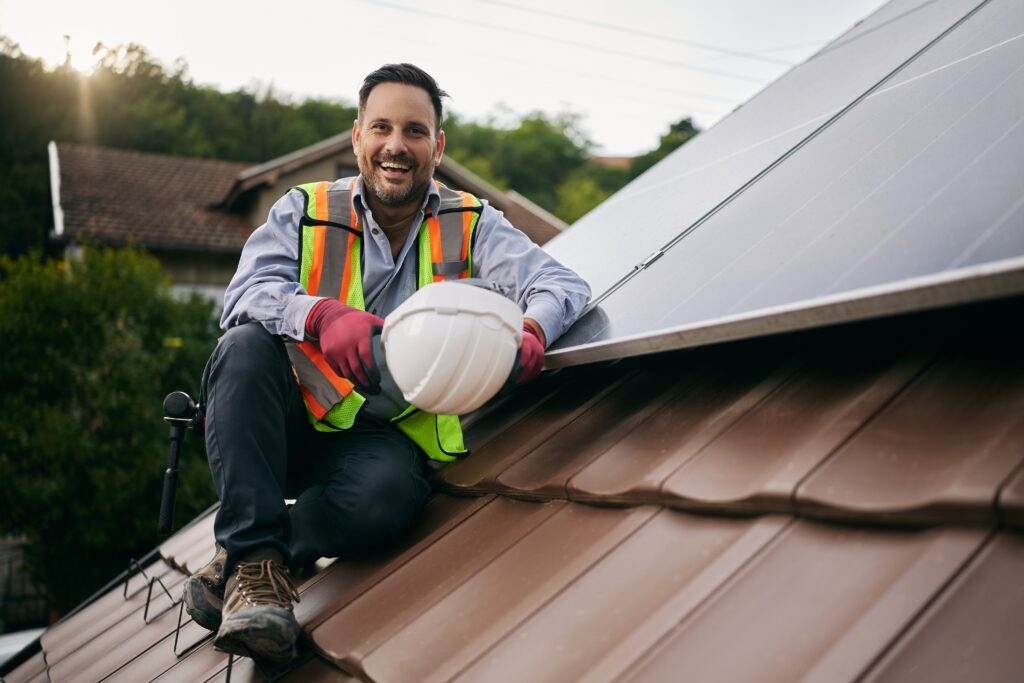
California offers several financial incentives that make it advantageous to install solar when replacing your roof. Understanding these programs helps Santa Barbara homeowners maximize their return on investment.
Federal Solar Investment Tax Credit (ITC)
The federal ITC allows homeowners to deduct 30 percent of the total cost of a solar installation from their federal income taxes. This credit applies to the cost of solar panels, inverters, mounting hardware, wiring, and installation labor. As of 2024, the 30 percent rate is available through at least 2032. For a combined project, the solar portion of the work qualifies for this credit, which can represent savings of several thousand dollars.
NEM 3.0 Net Metering
California’s Net Energy Metering 3.0 program, administered by the California Public Utilities Commission, determines how homeowners are credited for excess solar energy sent back to the grid through Southern California Edison. Under NEM 3.0, the value of exported energy is lower than under previous versions of the program, which makes it more important than ever to size your solar system correctly and consider adding battery storage to maximize self-consumption.
SGIP Battery Rebate
The Self-Generation Incentive Program (SGIP) offers rebates for battery storage systems in California. Pairing a battery with your solar installation during a roof replacement allows all three systems, the roof, the solar array, and the battery, to be installed in a single coordinated project. Homeowners in high fire-threat districts, which include portions of Santa Barbara County, may qualify for enhanced SGIP incentives.
Title 24 Solar Mandate
California’s Title 24 building code requires new residential construction to include solar panels. While this mandate does not apply to reroof projects on existing homes, it reflects the state’s direction toward solar adoption and underscores the long-term value of adding solar to your home during a roof replacement.
How Solar Panels and a New Roof Affect Home Value in Santa Barbara
A new roof and a solar energy system each independently increase home value. Combined, they create a compelling package for potential buyers, particularly in a market like Santa Barbara where energy costs, sustainability awareness, and property values are all high.
Studies by the Lawrence Berkeley National Laboratory have found that homes with solar panels sell for a premium of approximately $15,000 on average compared to comparable homes without solar. A new roof, meanwhile, typically recovers 60 to 70 percent of its cost in resale value according to national remodeling surveys.
For homeowners in Santa Barbara, Montecito, or Hope Ranch who may be considering selling within the next decade, a combined solar and roof project positions the home as move-in ready, energy efficient, and low maintenance. These are attributes that carry significant weight in Southern California real estate.
Q: Does adding solar panels increase home value in Santa Barbara?
A: Yes. Research from the Lawrence Berkeley National Laboratory indicates that solar panels add an average of approximately $15,000 to a home’s sale price. In high-cost markets like Santa Barbara, this premium can be even higher because buyers place additional value on energy independence and lower utility costs.
Planning Your Solar Panels and Roof Replacement in Santa Barbara
If you are considering both projects, the planning process benefits from a clear sequence of steps.
Step 1: Assess Your Current Roof
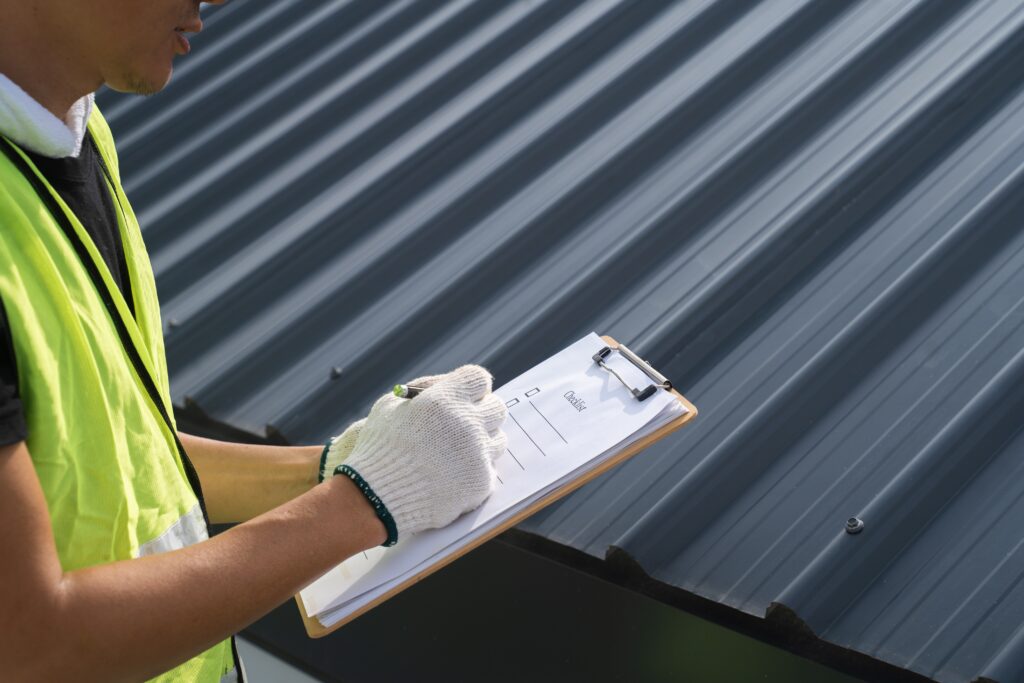
Start with a professional roof inspection to determine the remaining lifespan of your existing roof. If your roof is more than 15 years old, or if it shows signs of wear such as missing granules, cracked tiles, or soft spots on the deck, it is generally more cost-effective to replace the roof before or alongside a solar installation rather than installing panels on an aging surface.
Step 2: Evaluate Your Energy Needs
Review your electricity bills from the past 12 months to understand your average energy consumption. A qualified solar installer will use this data, combined with your roof’s orientation, pitch, and available square footage, to design a system sized to meet your household’s energy needs.
Step 3: Choose a Contractor Who Handles Both
Working with a single contractor for both roofing and solar ensures the two systems are designed, installed, and warranted together. August Roofing and Solar is licensed and certified to perform both roofing and solar installation, which eliminates the coordination challenges and finger-pointing that can occur when two separate contractors work on the same roof.
Step 4: Review Financing Options
Bundled financing through programs like August Roofing and Solar’s SolaRoof option allows homeowners to manage both projects under a single payment plan. Compare this to the cost of financing each project independently to determine which approach best fits your budget.
Step 5: Schedule the Work
In Santa Barbara, most roofing and solar work can be performed year-round due to the mild climate. However, scheduling during spring or early fall can help avoid the busiest contractor seasons and potential weather delays from winter rain events.
People Also Ask
Should I replace my roof before going solar?
If your roof is more than 15 years old or shows signs of significant wear, replacing it before or during solar installation is strongly recommended. Installing solar on an aging roof creates the likelihood of needing a costly panel removal and reinstallation within a few years when the roof reaches the end of its life.
How long do solar panels last on a roof?
Most solar panels come with a 25-year production warranty, guaranteeing at least 80 percent of their original output over that period. Many panels continue to produce energy beyond 30 years, though at gradually decreasing efficiency. This lifespan closely matches that of a standard asphalt shingle roof.
Do solar panels void my roof warranty?
Solar panels do not automatically void a roof warranty, but improper installation can. If a solar installer damages roofing material or creates unsealed penetrations during mounting, the roofing manufacturer may deny warranty claims in those areas. Using a contractor certified in both roofing and solar, like August Roofing and Solar, ensures the installation meets both manufacturer specifications.
What is the best roof material for solar panels in Santa Barbara?
Asphalt shingles and standing seam metal roofs are generally the easiest and most cost-effective surfaces for solar panel mounting. Concrete and clay tile roofs, which are common in Santa Barbara, can also support solar but require specialized mounting brackets and more careful installation to avoid cracking tiles.
Frequently Asked Questions
Is it worth combining solar panels and roof replacement in Santa Barbara?
Yes. Combining solar panels and roof replacement in Santa Barbara saves money by eliminating the future cost of panel removal and reinstallation. It also synchronizes the lifespan of both systems so they can be evaluated and replaced together in 25 to 30 years. Bundled financing options further reduce the financial burden of completing both projects at once.
How much does solar panels and roof replacement in Santa Barbara cost?
Costs vary based on roof size, roofing material, and solar system capacity. A typical reroof in Santa Barbara ranges from $10,000 to $25,000, while a residential solar installation typically costs between $15,000 and $30,000 before incentives. The federal ITC can reduce the solar portion by 30 percent. A combined quote from a single contractor often provides additional savings compared to separate projects.
Can I install solar panels on a tile roof in Santa Barbara?
Yes. Solar panels can be installed on concrete and clay tile roofs, which are common throughout Santa Barbara. The installation requires tile-compatible mounting brackets, sometimes called comp-out or tile replacement mounts, that replace individual tiles with a flat flashed surface for panel attachment. A contractor experienced with both tile roofing and solar is essential for a reliable installation.
How long does a combined solar and roof installation take?
A combined project typically takes between one and three weeks depending on roof size, complexity, and solar system capacity. The roof replacement is completed first, followed immediately by solar panel mounting and electrical work. Permitting and utility interconnection through Southern California Edison can add additional time before the system is activated.
Does August Roofing and Solar handle both roofing and solar installation?
Yes. August Roofing and Solar is a licensed and certified contractor for both roofing and solar panel installation in Southern California. With over 30 years of experience, the company offers its SolaRoof program that bundles both services into a single project and financing plan, with no deposit required to begin work.
Get a Free Roof and Solar Assessment in Santa Barbara
If you are a homeowner in Santa Barbara considering solar panels and roof replacement, the most productive first step is a professional assessment of your existing roof and energy needs. August Roofing and Solar provides free inspections and estimates for combined roofing and solar projects throughout Santa Barbara, Goleta, Carpinteria, and the surrounding South Coast.
To schedule your free assessment, fill out our online form or call (805) 519-8099. Our team will evaluate your roof’s current condition, discuss your energy goals, and provide a clear, detailed proposal with no obligation and no deposit required.